



Fine Woven Carpet
A fine woven carpet brings together centuries of regional knotting traditions, offering dense piles and intricate designs for the floor.
Fine Woven Carpet
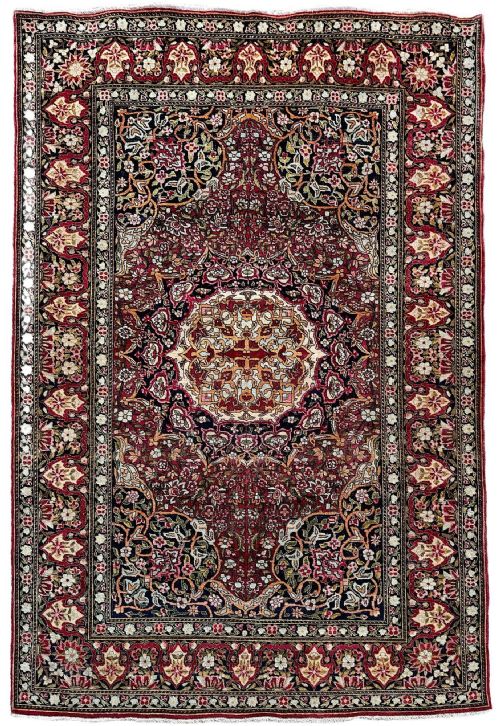
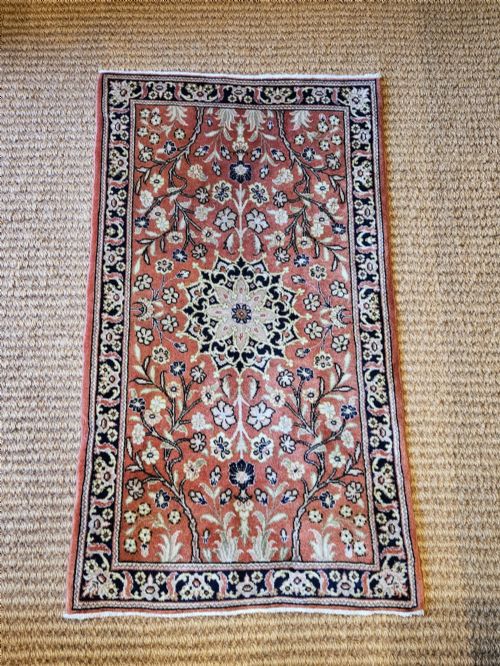
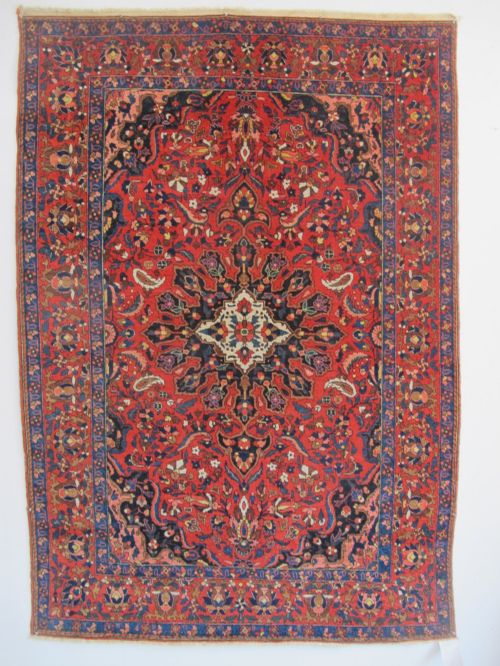
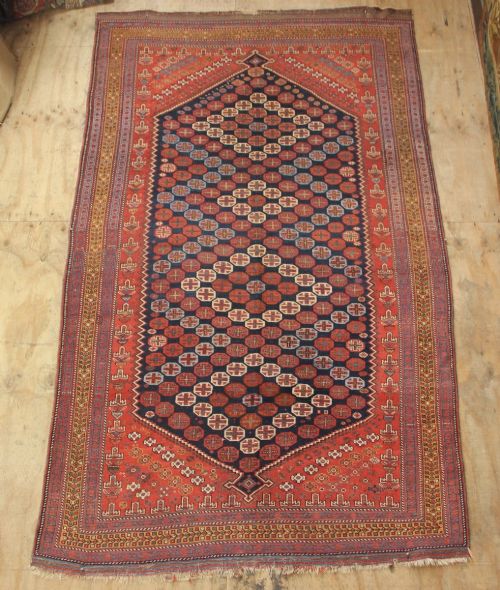
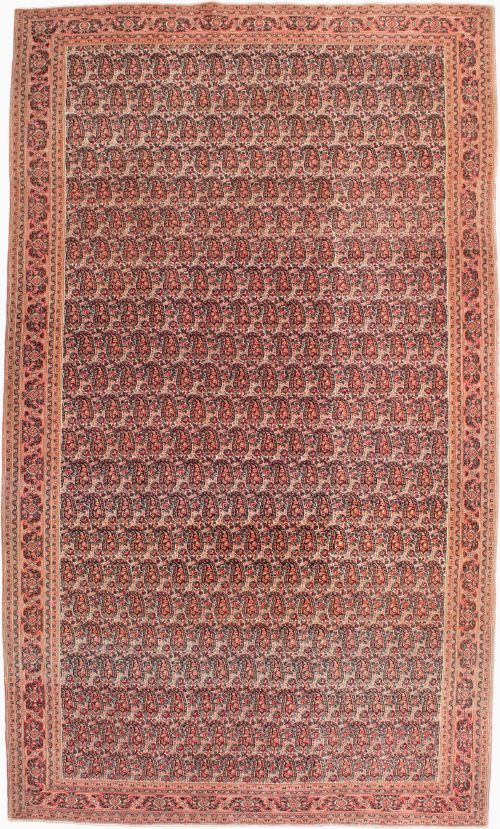
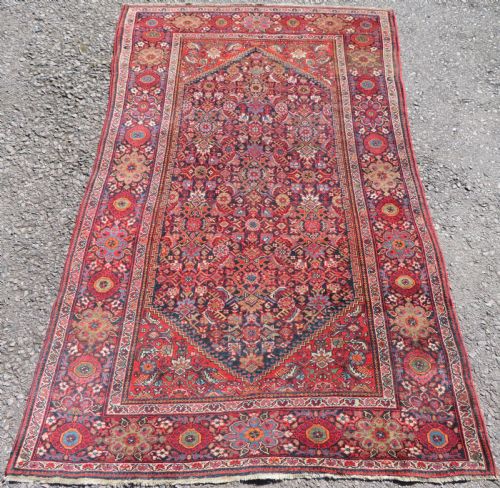
A fine woven carpet encompasses room-sized floor coverings, smaller scatter rugs, tribal bags, and flatweaves originating from Persia, the Caucasus, and Central Asia. The pieces seen here date from the nineteenth and early twentieth centuries, spanning periods such as 1880, 1900, and 1920. Buyers frequently encounter regional Persian types like Isfahan, Tabriz, and Qum, alongside Caucasian Kuba and Turkmen tribal pieces.
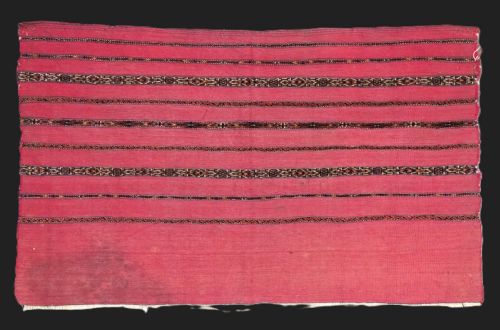
The assortment includes hearth-sized wool rugs, long runners like Bakshiash, and specialised textile fragments including Tekke Turkmen chuval and torba faces. Regional styles incorporate traditional Persian, Caucasian, and Central Asian tribal aesthetics manifested in intricate medallion or banded designs. These textiles served both functional domestic roles and nomadic daily life before entering the antique market.
Materials and construction
Weavers constructed these textiles predominantly from natural materials including wool, cotton, lambswool, and silk. Many pieces incorporate natural dyes to achieve deep colour palettes across complex motifs. Certain examples utilise a silk foundation to support a lambswool pile.
Knotting and flatweaving techniques define the structure, yielding dense, fine weaves across various tribal and city workshops. Central Asian, Persian, and Caucasian artisans applied traditional looms and hand-spun fibres to create durable carpets and flatwoven kilims.
Listings feature pieces spanning the nineteenth and twentieth centuries, utilising wool, cotton, silk, and natural dyes.
Assessing quality and execution
Knot density and structural tightness set finer examples apart from coarser commercial work. A high knot count allows for sharper botanical and geometric definition within medallions and borders.
The choice of materials influences the handle and durability of the textile. Pure silk foundations, superior lambswool, and well-preserved natural dyes elevate the standing of an antique carpet.
Hereke·Mohtasham Kashan
The Fine Woven Carpet Glossary
- Chuval
- A large nomadic storage bag face produced by Turkmen tribes. These square or rectangular panels often feature multiple guls.
- Torba
- A smaller Turkmen storage bag face used inside the yurt. They are typically wider than they are tall.
- Gul
- A medallion or repeating octagonal motif used extensively in Turkmen carpet design. Each tribal group utilised distinct gul patterns.
- Kilim
- A flatwoven carpet or textile produced without a pile. These pieces rely on interlocking weft threads to form geometric patterns.
- Foundation
- The base structure of a carpet formed by the warp and weft threads. It supports the knotted pile above.
Fine Woven Carpet: Frequently Asked Questions
How do I clean an antique carpet?
Professional specialist cleaning is essential for antique textiles to protect fragile wool, silk, and natural dye foundations.
Routine maintenance involves gentle vacuuming without a beater bar, ensuring the nozzle moves parallel to the weave direction.
Can these carpets handle daily foot traffic?
Sturdier wool carpets with dense piles withstand normal room usage when placed over a quality underlay.
Silk and delicate flatweaves or smaller bag faces suit low-traffic areas or wall display to limit physical wear.
How do I distinguish regional styles?
Persian pieces often display curvilinear florals and central medallions, whereas Caucasian rugs favour sharp geometric polygons and primary blues and reds.
Central Asian tribal items frequently incorporate repeating guls and deep madder-dye grounds.
What underlay should I use?
A breathable, non-slip mesh pad prevents the carpet from sliding on hard floors and reduces friction between the fibres.
Avoid rubber-backed sheets that trap moisture and deteriorate the historic foundation threads over time.