

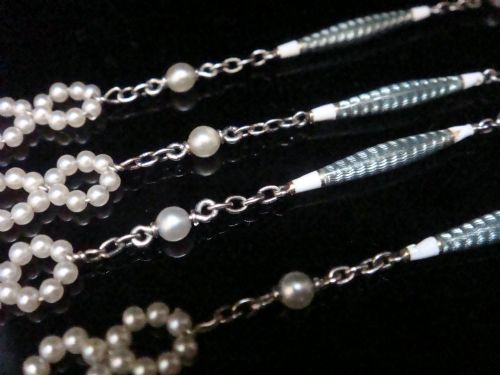


Fine Pearl Jewellery
Fine pearl jewellery brings together lustrous organic gems, precious platinum and yellow gold in necklaces, earrings and rings spanning the Victorian to mid-century eras.
Fine Pearl Jewellery
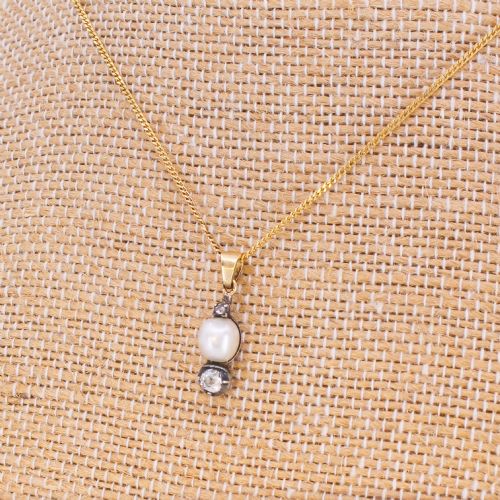
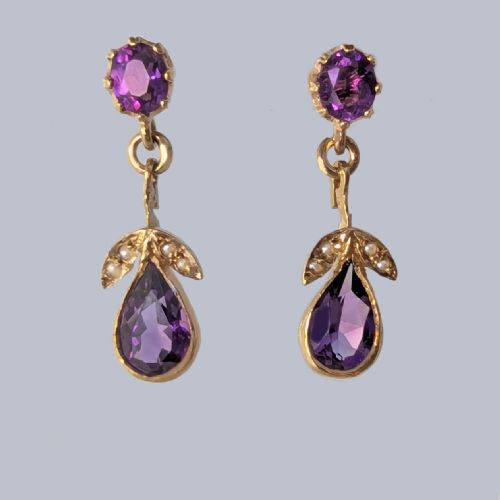
Fine pearl jewellery encompasses necklaces, pendants, earrings, rings and brooches shaped by eras from the Victorian period through Edwardian designs to Art Deco and mid-century modernism. These pieces pair organic pearls with diamonds, sapphires, amethysts, emeralds and coral set in yellow gold, white gold, platinum and silver.
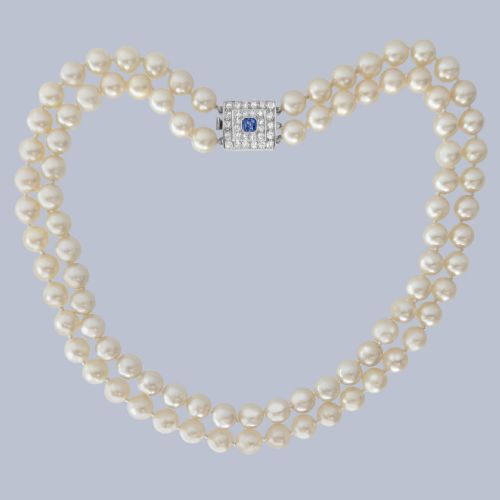
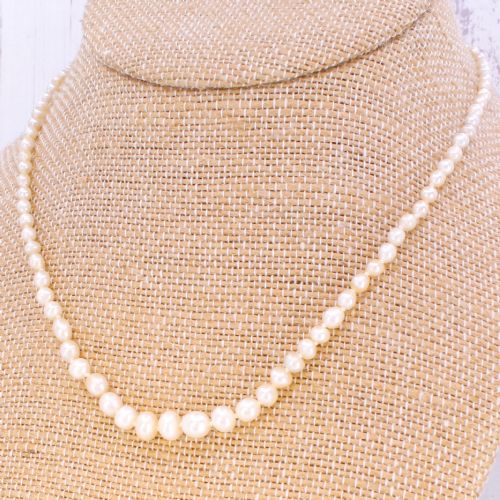
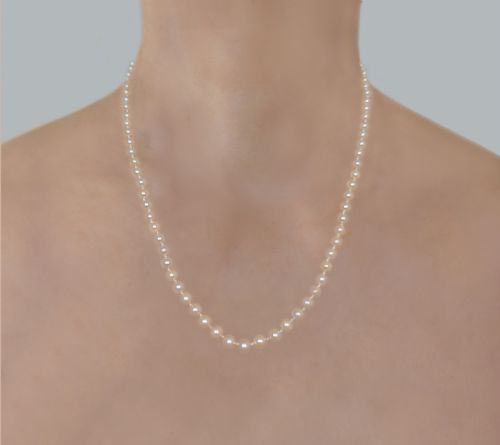
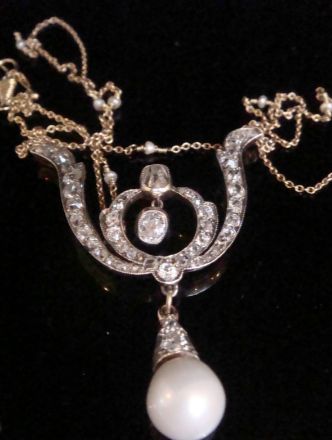
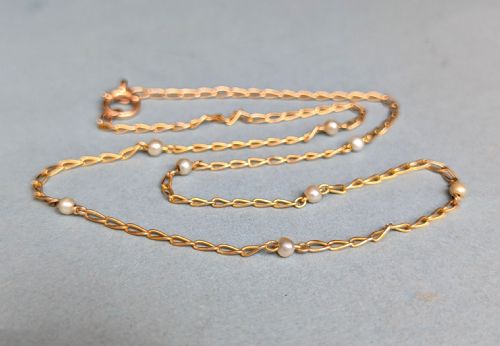
Necklaces dominate the selection, ranging from single and multi-strand pearl ropes to delicate seed pearl chains and elaborate lavalier pendants. The pieces often utilise gemstone clasps in sapphire, amethyst or diamond to anchor the design, blending classic pearls with coloured stones.
The materials reflect changing tastes across decades, moving from ornate Victorian gold work and Edwardian platinum-set lace to geometric Art Deco platinum pieces and substantial mid-century cultured pearl strands.
Materials and construction
Makers shaped these items using precious metals including 9ct, 15ct, 18ct yellow and white gold, alongside platinum and silver. Gems such as diamonds, amethysts, sapphires and emeralds complement natural saltwater, seed and cultured pearls.
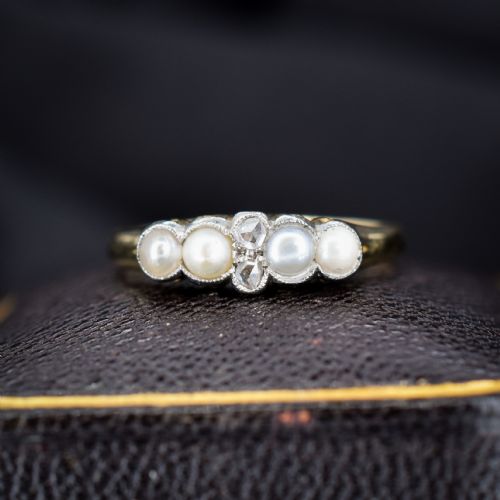
Craftsmen employed intricate techniques such as rose-cut diamond settings, pierced gold work, enamel detailing and platinum mountings. Necklaces frequently required specialist stringing methods to secure pearls alongside gold and diamond clasps.
Fine Pearl Jewellery Retail Price Guide 2026
Typical asking prices for fine pearl jewellery among the pieces listed under this phrase on Sellingantiques today, from the lower quarter to the upper quarter. They describe what is for sale here now, not the wider market.
Listings span periods from the Victorian era through Edwardian, Art Deco and mid-century decades, incorporating yellow gold, white gold, platinum and silver.
Quality and craftsmanship
Quality rests in the origin and lustre of the pearls, distinguishing natural saltwater specimens from cultured varieties and seed pearls. The uniformity of the pearls and the strength of the restringing work determine the integrity of a necklace or bracelet.
The surrounding metalwork and accompanying gemstones elevate a piece, separating simple chains from intricate platinum and diamond or sapphire settings. Maker skill shows in the delicacy of silver foliate mounts, pierced gold galleries and secure clasp integration.
Chaumet
The Fine Pearl Jewellery Glossary
- Seed pearl
- Very small, naturally occurring pearls often used in clusters or delicate Edwardian and Victorian pendant necklaces. They provide a fine, textured background for larger gemstones.
- Lavalier
- A pendant necklace featuring a central stone or pearl suspended from a chain, popular during the Edwardian era. These pieces often incorporate amethyst or aquamarine accents.
- Rose-cut
- An antique diamond cut featuring a flat base and a domed crown with triangular facets. This cut predates modern brilliant stones and appears frequently in Georgian and Victorian mountings.
- Cultured pearl
- Pearls formed with human intervention by inserting a nucleus into an oyster or mollusc. They became widely utilised in mid-century jewellery design.
- Natural saltwater pearl
- Pearls formed organically in marine molluscs without human intervention. These pieces command attention for their distinct origin and organic lustre.
Fine Pearl Jewellery: Frequently Asked Questions
How do I care for pearl jewellery?
Pearls are organic gems that require gentle handling, protection from harsh chemicals and storage away from harder metals. Wipe them clean with a soft cloth after wearing to preserve their natural lustre.
Have necklaces checked and restrung periodically if the silk thread stretches or weakens between the pearls. This prevents breakage during regular wear.
What is the difference between natural and cultured pearls?
Natural pearls formed spontaneously inside molluscs over centuries without human assistance, making them uncommon in antique pieces. Cultured pearls involve human intervention to start the growth process inside the oyster.
Both types appear across various historical periods on this page, though natural saltwater pearls generally date to earlier eras.
How do I date an antique pearl necklace?
Dating relies on examining the metal of the clasp, the mounting technique and the overall style of the piece. Edwardian items often feature platinum settings and delicate filigree, while mid-century strands utilise structured gold clasps and uniform cultured pearls.
Hallmarks on the gold or platinum components provide definitive manufacturing dates and maker marks where present.
Can I wear antique pearl rings daily?
Pearls have a lower hardness rating than diamonds or sapphires, making them sensitive to knocks and daily abrasion in ring settings. Reserve pearl rings for careful wear or special occasions to protect the gemstone from surface damage.
Earrings and necklaces experience less physical impact and suit regular rotation in a modern wardrobe.