




Fine Knotted Persian Rug
A fine knotted persian rug brings centuries of woven artistry into a room, offering intricate floral medallions and tribal geometry crafted from wool and silk.
Fine Knotted Persian Rug
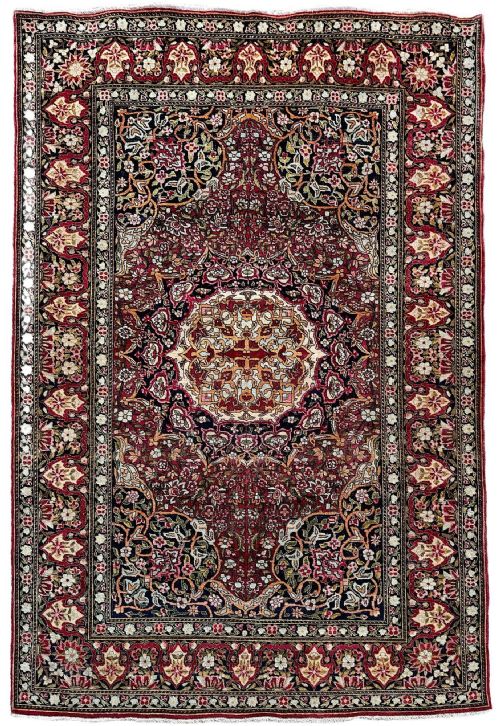
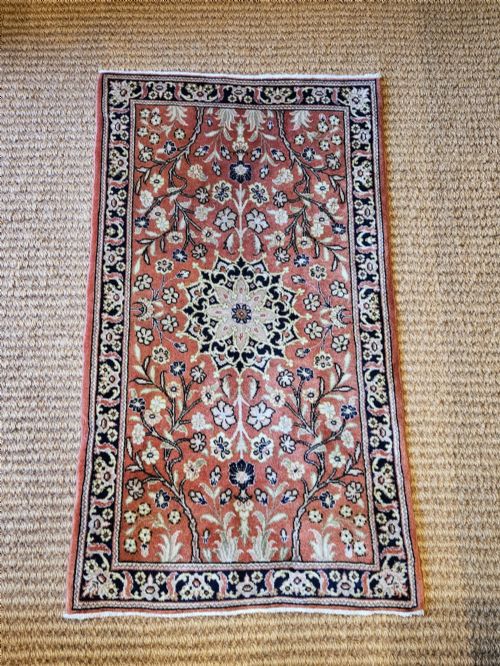
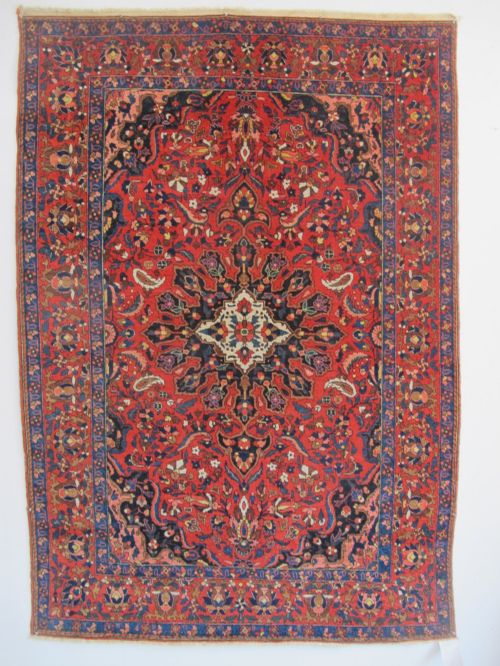
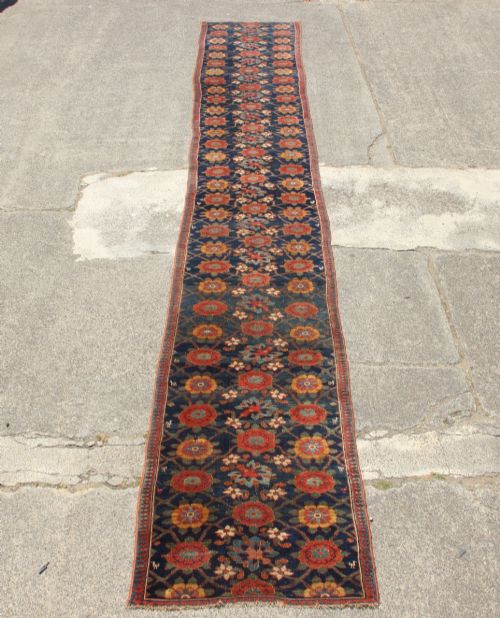
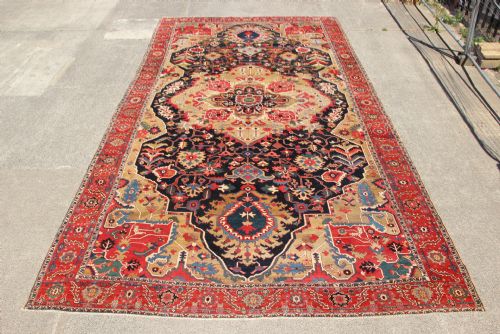
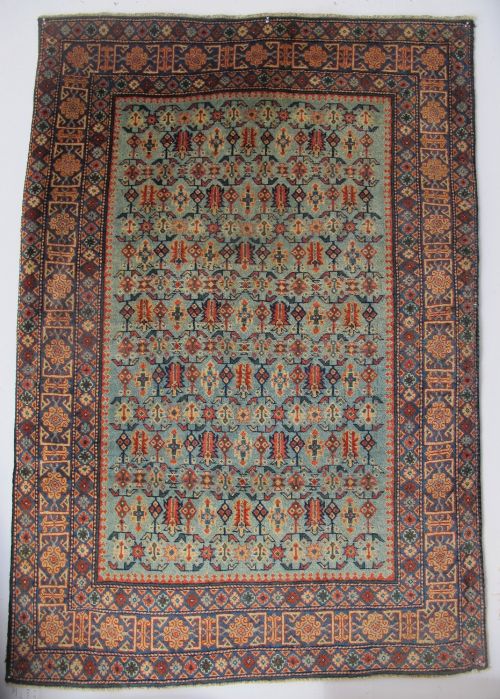
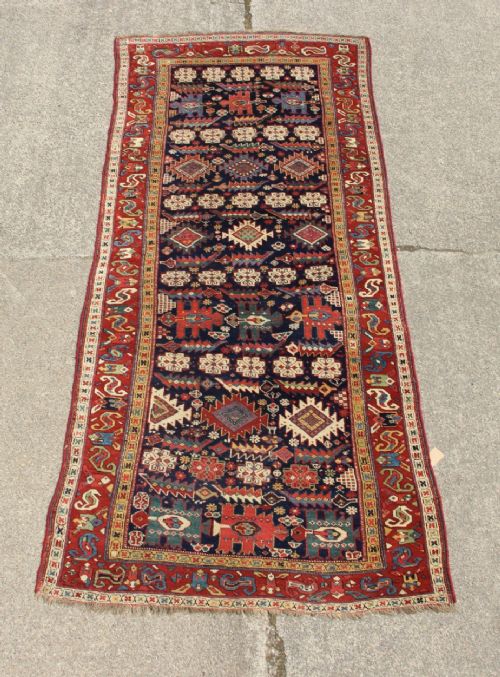
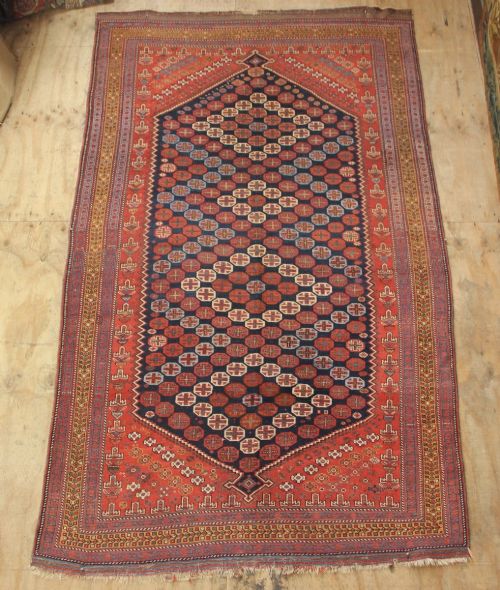
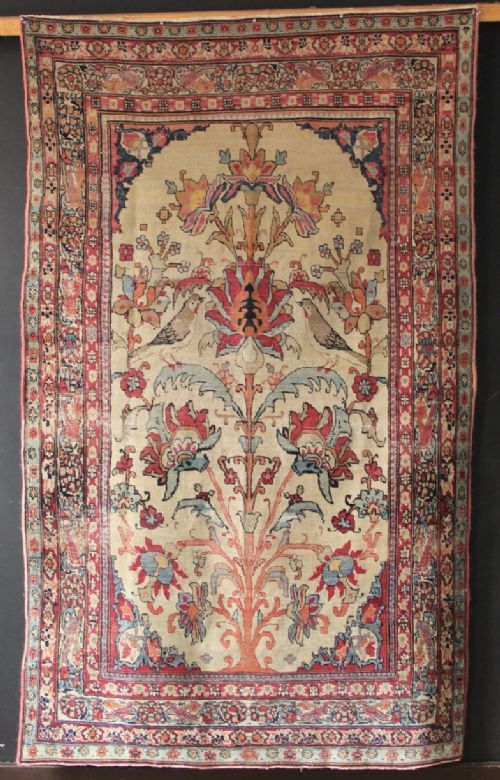
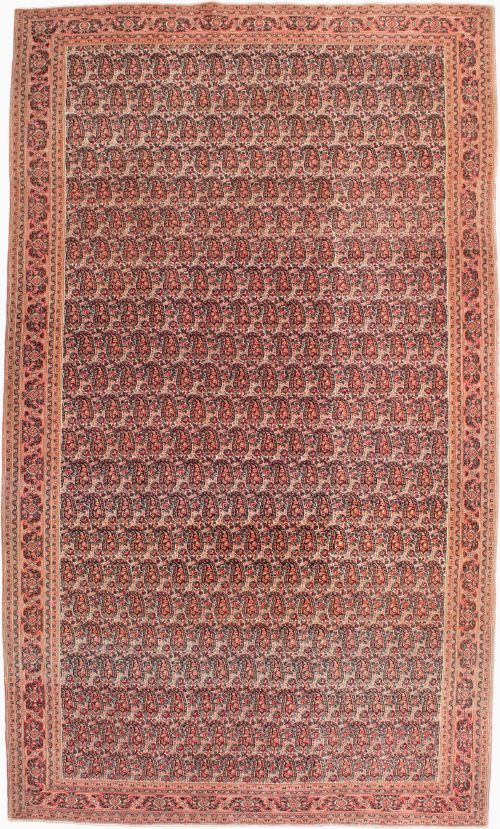
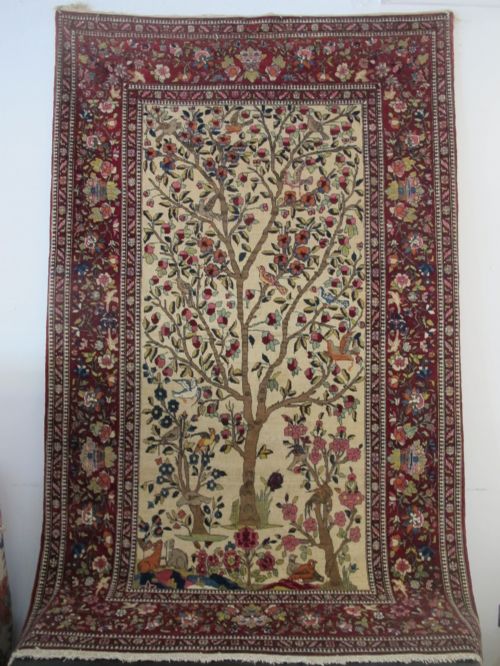
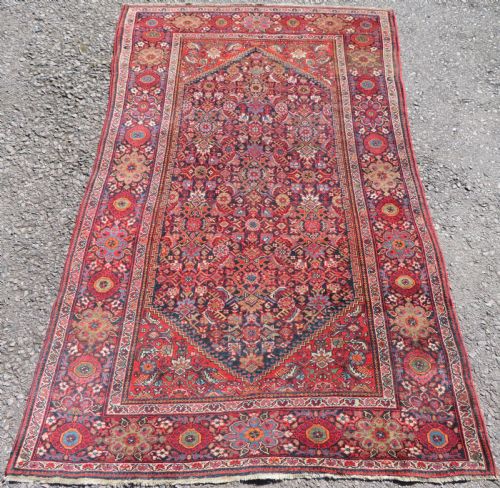
A fine knotted persian rug represents a tradition of hand-weaving spanning cities and tribal regions across Iran, dating from the mid nineteenth century into the mid twentieth century. These textiles range from hearth-sized scatter rugs and long runners to room-sized carpets designed for formal spaces and daily utility.
Buyers encountering this selection will find regional classifications such as Tabriz, Isfahan, Kashan, and Qum alongside tribal pieces from Kurdish and Bakhtiar weavers. The formats vary from medallion and vase designs to repetitive floral fields and geometric village patterns.
Each piece bears the distinct structural characteristics of its origin, reflecting the materials available to local artisans between eighteen-fifty and nineteen-forty. Collectors seek these variations to anchor period interiors with authentic regional craftsmanship.
Materials and Construction Techniques
Weavers constructed these textiles primarily using wool, cotton, and silk foundations and pile, often combining pure wool with silk highlights to add depth to the design. Lambswool provided a soft, dense pile suited for intricate knotting in city workshops, while sturdy cotton formed stable warps and wefts for everyday carpets.
The makers tied individual knots by hand onto the vertical warp threads, packing the rows tightly down with heavy combs to create a durable surface that reveals the pattern clearly on both face and reverse. Natural and early synthetic dyes yielded rich palettes of reds, blues, and neutrals that mellow gracefully with age.
Hunting carpets feature microscopic gazelles and hounds so small the weaver needed hawk-like vision to tie every single knot.
Assessing Craftsmanship and Detail
Knot density dictates the fineness of the resolution in pictorial and geometric motifs, separating standard village weaving from master workshop production. Higher knot counts allow for intricate curves and minute floral details within medallions and borders.
The choice of materials also signals quality, particularly where workshops incorporated pure silk or fine lambswool to accentuate specific elements of the composition. Structural integrity across the foundational weave and even wear across the pile complete the distinction between ordinary utility items and exceptional artistic survivals.
Mohtasham Kashan·Ahmadi Isfahan
The Fine Knotted Persian Rug Glossary
- Warp
- The vertical threads stretched across a loom that form the foundational skeleton of the rug. Fringe ends typically display these fixed yarns.
- Weft
- The horizontal threads passed alternately over and under the warp threads after each row of knots to bind the structure together. This grid maintains the rectangular geometry of the piece.
- Medallion
- A symmetrical central ornament placed in the field of the rug. Many traditional regional designs revolve around this focal geometric or floral motif.
- Pile
- The vertical or slanted ends of the knotted yarn that form the usable surface of the textile. Its height and density determine the tactile feel underfoot.
- Prayer rug
- A specialised format featuring a mihrab or arch design indicating the direction of Mecca. Weavers created these smaller pieces for devotional use.
Fine Knotted Persian Rug: Frequently Asked Questions
Where should I place a antique rug?
These textiles suit low-traffic living rooms, studies, and bedrooms where the pile remains protected from heavy foot traffic and direct sunlight.
Using a quality underlay prevents slipping and cushions the foundation fibres against hard flooring surfaces.
How do I clean a wool carpet?
Regular gentle vacuuming without a beater bar removes surface dust before it settles deep into the knotting.
Professional cleaning by a specialist in antique textiles is essential for addressing spills or embedded soil safely.
How can I tell regional styles apart?
City workshops like Tabriz and Isfahan display precise floral curves and fine silk or wool knotting, while tribal groups such as Kurdish and Afshar weavers favour bold geometric patterns.
Examining the border structures and colour palette often reveals the specific Persian region of origin.
Are silk highlights common in these rugs?
Certain nineteenth and twentieth-century pieces incorporate silk highlights within wool piles to catch the light and accentuate fine details in the medallion.
This technique appears frequently in workshop carpets originating from centres like Nain and Kashan.