
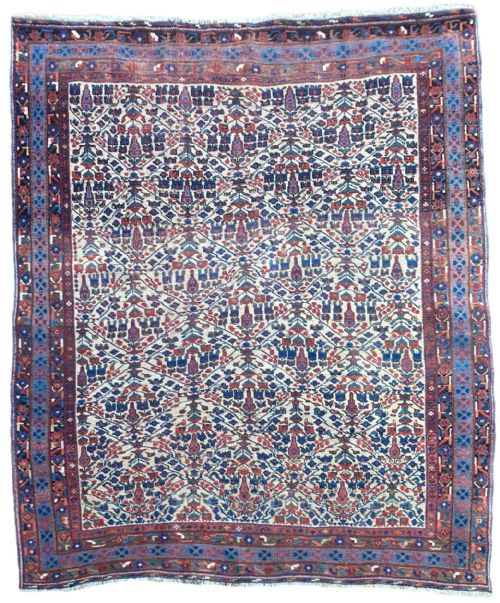


Antique Kerman Wool Carpet
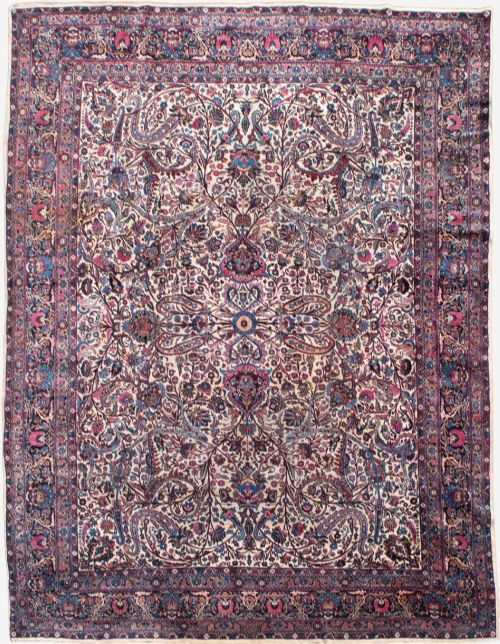
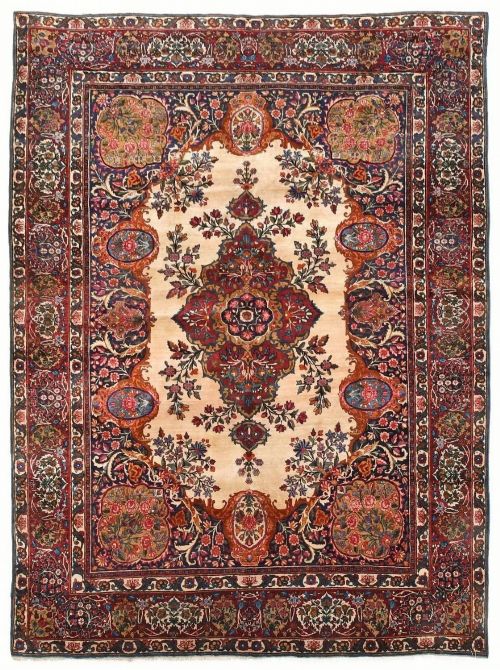
An antique kerman wool carpet brings the rich palette and intricate floral traditions of southern Persia directly into a room.
Antique Kerman Wool Carpet
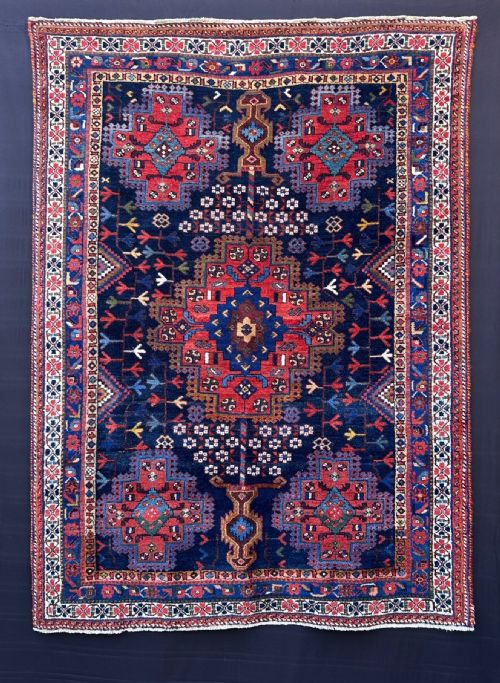
An antique kerman wool carpet forms part of a rich weaving tradition originating from the Kerman province in south Persia. Buyers search for these pieces to acquire substantial room-size floor coverings as well as smaller mats and tribal textiles.
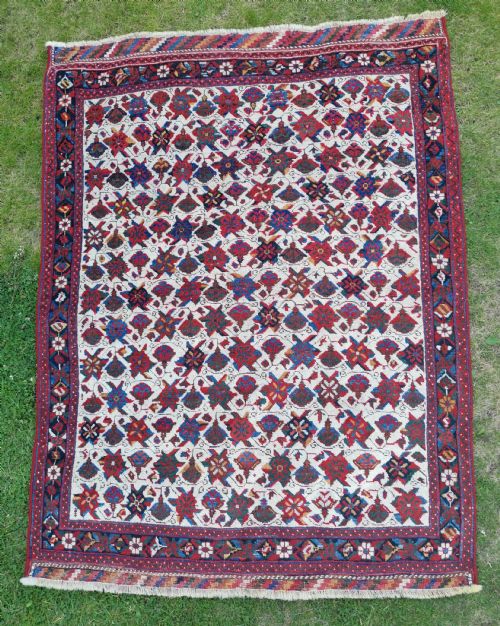
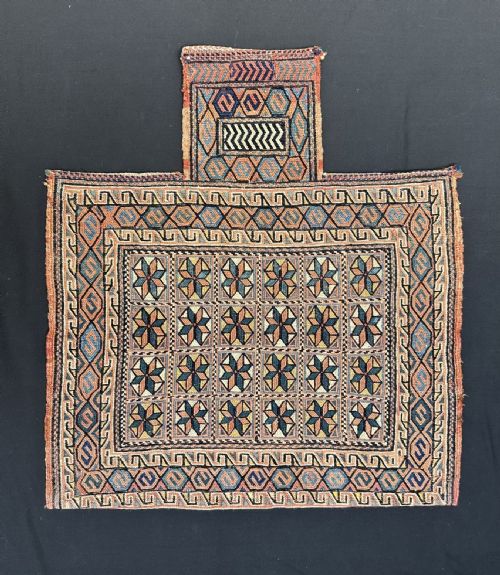
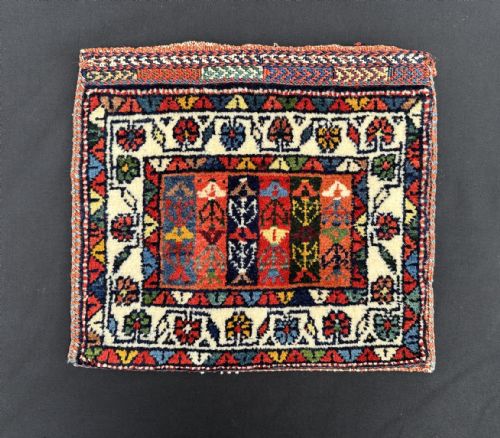
The selection here encompasses large carpets, runners, and room-size formats, alongside related regional works such as Afshar rugs and salt-bags from the surrounding areas. Pieces date from the nineteenth century through to the early decades of the twentieth century, showing diverse scales from intimate mats to oversized hall carpets.
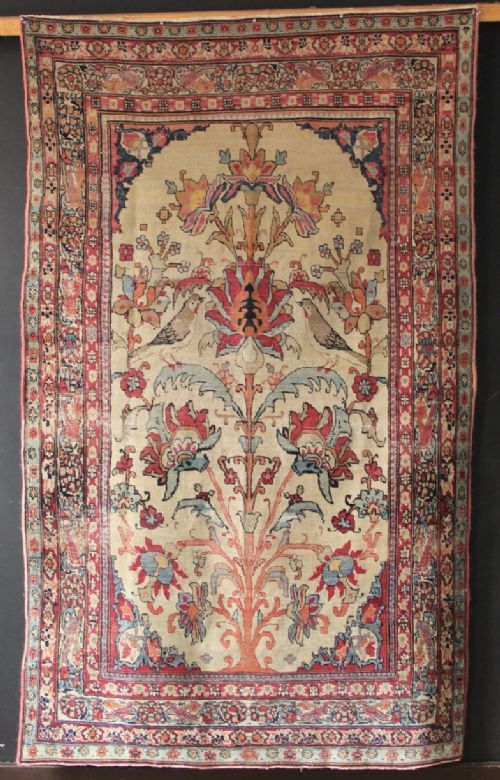
Stylistic variations include traditional Persian designs, millefleurs prayer rugs, and repeat floral boteh patterns. The overarching aesthetic merges grand urban workshops with distinct south Persian tribal influences.
How they were made
The foundation of an antique kerman wool carpet typically relies on a sturdy cotton base combined with soft wool pile, sometimes incorporating flatwoven soumak techniques for specific textile forms. Natural dyes provide the enduring colour palette that defines these southern Persian works.
Weavers utilised hand-knotted pile construction to achieve both fine detailed formats like Lavar carpets and robust room-size floor coverings. The integration of local wool and durable cotton warp and weft threads allowed these textiles to withstand generations of daily use.
The listings here span the nineteenth century up to the 1940s, featuring wool and cotton construction dyed with natural colours.
What varies in quality
The refinement of knot density and the precision of floral drawing distinguish exceptional urban Kirman pieces and fine Lavar carpets from coarser regional work. Finer examples display meticulous execution in complex motifs such as millefleurs designs.
Proportion and scale also influence character, ranging from exceptionally long narrow runners to oversized room-size formats that demand expert structural balance. Preservation of the original pile height and dye saturation further separates top-tier pieces from heavily worn or distressed examples.
The Antique Kerman Wool Carpet Glossary
- Kerman
- A major weaving centre and province in south Persia known for producing sophisticated carpets with dense floral motifs. These textiles often utilise high-grade wool on a cotton foundation.
- Lavar
- A specific designation often associated with fine Kerman weaving, particularly noted for delicate detail and exceptional fineness. Lavar carpets frequently feature intricate floral arrangements.
- Afshar
- A tribal group hailing from the Kerman province in southern Persia, known for producing geometric rugs, bags, and smaller textiles. Their work contrasts with the curvilinear urban style of central Kerman workshops.
- Boteh
- A stylised almond or paisley motif representing a floral spray or cypress tree, frequently repeated across Persian carpets. This traditional symbol appears commonly in Kerman and regional southern weaving.
- Soumak
- A flatweaving technique that wraps supplementary weft threads around the warp to create a durable, textured surface without a pile. It appears in bags and utilitarian nomadic textiles from the region.
Antique Kerman Wool Carpet: Frequently Asked Questions
How do I care for my carpet?
Protect the textile from direct sunlight to preserve the natural dyes, and use a suitable underlay to prevent sliding and excessive friction. Vacuum gently without using a rotating brush bar.
Professional cleaning should be undertaken only by specialists experienced in antique Persian wool and cotton textiles. Avoid harsh chemical spot treatments entirely.
Where were these carpets made?
These pieces originate from the Kerman province in south Persia, encompassing both urban workshops in the city of Kerman and surrounding tribal regions. Nomadic groups such as the Afshar also contributed significantly to the region's textile output.
Production centres utilised locally sourced wool and established cotton trade routes to supply both domestic and international markets.
How do I distinguish an Afshar rug?
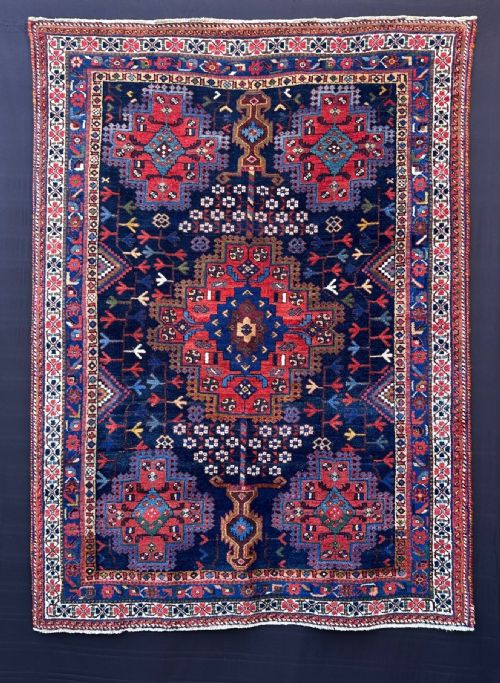
Afshar rugs typically display geometric medallions, hooked polygons, and stylised birds or animals rather than the curvilinear floral layouts of urban Kerman workshops. They frequently originate from the Neiriz region and Bardsir.
These tribal pieces also include utilitarian items such as vanity-bags and salt-bags alongside standard floor rugs.