

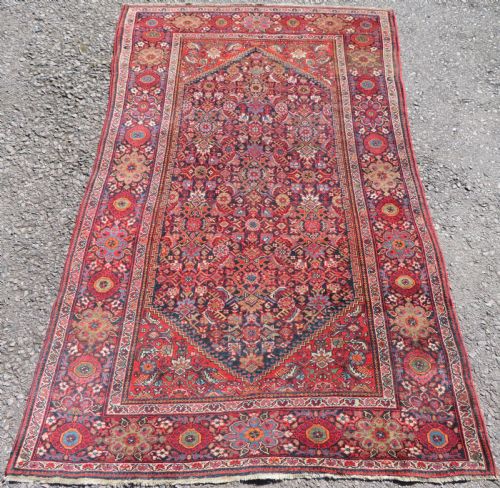


Fine Knotted Oriental Rug
A fine knotted oriental rug brings dense wool, intricate regional geometry and centuries of weaving tradition straight to the floor.
Fine Knotted Oriental Rug
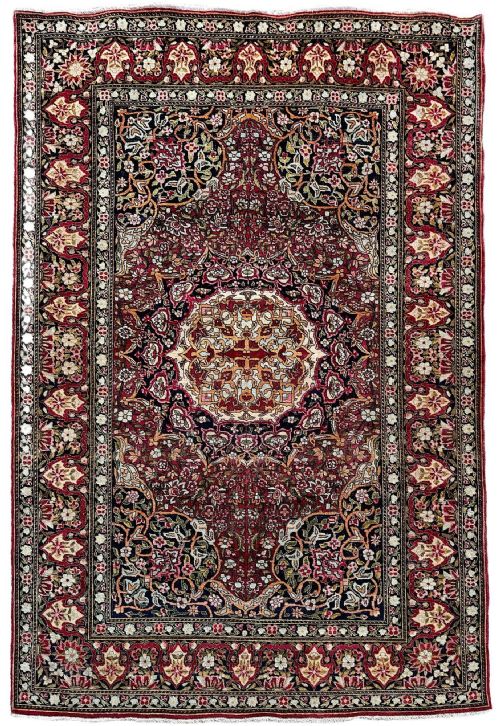
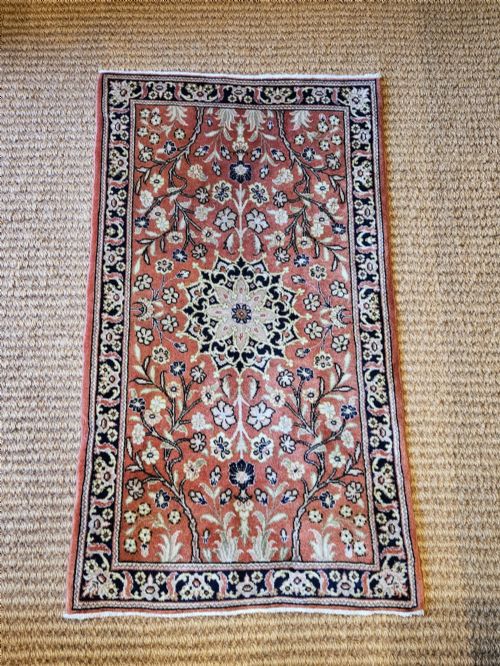
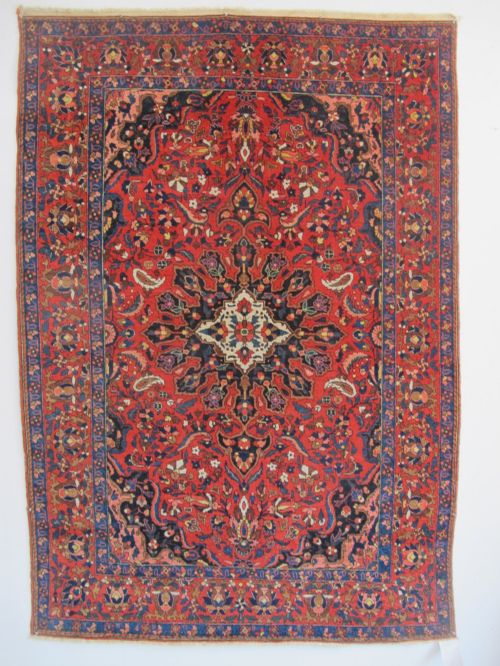
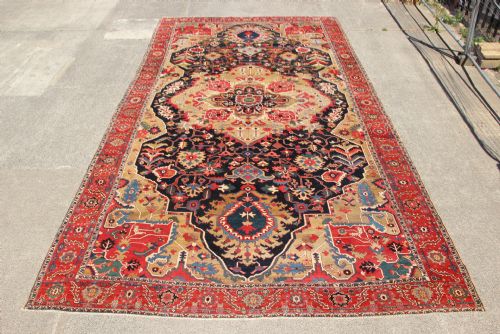
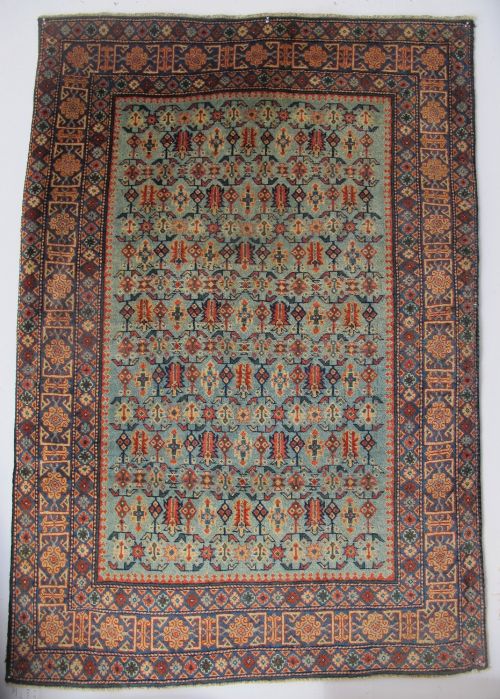
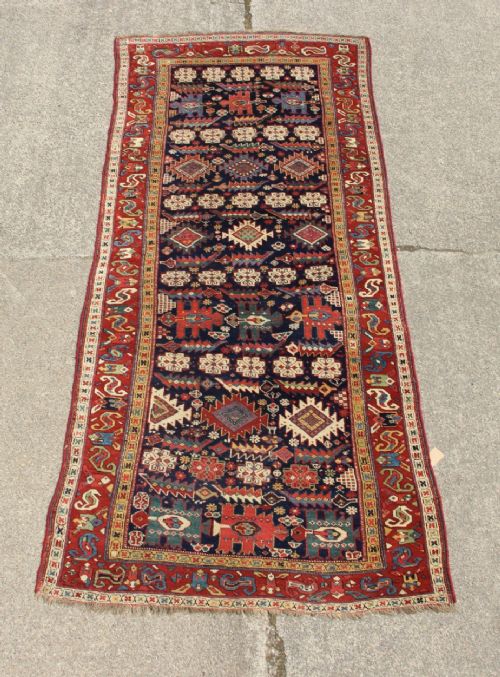
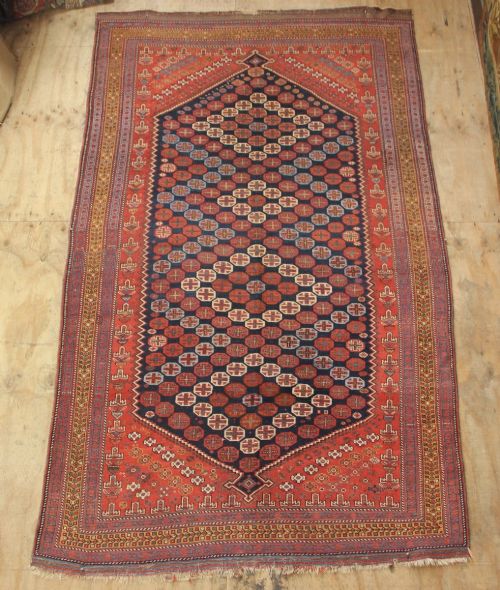
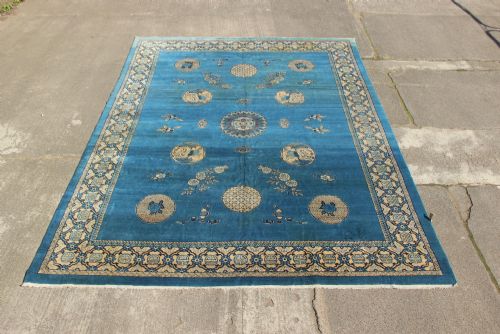
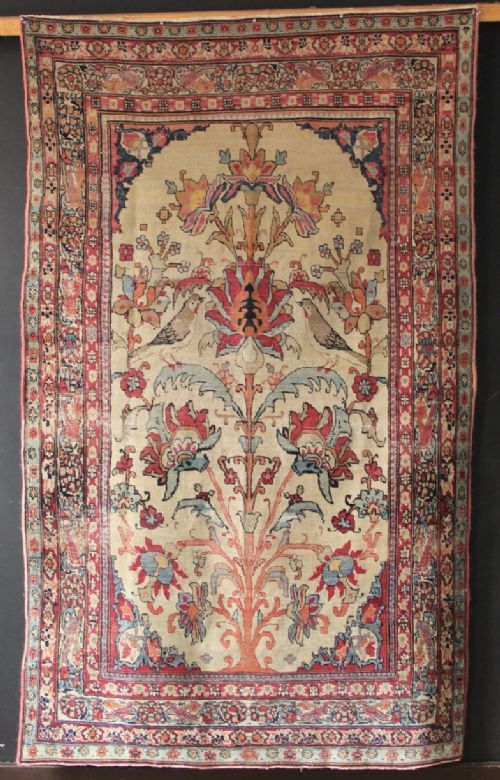
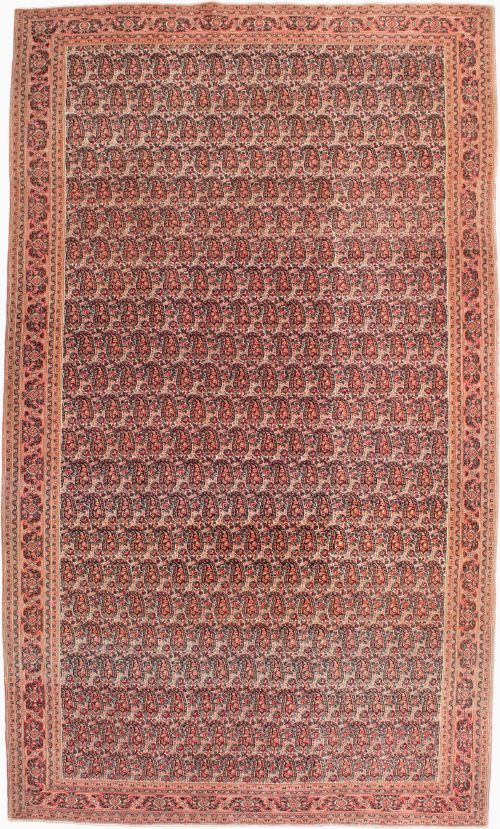
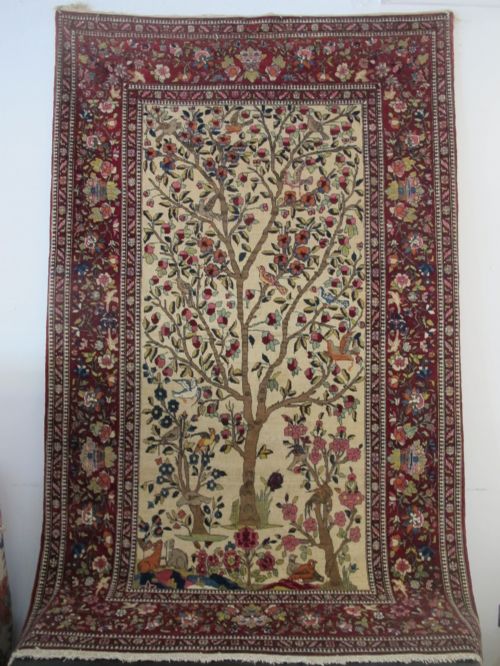
A fine knotted oriental rug encompasses woven floor coverings originating from Persia, the Caucasus and China, spanning periods from the mid-nineteenth century through to the early twentieth century. Buyers seeking this phrase encounter formats ranging from compact hearth-sized mats and narrow runners to large room-sized carpets.
The regional diversity covers named weaving centres and tribal traditions, including Isfahan, Tabriz, Kashan, Heriz, Kurdish and Caucasian workshops. These pieces serve practical floor placement while displaying complex floral, medallion and geometric compositions established by traditional makers.
How they were made
Materials rely predominantly on natural fibres, combining wool, hand-spun wool, lambswool and cotton for foundation warps and wefts, alongside occasional use of pure silk. Weavers tied pile knots by hand onto vertical looms, securing the structure with tightly packed rows.
Dyes derived from natural sources interact with wool and silk fibres to create deep, saturated tones that mellow gently over decades of exposure and use.
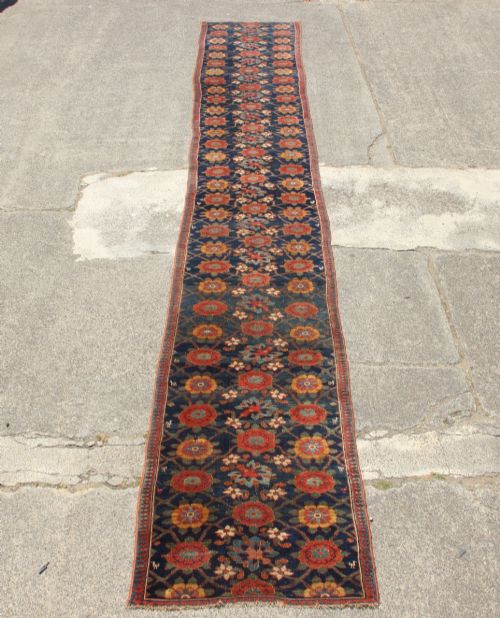
Some runners measure over six metres long, designed specifically to warm echoing historic hallways.
What varies in quality
Knot density dictates the crispness of the design, where tighter packing permits intricate curvilinear floral motifs and precise geometric lines. Tighter construction yields a firmer handle and greater resistance to heavy foot traffic.
The choice of fibre shifts the character of the piece, distinguishing standard wool piles from fine silk carpets that capture sharp detail and reflective sheen. Material consistency and dye saturation determine how evenly the surface ages across the field and borders.
Mohtasham Kashan
The Fine Knotted Oriental Rug Glossary
- Medallion
- A central ornamental motif set into the middle of the carpet field. This design element anchors the surrounding floral or geometric layout.
- Warp
- The stationary vertical threads stretched onto the loom before weaving begins. Weft threads pass across these structural elements to secure the knots.
- Pile
- The upright cut ends of yarn that form the soft surface of the rug. Tightly knotted pile provides durability and holds intricate patterns.
- Runner
- A long, narrow format designed for hallways, corridors or staircases. These pieces often feature repeating geometric medallions or continuous vine scrolls.
- Prayer rug
- A small format featuring a distinct architectural mihrab arch design at one end. Historically utilised to indicate the direction of prayer.
Fine Knotted Oriental Rug: Frequently Asked Questions
How do I clean an antique rug?
Gentle surface brushing and professional specialist washing preserve the natural wool and silk fibres without stripping natural oils.
Avoid harsh chemical detergents and mechanical agitation to maintain the structural integrity of the hand-tied foundation.
Can I place these rugs in heavy traffic areas?
Sturdy wool constructions handle hallway and living room placement comfortably when supported by a proper underlay.
Finer silk carpets suit low-traffic display spaces or bedroom settings to protect the delicate pile from excessive wear.
How do I identify the regional origin?
Specific knotting structures, distinct colour palettes and characteristic border motifs point directly to regional workshops like Tabriz or Heriz.
Examining the weave density on the reverse side reveals the specific tribal or city tradition behind the piece.
What underlay should I use?
A breathable, high-friction natural rubber or felt pad prevents slipping and cushions the foundation against hard flooring.
This layer stops lateral stretching and reduces friction between the wool pile and the floorboards underneath.