

Fine Art Portrait Gentleman
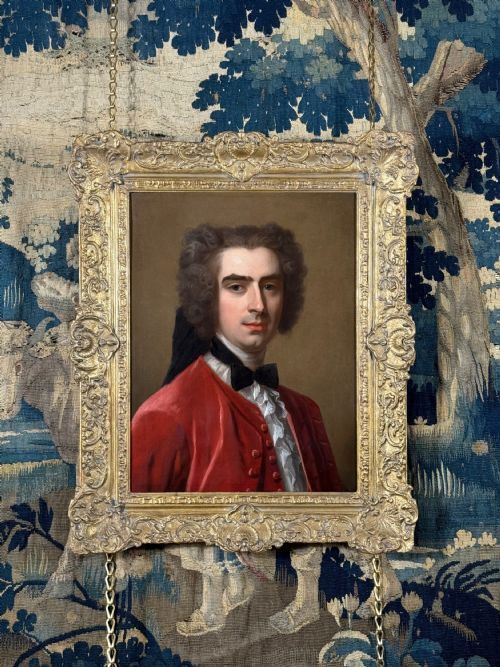
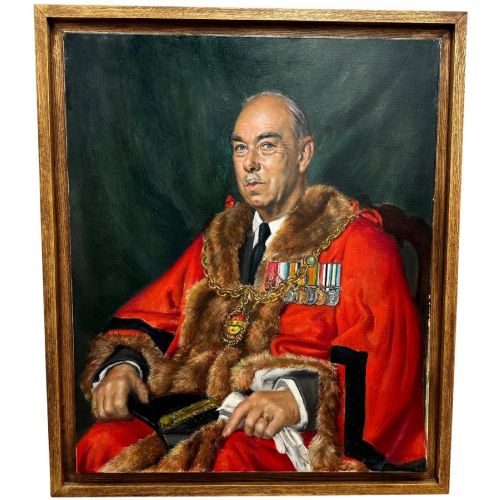
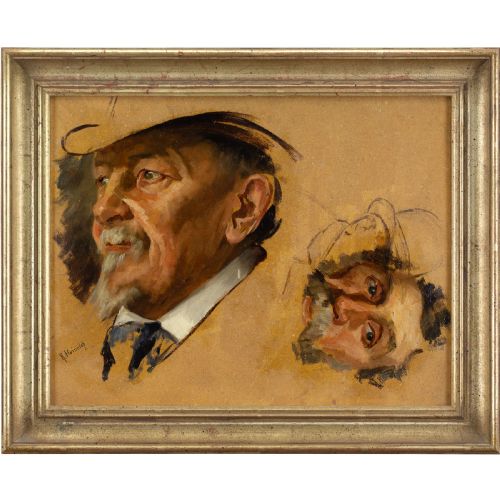
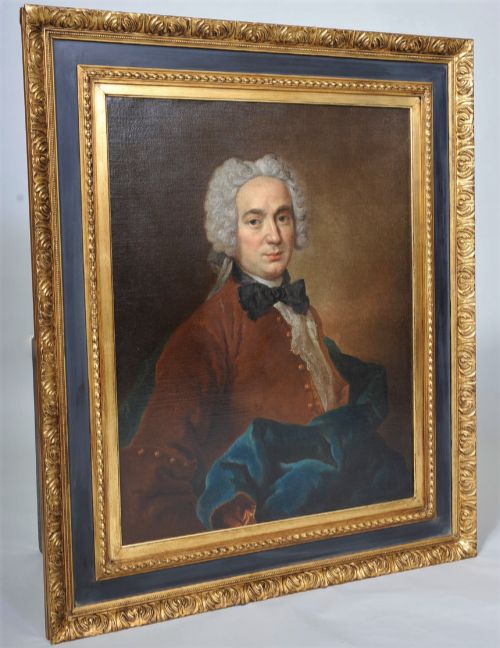
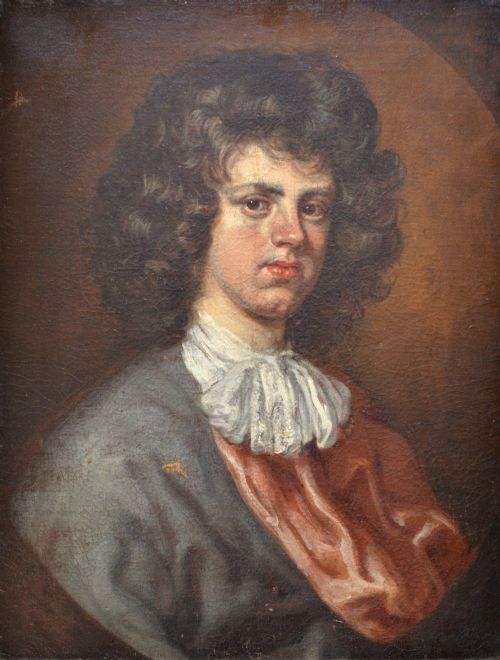
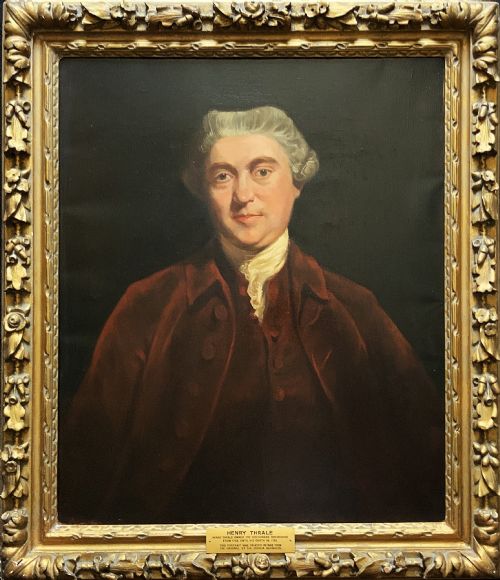
A fine art portrait gentleman captures centuries of character in oil on canvas, offering a direct window into historical lives that anchors any room.
Fine Art Portrait Gentleman
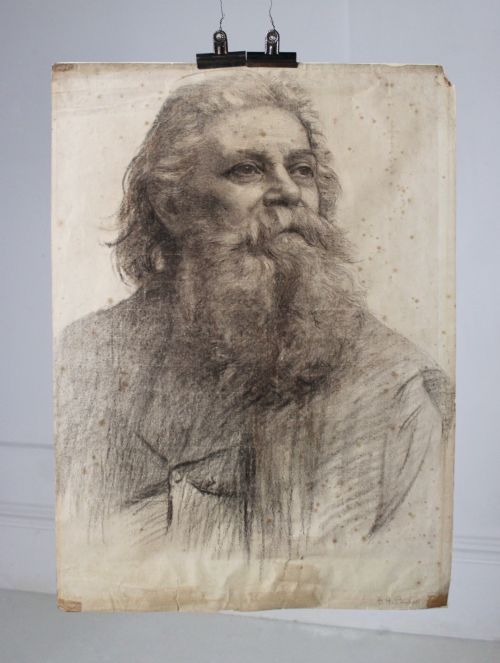
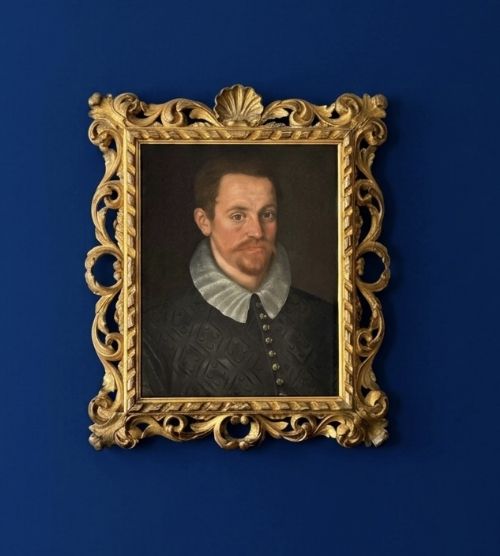
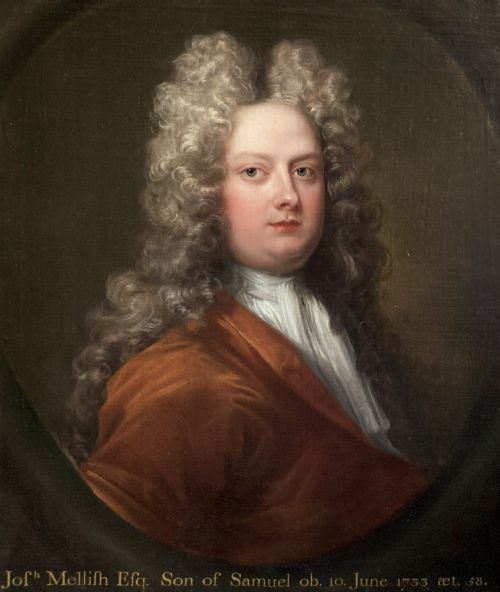
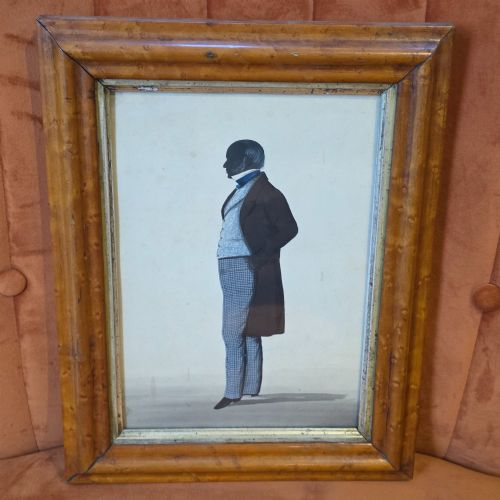
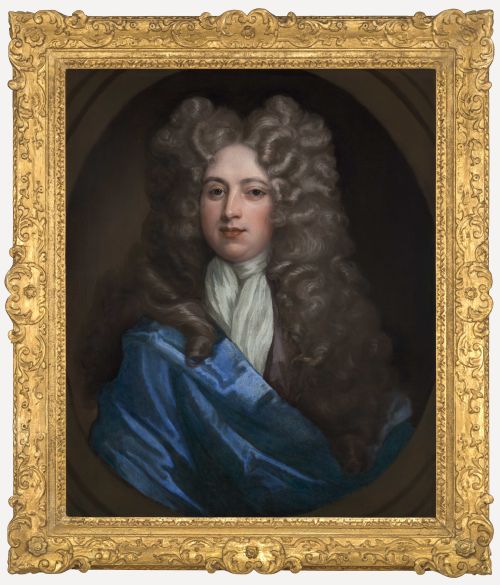
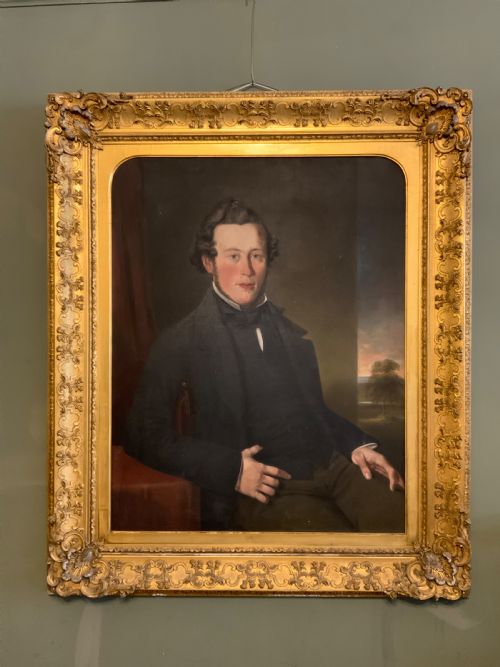
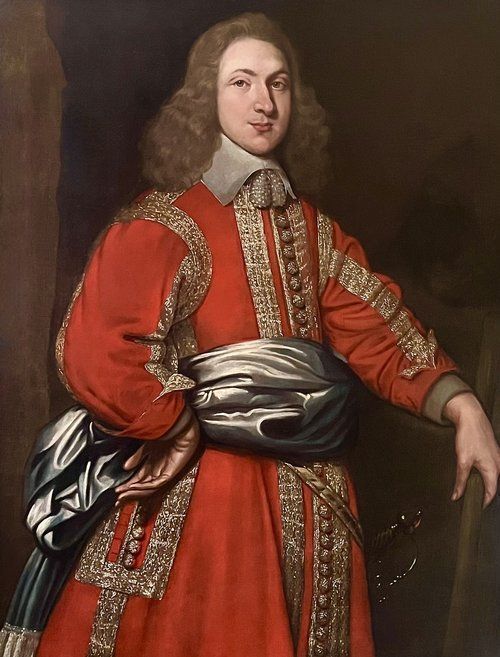
A fine art portrait gentleman represents historical figures, military officers, and notable subjects rendered in traditional painting mediums across multiple centuries. These works span the seventeenth, eighteenth, and nineteenth centuries, capturing sitters in formal attire, armour, or academic robes.
Most examples encountered on this page originate from British, Continental, and Scottish schools, utilising canvas supports and heavy wood frames. The subjects range from named historical figures and landowners to unidentified sitters painted by studio assistants or regional portraitists.
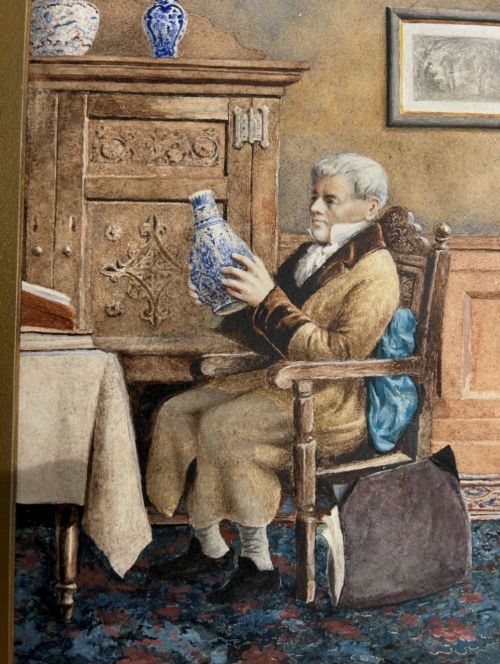
Collectors encounter everything from austere seventeenth-century cavaliers in ruffs to relaxed nineteenth-century depictions with personal objects. The enduring appeal lies in the psychological depth and technical skill preserved within each canvas.
Distinctions in execution and survival
Condition plays a major role, encompassing the stability of the original canvas, the presence of stable craquelure, and the extent of historical retouching. Original frames matching the period of the painting also elevate the integrity of the piece.
The listings span multiple centuries, incorporating seventeenth-century oils in heavy wooden frames alongside eighteenth-century Georgian works and nineteenth-century realism.
Charles Jervas·Jean Baptiste Van Loo·Sir Joshua Reynolds·John Greenhill·Sir William Beechey
The Fine Art Portrait Gentleman Glossary
- Oil on canvas
- Pigments suspended in a drying oil medium applied to a woven fabric support. This combination allowed artists to blend colours smoothly and work across extended periods.
- Giltwood
- Carved wood coated in a thin layer of gold leaf or gold paint. Frames utilising this finish protected the edges of the canvas while adding decorative opulence.
- Craquelure
- A fine network of microscopic cracks in the paint surface caused by the natural ageing of oil films. This phenomenon indicates the genuine age of an older painting.
- Circle of
- A designation indicating the work was produced by an unidentified artist closely associated with a known master. These painters often worked in the same studio or closely imitated the primary master's style.
Fine Art Portrait Gentleman: Frequently Asked Questions
How do I date an antique portrait?
Dating relies heavily on the sitter's clothing, hairstyle, collar style, and the construction methods of the canvas and stretcher frame. Portrait sitters typically wore the height of contemporary fashion, providing a reliable chronological marker.
Additional clues emerge from the stretcher construction, canvas weave, and pigments utilised by the artist. Comparing stylistic elements to documented works by known schools further narrows the period of creation.
What is the difference between circle of and follower of?
Circle of indicates an artist working in close personal proximity to a master, absorbing their direct techniques and studio practices. These painters operated within the immediate orbit of the named figure.
Follower of denotes a later artist working in the general style of a master, often decades after the primary artist's death. This distinction helps clarify the directness of the connection to the named painter.
How should I hang and light an oil portrait?
Oil paintings require stable indoor environments away from direct sunlight, extreme temperature fluctuations, and high humidity. Natural indirect light or dedicated picture lights positioned above the frame showcase the subtle glazes without causing heat damage.
Securing the heavy giltwood frame to wall studs using appropriate hardware ensures structural safety. Allowing adequate space around the canvas lets the piece command the wall effectively.
Why do some portraits feature armorial bearings or books?
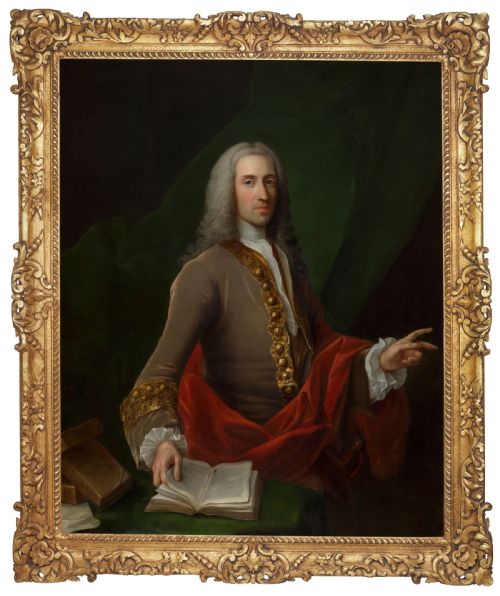
Objects included within a portrait served as status symbols to communicate the sitter's profession, intellect, wealth, or lineage. Books, scientific instruments, and letters indicated education and civic duty.
Armorial bearings or specific clothing elements established the family heritage and military rank of the gentleman. These symbolic inclusions provide modern viewers with a narrative about the sitter's place in society.