



European School Portrait Art
European school portrait art brings together centuries of regional painters capturing aristocratic faces, religious figures, and everyday characters in oils.
European School Portrait Art
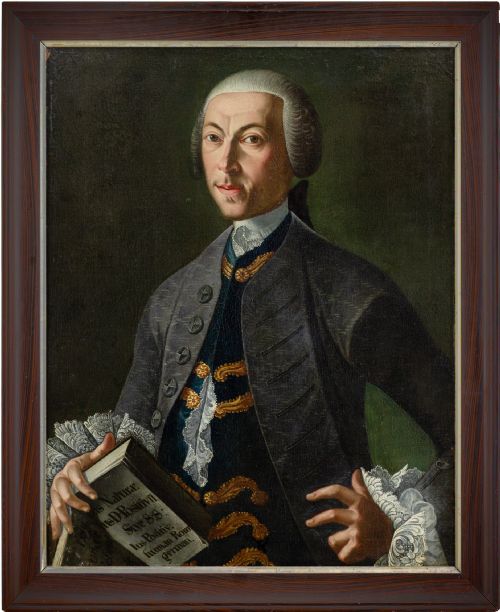
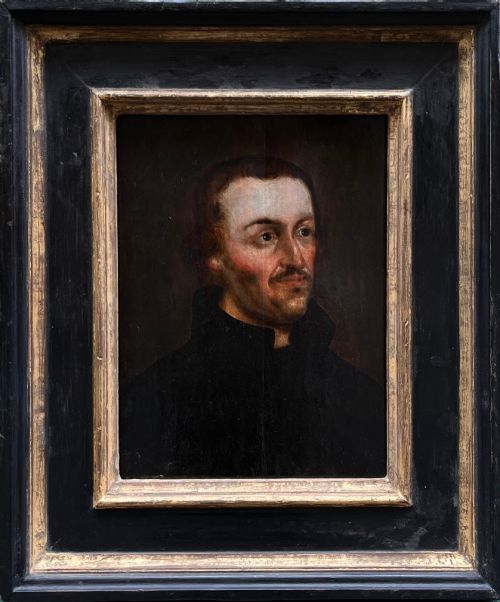
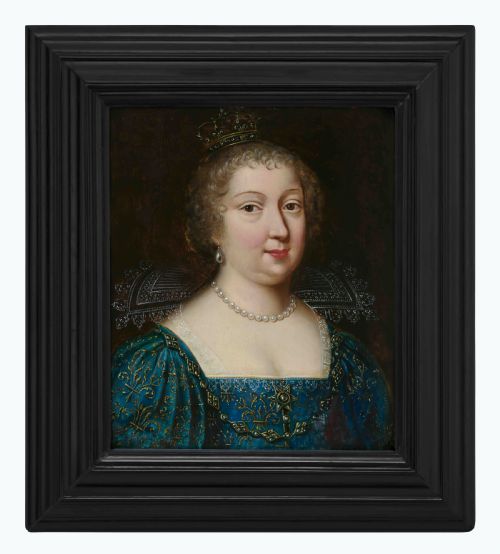
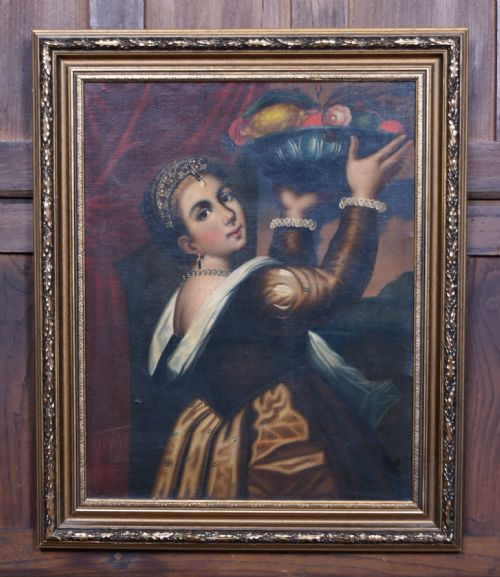
European school portrait art captures historic figures, nobility, and religious subjects across the seventeenth, eighteenth, and nineteenth centuries. These works emerge from distinct regional traditions, including Italian, German, Bavarian, Flemish, and Dutch workshops.
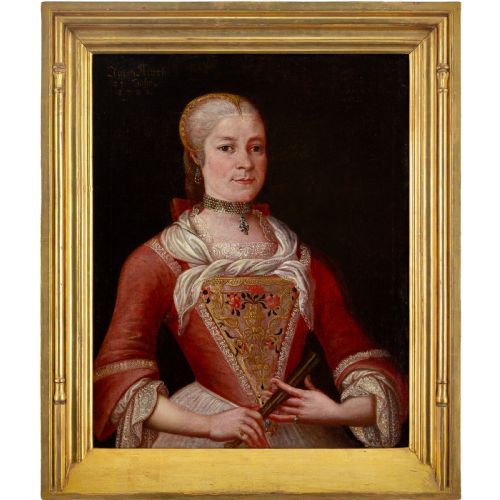
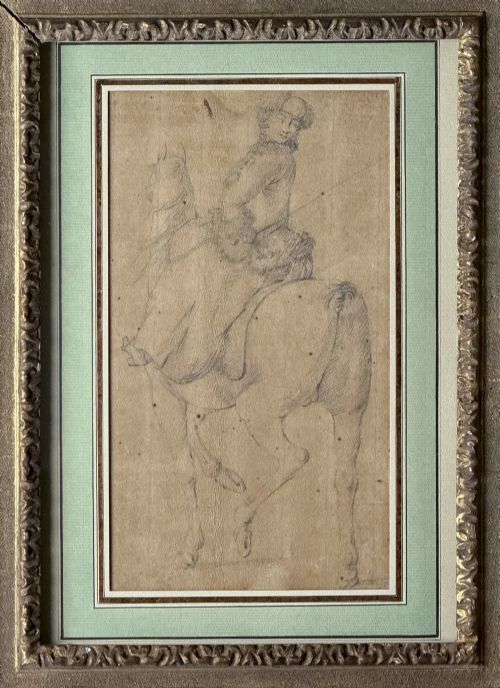
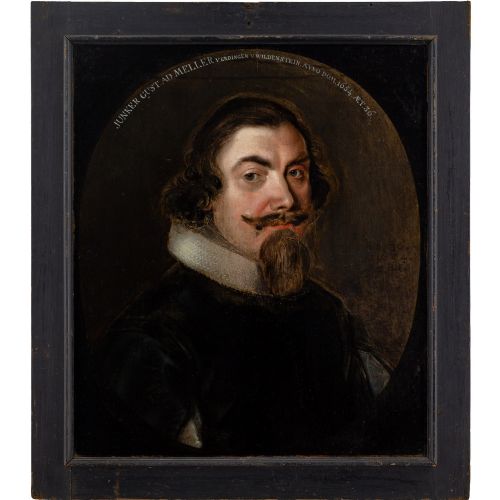
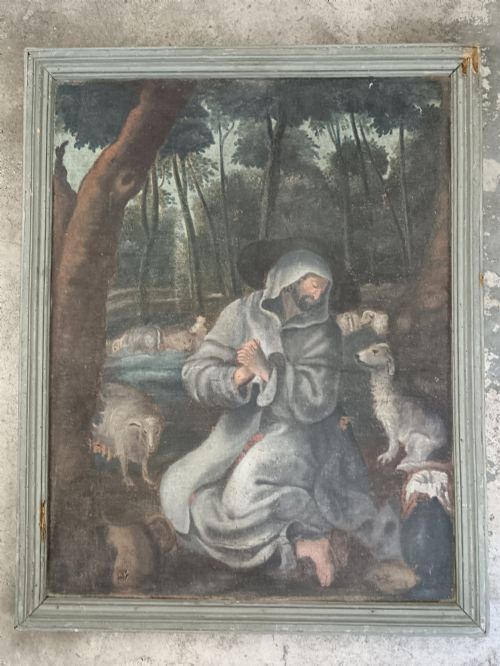
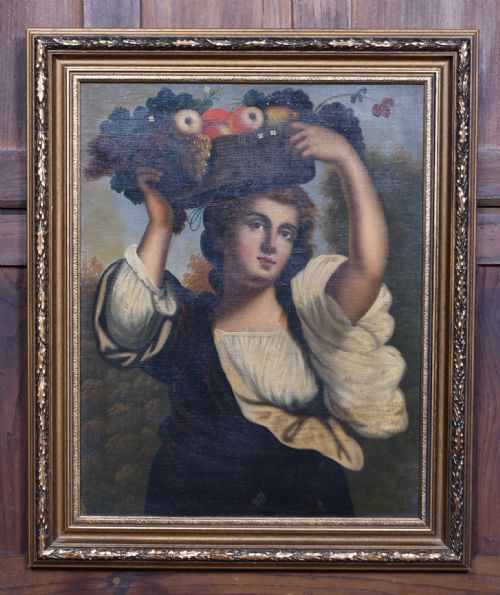
The pieces on this page are predominantly oil paintings executed on canvas or wood panel, alongside occasional framed drawings. Subjects range from named aristocrats and scholars to anonymous ladies, gentlemen, and children.
Regional stylistic traits define these works, moving from seventeenth-century Baroque formality through mid-eighteenth-century portraiture to nineteenth-century interpretations. A buyer encounters everything from austere figures in ruffs to ornate depictions in period frames.
What varies in quality
Quality rests upon the execution of anatomy, facial expression, and the handling of light across fabric and flesh. Finer hands achieve subtle tonal transitions and convincing textures in lace, armour, and hair.
The survival of the original surface and the condition of the ground layer distinguish superior examples. Evidence of pentimenti, where the artist altered composition choices during painting, adds depth to the historic record of a piece.
Several portraits capture subjects staring intently past the viewer, as though perpetually distracted by someone walking into the artist's studio.
Henri and Charles Beaubrun·Luigi Bardi·Johan Horner
The European School Portrait Art Glossary
- European School
- A broad designation for paintings and drawings created by continental artists whose specific individual identity remains unrecorded. It groups works by regional and stylistic commonalities rather than a single academy.
- Oil on Canvas
- A traditional painting medium utilising pigments suspended in drying oils applied to stretched woven fabric. This combination allows for rich blending and enduring flexibility.
- Oil on Panel
- A technique where artists paint directly onto a prepared wooden support rather than fabric. Panel supports provide a rigid surface favoured in earlier centuries.
- Giltwood
- Wood carved and coated with a thin layer of gold leaf or metallic powder, commonly utilised for ornate picture frames. It provides a reflective border that complements the dark tones of historical portraits.
- Pentimento
- An alteration in a painting visible as traces of previous work that the artist painted over. This phenomenon confirms the direct, evolving nature of historic hand-painted canvases.
- Ruff
- A voluminous pleated collar worn in European fashion during the sixteenth and seventeenth centuries. Its detailed rendering often helps date early portraits.
European School Portrait Art: Frequently Asked Questions
What is european school portrait art?
European school portrait art comprises paintings and drawings created across various continental regions from the seventeenth to the nineteenth centuries. These works depict historical individuals, religious figures, and anonymous sitters in oil on canvas or wood.
The designation covers diverse regional styles, from German Baroque to Italian and Flemish traditions. Each piece reflects the aesthetic preferences and painting techniques of its specific geographic origin and period.
How do I identify the period of a portrait?
Period identification relies on the sitter's costume, hair styling, and framing conventions alongside the physical materials of the support. Ruffs, armour, and powdered wigs offer clear chronological markers for seventeenth and eighteenth-century works.
Examining the canvas preparation, stretcher bars, and wood panels provides further clues regarding the date of creation. Stylistic indicators, such as seventeenth-century Baroque drama versus nineteenth-century realism, also guide the assessment.
Were these portraits painted from life?
Many formal portraits were commissioned by patrons and painted from direct sittings in artist workshops. Other works, particularly religious subjects or historical depictions, drew upon established visual traditions or earlier masterworks.
Copies after famous artists, such as Murillo or Raphael, were commonly produced within European workshops for study or broader distribution. The presence of pentimenti often reveals the organic process of composition as the artist worked.
How should I care for an antique oil painting?
Antique oil paintings require stable indoor humidity and protection from direct sunlight to prevent canvas degradation and pigment fading. Dusting should be undertaken gently with a soft, dry brush by someone experienced with historic surfaces.
Avoid using liquid cleaners or chemical solvents on the paint layer or the giltwood frame. Professional conservators should handle any structural repairs or cleaning of darkened varnish layers.