



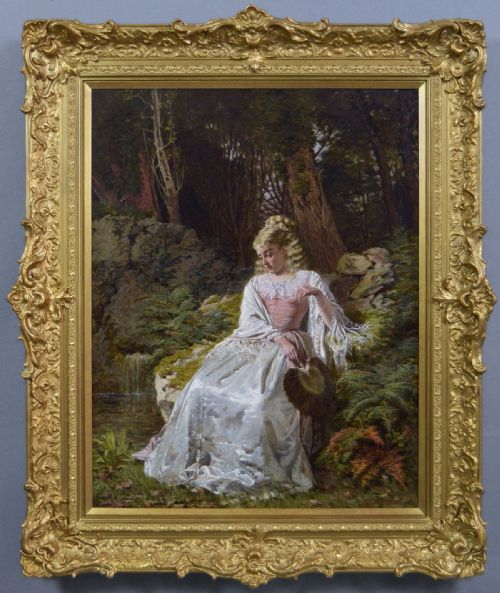

Figured Wood Frame
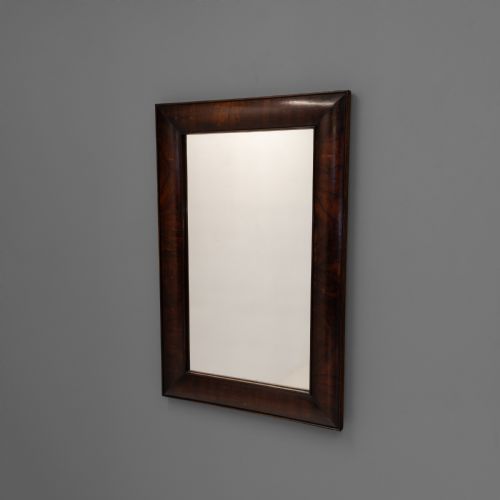
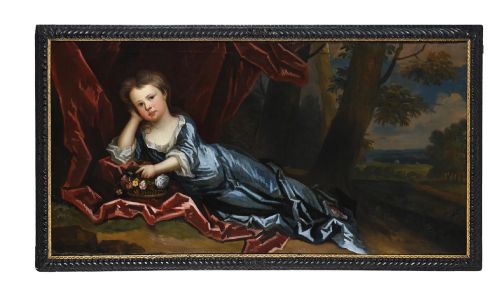
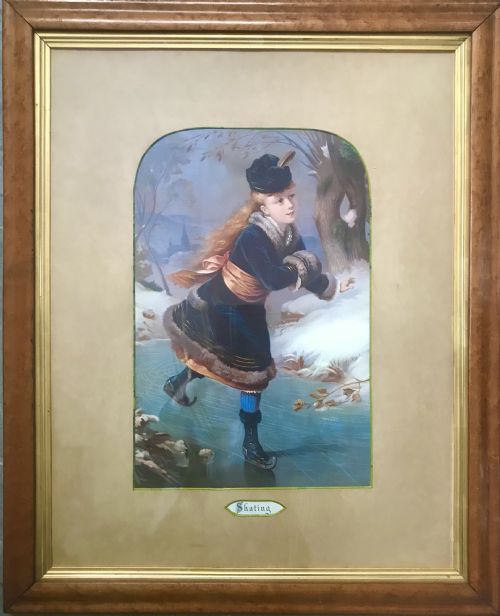
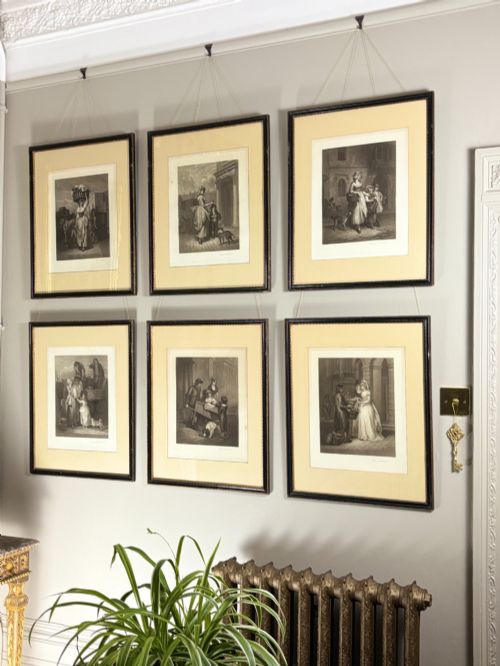
Figured wood frame surrounds oil paintings, prints, and photographs from the seventeenth century to the mid-twentieth century, adding natural timber grain and texture to your walls.
Figured Wood Frame
A figured wood frame provides a distinctive wooden border that encloses portraits, landscapes, and drawings spanning multiple periods from the seventeenth century through to the Art Deco era.
You will most frequently encounter these items encasing oil paintings, charcoal studies, and photographic works created across the nineteenth and twentieth centuries.
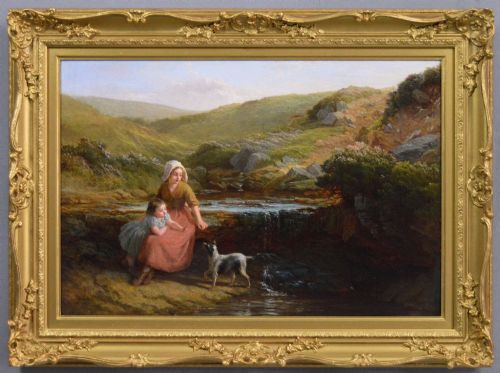
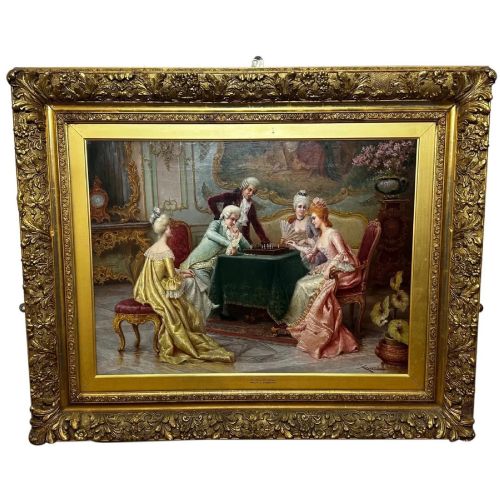
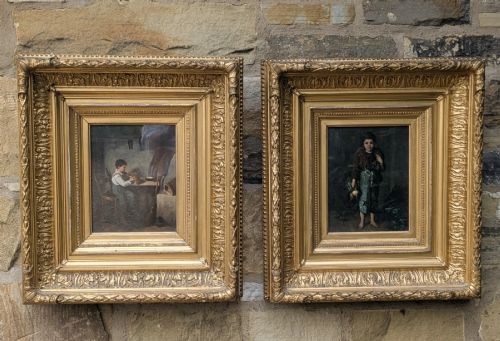
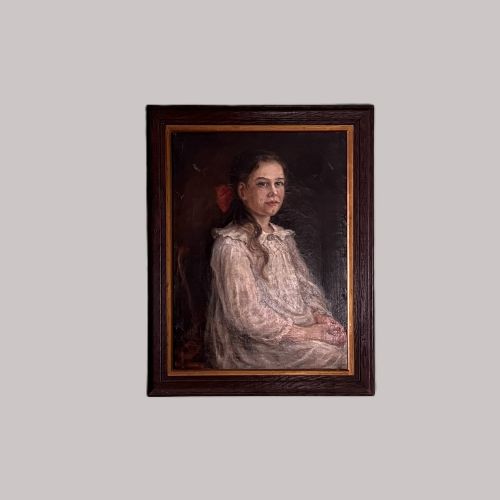
The selections range from Victorian domestic scenes to modern compositions, each housed within timber surrounds that display characteristic grain patterns.
How they were made
Craftsmen utilised various species of timber, shaping the wood to expose natural grain patterns such as satinwood and figured walnut.
Makers combined wood construction with applied decoration, incorporating gilt highlights, carved elements, and glass protection to complete the enclosure.
Figured Wood Frame Retail Price Guide 2026
Typical asking prices for figured wood frame among the pieces listed under this phrase on Sellingantiques today, from the lower quarter to the upper quarter. They describe what is for sale here now, not the wider market.
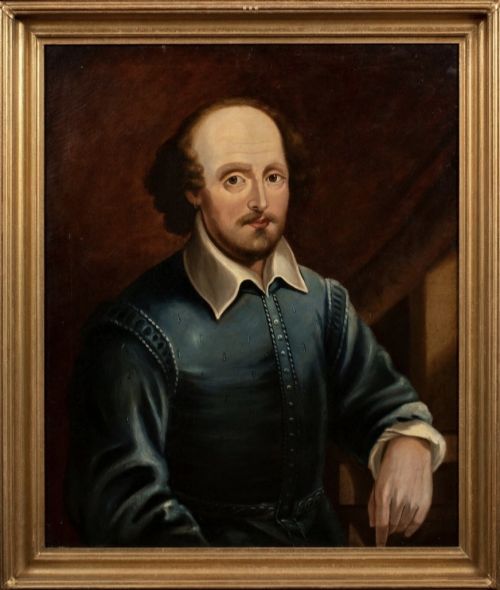
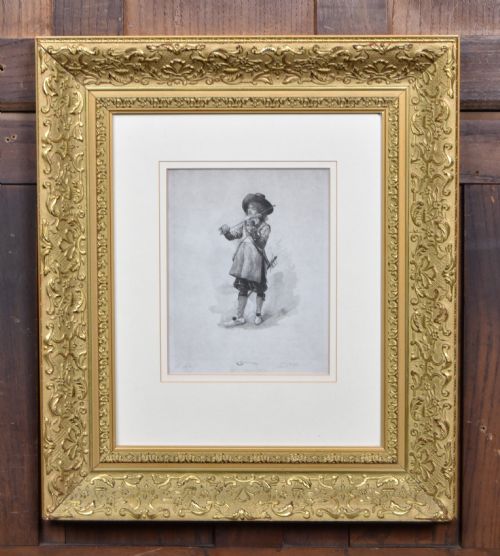
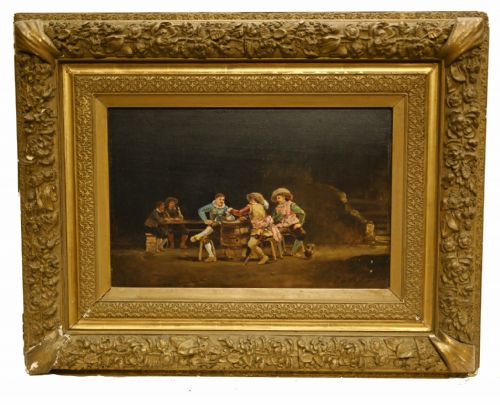
Musketeers, domestic animals, and theatrical playwrights peer out from these timber borders across the centuries.
What varies in quality
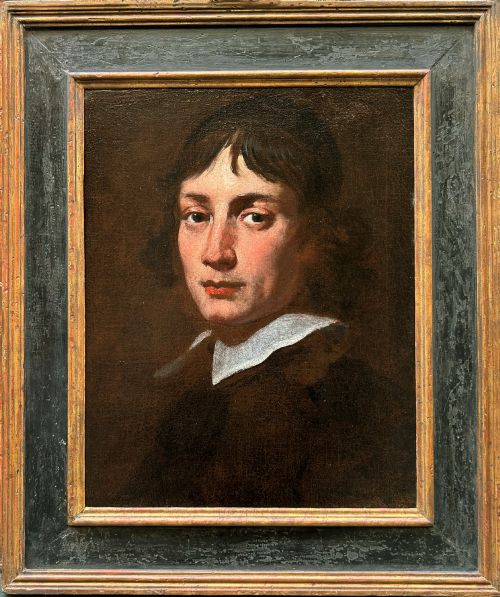
The visual appeal depends on the prominence and depth of the timber grain, with more desirable examples exhibiting striking, highly figured patterns across the wood.
Construction standards differ according to the joinery and the integration of any carved details or gilding alongside the primary wooden support.
Thomas Spinks·Florence Adelina Hess·J De Ninville·Sir Joshua Reynolds·Julian Mandel·Ferdinand Victor Leon Roybet·WILLIAM ETTY·Allan Douglas Davidson·Thomas Edward Roberts·Augustus Edwin John·John A Houston·James Clark·Arthur Hacker·Frank Moss Bennett·Willem Johannes Martens·Kenneth B Malpass·KERSHAW SCHOFIELD
The Figured Wood Frame Glossary
- Figured wood
- Timber possessing an attractive, irregular grain pattern such as curl, fiddleback, or mottle. This natural variation occurs due to anomalous growth within the tree.
- Gilt wood
- Timber surface coated with a thin layer of gold leaf or metallic powder. Artisans applied this technique to highlight specific ornamental details on the frame.
- Oil on panel
- Painting executed on a flat wooden support rather than canvas. This solid base required stable framing to prevent warping over time.
- Mezzotint
- Printmaking technique of the intaglio family allowing half-tones to be produced without line work. It creates subtle gradations of light and shade.
- Chiaroscuro
- Artistic effect combining strong contrast between light and dark. It gives a three-dimensional volume to figures within paintings and portraits.
Figured Wood Frame: Frequently Asked Questions
What periods do these pieces represent?
The inventory encompasses items originating from the seventeenth century onward, including seventeenth-century Dutch landscapes and eighteenth-century illustrations.
Later examples extend through the Victorian era, the 1920s, and into the mid-twentieth century.
What materials make up these objects?
Primary construction relies on wood, frequently featuring figured grains like satinwood and walnut alongside gilt accents.
Works housed within these surrounds incorporate paper, canvas, glass, oil paint, pastels, and pencil media.
How do I hang a heavy wooden frame?
Ensure your wall fixings are anchored securely into brickwork or sturdy wall studs to support the combined weight of the timber and glass.
Utilise appropriate picture wire and heavy-duty hooks rated for the specific mass of the artwork.
How do I care for figured wood surrounds?
Maintain the timber by dusting gently with a dry, soft cloth to prevent accumulation within the grain patterns.
Keep the items away from direct sunlight and fluctuating humidity to protect both the wood and the enclosed artwork.