


Figured Walnut Storage Chest
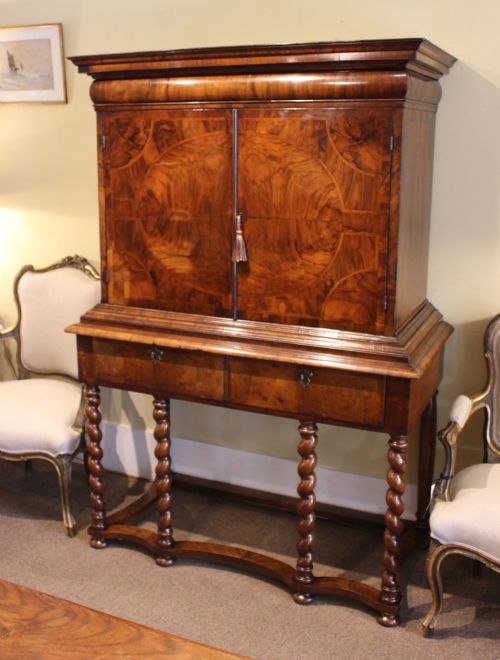
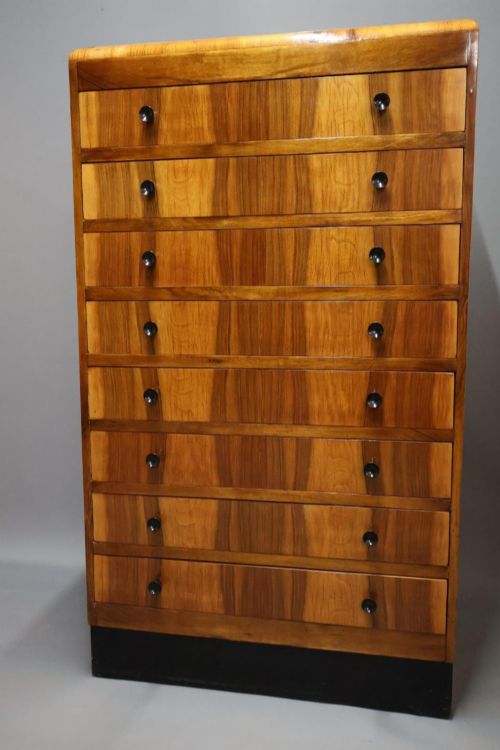
A figured walnut storage chest brings dramatic grain patterns and practical depth into a room, spanning centuries of cabinet-making traditions from the early eighteenth century onward.
Figured Walnut Storage Chest
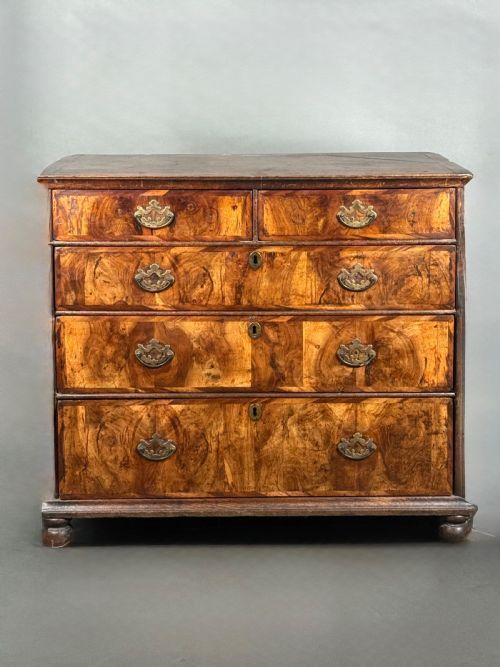
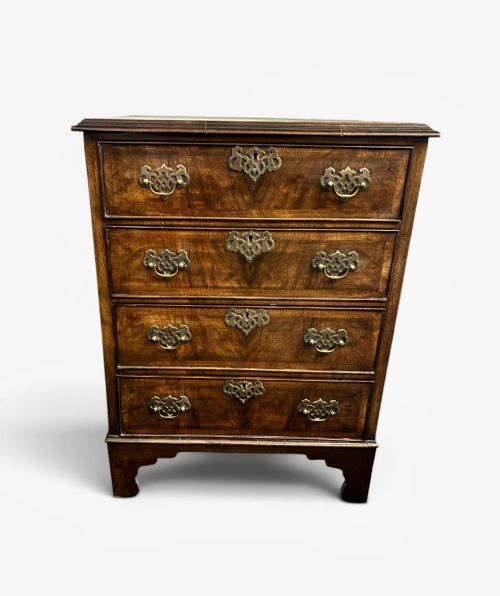
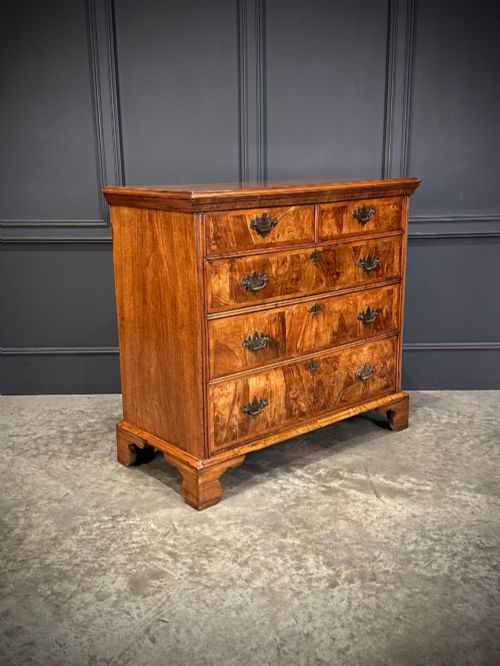
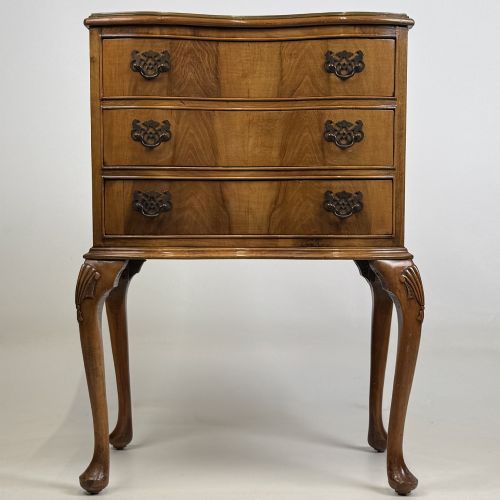
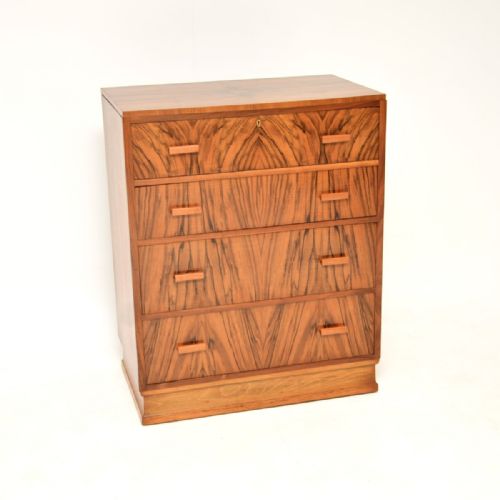
A figured walnut storage chest encompasses standard chests of drawers, taller cabinet formats, and sophisticated chests on stands designed to hold garments and valuables. When searching for a figured walnut storage chest, buyers encounter pieces ranging from compact eighteenth-century examples to streamlined Art Deco designs and twentieth-century revivals.
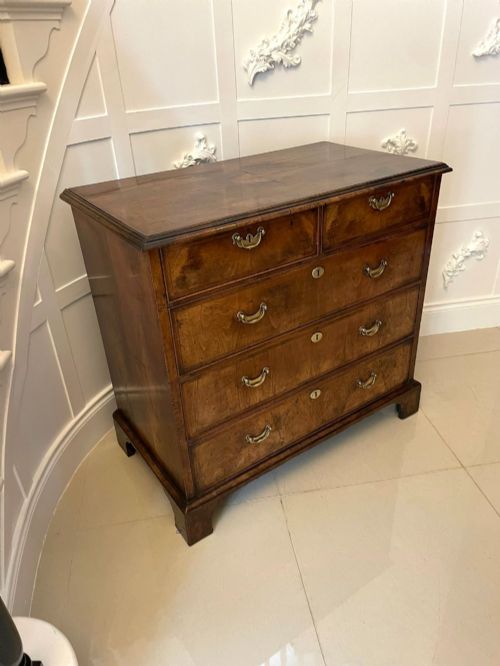
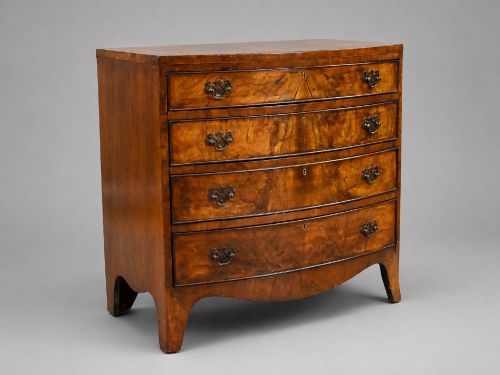
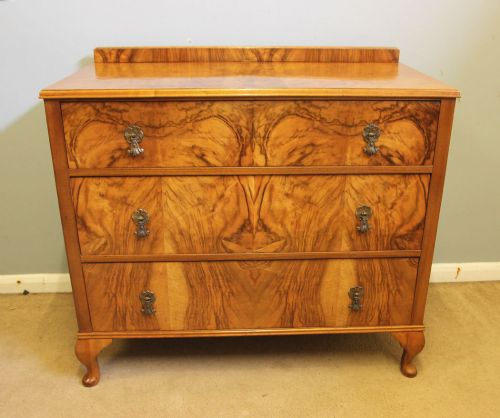
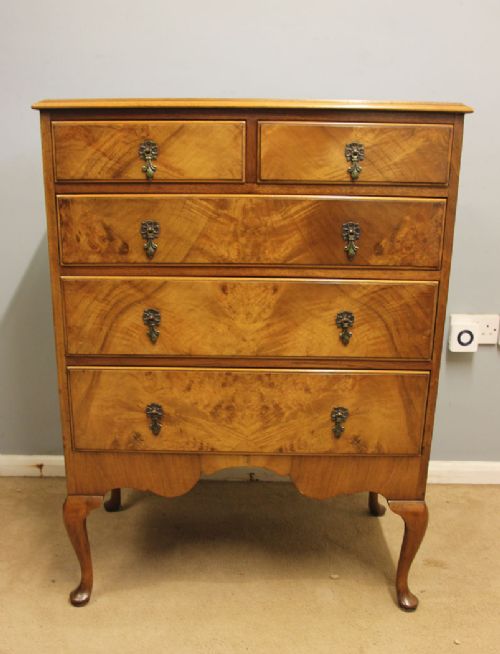
The material displays distinct grain configurations, utilising figured walnut, burr walnut, and walnut veneer over supportive timbers like oak and pine. Formats extend across multiple periods, including Queen Anne, Georgian, Victorian, and Edwardian eras, often featuring brass hardware.
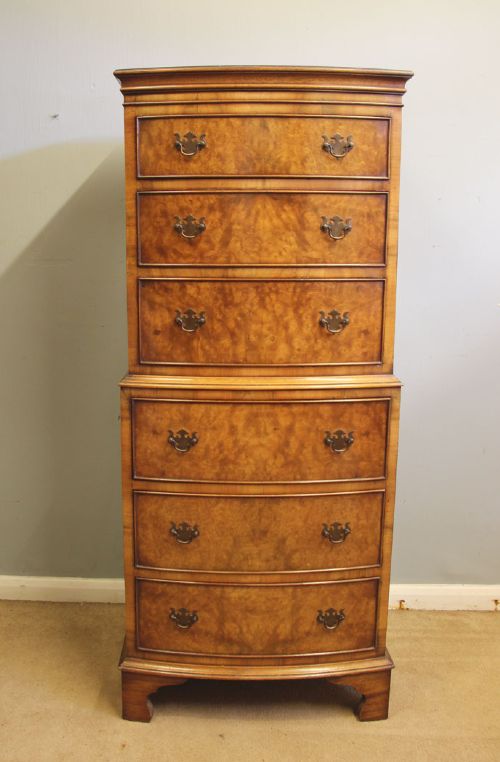
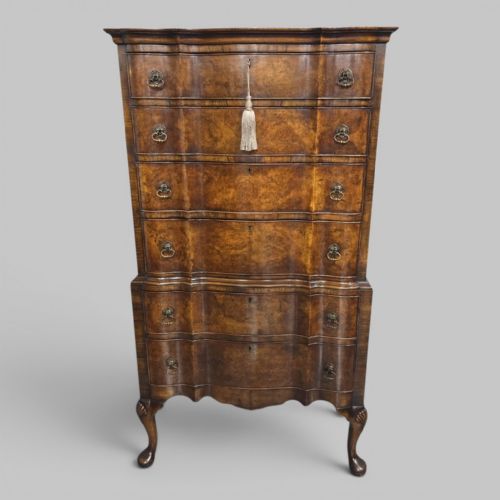
Examples frequently appear as bow fronts, tallboys, or miniature chests of drawers, reflecting diverse historical functions from full-scale bedroom storage to compact side pieces. The persistent use of walnut across these distinct eras highlights a continuous appreciation for its rich visual texture in domestic furniture.
What varies in quality
Quality in these pieces rests primarily on the selection and matching of the walnut veneer across the primary surfaces. Superior examples demonstrate continuous grain patterns across multiple drawers, showing intentional planning by the original cabinet maker.
The integrity of the underlying structure, whether oak or pine, and the subtlety of the proportions dictate the standing of an individual chest. Later alterations, such as stands added to earlier bodies, change the historical cohesion of the piece and influence how a purist evaluates the item.
Apprentice chests allowed young woodworkers to demonstrate their mastery of dovetails and veneering by building tiny, perfectly proportioned storage units.
Heal's·Gillows of Lancaster
The Figured Walnut Storage Chest Glossary
- Figured walnut
- Timber exhibiting wavy, mottled, or highly patterned grain configurations deliberately selected for decorative furniture surfaces. This creates the striking visual movement characteristic of better storage pieces.
- Burr walnut
- Wood harvested from the growths or burls on walnut trees, yielding dense, swirling patterns. It appears frequently on high-status drawer fronts and cabinet doors.
- Chest on chest
- A tall storage unit comprising two distinct sections, with a smaller chest stacked directly upon a wider base chest. This form maximises vertical storage capacity while maintaining classical proportions.
- Tallboy
- A tall, vertical chest of drawers, often combining a wardrobe element or multiple smaller drawers above deeper compartments. The form became particularly popular during the eighteenth century and saw revivals in later decades.
- Wellington chest
- A tall, narrow chest of drawers secured by a hinged locking side pilaster bar that fastens over the drawer edges. It originated in the nineteenth century for secure document storage.
Figured Walnut Storage Chest: Frequently Asked Questions
What periods do these chests come from?
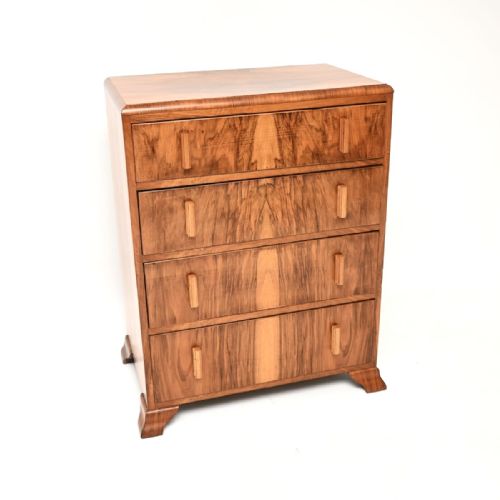
The listings span from the seventeenth and eighteenth centuries, through the Victorian and Edwardian eras, into twentieth-century Art Deco and 1940s production.
Earlier examples often align with Queen Anne and George I styles, while later decades introduce streamlined geometric forms and different handle designs.
How do I care for figured walnut furniture?
Protect the veneered surfaces by keeping the chest away from direct sunlight and maintaining steady indoor humidity levels. Sudden environmental changes can affect the underlying timbers and the adhesive beneath the walnut veneer.
Apply gentle beeswax polishes sparingly and buff with a soft cloth to maintain the natural sheen of the wood without building up heavy residues.
What is the difference between a tallboy and a standard chest?
A standard chest of drawers provides waist-height storage with a flat top surface suitable for decorative objects or a mirror. A tallboy builds upward, stacking significantly more drawer capacity into a narrower vertical footprint.
Tallboys often incorporate specialised locking mechanisms or distinct architectural cornices at the top edge.
Are these chests suitable for modern bedrooms?
Their diverse forms, ranging from compact Edwardian and Victorian pieces to sleek Art Deco designs, allow them to function effectively in contemporary interiors. The deep drawers offer practical hidden storage for clothing and linens.
Mixing these historical walnut textures with modern surroundings adds depth and warmth to a room scheme.