
Walnut Dresser Cabinet
A walnut dresser cabinet brings rich timber grain and practical storage into a room, spanning formal Georgian designs to striking Art Deco forms.
Walnut Dresser Cabinet
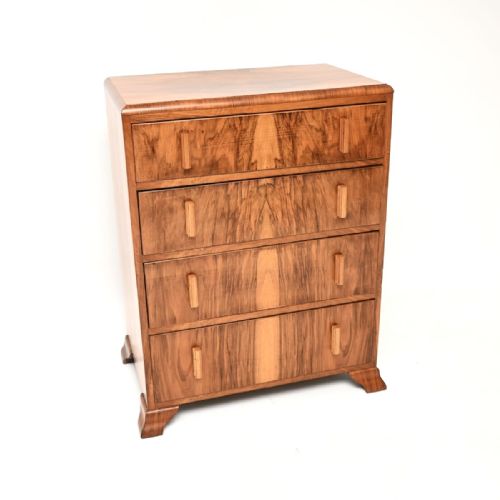
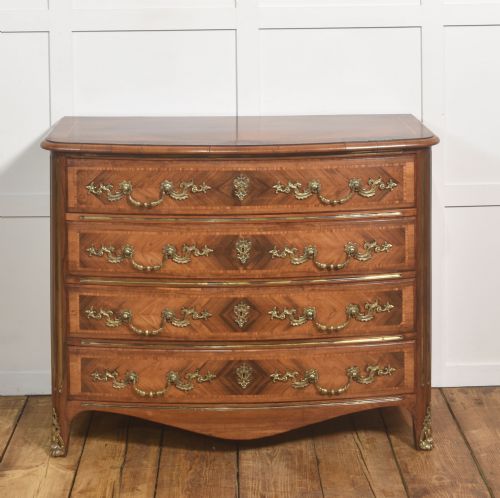
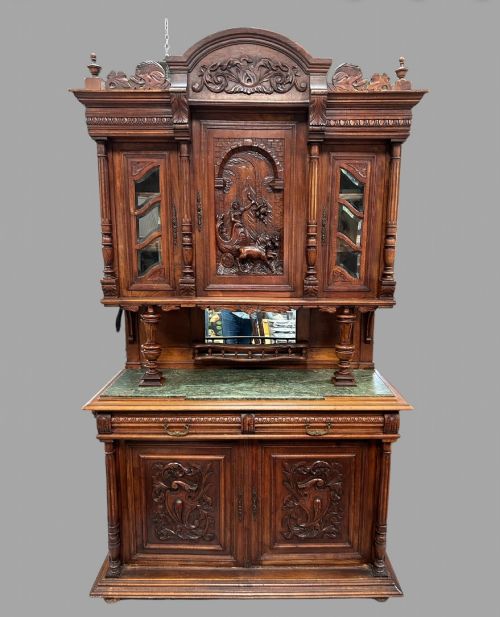
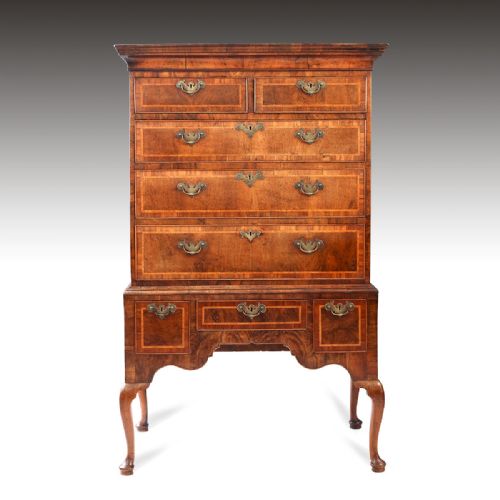
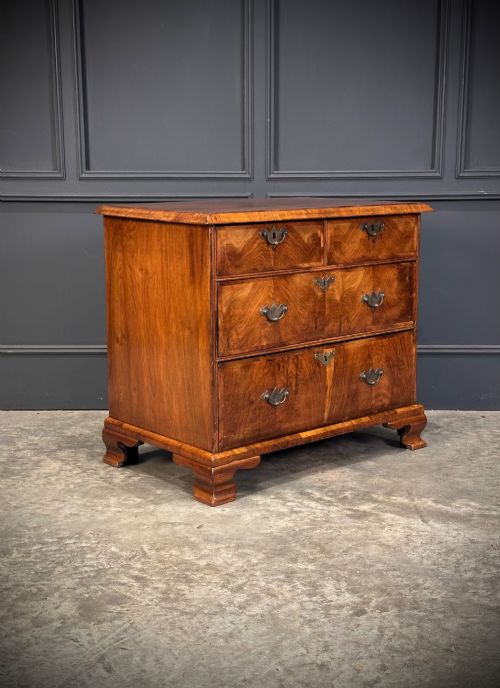
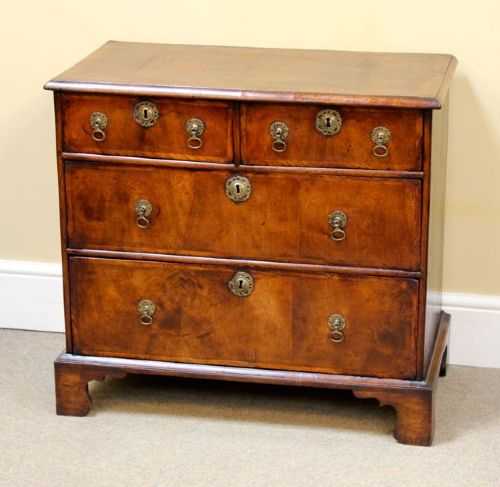
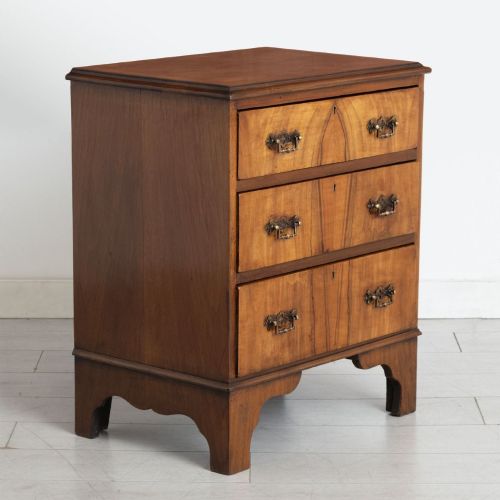
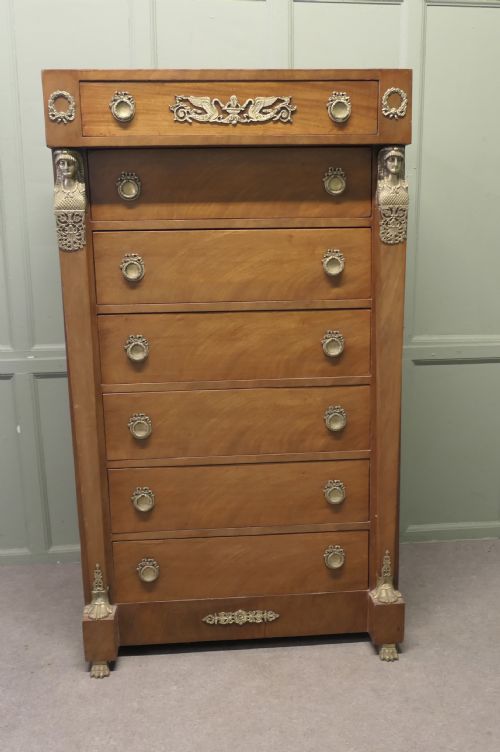
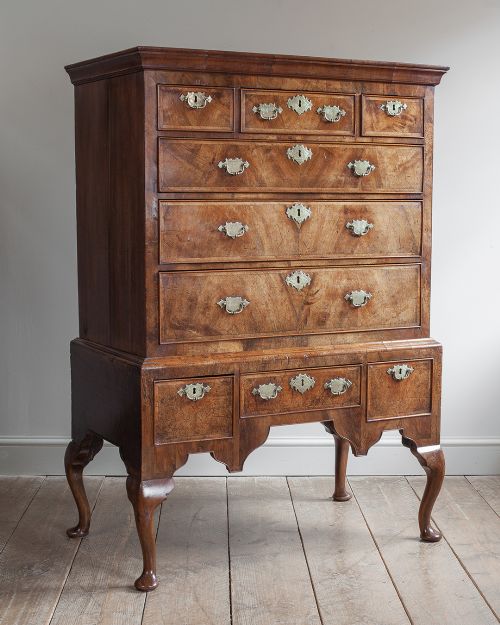
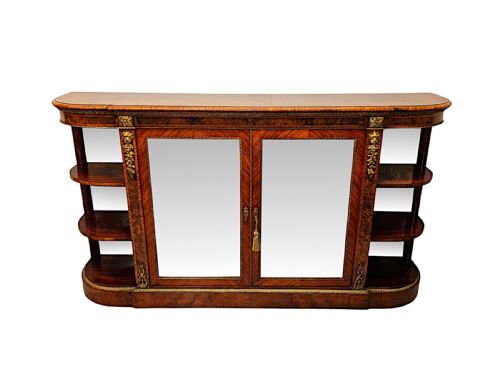
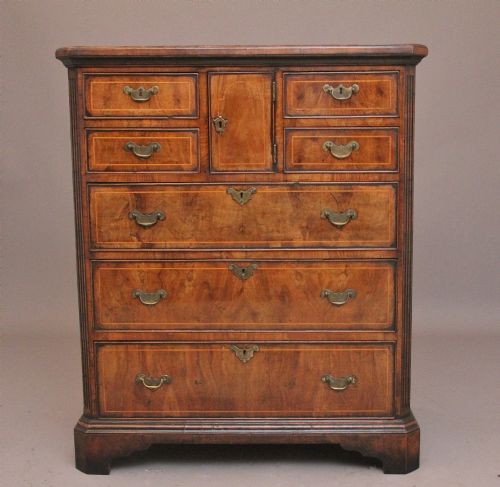
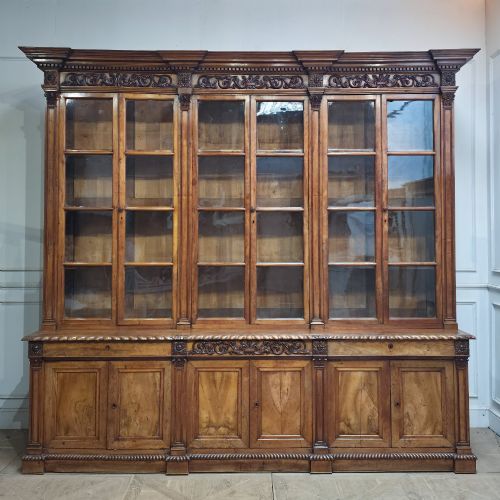
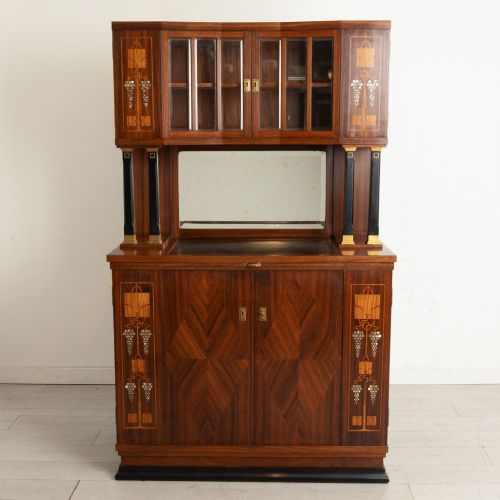
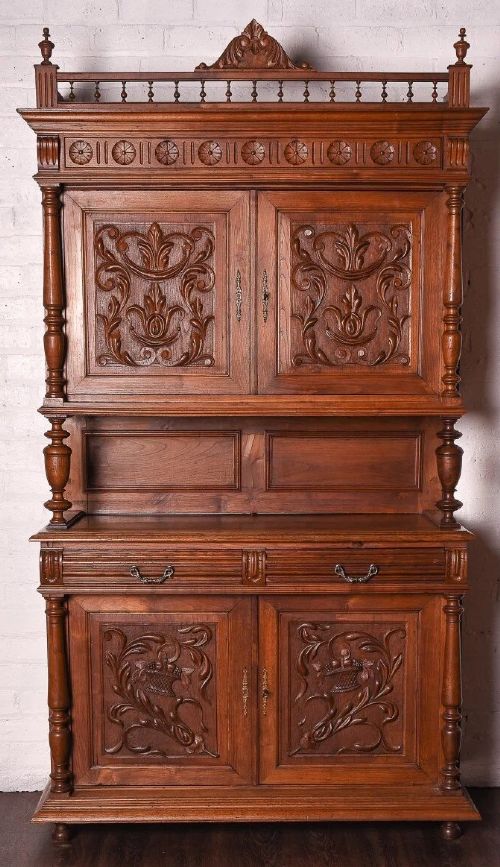
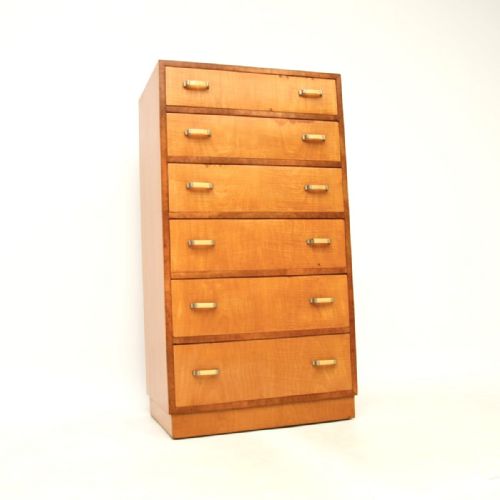
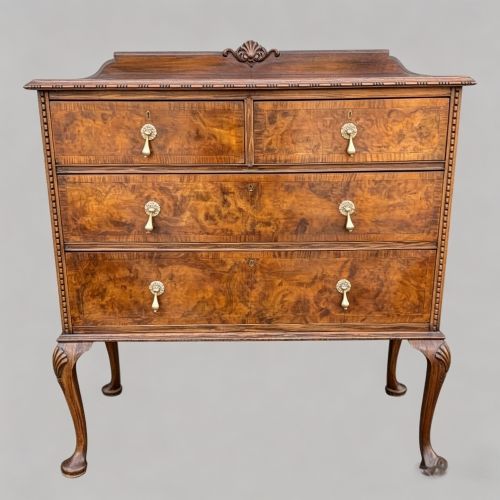
When you search for a walnut dresser cabinet, you encounter a varied group of storage furniture that bridges traditional kitchen dressers, display cabinets, and multi-drawer chests. The examples on this page range from early eighteenth-century chests on stands to late nineteenth-century sideboards and nineteen-thirties art deco chests.
The most common forms you meet include chests of drawers, glazed display cabinets, and tall buffets that combine shelving with enclosed lower cupboards. These pieces originate from English, French, Austrian, and Italian workshops, utilising native and continental timbers across several distinct historical periods.
Makers often adapted these cabinets for specific domestic tasks, resulting in hybrid forms that served as kitchen dressers, bookcase tops, and salon sideboards. The combination of timber shelving, glass doors, and deep drawers gives each piece a distinct architectural presence.
How they were made
Cabinet makers relied upon solid walnut and delicate walnut veneers applied to secondary woods such as oak and pine. Craftsmen selected burr walnut for its complex, swirling grain patterns, cutting thin slices to veneer across drawer fronts and flat panel surfaces.
Construction techniques evolved from seventeenth-century joined frameworks to eighteenth-century carcases built with dovetail joints for drawer construction. Workshops integrated brass hardware, marble tops, and cast ormolu mounts to finish formal display pieces and commodes.
Marquetry decoration involved cutting floral or geometric motifs from contrasting woods, while polishers finished the timber surfaces with traditional shellac French polish to enhance the natural figure of the walnut.
Several cabinets show dedicated compartments designed strictly for storing game birds and hunting supplies in country houses.
What varies in quality
Quality rests upon the selection and matching of the timber veneers across the facade, where superior workshops aligned grain patterns symmetrically. The crispness of hand-cut dovetails and the weight of cast brass handles also separate standard utility pieces from high-status commissions.
Proportions dictate visual success, with finer cabinets displaying balanced drawer heights, slender proportions, and harmonious hardware placement. The integration of secondary materials like imported marble tops or finely chased ormolu mounts points to the ambition of the original maker.
Gillows·August Ungethüm
The Walnut Dresser Cabinet Glossary
- Burr walnut
- Timber taken from the irregular growths on a walnut tree, yielding a highly figured, swirling grain pattern prized for decorative veneering. Cabinet makers used these intricate sections on primary display surfaces.
- Ormolu
- Gilded bronze mounts applied to furniture for decorative enrichment, common on French revival and nineteenth-century pieces. These metal accents highlight corners, keyhole escutcheons, and feet.
- Marquetry
- Inlaid patterns formed by fitting contrasting veneer woods into a prepared ground to create pictures or geometric designs. This technique appeared frequently on continental commodes and cabinets.
- Chest on stand
- A tall drawer section raised on a separate frame with legs, typical of late seventeenth and early eighteenth-century English furniture. This form elevated storage off the floor for easier access.
- Commode
- A low French cabinet fitted with drawers or doors, often finished with a marble top. These pieces functioned as decorative storage units in formal rooms.
Walnut Dresser Cabinet: Frequently Asked Questions
How do I date a walnut cabinet?
Dating relies upon examining construction methods, timber choices, and secondary woods like oak or pine used inside the carcase. Early pieces feature hand-cut dovetails and solid timber panels, while later revivals adopt machine-cut elements and distinct historical revival styling.
Hardware styles, locking mechanisms, and the presence of walnut veneer types also help place a piece within its correct eighteenth, nineteenth, or twentieth-century period.
Where were these cabinets used?
Original locations ranged from formal Georgian dining rooms and parlours to continental kitchens and grand nineteenth-century libraries. Display versions housed porcelain and books, while drawer-heavy variants stored linens and clothing.
Sideboard and dresser formats served dining spaces for serving food and storing tableware, adapting to the domestic habits of each successive century.
How do I care for walnut furniture?
Protect antique walnut surfaces by keeping pieces away from direct sunlight and maintaining stable indoor humidity to prevent veneer lifting. Regular dusting with a soft, dry cloth maintains the finish without introducing moisture.
Avoid silicone-based polishes, which can penetrate old polished surfaces and damage the timber over time.
What is the difference between a dresser and a cabinet?
Traditional dressers typically combine lower storage cupboards or drawers with open upper shelving for display, originating largely from kitchen and dining environments. Cabinets are generally enclosed structures featuring doors, glass panels, or stacks of drawers designed for general storage.
Many antique examples blur these distinctions by incorporating glazed display doors above drawer bases.