
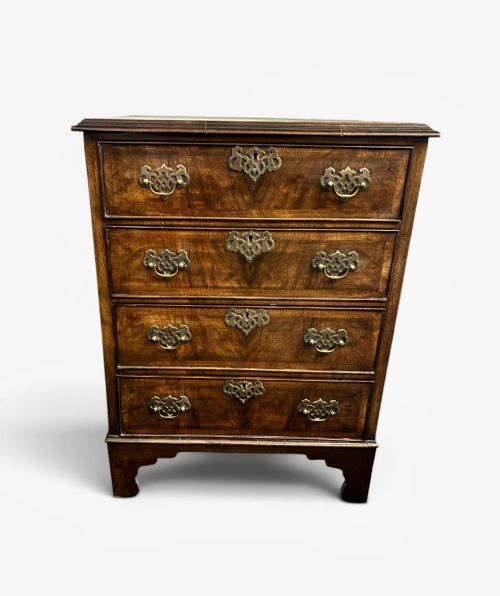
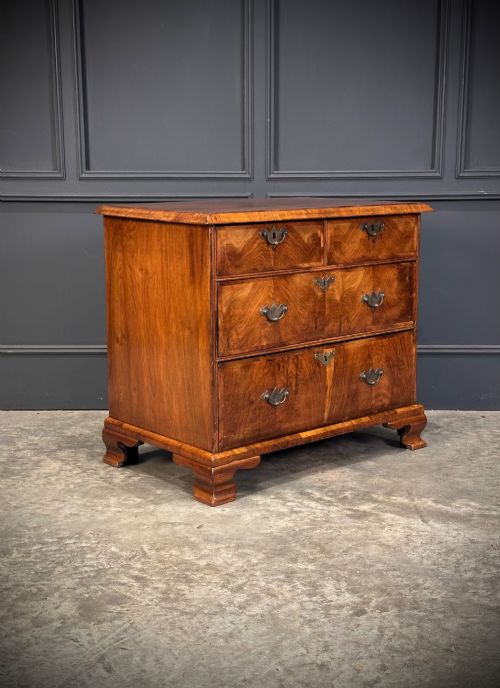
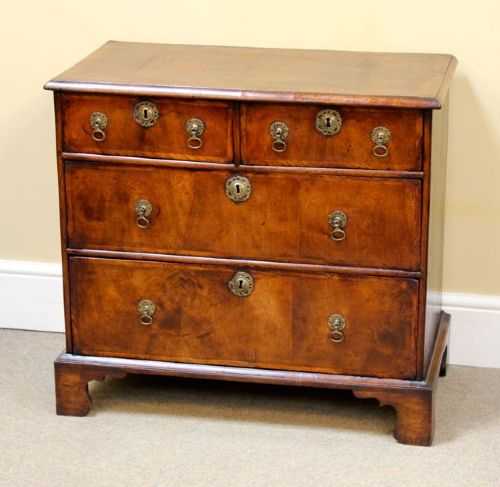
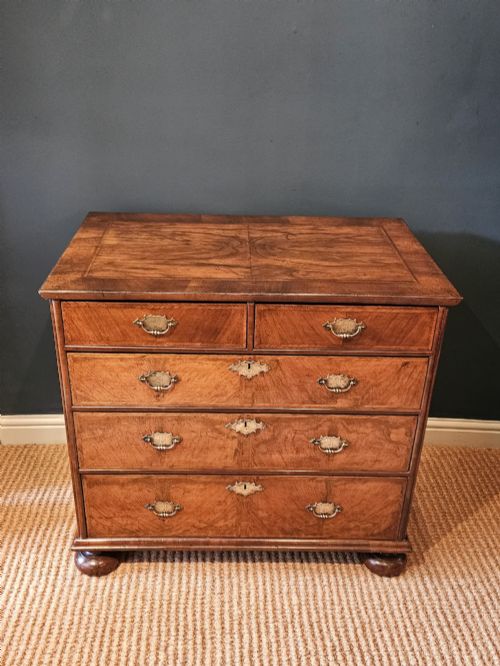
Georgian Walnut Storage Drawers
Georgian walnut storage drawers bring warmth and history to an interior, offering practical storage through timber figured with deep grain.
Georgian Walnut Storage Drawers
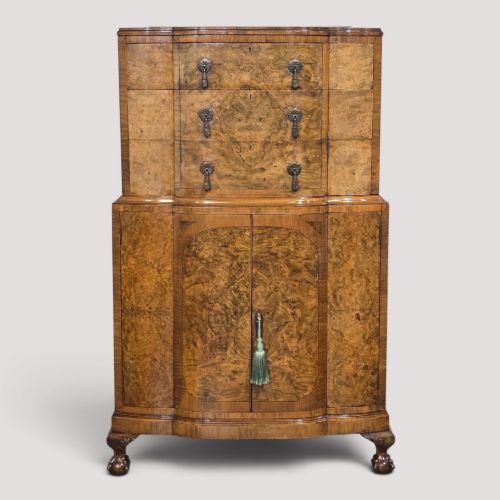
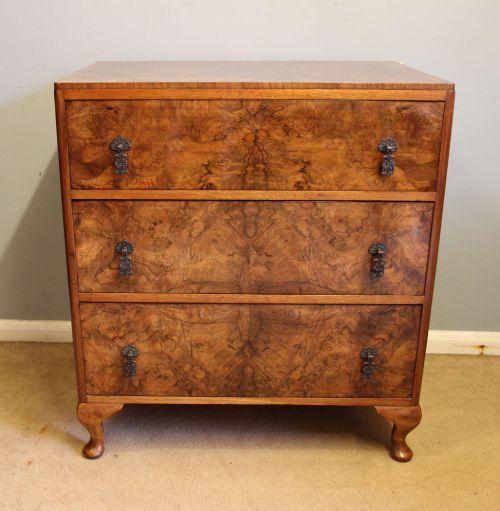
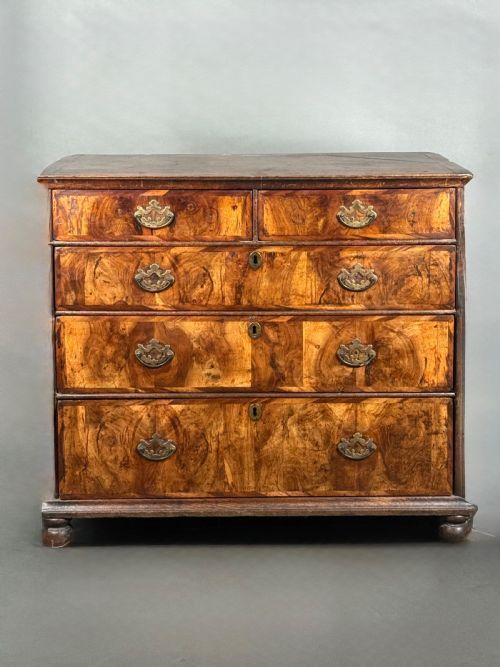
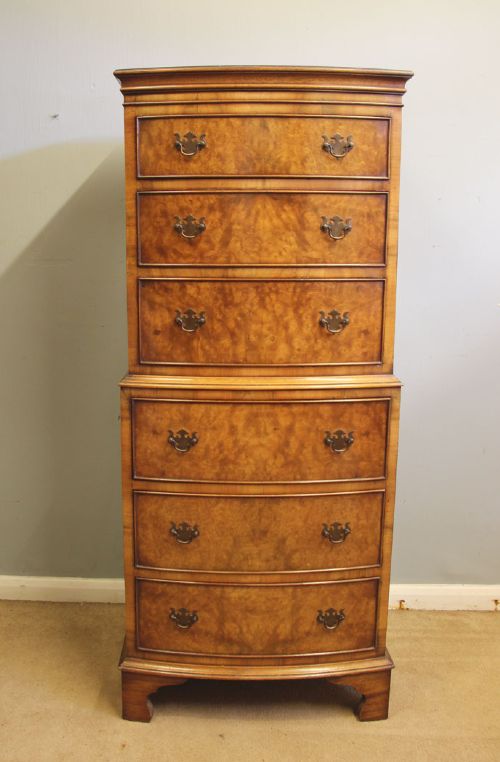
When you search for georgian walnut storage drawers, you encounter timber furniture designed for domestic storage across several centuries. The selection spans authentic 18th-century examples alongside later revival interpretations from the early 20th century.
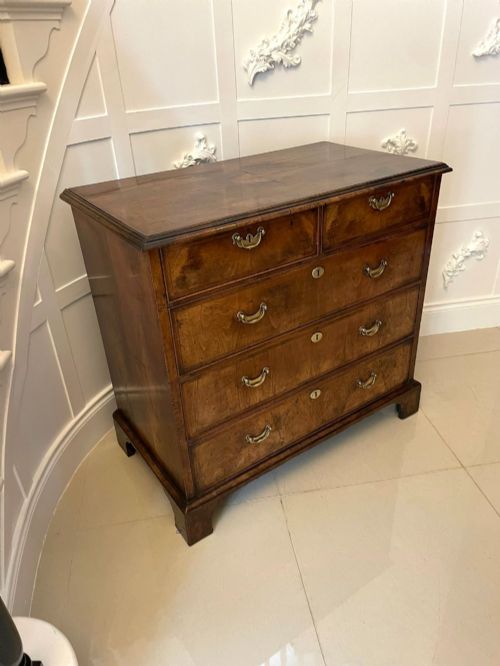
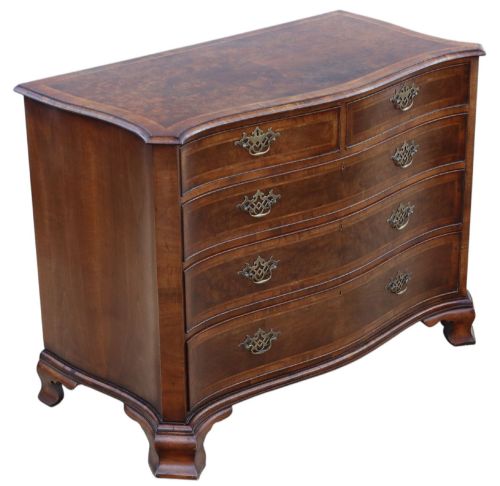
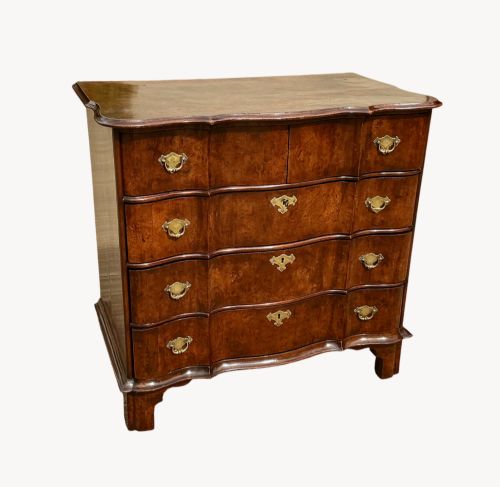
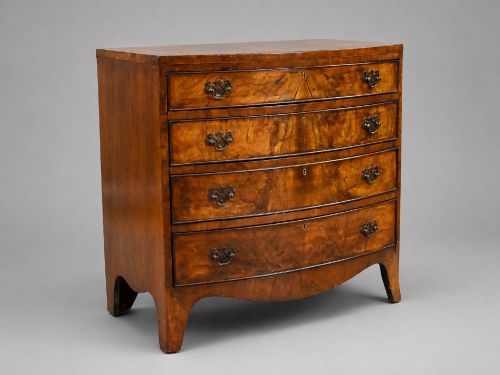
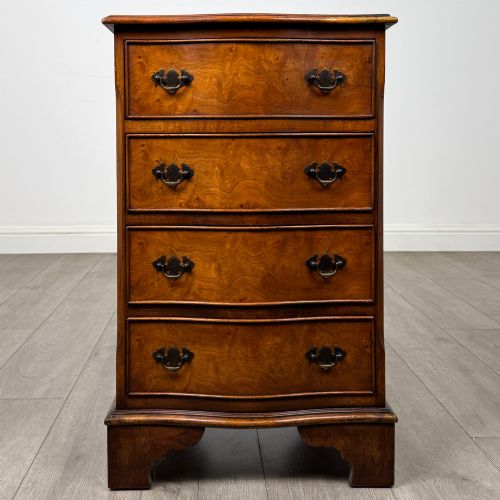
The primary forms take shape as chests of drawers, tallboys, chests on chests, and dressing chests. You meet both straightforward rectangular carcases and bow front or serpentine shapes.
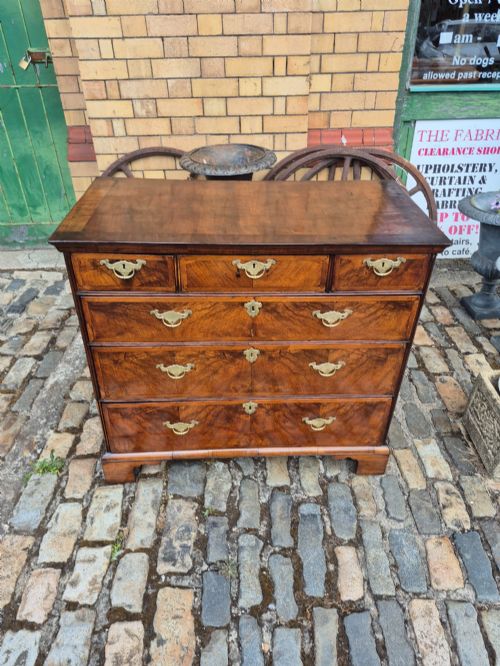
Origins divide between genuine Georgian production from the 18th century and later revivals from the Edwardian period and the 1920s and 1930s. The 18th-century examples share floor space with pieces built in the Queen Anne and George I styles.
Materials and construction
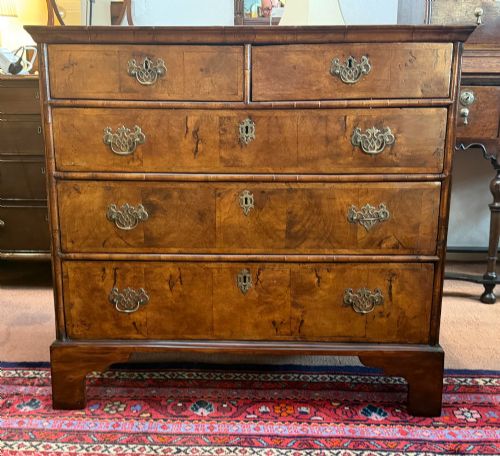
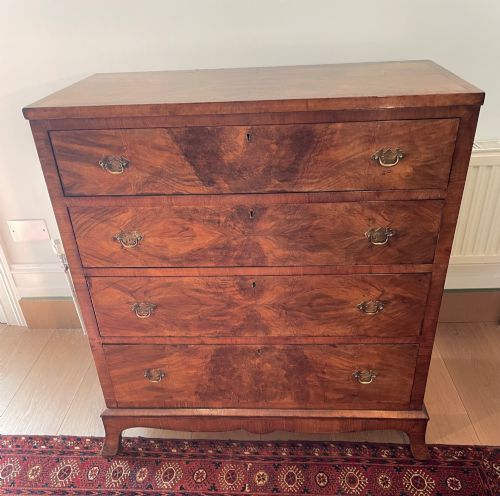
Cabinet makers utilised walnut, burr walnut, and figured walnut veneers applied over secondary woods such as oak and pine. Crossbanding and herringbone stringing often define the borders of the drawer fronts.
Drawer construction frequently incorporates secondary timbers like oak alongside pine for internal dividers and carcase backs. Brass handles and escutcheons punctuate the dark timber surfaces.
Listings span the 18th century through to the 1930s, featuring walnut, burr walnut veneer, oak, and pine across multiple storage formats.
Variations in quality
The sophistication of the timber figuring sets examples apart, with richly patterned burr walnut and figured veneers marking out finer items. The precision of crossbanding and inlay work further distinguishes the workshop standard.
Proportion and form influence the standing of a piece, particularly where serpentine or bow front profiles demand exacting carpentry. Original brass hardware and sliding top panels indicate higher execution.
The Georgian Walnut Storage Drawers Glossary
- Burr walnut
- Timber taken from a tree growth or wart, yielding a swirling, highly decorative grain pattern. Cabinet makers used veneers of this wood on prominent surfaces.
- Crossbanding
- A strip of veneer laid perpendicularly to the main grain of a drawer front or top, framing the central panel. This technique required precise cutting and fitting.
- Tallboy
- A tall chest of drawers consisting of one chest stacked upon another, often combining a chest on chest or cabinet on chest format. They maximise vertical storage.
- Herringbone
- A V-shaped arrangement of small veneer strips resembling the bones of a fish, utilised as decorative banding around drawer edges.
- Serpentine
- A front profile that curves outward in the centre and inward toward the sides, creating a gentle undulating line.
Georgian Walnut Storage Drawers: Frequently Asked Questions
How do I spot an 18th-century piece?
Examine the secondary timbers inside the carcase, such as oak or pine, and look for hand-cut dovetails on the drawer construction.
Surface patination and the mellow colour of the walnut timber develop naturally over centuries of handling.
How do I care for walnut furniture?
Keep walnut pieces away from direct sunlight and heat sources to prevent the burr veneers from drying out or lifting.
Apply a traditional beeswax polish occasionally to nourish the timber and maintain a soft sheen.
Are revival pieces well made?
Revival pieces from the early 20th century often employ quality burr walnut veneers and solid construction methods.
They offer the aesthetic of earlier periods while providing sturdy daily storage for modern homes.