



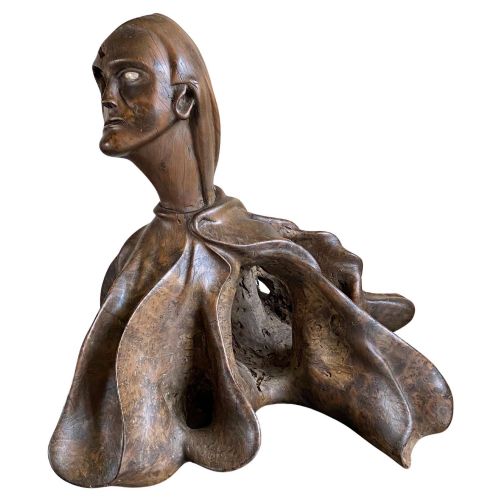


Figurative Wooden Carving
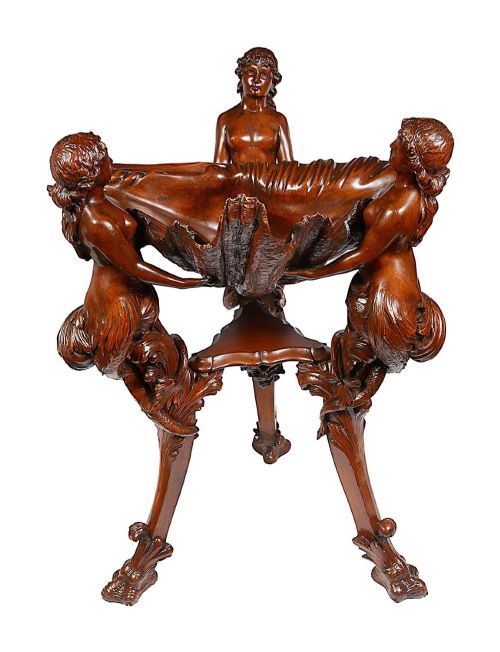
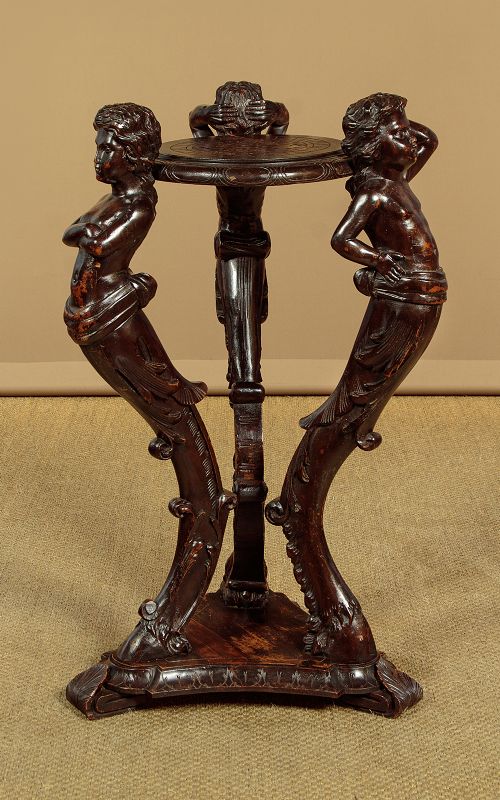
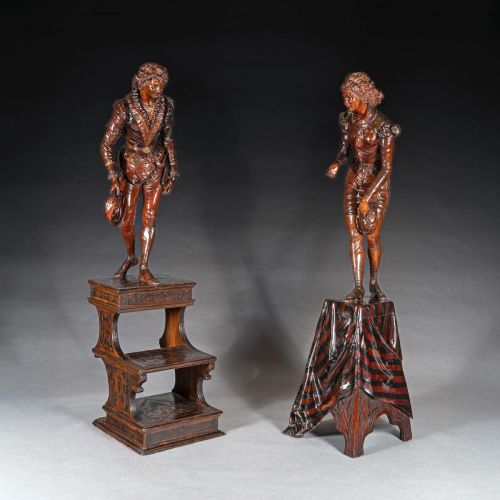
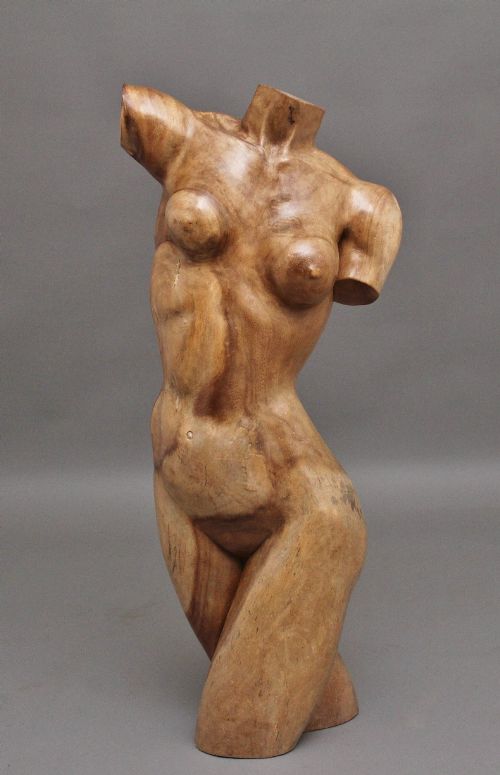
These pieces of figurative wooden carving bring character and form into a room through hand-carved human and animal subjects.
Figurative Wooden Carving
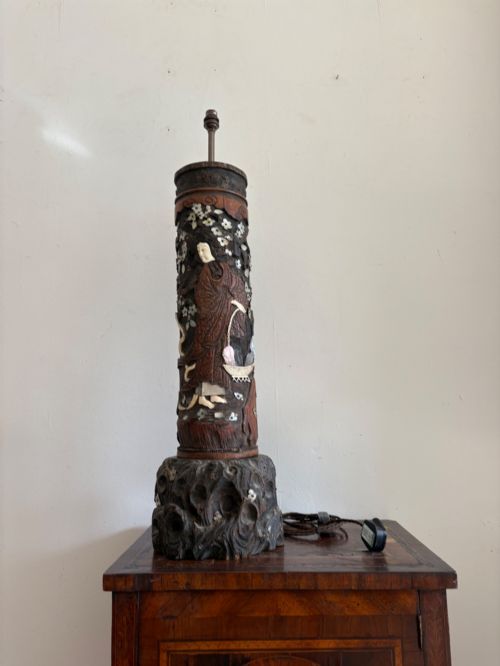
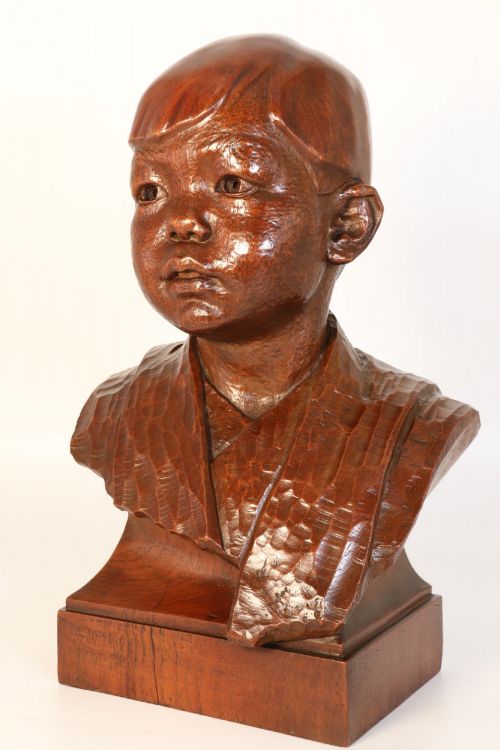
A figurative wooden carving represents human figures, animals, or characters shaped directly from timber. When exploring this selection, a buyer encounters everything from nineteenth-century Black Forest nutcrackers and life-sized walnut busts to folk art sculptures and decorative lamp bases.
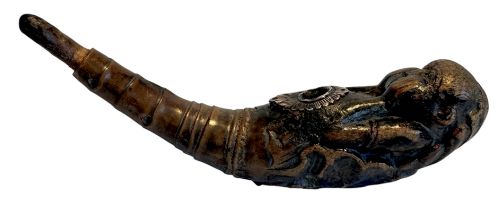
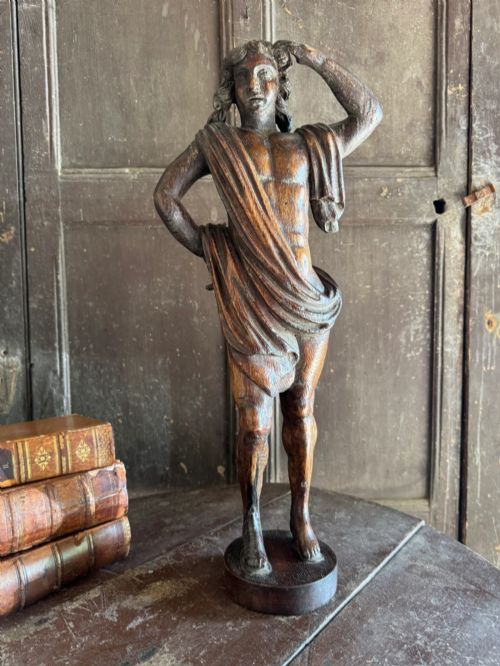
The objects span multiple centuries and international traditions, including European classical subjects, Japanese Meiji pieces, and African tribal items. Many serve functional roles as furniture supports, clocks, and smoking pipes while maintaining a strong sculptural focus.
Domestic items such as nutcrackers, candlesticks, and wall brackets appear alongside substantial independent sculptures and busts. Each piece reflects the specific cultural and regional wood-carving practices of its origin period.
Materials and construction methods
Hand tools including gouges, chisels, and knives left characteristic facets and chisel marks across the timber surface. Some pieces received ebonising, paint, or polished wax finishes to enhance grain patterns and protect the carved medium.
Figurative Wooden Carving Retail Price Guide 2026
Typical asking prices for figurative wooden carving among the pieces listed under this phrase on Sellingantiques today, from the lower quarter to the upper quarter. They describe what is for sale here now, not the wider market.
Listings feature items spanning from the seventeenth century through to the mid-twentieth century, incorporating walnut, oak, fruitwood, and bronze-mounted elements.
Evaluating craftsmanship and expression
Quality rests upon the anatomical proportion and emotional resonance captured within the timber. Superior carving displays confident depth, realistic musculature or fluid posture, whereas lesser work remains stiff and shallow in execution.
The skill of the artisan shows in how well they work with the natural grain of the wood rather than fighting it. Well-executed pieces integrate knots and growth rings into the composition, enhancing the character of the carved subject.
George Henry Paulin RBS·Boudewijn Tuerlinckx·Hans Müller·Jules buste labatut
The Figurative Wooden Carving Glossary
- Black Forest
- A style of wood carving originating from the mountainous region of central Europe, famous for bears, nutcrackers, and forest animals. These items typically utilise walnut and display deep relief work.
- Folk art
- Utilitarian or decorative objects created by self-taught or traditional artisans outside academic traditions. These pieces prioritise expressive charm and local materials over formal classical training.
- Meiji period
- The era of Japanese history spanning from eighteen sixty-eight to nineteen twelve, noted for exceptional technical mastery in wood, metal, and ivory. Carvings from this time often exhibit extreme precision and naturalism.
- Ebonised
- Wood treated with chemical stains or dark pigments to imitate the appearance of ebony. This finish was common on nineteenth-century decorative figures.
- Fruitwood
- Timber sourced from fruit-bearing trees such as pear, apple, or cherry, prized by carvers for its fine, even grain. It permits minute detail work without splintering.
Figurative Wooden Carving: Frequently Asked Questions
How do I clean an old wooden carving?
Dust the surface gently using a soft, dry brush or a clean microfibre cloth to prevent dirt accumulation in the carved recesses.
Avoid using water, liquid cleaners, or modern silicone polishes, as moisture damages aged timber and modern chemicals degrade historic finishes.
Where should I place these carvings at home?
Position freestanding sculptures and busts on sturdy side tables, pedestals, or mantelpieces where they receive adequate clearance and stable support. Functional items like nutcrackers and candlesticks suit display cabinets or sideboards.
Keep wooden pieces away from direct sunlight, radiators, and rapid temperature shifts to prevent the timber from drying out and cracking.
How do I identify Black Forest carvings?
Look for deep brown walnut timber, realistic animal subjects such as bears and stags, and rustic foliate motifs. Many incorporate functional elements like clocks, inkwells, or nut-cracking mechanisms.
These pieces typically date from the nineteenth or early twentieth century and originate from Swiss or German workshops.
What is folk art wood carving?
Folk art carving encompasses pieces made by traditional craftsmen or amateurs outside professional guild systems. They often depict local characters, animals, or humorous domestic scenes using accessible local timbers like pine, fruitwood, or yew.
Their appeal lies in their direct expression, charming imperfections, and regional character rather than academic proportion.