





Dark Wood Bust
A dark wood bust brings character and sculptural presence to a room, ranging from tribal guardian figures to European portrait carvings.
Dark Wood Bust
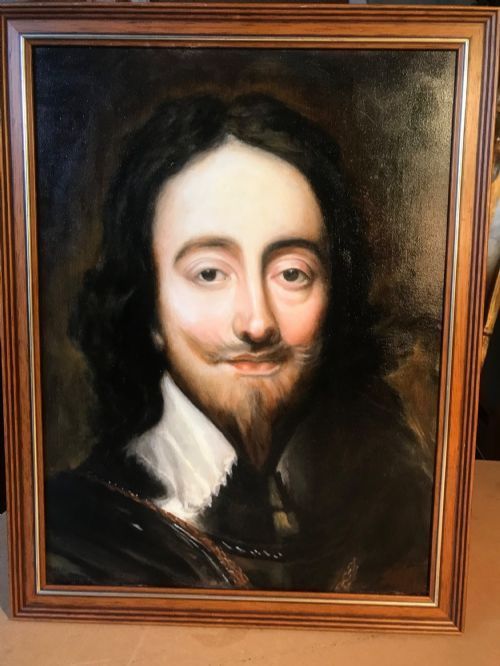
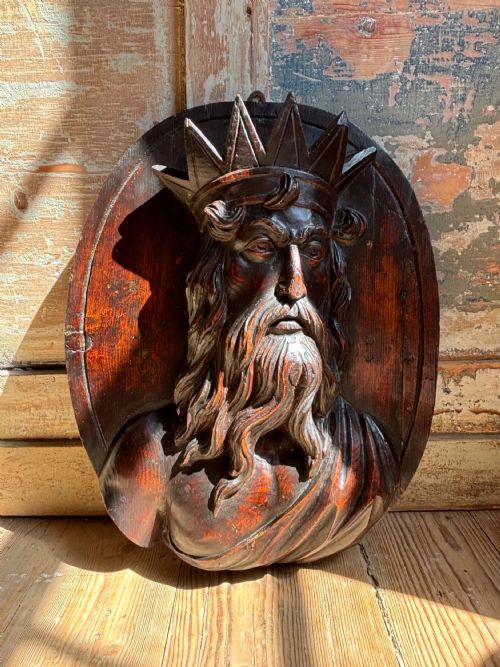
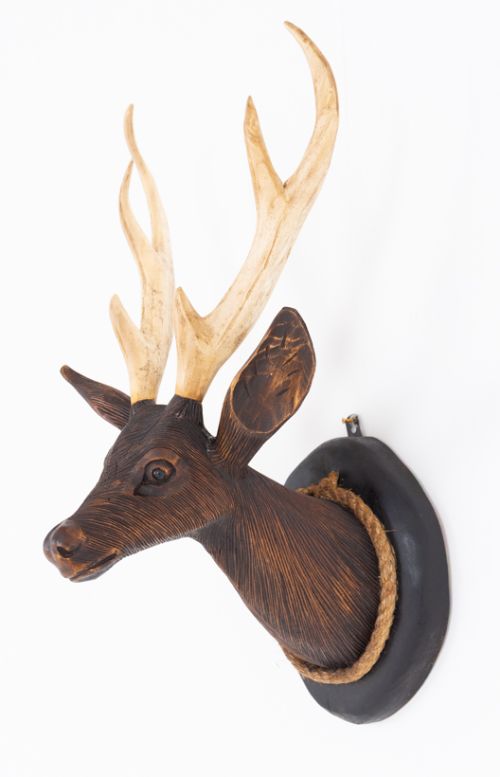
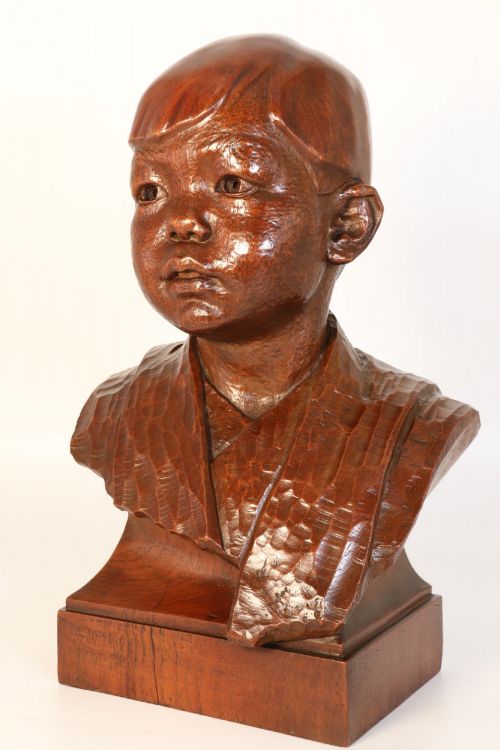
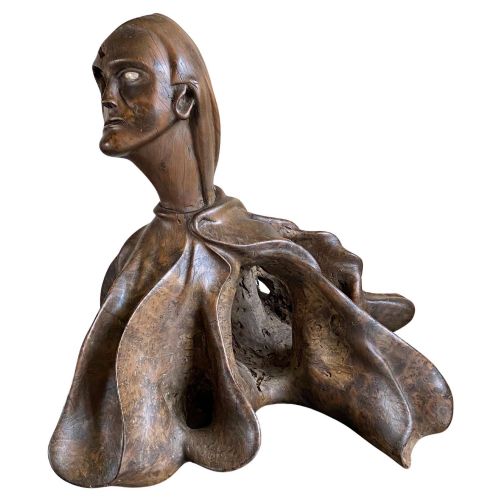
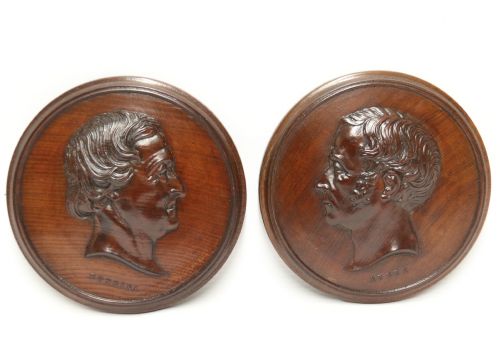
A dark wood bust captures a human or animal form in three dimensions, carved from dense timbers such as mahogany, walnut, oak, and yew. When searching for a dark wood bust, collectors encounter various interpretations spanning centuries, from religious statuary and European portrait plaques to African tribal art and Black Forest animal carvings.
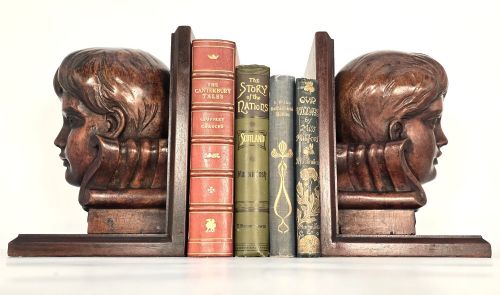
The objects appearing on this page extend beyond standard portraiture to include reliquary guardian heads, architectural wall masks, and bookends. Most examples emerge from the nineteenth and twentieth centuries, employing rich, deep-toned woods that develop a natural sheen over decades of handling.
Makers ranged from village folk carvers and European studio sculptors to tribal artisans working within distinct cultural traditions. Each piece reflects the aesthetic priorities of its period, balancing functional utility as bookends or wall plaques with purely decorative sculptural presence.
Materials and carving techniques
Carvers shaped these pieces using hard timbers like mahogany, walnut, oak, and fruitwood, selecting woods with dense grain structures capable of holding fine detail. Hand tools such as gouges and chisels left subtle facets across the surfaces, particularly on nineteenth-century European carvings and tribal works.
Dark Wood Bust Retail Price Guide 2026
Typical asking prices for dark wood bust among the pieces listed under this phrase on Sellingantiques today, from the lower quarter to the upper quarter. They describe what is for sale here now, not the wider market.
The listings feature carved wood pieces spanning the 18th, 19th, and 20th centuries, utilising mahogany, walnut, oak, and fruitwood.
Assessing quality in carved wood
Quality rests upon the confidence of the carving and the anatomical understanding demonstrated by the maker, distinguishing fluid hand-carved expressions from rigid or mechanical production. Finer sculptures display deliberate tool work that defines bone structure, hair texture, and facial expression without unnecessary smoothing.
The choice of timber significantly affects the piece, with dense hardwoods like walnut and mahogany retaining crisp detail over long periods. Patina also dictates distinction; surfaces that show honest handling, dried wax accumulation, and deep oxidation score higher than stripped or overly polished timber.
George Henry Paulin RBS·Boudewijn Tuerlinckx
The Dark Wood Bust Glossary
- Patina
- The surface sheen and colour developed over decades of handling, exposure to light, and polishing. It serves as a key indicator of age and authenticity.
- Reliquary
- A container or guardian figure meant to hold sacred relics or ancestral remains. In tribal art, these carved wooden heads protected spiritual contents.
- Treen
- Small handmade wooden household objects and decorative items. Architectural fragments and carved masks often fall into this broader category.
- Black Forest
- A nineteenth-century carving style originating in Switzerland and Germany, known for realistic representations of animals and deeply textured foliage.
- Fruitwood
- Dense, pale timber from fruit-bearing trees such as pear or apple, frequently used for detailed portrait carvings and plaques.
Dark Wood Bust: Frequently Asked Questions
What is a dark wood bust?
A dark wood bust is a three-dimensional sculptural carving depicting a head or shoulders, shaped from dense timbers like mahogany, walnut, or oak. These pieces range from European portrait sculptures and Black Forest animal heads to African tribal guardian figures.
They reflect the artistic styles of their respective periods, utilising the deep tones and rich grain of the wood to create expressive and decorative objects.
How do I date a wooden bust?
Dating relies on examining tool marks, timber selection, style, and surface patina. Nineteenth-century pieces often display hand-chiselled facets and rich wax finishes, while twentieth-century examples may show different finishing techniques.
Comparing the sculptural style and costume details to known historical periods helps narrow down the origin and creation date of the carving.
Where were these sculptures displayed?
Historical uses varied widely depending on the origin of the piece. European portrait busts and plaques often adorned libraries, studies, and drawing rooms as part of country house interiors.
Tribal figures served protective or ritual purposes within their communities, later becoming collector pieces displayed on pedestals, shelves, and architectural brackets.
How should I care for dark wood?
Maintain wooden sculptures by keeping them away from direct sunlight and sudden temperature changes, which can cause the timber to dry and split. Occasional application of a suitable microcrystalline wax helps preserve the patina.
Dust the carvings gently with a soft, dry brush to avoid disturbing the aged surface and accumulated waxes.