

Figurative Canvas Artwork
Figurative canvas artwork brings human presence and historic narrative into a room through oil painting.
Figurative Canvas Artwork
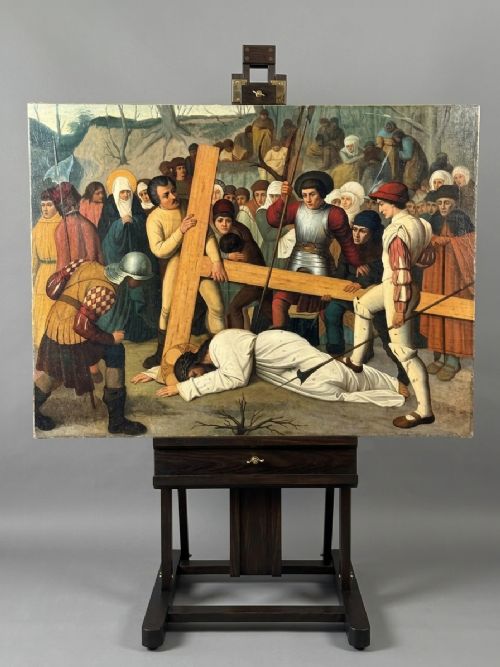
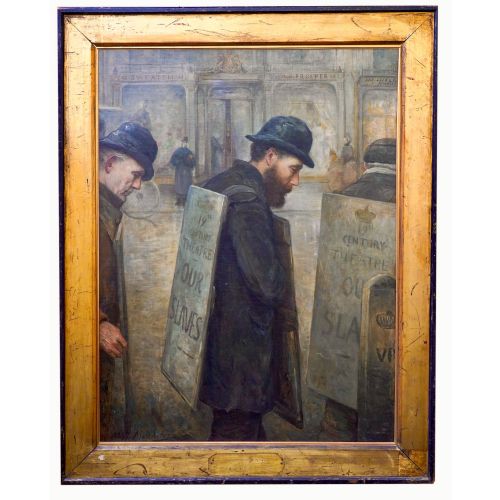
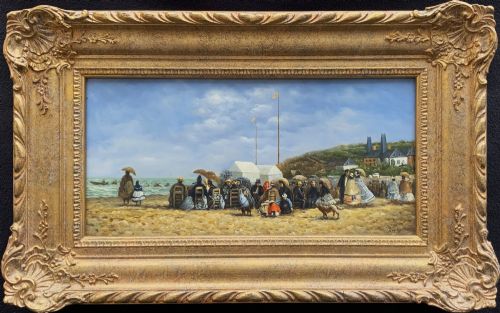
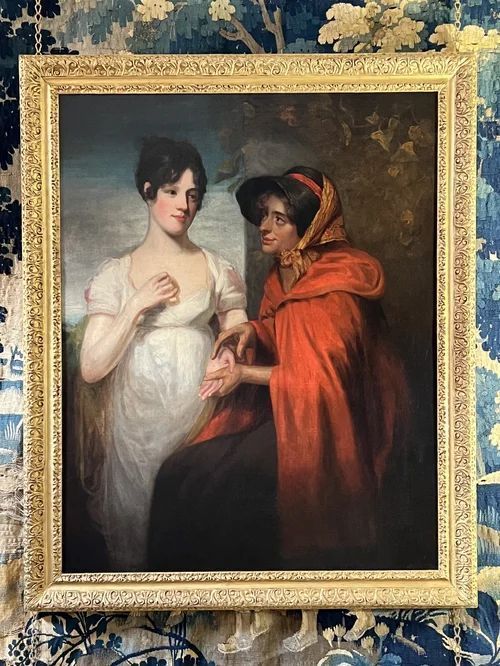
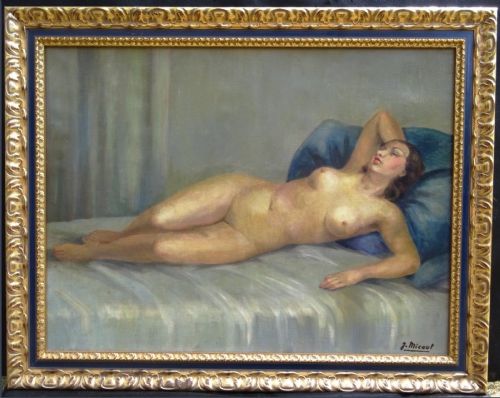
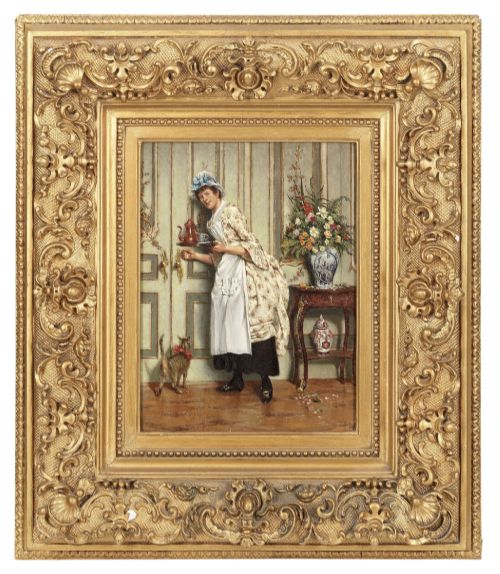
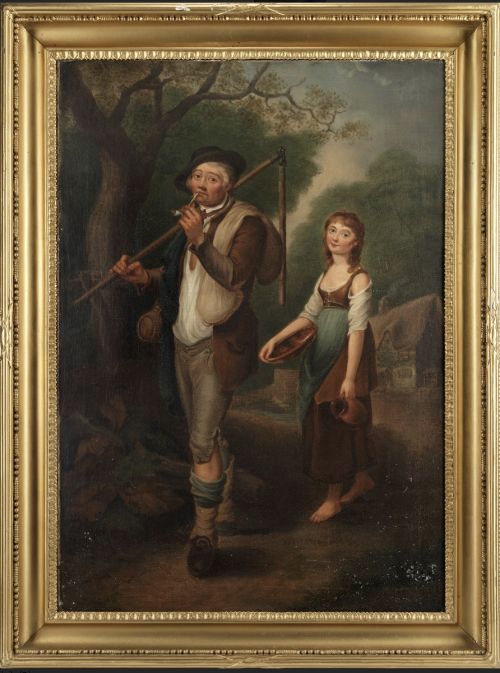
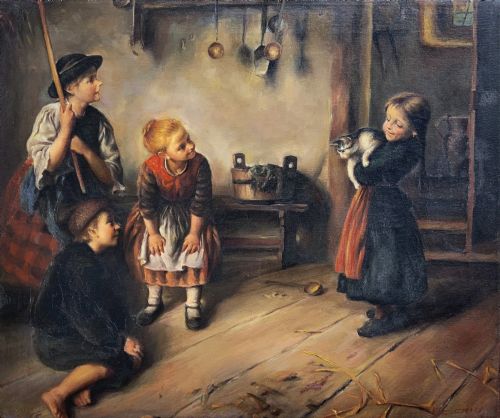
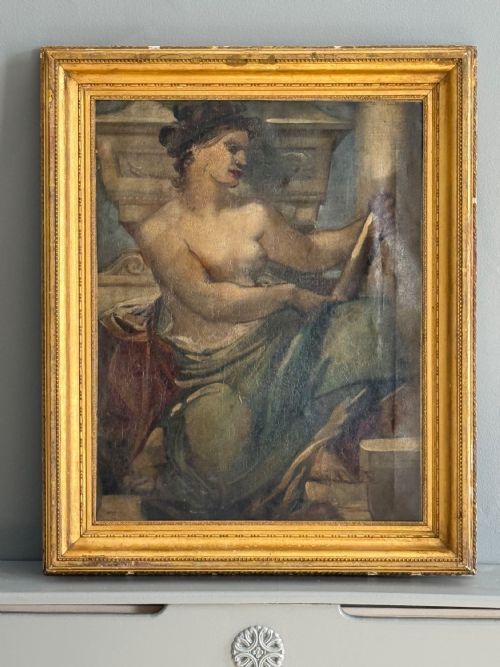
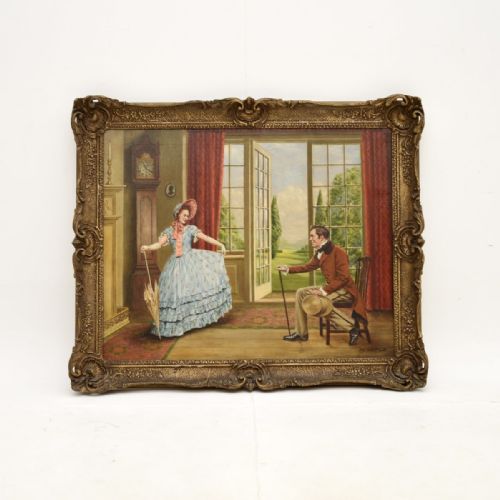
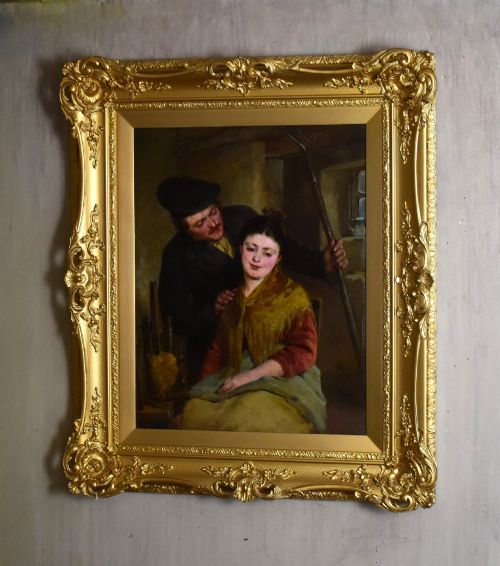
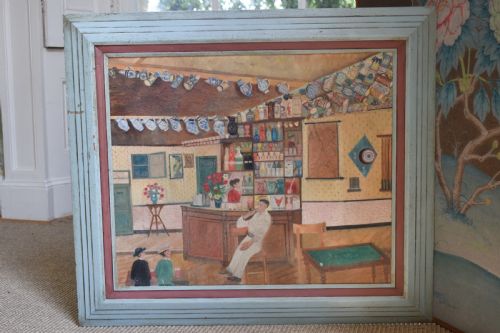
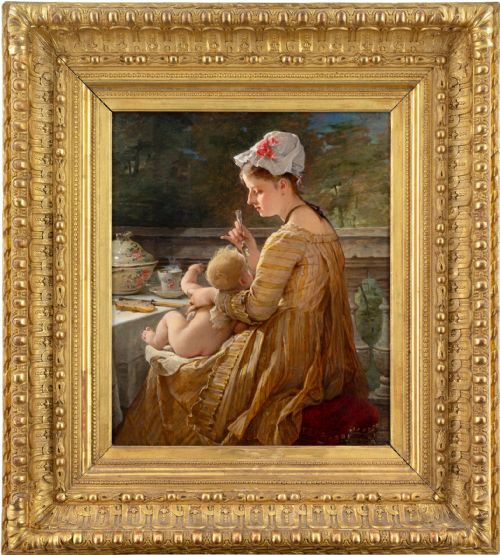
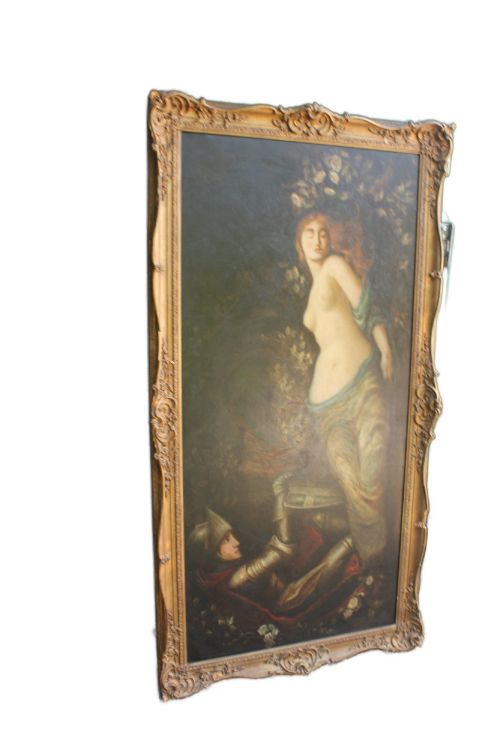
Figurative canvas artwork encompasses oil paintings depicting people, ranging from formal portraits and genre scenes to intimate domestic interiors and narrative figure studies. These works span multiple centuries, capturing subjects such as country house gatherings, dancers, servants and classical figures through varied stylistic lenses.
Buyers encountering this category will frequently find 19th-century oil paintings alongside pieces from the early and mid-20th century. The selection includes works by named artists operating within British, French, Italian and Dutch schools, as well as period pieces attributed to broader regional circles.
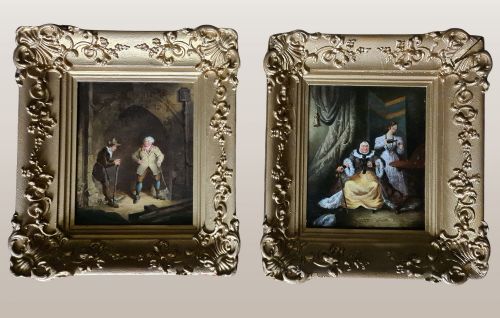
The physical form is principally oil paint applied to canvas, often housed within period timber surrounds such as giltwood or gesso frames. Formats range from monumental social history compositions down to smaller portrait studies and interior moments.
How They Were Made
These works rely on traditional application of oil paint and oil mediums directly onto stretched canvas supports. Artists built up their compositions using brushes to layer pigments, creating depth and texture in both the human subjects and their surrounding interiors.
The structural foundations utilise timber stretchers to support the fabric canvas, which are frequently paired with ornamental frames constructed from wood and finished with gesso and gilt. These frames serve both a protective and an aesthetic function for the paintings.
Materials recorded across the selection include oil paint, canvas, wood, gesso, and giltwood frames.
What Varies in Quality
Quality in these paintings rests upon the draughtsmanship and the artist's ability to render human anatomy, expression and narrative tension. Finer works display confident brushwork and tonal harmony that successfully convey the psychology or atmosphere of the scene.
The original framing contributes significantly to the overall integrity of the piece, with period giltwood and gesso surrounds adding contextual value. The stability of the underlying canvas and the preservation of the original oil paint layers also distinguish superior examples.
Felix Stone Moscheles·Constantyn Netscher·Stephen Samuel Lewin·Howard Helmick·Adelaïde Salles-Wagner·Lucy Pratt·Joseph Biel·Herbert Ashwin Budd·Louis Charles Verwee·Charles Stuart Forbes·James Hamilton·Lena Gurr·Winifred Rymer·Henry Windsor Fry·William Oliver·Philippe de Rougemont·Charles James McCall·Umberto Volpato·Valdemar Magaard·Renato Moretti
The Figurative Canvas Artwork Glossary
- Genre painting
- Depiction of aspects of everyday life by portraying ordinary people caught in common activities. These scenes often provide social history insights.
- Gesso
- A plaster-like mixture applied to wood frames to create a smooth surface for gilding. It allows for intricate moulded decorative details.
- Pre-Raphaelite
- A style associated with a 19th-century group of painters rejecting academic art in favour of detailed observation and vivid colour. Works often draw on literary or medieval themes.
- Giltwood
- Timber that has been covered with a thin layer of gold leaf. It is commonly found on traditional picture frames.
- Post-Impressionism
- An art movement extending Impressionism while rejecting its limitations, focusing on symbolic content and heavier brushwork. It encompasses diverse experimental approaches to canvas.
Figurative Canvas Artwork: Frequently Asked Questions
What is figurative canvas artwork?
Figurative canvas artwork comprises oil paintings that feature human subjects as their primary focus. This category includes portraits, genre scenes, and narrative figure compositions created across various historical periods.
These pieces use oil paint on canvas to capture individuals, domestic moments, and historical or literary narratives.
How do I date an oil painting?
Dating an oil painting typically involves examining the style, costume of the figures, framing techniques, and the canvas preparation methods. Signatures, inscriptions, and artist records provide further chronological markers.
Stylistic shifts between Victorian academic traditions, Impressionism, and mid-century modernism also help locate a piece within a specific era.
Where should I hang these paintings?
These paintings suit traditional reception rooms, studies, and hallways where adequate wall space allows the composition and frame to breathe. They require placement away from direct sunlight and excessive moisture to protect the canvas and oil pigments.
Pairing the work with appropriate lighting enhances the texture of the brushwork and the detail of the gilt frame.
What is a genre painting?
A genre painting depicts scenes from everyday life, showing ordinary people engaged in common domestic or social activities. Rather than focusing on portraiture or grand historical events, these works capture routine human moments.
Examples include tea time gatherings, card players, and children at play within interior or landscape settings.