




Figural Ceramic Jar
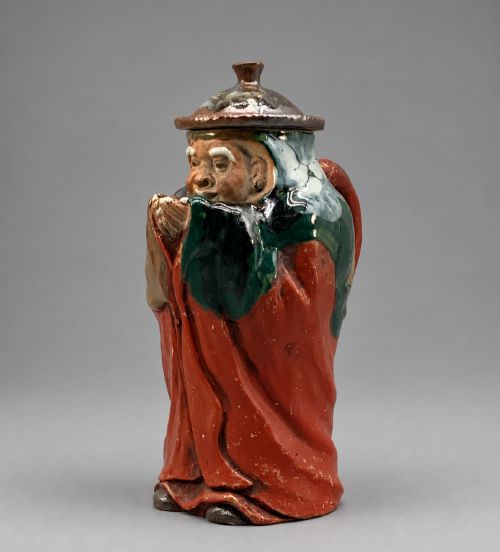
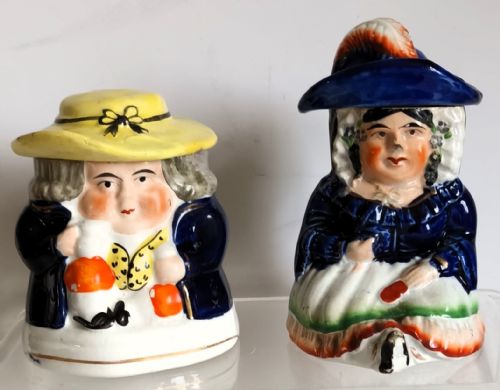
These figural ceramic jar pieces bring figurative character and lidded vessel form together across nineteenth-century and early twentieth-century traditions.
Figural Ceramic Jar
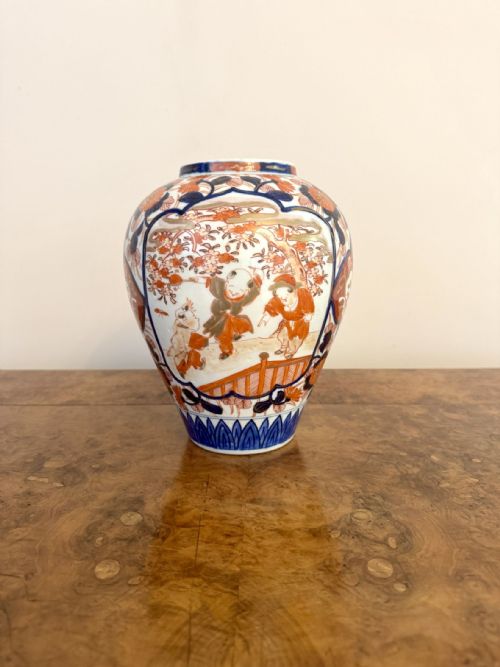
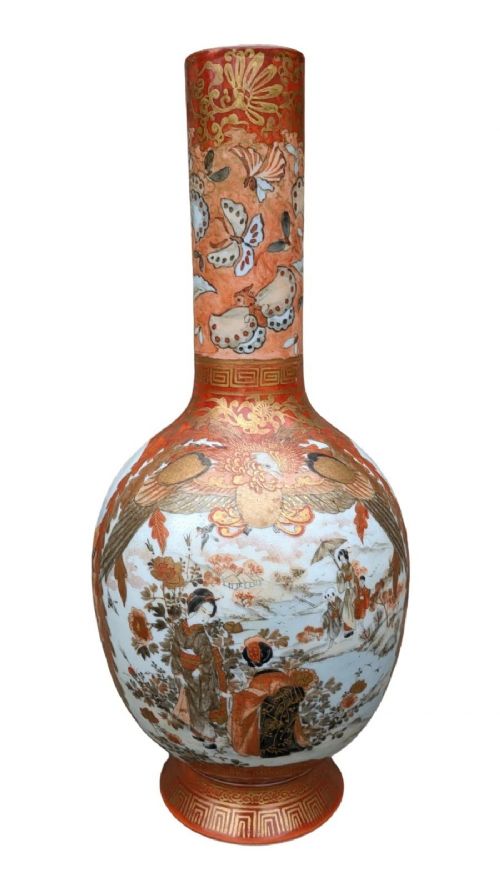
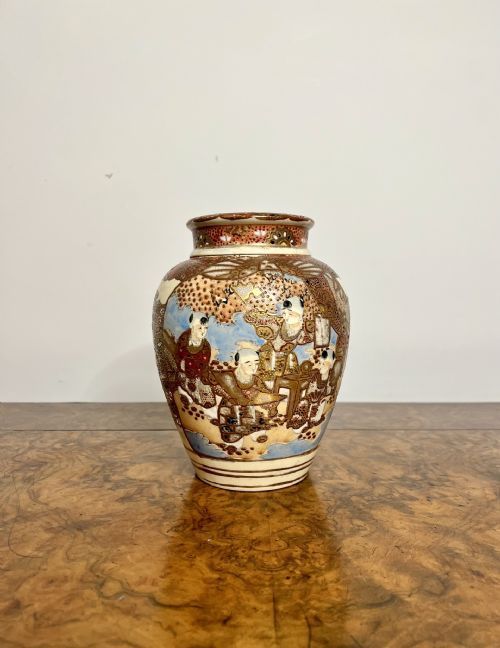
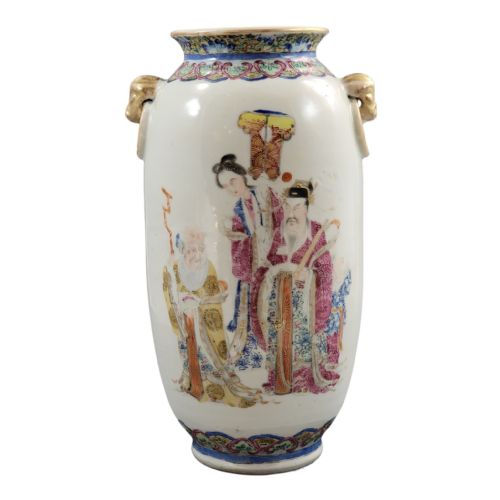
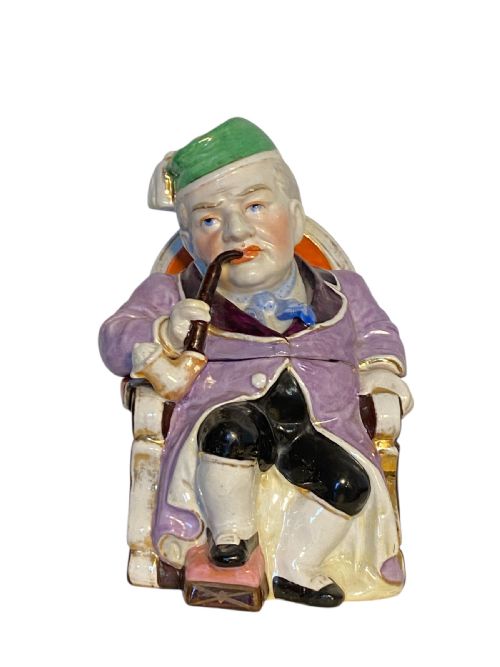
A figural ceramic jar brings together sculptural human figures and lidded vessel forms, appearing primarily as tobacco jars, ginger jars, and lidded vases across this selection. Buyers seeking this phrase encounter nineteenth-century Victorian pieces alongside Japanese Meiji examples and Art Deco French powder boxes.
The selection ranges from Staffordshire-style earthenware tobacco containers and continental porcelain lidded vessels to intricate Japanese Satsuma and Chinese Qing Dynasty ginger jars. Each piece combines functional storage with modelled or painted figures, uniting utilitarian purpose with decorative display.
How they were made
Potters shaped these vessels using earthenware, stoneware, terracotta, and porcelain, applying rich coloured glazes, enamel, and gold leaf highlights. Many examples feature hand-painted details combined with moulded figural elements.
Japanese and Chinese workshops employed precise brushwork and iron-red enamels, while European factories utilised Majolica glazes and detailed moulding techniques to define the human forms.
Figural Ceramic Jar Retail Price Guide 2026
Typical asking prices for figural ceramic jar among the pieces listed under this phrase on Sellingantiques today, from the lower quarter to the upper quarter. They describe what is for sale here now, not the wider market.
Listings span earthenware, porcelain, and terracotta, incorporating both European Majolica and Asian export traditions.
What varies in quality
Quality rests in the crispness of the modelled form and the precision of the hand-painting, particularly in the rendering of facial expressions and robes on figural subjects. Superior examples maintain balance between the vessel body and the modelled figures without awkward proportions.
The refinement of the glaze application and the richness of the gilding separate standard production pieces from the finer studio and factory output seen in these nineteenth-century and early twentieth-century works.
Shizan·Minton·Albert Carrier·Limoges
The Figural Ceramic Jar Glossary
- Majolica
- A type of earthenware coated with an opaque tin glaze and decorated with metal oxide colours. This technique created vibrant, glossy surfaces popular in Victorian decorative wares.
- Satsuma
- A style of Japanese pottery characterised by an ivory-coloured, crackle-glazed earthenware body. Pieces are typically decorated with elaborate polychrome enamels and gilding.
- Imari
- A traditional Japanese style of porcelain featuring a distinct palette of underglaze blue, iron red, and gold. It was widely exported to Europe from the Edo period onwards.
- Koro
- A traditional Japanese incense burner typically featuring a pierced cover and three or more feet. They often take elaborate figural or vessel forms in ceramic or bronze.
Figural Ceramic Jar: Frequently Asked Questions
What were ceramic tobacco jars used for?
These lidded vessels stored loose leaf tobacco in nineteenth-century parlours and studies, keeping the contents moist and fresh.
The tight-fitting covers and glazed interiors prevented the tobacco from drying out while serving as decorative mantelpiece ornaments.
How do I identify Satsuma ware?
Satsuma pottery is recognised by its distinctive cream-coloured earthenware body covered in a fine network of transparent crackled glaze.
Decoration usually incorporates densely applied polychrome enamels and heavy raised gold leaf depicting figures or landscapes.
What is a powder box?
Powder boxes are small lidded ceramic containers designed to hold cosmetic face powder on a dressing table. Art Deco examples often feature figural handles on the lid.
French and German makers produced these colourful vessels in porcelain and ceramic during the early twentieth century.
How do I date these ceramic jars?
Dating relies on stylistic markers, base marks, and manufacturing materials such as nineteenth-century porcelain versus Art Deco earthenware. Victorian pieces often display moulded British registry marks or continental factory stamps.
Japanese pieces from the Meiji period carry specific aesthetic conventions and painterly signatures that locate them within exact imperial decades.