


Fiddle Pattern Cutlery
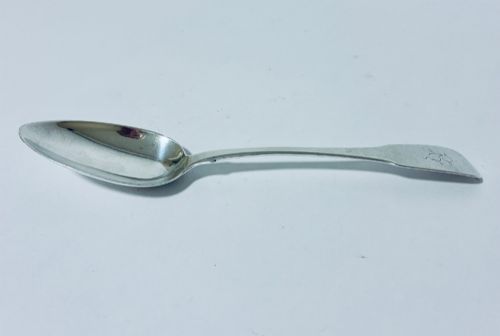
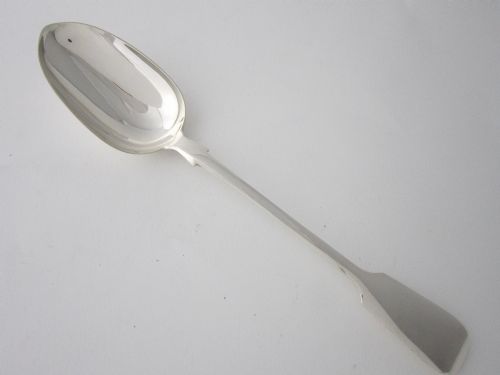
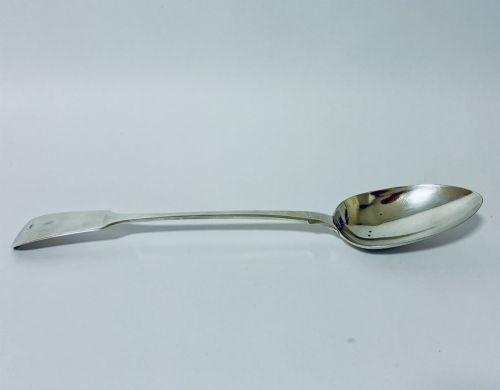
Fiddle pattern cutlery is sterling silver flatware shaped with a distinct shoulder on the stem, prized by collectors for domestic service.
Fiddle Pattern Cutlery
Fiddle pattern cutlery covers a range of domestic implements, from single tea spoons and serving spoons to complete canteens for twelve persons. Buyers searching for fiddle pattern cutlery encounter pieces spanning the Georgian and Victorian periods, including provincial English, Irish, and Scottish examples.
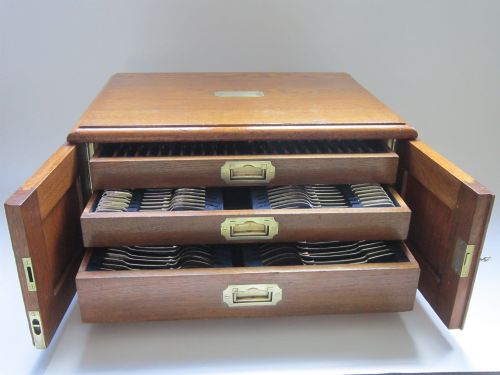
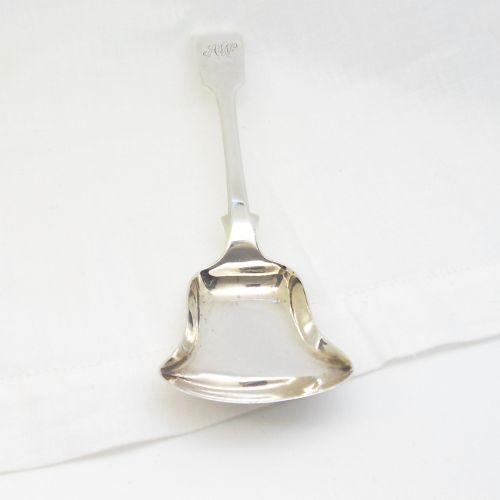
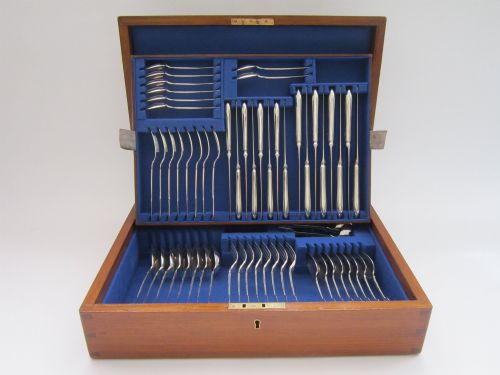
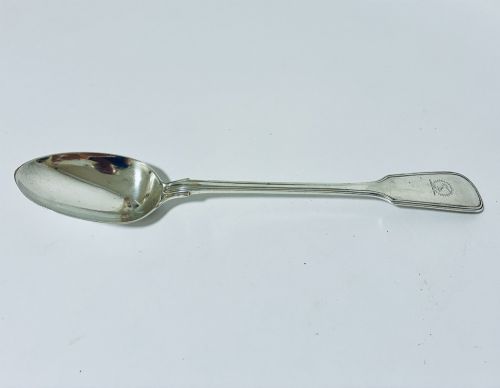
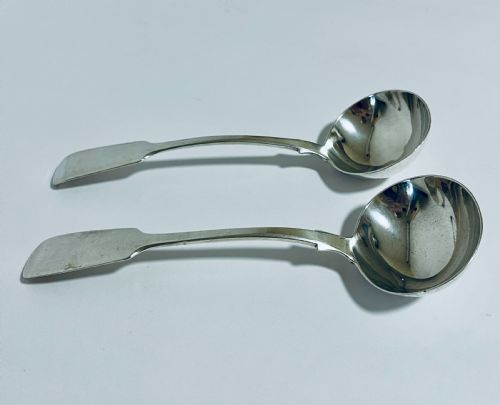
The form appears in service pieces such as fish slices, soup ladles, basting spoons, and sugar shovels alongside table forks and spoons. Victorian canteens and mixed sets dominate the selection, often housed in fitted boxes lined with velvet or felt inside mahogany or oak cases.
Individual items like toddy ladles and dessert spoons sit alongside large matched sets spanning several decades of the nineteenth century. The distinctive handle profile remains constant across these varied serving utensils and flatware collections.
Materials and construction
The primary material is sterling silver or silver, shaped by hand or early machine methods during the Georgian and Victorian eras. Silversmiths worked the metal to create the characteristic shoulder and swell of the fiddle handle profile.
Fitted storage containers utilise mahogany and oak, lined internally with velvet or felt to protect the silver surfaces from tarnishing and abrasion. Brass fittings and hinges secure these wooden canteens.
The selection spans Georgian and Victorian periods, featuring regional assay marks from London, Dublin, York, Newcastle, and Inverness.
Judging the standard
Quality rests upon the crispness of the handle moulding and the retention of original weight in the bowl or tines after generations of use. Maker marks and town assay stamps provide clear evidence of origin and standard.
Cohesion within a set separates matched services from assembled gatherings, while the presence of original crests or engraving adds historical context. The integrity of fitted storage cases, including sound mahogany or oak and intact internal lining, contributes to the standing of a canteen.
John Walton·BCN
The Fiddle Pattern Cutlery Glossary
- Fiddle pattern
- A flatware style featuring a rounded shoulder just above the stem and a squared terminal. This design gained popularity during the Georgian period and remained standard through the Victorian era.
- Canteen
- A fitted box or cabinet designed to store a set of cutlery securely. These cases use timber such as mahogany or oak with internal lining.
- Fish slice
- A wide, perforated serving utensil used for portioning fish at the table. Examples often feature pierced decoration on the blade.
- Hallmark
- A series of official marks stamped onto silver indicating the maker, assay office, standard of metal, and year of production. These stamps provide verifiable history.
- Toddy ladle
- A small drinking implement with a twisted whalebone or silver handle and a deep bowl. These pieces were used for serving hot punch or toddy.
Fiddle Pattern Cutlery: Frequently Asked Questions
How do I clean antique silver cutlery?
Use a soft cloth and a specialised silver cleaner to remove tarnish without damaging the underlying metal or wearing down crisp details.
Avoid abrasive pastes or harsh scrubbing that can obliterate antique hallmarks and soften the fiddle shoulders.
Can I use these for daily dining?
Sterling silver flatware is durable enough for regular use, provided it is washed by hand rather than placed in an automatic dishwasher.
Hand washing prevents thermal shock and protects wooden handles or fitted storage cases from moisture damage.
What is a matched set?
A matched set consists of pieces gathered together from various dates and makers that share the same fiddle pattern style and weight.
These collections allow users to set a uniform table using items produced across different decades of the nineteenth century.
How do I date my silver pieces?
Look for the assay office stamp, standard mark, and date letter stamped directly onto the reverse of the handle or bowl.
Matching these symbols against established tables reveals the exact year and town of manufacture.