




Fereghan Oriental Rug
A fereghan oriental rug brings enduring Persian textile artistry into a room, offering rich historical character through traditional woven patterns.
Fereghan Oriental Rug
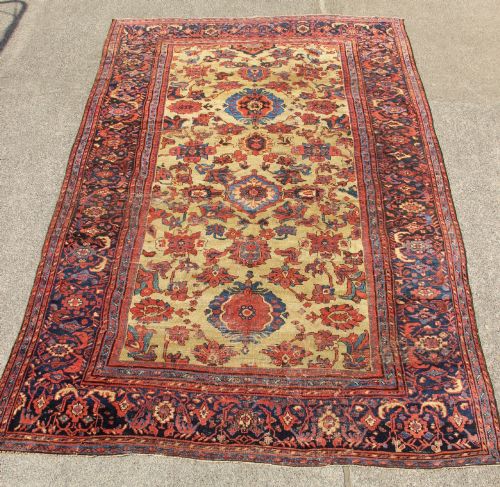
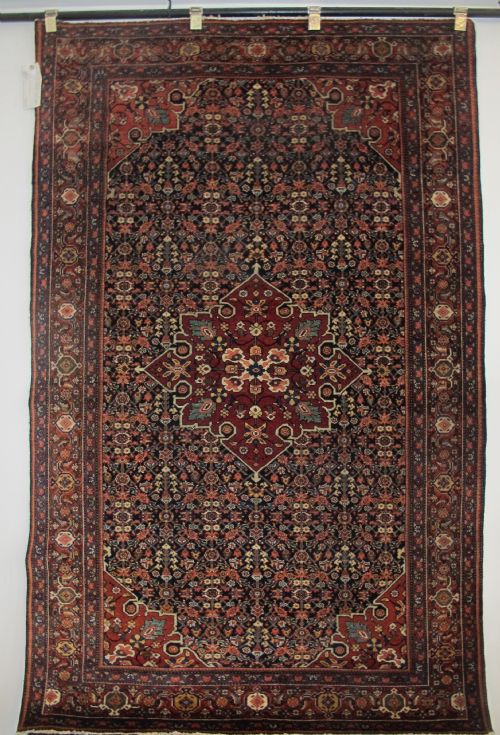
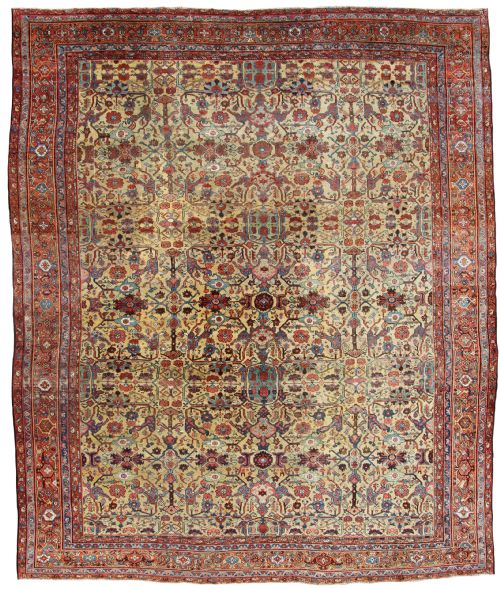
A fereghan oriental rug represents traditional Persian weaving originating from the nineteenth and early twentieth centuries, spanning periods from eighteen fifty to nineteen twenty. These pieces appear in various formats, including large room-size carpets, specific village rugs, and narrow hallway runners suited for domestic spaces.
Makers and weavers created these textiles within Persian workshops and villages, incorporating regional styles such as Qajar period influences and classic Persian designs. The selection includes standard format rugs alongside distinctive examples featuring golden fields or pictorial elements like birds and pomegranates.
Buyers seeking a fereghan oriental rug encounter pieces defined by historical provenance and traditional craftsmanship. The surviving examples demonstrate the enduring appeal of nineteenth-century Persian carpet production across different scales and formats.
Materials and Construction
Wool and cotton form the foundational materials for these carpets, providing both the dense pile and the underlying structural warp and weft threads. Weavers utilised these natural fibres to achieve durable floor coverings designed for long-term domestic use.
The construction involves hand-knotting wool yarn onto cotton foundations, a technique that allows for intricate pattern definition and structural longevity. This traditional method ensures that surviving examples retain their integrity over generations of use.
Current listings feature Persian rugs and carpets spanning the mid-nineteenth century to nineteen twenty, constructed from wool and cotton.
Distinctions in Quality
Knot density and precision of design execution differentiate fine examples from standard production pieces, influencing the crispness of the traditional motifs. The fineness of the wool and the complexity of the field design also indicate the standard of the weaving.
Condition and scale further distinguish individual carpets, with exceptionally large room-size formats and intact village runners commanding attention. The clarity of the natural colour palette and the preservation of original edge finishes contribute significantly to the standing of any given piece.
The Fereghan Oriental Rug Glossary
- Pile
- The upright yarn loops forming the usable surface of the carpet. This dense layer absorbs wear and displays the woven design.
- Warp
- The vertical foundation threads running parallel to the length of the rug. Weavers tie the wool knots directly onto these sturdy cotton or wool strings.
- Weft
- The horizontal threads passed across the warp between rows of knots to secure the structure. It binds the foundation firmly together.
- Runner
- A long, narrow carpet format specifically proportioned for corridors and hallways. These pieces manage transitional spaces in traditional interiors.
- Qajar
- The Iranian royal dynasty ruling Persia during the nineteenth and early twentieth centuries. This period fostered distinct artistic developments in regional weaving.
Fereghan Oriental Rug: Frequently Asked Questions
What is a fereghan oriental rug?
A fereghan oriental rug is a hand-knotted textile originating from Persia during the nineteenth and early twentieth centuries. These pieces reflect traditional regional weaving practices and historical design motifs.
They encompass various formats, from expansive room-size carpets to compact village rugs and narrow hallway runners.
How do I identify the period?
Dating relies on stylistic markers, construction methods, and materials recorded within the specific piece. Nineteenth-century examples often display characteristic Qajar period influences and traditional Persian village patterns.
Comparing structural details and design layouts helps establish the approximate era of manufacture.
Where were these rugs made?
These textiles were produced in Persia, specifically within the Fereghan district and surrounding weaving centres. Local artisans utilised traditional techniques passed down through generations.
The regional workshops created distinct styles that distinguish these carpets from other Persian traditions.
How should I care for a antique rug?
Protect the wool and cotton fibres by placing the carpet in areas with moderate foot traffic and minimal direct sunlight. Regular gentle vacuuming without a beater bar prevents dust accumulation within the pile.
Professional cleaning should be undertaken periodically by specialists experienced in historical textiles.