

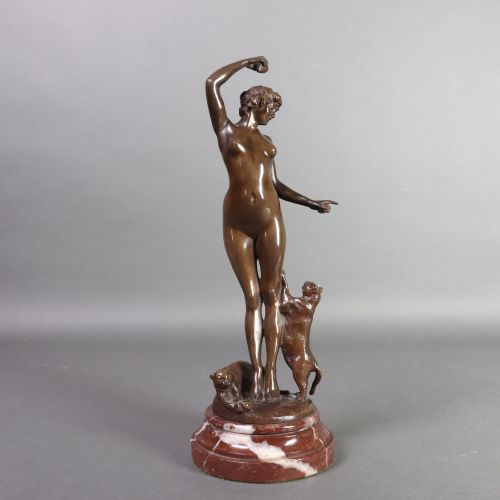
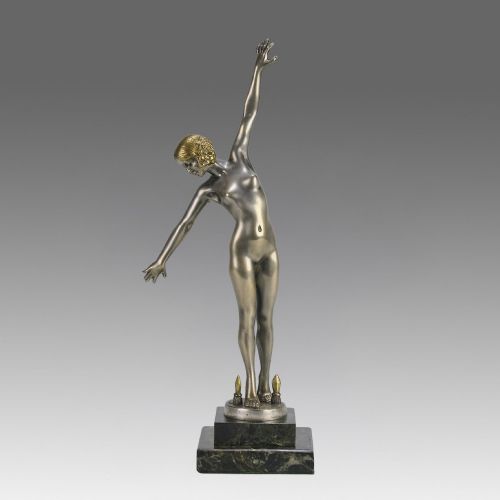
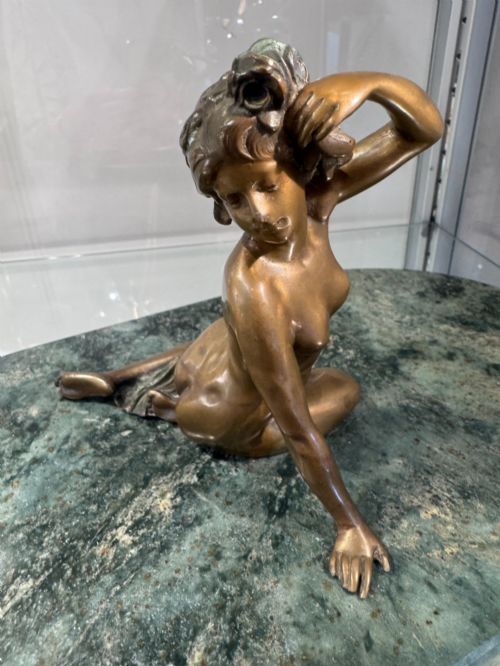
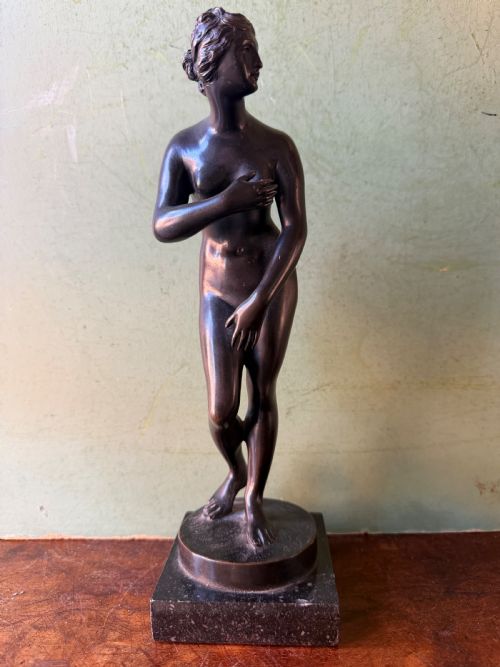
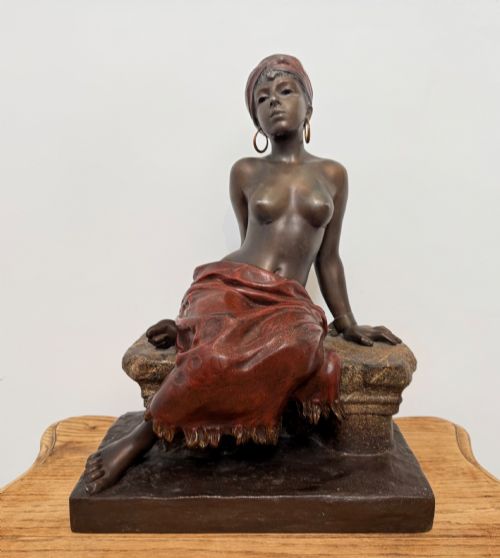
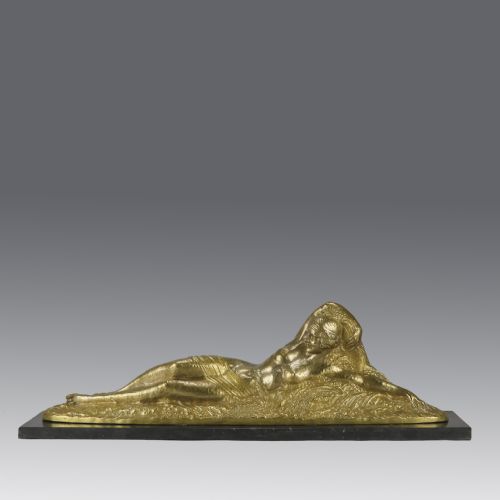
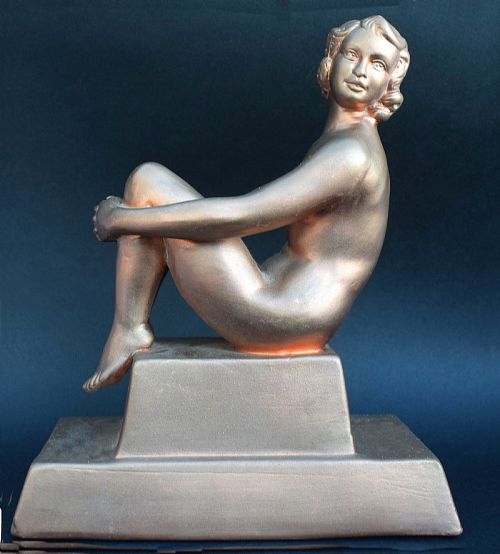


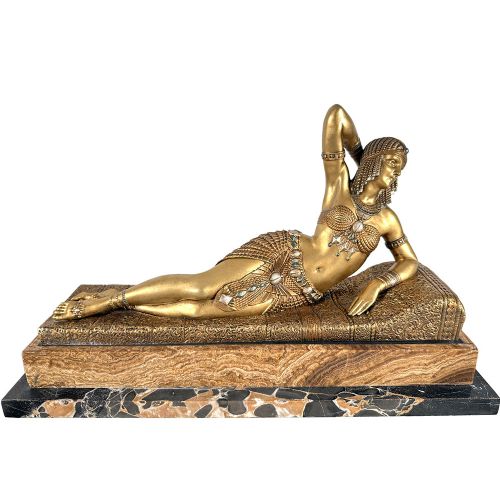

Female Nude Figurine
When you search for a female nude figurine, you enter a rich sculptural tradition spanning the late nineteenth and early twentieth centuries.
Female Nude Figurine
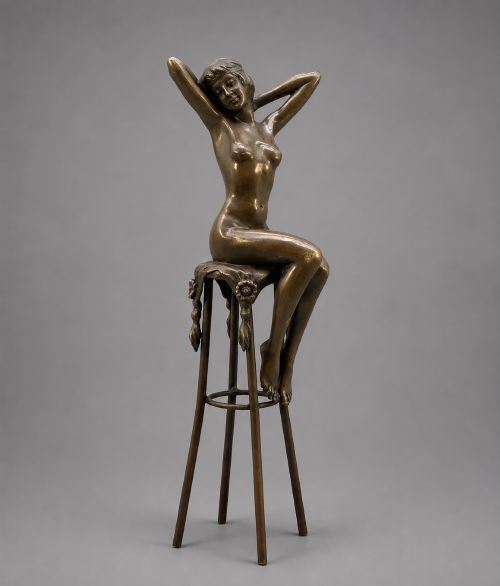
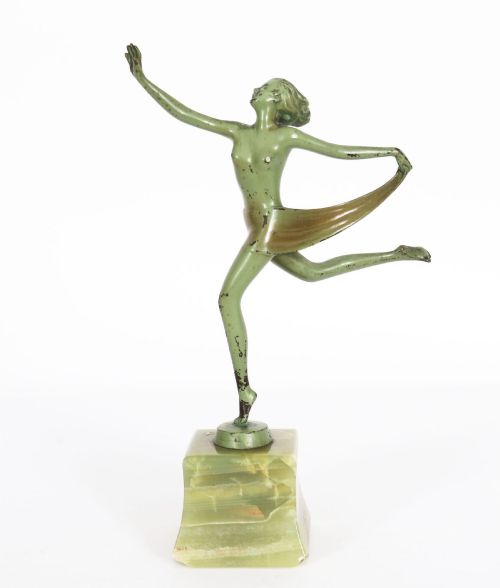
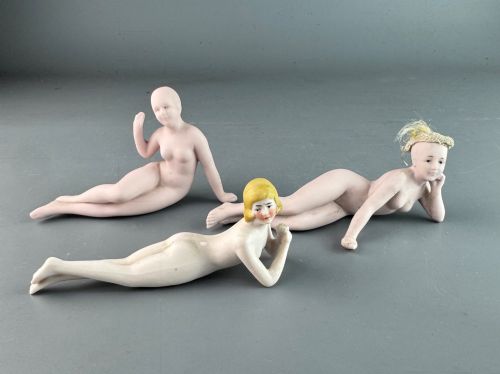
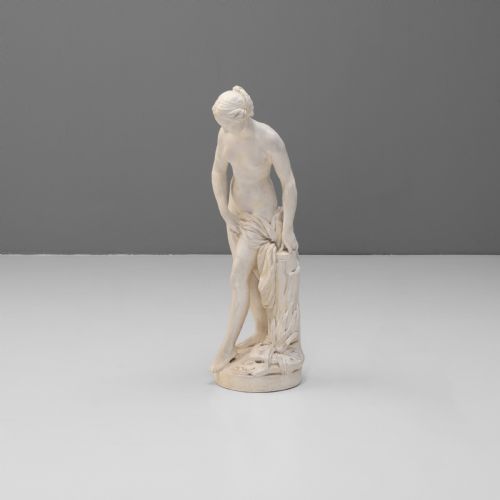
A female nude figurine encompasses cast bronze sculptures, carved alabaster figures, and porcelain statuettes from periods including Art Nouveau and Art Deco. These pieces depict mythological figures, dancers, bathers, and allegorical subjects created across European workshops.
You are most likely to encounter twentieth-century Art Deco dancer studies and nineteenth-century classical bronzes on this page. These works range from small cabinet bronzes to larger architectural desk ornaments and lamp bases.
Materials and Casting Methods
Sculptors utilised the lost-wax casting method for bronze works, often applying cold-painted enamels, silvering, or rich patination to the metal surfaces. Alabaster and marble were hand-carved to achieve translucent flesh tones and smooth drapery contrasts.
Porcelain and bisque pieces required precise kiln firing, sometimes finished with shot enamel or subtle hand-painting. Foundational materials also include onyx, spelter, and limewood, each demanding specific carving or casting expertise.
Female Nude Figurine Retail Price Guide 2026
Typical asking prices for female nude figurine among the pieces listed under this phrase on Sellingantiques today, from the lower quarter to the upper quarter. They describe what is for sale here now, not the wider market.
Materials represented across these sculptural works include bronze, patinated bronze, silvered bronze, marble, onyx, alabaster, porcelain, and limewood.
Distinguishing Quality
Quality rests upon the crispness of the casting detail in bronze pieces, where refined chiselling preserves facial expressions, hair strands, and hand gestures. In carved stone, superior examples demonstrate precise anatomical proportions and skilful management of natural veining.
Foundry marks, artist signatures, and the depth of the patination layer contribute significantly to a piece's standing. Early casts retain sharper lines and more deliberate surface treatments compared to later reproductions or secondary editions.
Josef Lorenzl·Gustave Dussart·E Villanis·Demetre Chiparus·Bergman·Sibylle May·Fritz Kochendorfer·Hector Lemaire·Maurice Guiraud Riviere·Anders Zorn·Hans Müller·Pierre Le Faguays·Claire Jeanne Roberte Colinet·René Lalique·Edmond Leveque·James Pradier·Eugène Désiré Piron·Ugo Cipriani
The Female Nude Figurine Glossary
- Cold-painted bronze
- A technique where oil paint is applied to an unheated bronze casting and allowed to dry naturally. This method produces matte, colourful surfaces popular in Vienna workshops.
- Spelter
- An alloy of zinc and copper often used as a more affordable alternative to bronze. It takes patination well to simulate heavier metal finishes.
- Bisque
- Unglazed white porcelain that has been fired once, offering a matte texture resembling marble. It was frequently utilised for nineteenth and twentieth-century European figure studies.
- Lost-wax casting
- A metal-casting process where a wax model is melted from a mould and replaced with molten bronze. This technique allows for intricate undercuts and delicate anatomical details.
- Patination
- The chemical treatment applied to metal surfaces to create controlled colours and protective coatings. Skilled patination enhances the visual depth of sculptural contours.
Female Nude Figurine: Frequently Asked Questions
How do I clean a bronze figurine?
Dust the surface gently with a soft, dry brush to prevent dirt accumulation within the recessed details. Avoid using harsh chemical cleaners or abrasive cloths that can strip the original patination.
Apply a very thin coat of microcrystalline wax if the metal requires protection against atmospheric moisture. Buff the surface lightly with a clean cotton cloth after waxing to maintain a stable finish.
What is the difference between Art Nouveau and Art Deco figures?
Art Nouveau figures, produced around the turn of the twentieth century, feature fluid, organic lines inspired by natural forms like floral stems and flowing hair. Their compositions emphasise asymmetrical grace and classical mythological themes.
Art Deco figures from the 1920s and 1930s adopt geometric precision, stylised anatomy, and dynamic movement. These later works frequently depict modern dancers, athletes, and cabaret performers with sharp linear definition.
Are alabaster figurines fragile?
Alabaster is a relatively soft mineral composed of gypsum or calcite, making it susceptible to scratching and chipping from impacts. Sudden temperature shifts can also stress the stone.
Display these carvings away from direct sunlight and moisture sources to preserve their translucent quality. Handle them with clean hands or cotton gloves to prevent natural skin oils from staining the porous surface.
How can I identify a foundry mark?
Foundry stamps, cachets, and signatures are typically located near the base, along the lower edge, or on the reverse side of the sculpture. These marks often appear as cast-in lettering or stamped impressions.
Researching the specific symbol helps connect the piece to historical production houses such as Susse Freres or Hebrard. Clear maker details provide reliable evidence of the workshop origin.