



Farmhouse Armchair
A farmhouse armchair is a robust timber seat built for domestic utility, offering solid construction and vernacular comfort to daily life.
Farmhouse Armchair
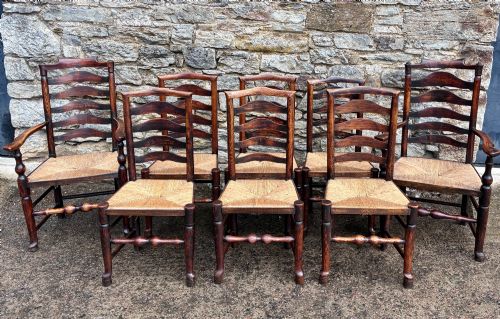
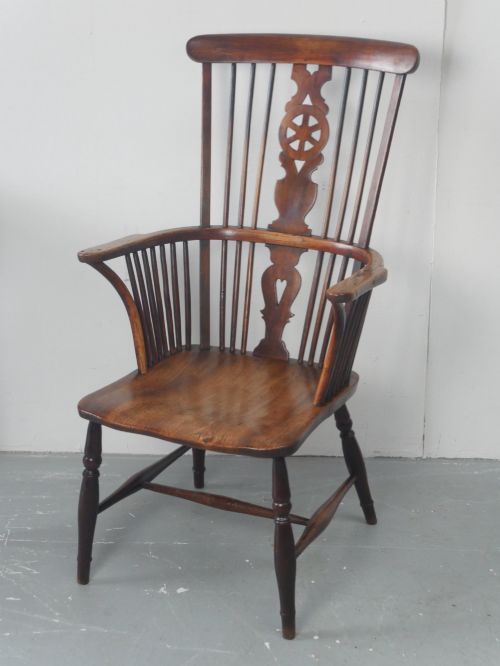
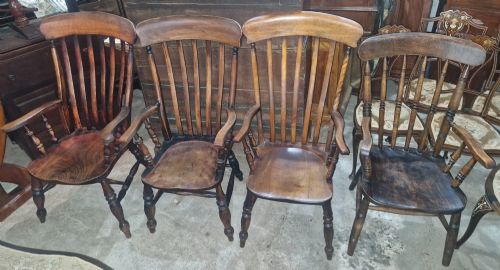
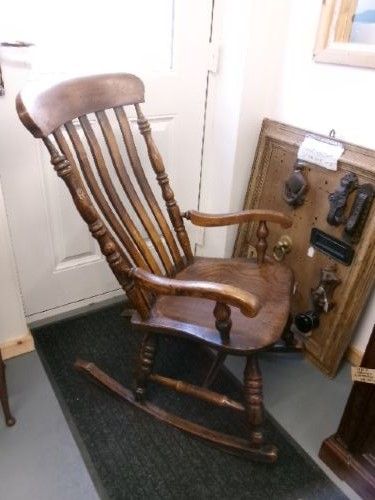
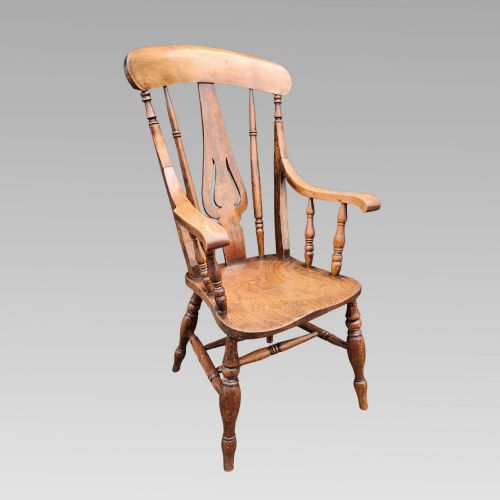
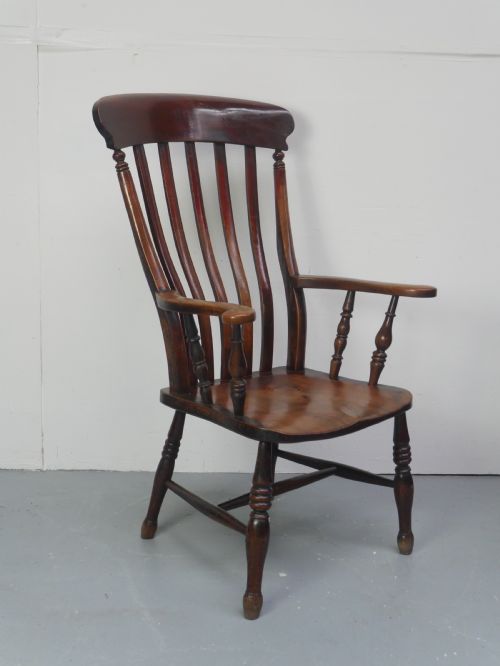
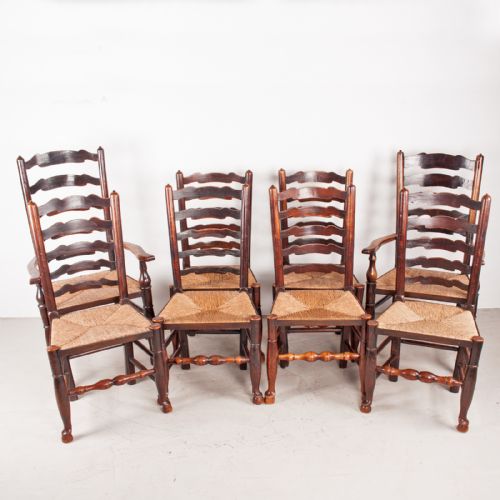
When you search for a farmhouse armchair, you encounter sturdy vernacular seating designed for domestic and kitchen use across the nineteenth and early twentieth centuries. The versions most commonly met on this page are Windsor and spindle back forms, alongside ladderbacks and occasional rocking chairs.
These chairs originate primarily from English and Welsh country traditions, spanning Victorian periods and extending into the early twentieth century. They range from standard kitchen dimensions to large proportions, including broadarm and extra tall variations.
Makers utilised regional styles such as Lancashire, Yorkshire, and Welsh patterns, employing local hardwoods and softwoods to create durable seating. The form prioritises functional strength and ergonomic comfort over formal decorative display.
What varies in quality
Quality rests in the balance of timber selection and the integrity of the original construction. Chairs featuring contrasting woods like fruitwood and elm or ash and elm show deliberate material pairing by the maker.
Proportion and scale distinguish standard production from exceptional examples, with larger carvers, broadarms, and extra tall formats commanding greater presence. The retention of original surface patination and tight, unaltered joinery elevates the standing of an individual piece.
Listings feature nineteen-century and early twentieth-century examples, incorporating periods such as Victorian, 1890, 1900, and 1920.
The Farmhouse Armchair Glossary
- Windsor
- A chair built with a solid wooden saddle-seat into which the legs, back spindles, and bow are separately inserted. This construction method ensures distinct structural stability.
- Ladderback
- A chair back constructed from horizontal slats or rails stacked between two upright posts. This traditional pattern often accommodates woven rush seats.
- Spindle back
- A chair back featuring numerous turned vertical wooden rods supporting the top rail. These components distribute pressure evenly along the sitter's back.
- Rush seat
- A seating surface woven from dried marsh reeds stretched across a wooden frame. This technique creates a resilient and pliable support.
- Broadarm
- A chair featuring an exceptionally wide wooden armrest designed for utility. This wide surface frequently accommodates writing or work tasks.
Farmhouse Armchair: Frequently Asked Questions
What is a farmhouse armchair?
A farmhouse armchair is a utilitarian wooden seat produced in British regional workshops during the nineteenth and early twentieth centuries. These chairs were built for heavy daily use in kitchens and domestic spaces.
They combine functional joinery with regional styles, utilising local timbers like elm, ash, and beech to create durable and supportive seating.
How do I identify a Windsor farmhouse armchair?
A Windsor armchair is defined by its solid carved wooden seat into which the legs and back components are fitted directly. Look for a central bow or hoop supporting vertical turned spindles.
Many examples feature a combination of elm seats with ash or fruitwood framing, providing both comfort and structural resilience.
Where were these chairs made?
These chairs were produced across rural workshops in England and Wales, with specific regional designs originating from areas like Lancashire and Yorkshire. Local timber availability dictated the choice of woods used in construction.
Maker traditions passed through generations, resulting in distinct local variations in back shapes and arm styles.
How do I live with a antique farmhouse armchair?
Living with a farmhouse armchair involves placing it in everyday settings where its sturdy construction can continue to be utilised. These chairs suit kitchens, dining tables, or fireside locations.
Maintain the timber by keeping it away from direct heat sources and treating the wood surface with appropriate natural waxes to preserve the finish.