



Farahan Wool Carpet
A farahan wool carpet brings traditional Persian craftsmanship into a room, offering resilient materials and classic patterns.
Farahan Wool Carpet
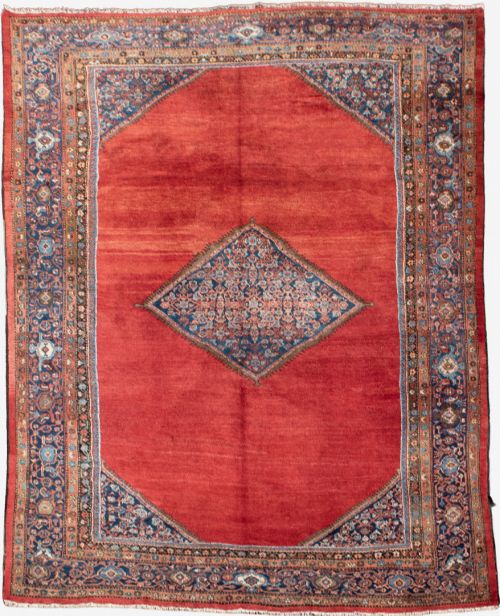
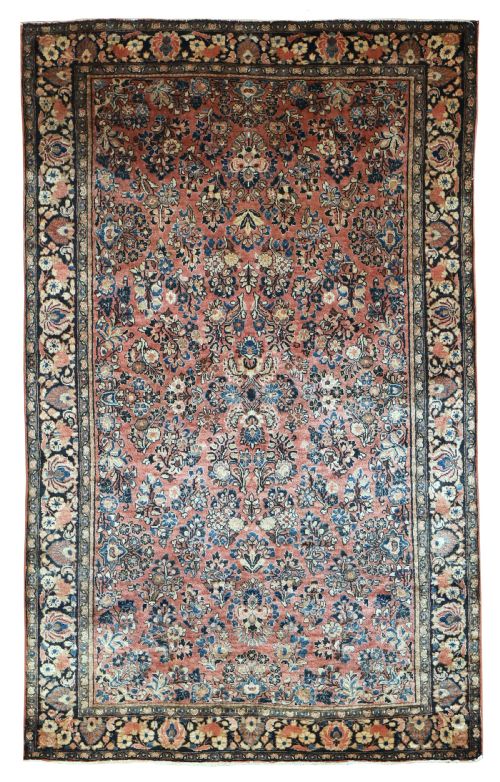
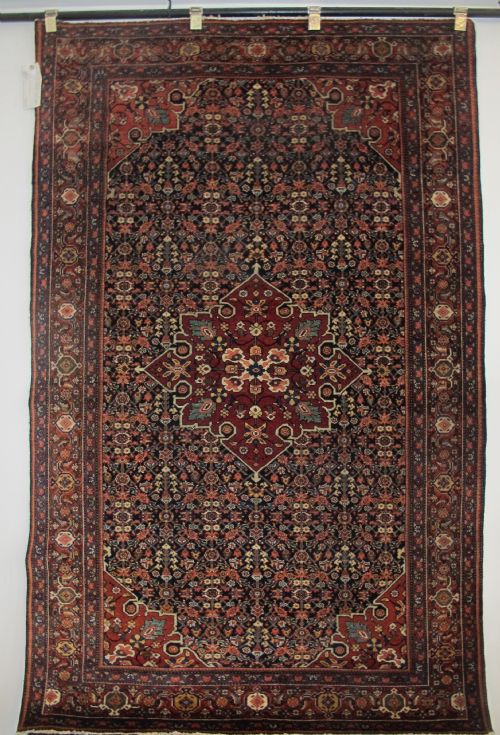
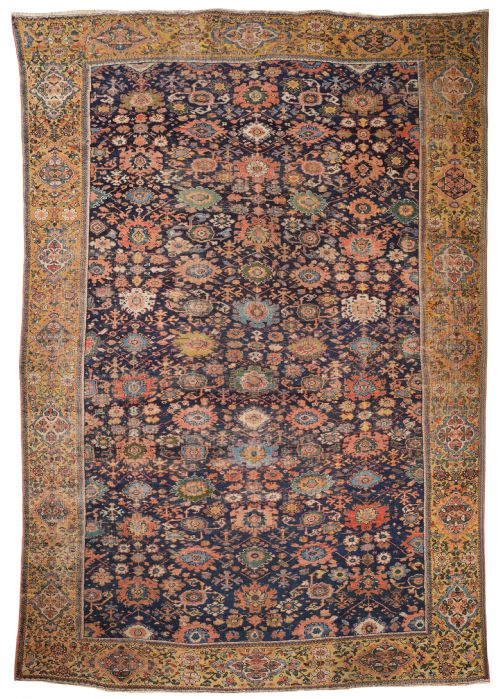
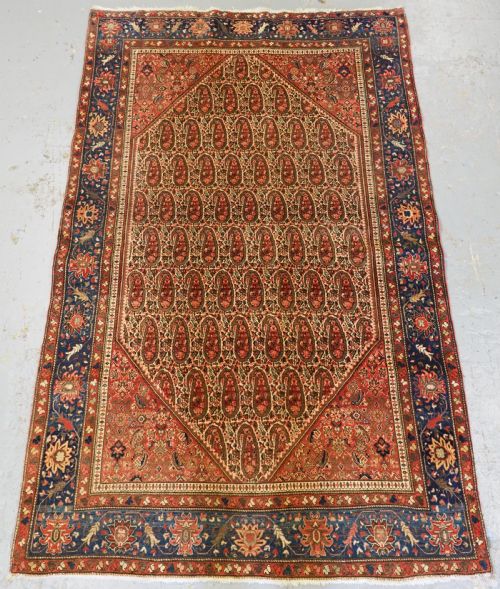
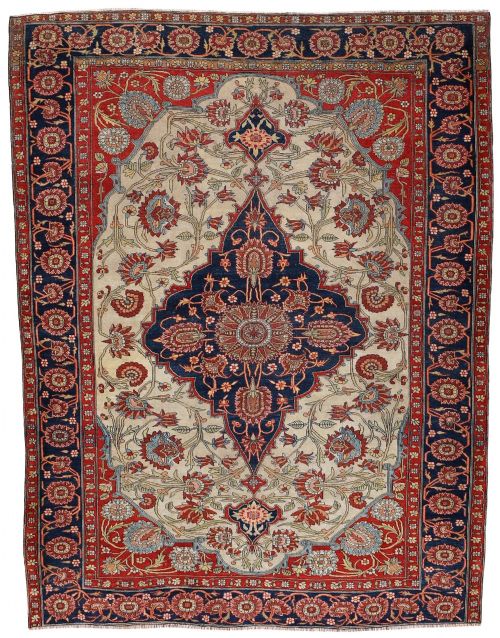
A farahan wool carpet represents traditional Persian weaving originating from West Persia, spanning periods from the mid-nineteenth century into the early twentieth century. These textiles appear as rugs, carpets, runner rugs, and area rugs in various square and rectangular room sizes.
Buyers seeking a farahan wool carpet encounter traditional Persian styles, including specific Fereghan and Sarouk Farahan designations. The pieces on this page primarily date from the 1850s through to the 1930s, displaying established regional layouts and motifs.
What Varies in Quality
The quality of a farahan wool carpet depends on the density of the weave and the precision of the traditional Persian patterns. Tighter knotting allows for sharper delineation of motifs like the boteh design across the wool surface.
Subtlety in soft colours and the integrity of the cotton foundations further distinguish individual rugs and carpets. Pieces with exceptionally fine weaves from West Persia demonstrate superior artisanal execution within the nineteenth and twentieth-century periods.
Some nineteenth-century weavers hid tiny intentional irregularities in their repeating borders to ward off evil eyes.
The Farahan Wool Carpet Glossary
- Boteh
- A stylised almond or pear-shaped motif commonly found in traditional Persian weaving. This ancient symbol recurs frequently across nineteenth-century West Persian carpets.
- Ferahan
- A regional designation for rugs and carpets produced in the Farahan district of West Persia. Pieces bearing this attribution often feature traditional Persian designs and fine wool construction.
- Sarouk
- A style of Persian rug originating from a village in central-west Iran known for dense cotton foundations and resilient wool piles. Sarouk Farahan pieces combine characteristics of both traditions.
- Runner
- A long, narrow carpet format designed primarily for hallways and corridors. These rugs accommodate linear spaces while maintaining traditional Persian patterns.
Farahan Wool Carpet: Frequently Asked Questions
How do I clean a farahan wool carpet?
Regular gentle vacuuming without a beater bar removes surface dust from the wool pile. Professional rug cleaners experienced with antique Persian textiles should handle deeper washing.
Avoid harsh chemical treatments or soaking the cotton foundation. Prompt attention to spills prevents staining on the soft colours of the wool.
Where were these carpets made?
These carpets originate from West Persia, specifically the Farahan region and surrounding weaving centres. Local artisans produced them using traditional techniques passed down through generations.
The regional workshops utilised locally sourced wool and cotton to construct durable rugs and room-size carpets for both domestic use and export.
Can I place a farahan wool carpet in a hallway?
Runner formats specifically suit hallways and narrow spaces. The durable wool pile withstands moderate foot traffic when placed in a corridor.
Using a suitable underlay prevents slipping and cushions the cotton foundation against hard flooring surfaces.
How do I date a farahan wool carpet?
Dating relies on stylistic attributes, weave density, and structural materials. Nineteenth-century examples often exhibit specific natural dye palettes and traditional Persian motifs.
Comparing the knot structure and regional design variations helps place pieces within periods spanning from the 1850s to the 1930s.