


Ferahan Oriental Rug
A ferahan oriental rug brings rich Persian artistry and enduring wool construction straight to the floor.
Ferahan Oriental Rug
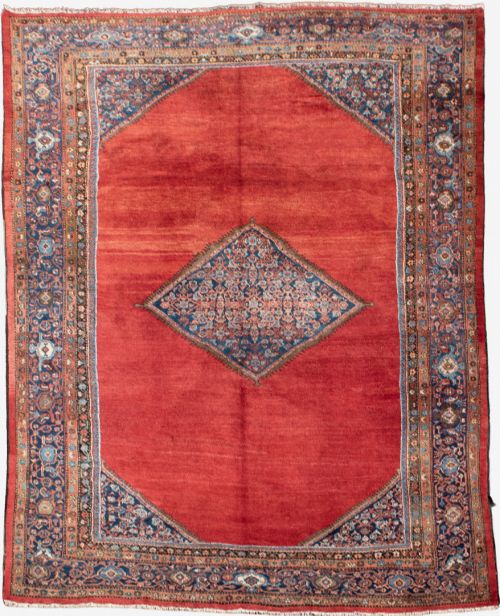
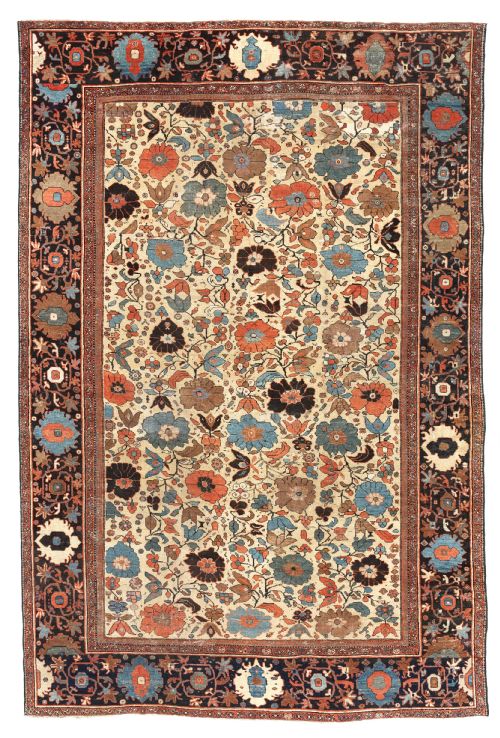
A ferahan oriental rug belongs to the traditional Persian weaving heritage, taking form as hallway runners, area rugs, and large carpets. These pieces emerge from the periods spanning from 1870 to 1920, representing established styles like Persian, Persian Ferahan, and Persian Fereghan.
Buyers searching for this phrase encounter various formats, from very narrow runners measuring over two metres to expansive carpets exceeding four metres. Some examples feature a plain field design, whilst others present patterned surfaces indicative of traditional Persian craftsmanship.
How they were made
The construction of these rugs relies primarily on wool and cotton materials, utilised together to provide structural foundation and a soft pile. Weavers built these pieces using traditional Persian techniques that accommodated both room-size square carpets and long hallway runners.
The careful handling of wool fibres created durable surfaces capable of withstanding centuries of foot traffic whilst retaining their characteristic aesthetic qualities.
One extraordinary carpet stretches to an immense 453 by 565 centimetres, requiring a remarkably large room to display its golden field.
What varies in quality
Distinction across these rugs rests in the precision of the weave and the clarity of the golden or patterned field design. Larger formats, such as grand carpets from the 1880s, demand exceptional technical skill in execution compared to smaller area rugs.
The visual impact of the wool pile and the structural integrity of the cotton foundation define the upper tiers of this tradition.
The Ferahan Oriental Rug Glossary
- Ferahan
- A traditional Persian rug type originating from specific workshops, known for refined floral or plain field designs. These pieces date across the late nineteenth and early twentieth centuries.
- Runner
- A long, narrow carpet format specifically designed for hallways and corridors. They measure significantly longer than they are wide.
- Field
- The central background area of the rug enclosed by the border. This space can be plain or decorated with traditional Persian motifs.
- Pile
- The upright yarn surface of the rug formed by the knotted wool fibres. It provides the tactile texture and visual depth of the piece.
Ferahan Oriental Rug: Frequently Asked Questions
Where should I place a long runner?
A very narrow runner suits hallways and corridors where floor space is restricted. The elongated dimensions fit linear areas while adding traditional Persian character.
Ensure the floor beneath is level and clean to protect the cotton foundation from unnecessary wear over time.
How do I identify a rug from 1880?
Pieces from the 1880s often display specific structural markers and wool characteristics typical of nineteenth-century Persian production. Examine the density of the weave and the natural tones within the golden field.
Comparing the format and material composition against known examples from the same decade clarifies the dating.
Are these rugs suitable for daily use?
These wool and cotton creations were built for practical domestic environments. Their sturdy construction handles regular foot traffic in living spaces and reception rooms.
Regular rotation and gentle maintenance help preserve the pile and foundation for continued daily enjoyment.