


Famille Rose Basin
These famille rose basin examples are vibrant ceramic vessels, bringing intricate polychrome enamel palettes and traditional forms directly into your interior.
Famille Rose Basin
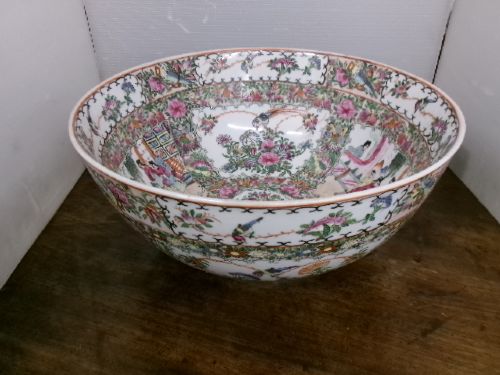
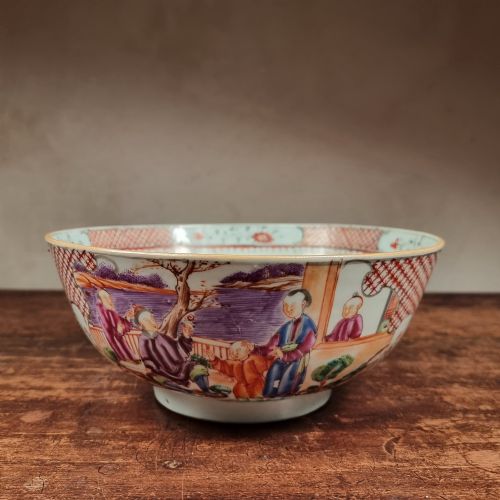
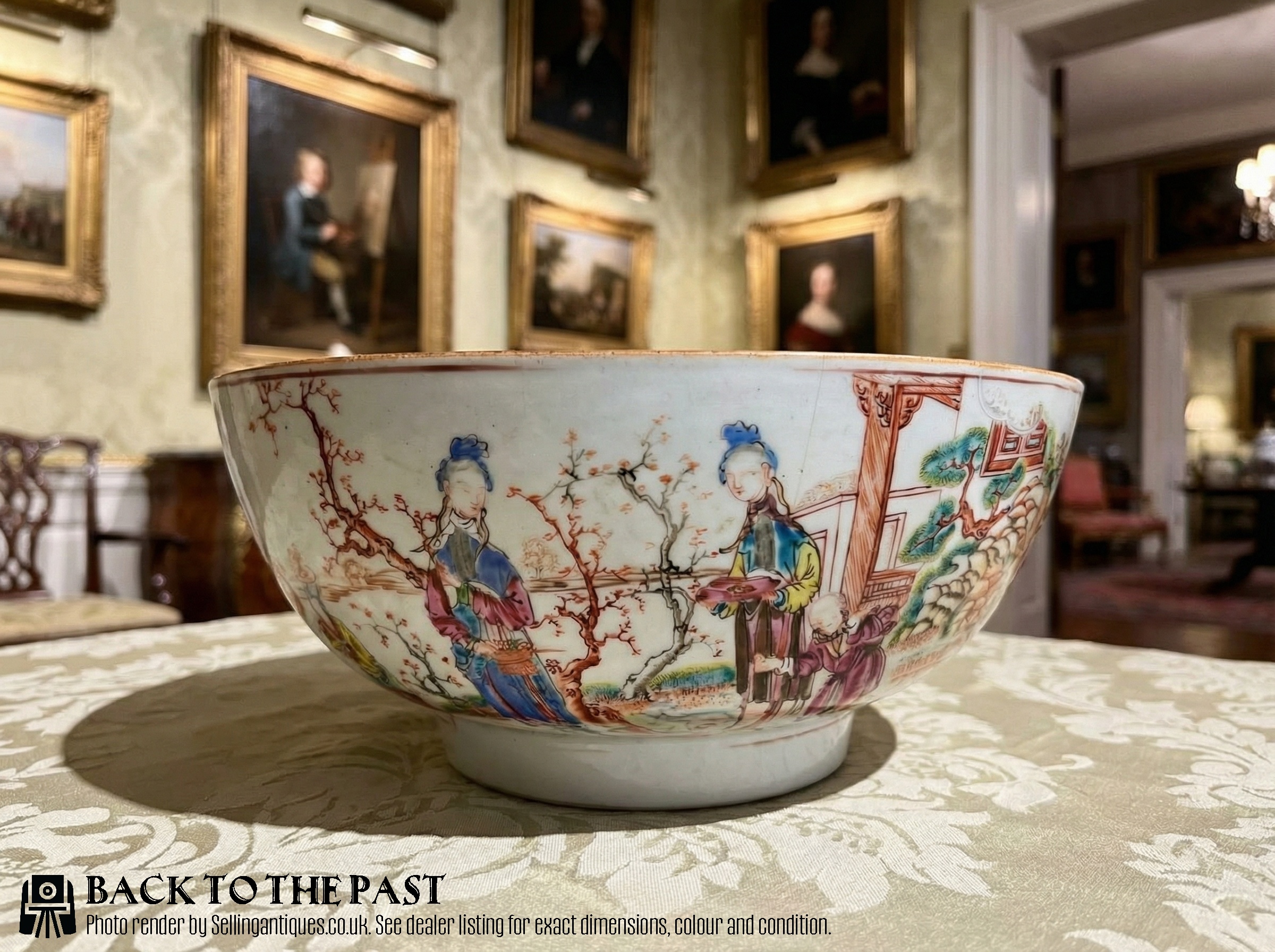
A famille rose basin brings together traditional porcelain and distinct overglaze enamel decoration originating from historical Chinese periods. When searching for a famille rose basin, a buyer frequently encounters pieces from the nineteenth century alongside Chinese export and Qing dynasty creations.
The selections available here showcase significant decorative forms including punch bowls, jardinieres, and centrepiece bowls. Large Canton hand painted bowls and rose medallion basins dominate the physical options presented on this page.
Originating through trade and imperial production, these basins display complex hand-painted motifs executed in varied regional workshops. Buyers will notice both lobbed rectangular bowls and circular forms rendered in substantial diameters.
Materials and methods
Makers shaped these items using fine porcelain as a foundational ceramic body, often applying a clear glaze before secondary decoration. Overglaze enamel application then allowed artists to build up intricate polychrome scenes by hand.
Gilt bronze or ormolu mounts occasionally appear on these vessels, adding structural support and ornamental framing to the porcelain. Gold leaf and standard gilding further highlight specific rims, motifs, and structural borders.
Cobalt blue motifs sometimes integrate with the broader enamel schemes, providing contrast beneath or alongside the dominant famille rose palette.
Some nineteenth-century punch bowls retain traces of eighteenth-century festivities, having spent centuries swapping punch for peonies.
Assessing quality
The fineness of the hand-painted brushwork distinguishes the superior examples from standard production pieces. Detailed facial expressions in figure scenes and precise botanical rendering indicate higher artisan skill.
The richness and stability of the overglaze enamels and applied gilding mark another clear division in standard. Depth of colour and meticulous placement across large surfaces elevate the visual impact of the basin.
Scale and structural integrity define the most impressive specimens, particularly when large dimensions combine with unblemished porcelain forms and well-preserved ormolu mounts.
The Famille Rose Basin Glossary
- Famille rose
- A primary palette of opaque pink enamel introduced to Chinese ceramics during the Qing dynasty. This palette allowed painters to create nuanced shading and complex pictorial scenes.
- Canton
- A major trading port in southern China associated with prolific porcelain decoration for export markets. Canton pieces often feature densely packed figural and floral compositions.
- Rose medallion
- A specific decorative layout featuring alternating panels of figures and birds or flowers. These panels are typically arranged around a central medallion in bright enamels.
- Ormolu
- Gilt bronze mounts applied to furniture and porcelain vessels. French influence and European trade frequently brought about this decorative pairing.
- Punch bowl
- A large open vessel originally designed for mixing and serving alcoholic beverages at social gatherings. Their generous scale made them ideal canvases for detailed enamel painting.
Famille Rose Basin: Frequently Asked Questions
What is a famille rose basin?
A famille rose basin is a porcelain vessel decorated with an opaque pink enamel palette, often featuring hand-painted figures or floral motifs.
These large bowls and jardinieres served decorative and utilitarian functions in historic households, functioning as centrepieces or washing vessels.
How were these basins used?
Historical records and physical forms indicate these vessels acted as punch bowls, decorative centrepieces, or large planters.
Their substantial size and ornate painting meant they were displayed prominently in public rooms rather than hidden away.
How do I clean a porcelain basin?
Dust gently with a soft, dry cloth to prevent accumulation without risking the delicate overglaze enamels or gilding.
Avoid harsh chemical cleaners and do not submerge pieces with metal mounts in water.
Are these pieces waterproof?
While made from fired porcelain, historic basins with applied ormolu or delicate enamels are best used for dry display.
Direct, prolonged contact with water can compromise aged materials and any historic adhesive elements.
How do I identify Canton porcelain?
Canton porcelain typically exhibits dense hand-painted compositions filled with vibrant colours, birds, butterflies, and court figures.
The painting style reflects the bustling export workshops operating in southern China during the nineteenth century.