


Faience Wall Plate
A faience wall plate brings tin-glazed earthenware into interiors, offering historic hand-painted patterns for display.
Faience Wall Plate
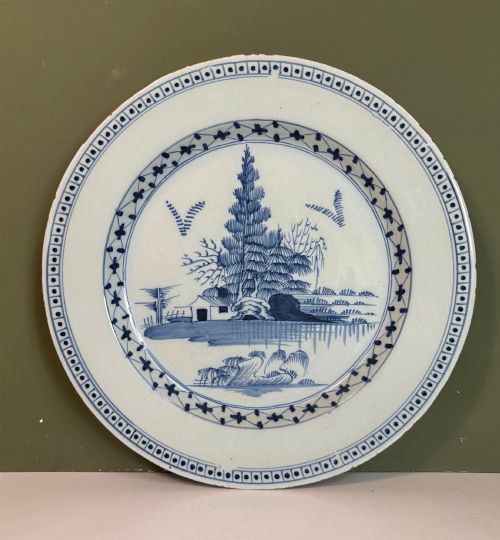
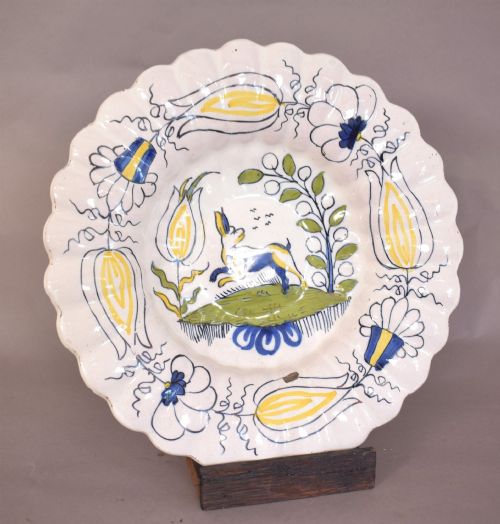
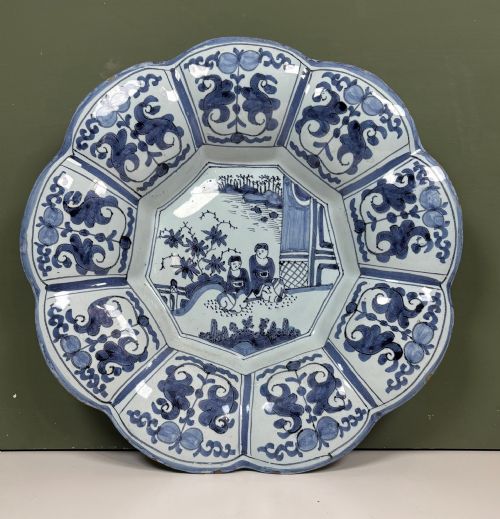
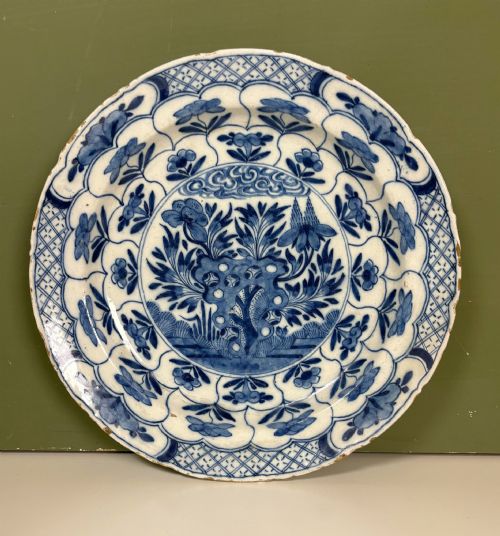
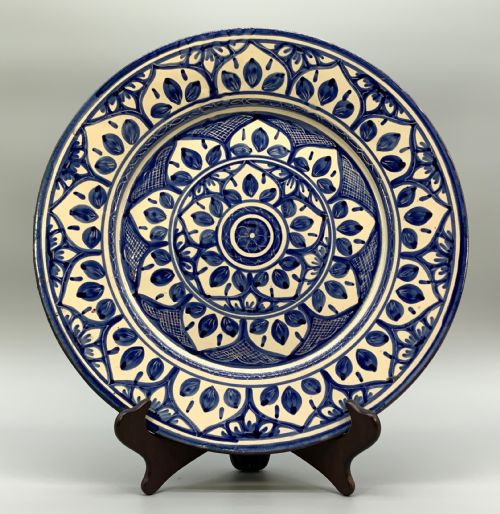
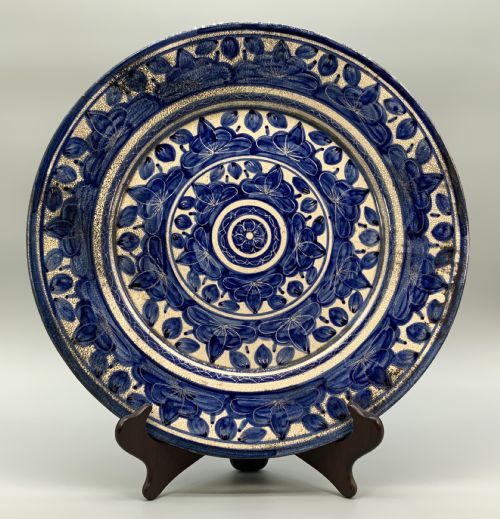
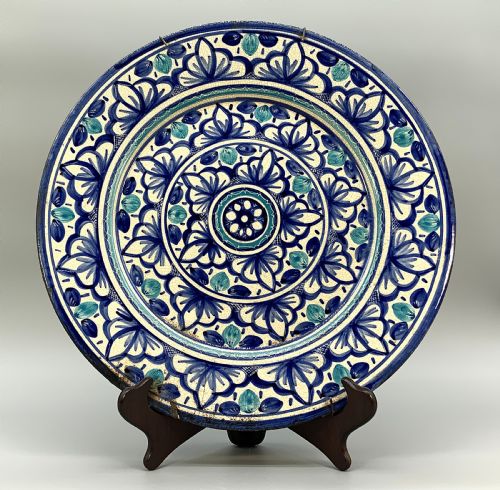
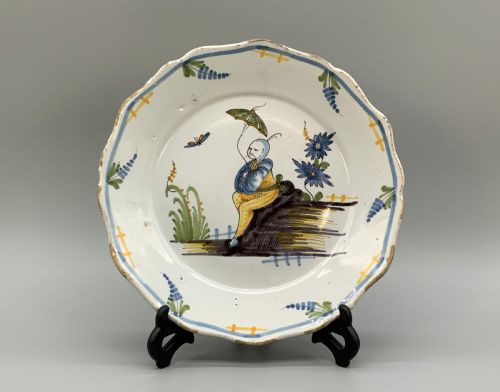
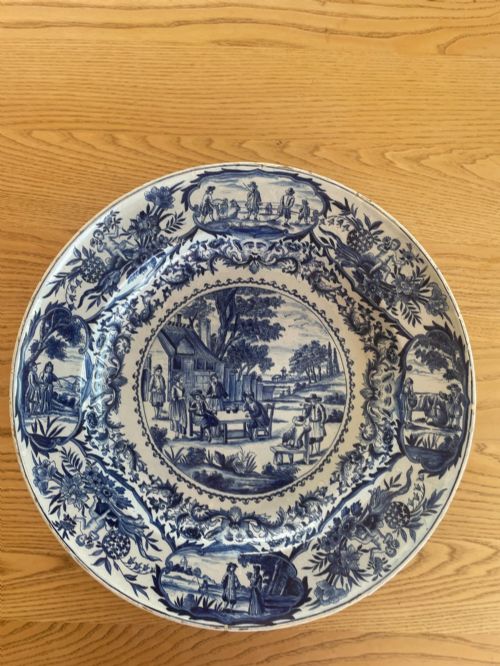
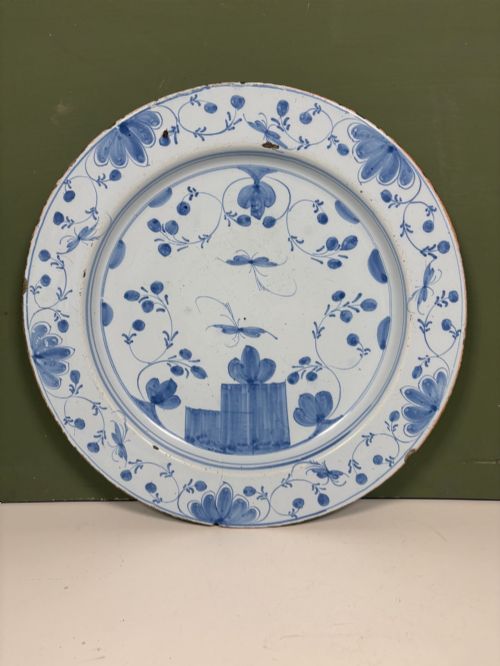
A faience wall plate is a ceramic dish intended primarily for display rather than dining. When you search for this phrase, you encounter decorative chargers, platters, and dishes originating from diverse European traditions. The pieces span centuries of production, with a strong representation of Dutch, French, Spanish, and Italian workshops.
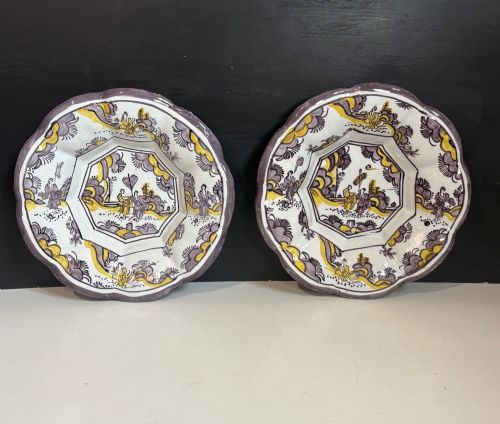
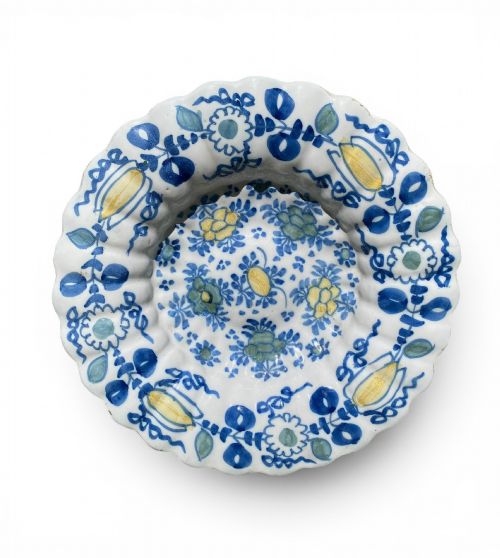
You meet chargers and dishes ranging from modest plates to large wall vessels. The forms encompass deep bowls, flat chargers, and lobed dishes designed to hang upon walls or rest on surfaces. Eighteenth-century examples appear frequently alongside nineteenth-century revivals and continental interpretations.
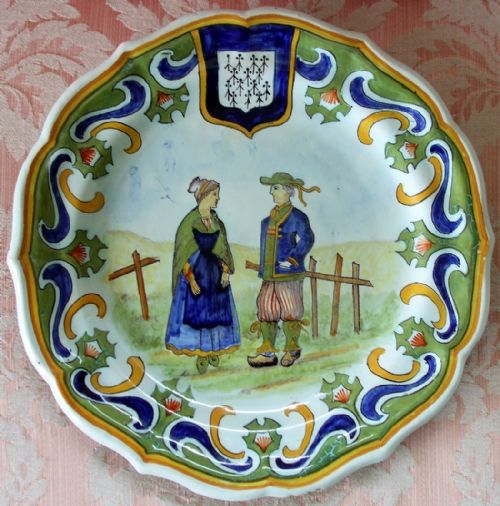
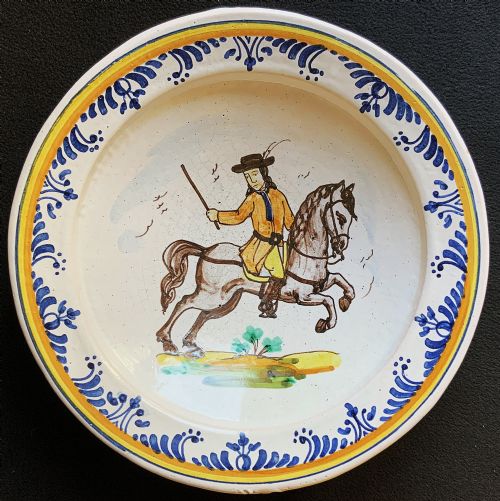
Continental output dominates the selection, particularly Dutch Delftware and French regional wares. These items display varied regional aesthetics, from blue and white maritime motifs to rich polychrome geometric patterns. Each version reflects the specific kiln traditions of its origin.
How they were made
Makers formed these plates from earthenware, shaping the clay by hand or upon a wheel before applying a specialised glaze. The signature white surface derives from tin glaze, an opaque tin-oxide mixture that provides a smooth canvas for pigments.
Painters applied cobalt pigment and various mineral colours directly onto the unfired or slightly fired glaze. This technique, known as high-temperature painting, causes the colours to absorb slightly into the surface during firing, creating soft edges around the brushwork.
One plate records an early 19th-century artist's illustrated warning titled A Rake's Progress.
What varies in quality
Quality rests primarily on the crispness of the hand-painted decoration and the purity of the tin glaze. Superior examples display confident, fluid brushstrokes that convey movement and depth within floral or historical scenes.
The complexity of the palette also separates grades of production. Simple blue and white schemes require skilled control of cobalt dilution, whereas polychrome pieces involving manganese, yellow, and green demand precise multi-stage firing to prevent pigment bleeding.
Veuve Perrin·Bassano pottery works
The Faience Wall Plate Glossary
- Faience
- Tin-glazed earthenware produced in Europe, particularly in France and other continental regions. The term encompasses a wide variety of decorative plates and wall chargers.
- Tin glaze
- An opaque white glaze made by adding tin oxide to a lead glaze base. This mixture provides the characteristic reflective surface typical of delftware and maiolica.
- Charger
- A large decorative plate or dish intended for display on a wall or sideboard. These substantial pieces often feature elaborate historical or geometric scenes.
- Polychrome
- Decoration utilising multiple colours rather than a single pigment. In these ceramics, artists combine blues, yellows, oranges, and greens on a white tin-glazed ground.
- Cobalt pigment
- A metallic blue colouring agent used extensively in ceramic decoration. It withstands high kiln temperatures without losing its intense hue.
Faience Wall Plate: Frequently Asked Questions
How do I hang a wall plate safely?
Displaying a heavy charger requires a specialised spring-loaded wall hanger that distributes weight evenly across the rim. Ensure the wire and wall fixing match the substantial weight of earthenware.
Avoid mounts that pinch the edges too tightly or rely on adhesives applied directly to the unglazed foot ring. Secure fixings protect the historic ceramic from accidental falls.
Can I use these plates for food?
Historic tin-glazed plates serve primarily as decorative objects rather than functional tableware. The soft earthenware and historical glazes are vulnerable to modern detergents and cutlery.
Displaying them on walls or cabinets preserves the fragile painted surfaces from wear and chemical damage. Enjoy them as visual art rather than dining utility.
How do I distinguish Dutch delft from French faience?
Dutch delft typically relies on crisp blue and white motifs inspired by Chinese porcelain or local maritime scenes. The bodies and glaze formulations reflect specific northern European kiln practices.
French faience from centres like Marseille, Quimper, or Desvres often incorporates warmer polychrome palettes and distinct regional subjects. Examining the palette and painting style clarifies the geographic origin.
What is the difference between a plate and a charger?
A charger is substantially larger than a standard dining plate, usually measuring well over thirty centimetres in diameter. These large vessels were made to dominate wall displays or formal sideboards.
Plates remain smaller and were historically produced in matching sets for table service or modest wall arrangements. Both share the same tin-glazed earthenware construction.