
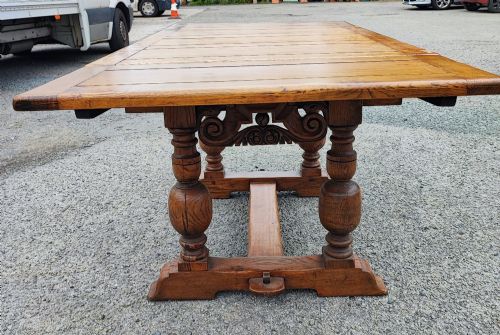
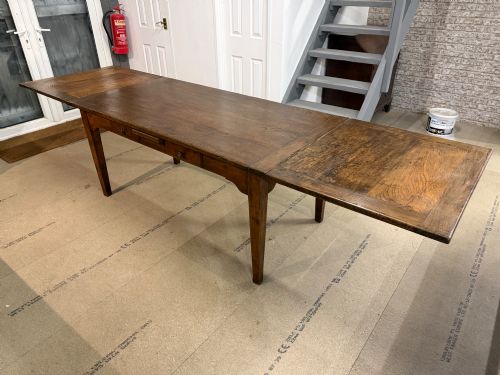
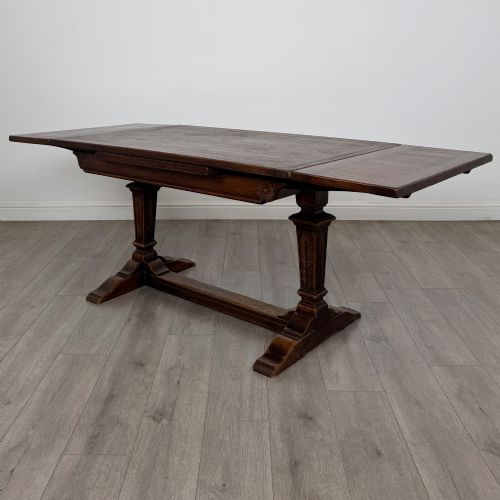
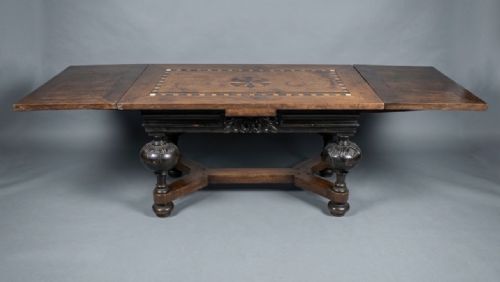
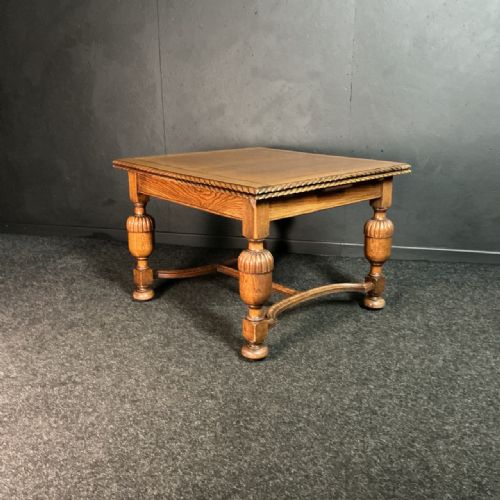
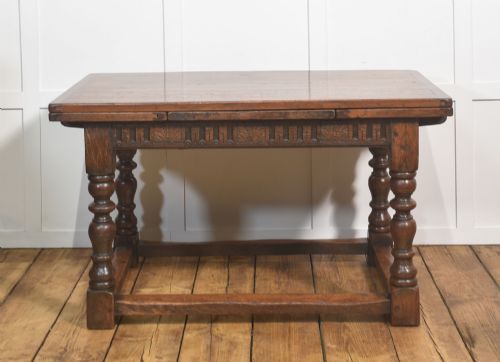
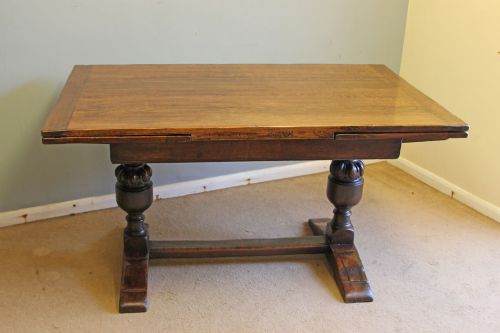
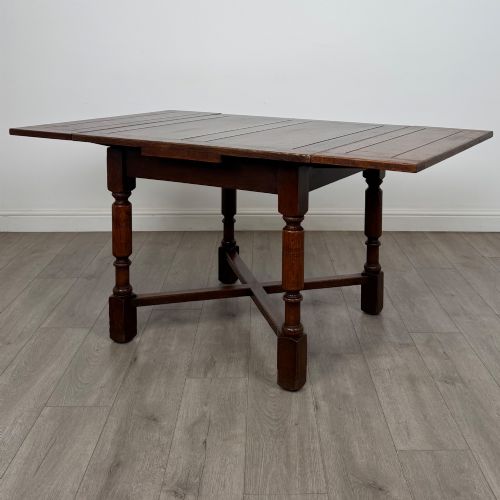
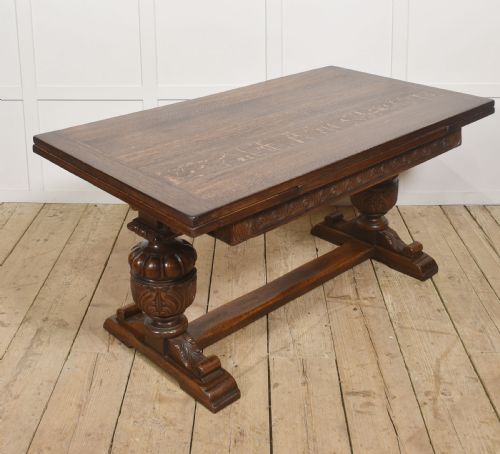


Extending Oak Refectory Table
An extending oak refectory table brings long-standing dining tradition together with practical adaptability for modern rooms.
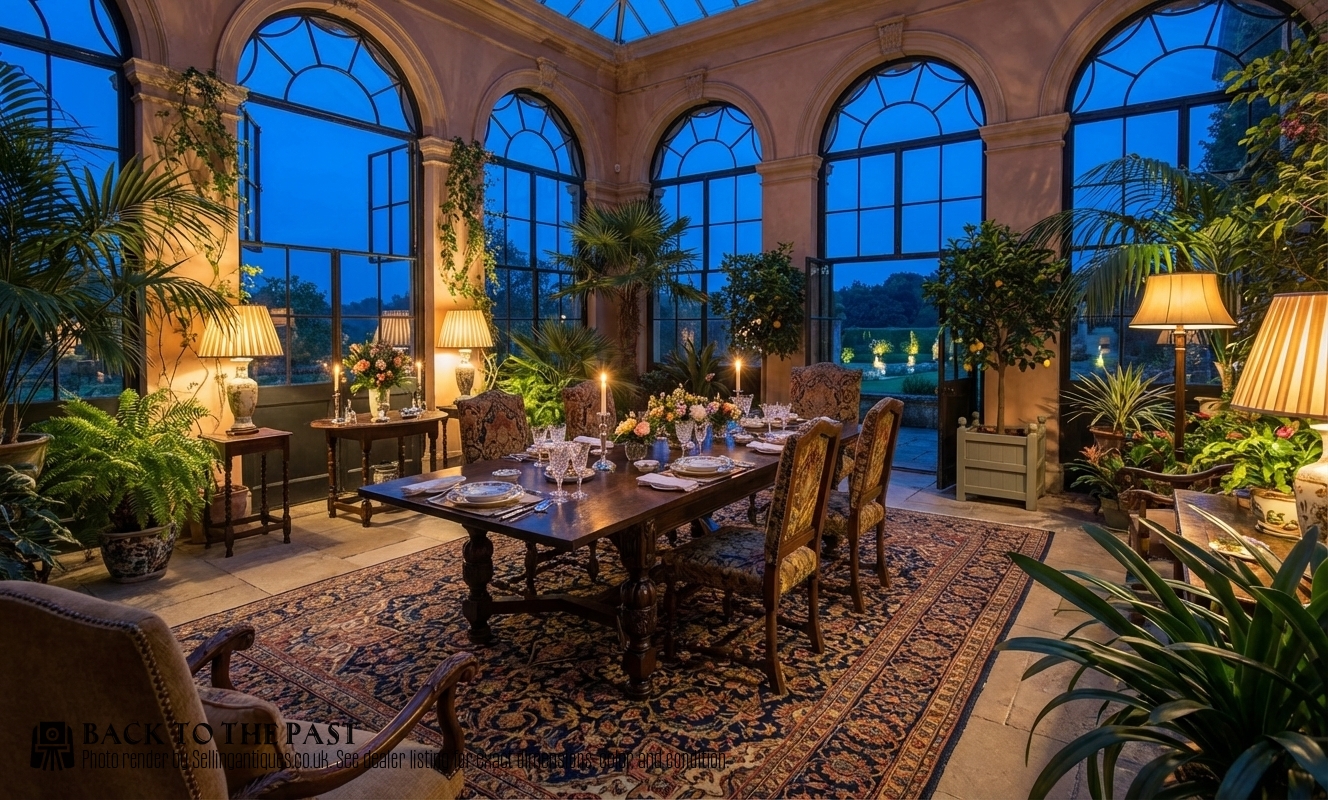
Extending Oak Refectory Table
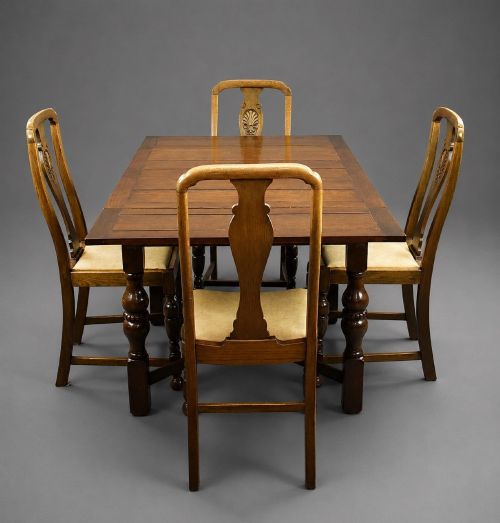
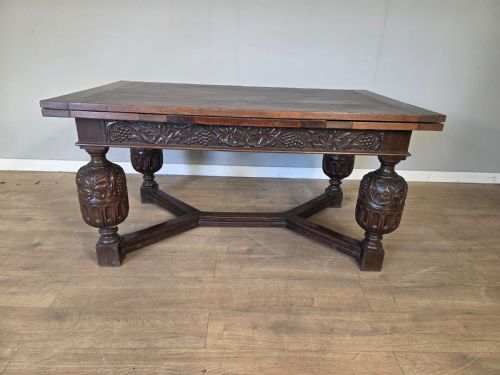
When searching for an extending oak refectory table, buyers examine robust dining pieces designed to expand for larger gatherings. The pieces recorded here span centuries of craftsmanship, from seventeenth-century originals to revival pieces made in the nineteenth and early twentieth centuries.
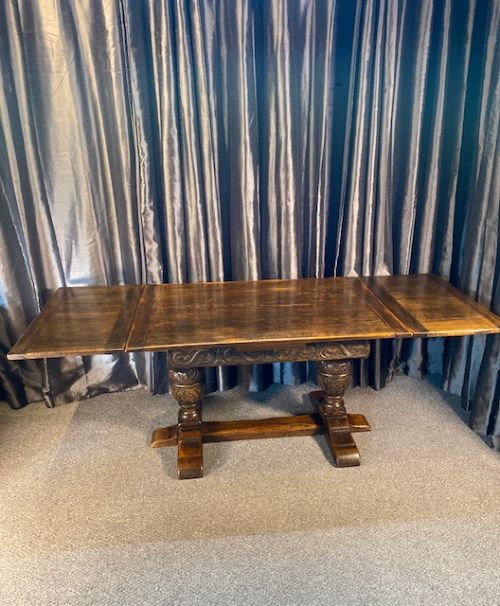
The format typically relies on draw-leaf mechanisms or pull-out extensions fitted beneath the main top. These clever additions allow the surface area to increase significantly without disturbing diners seated along the sides.
Materials and Construction
Solid oak and scrubbed oak form the primary structural materials across the selection, complemented occasionally by fruitwood, walnut, and pine elements. Cabinetmakers shaped these dense timbers using traditional joinery to ensure stability when the leaves are fully extended.
Surface treatments range from simple waxed finishes to decorative wood inlay and French parquetry. Some examples incorporate clever functional details such as bread slides alongside the main extension mechanism.
Listings feature oak alongside fruitwood, walnut, and pine, reflecting styles from Jacobean Revival and Elizabethan Revival to French Country.
Distinctions in Quality
Quality rests upon the precision of the extension mechanism and how smoothly the leaves glide from beneath the top. Superior examples maintain a level surface and steady footing whether closed for daily use or pulled out to maximum length.
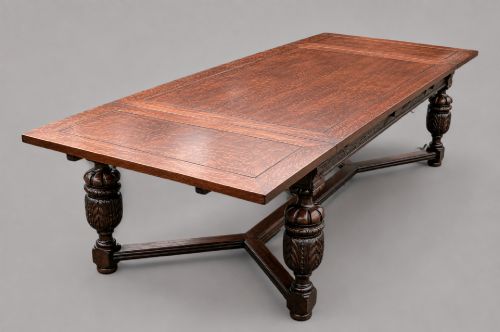
The selection of timber grain and the integrity of the joinery define the character of the piece. Tables retaining well-matched oak boards and crisp carved details stand apart from simpler utilitarian versions.
Maple and Co
The Extending Oak Refectory Table Glossary
- Refectory table
- A long dining table historically used in monastic dining halls. These pieces retain the generous proportions and sturdy underframing suited to communal dining.
- Draw leaf table
- A dining table with subsidiary leaves stored beneath the main top. These pull out from each end to extend the surface length.
- Parquetry
- A geometric mosaic of wood pieces used for decorative floors or table tops. This technique adds visual texture to French farmhouse examples.
- Bread slide
- A pull-out wooden shelf historically used for slicing bread or cooling loaves. This practical feature appears on specific regional kitchen tables.
Extending Oak Refectory Table: Frequently Asked Questions
How do draw leaf extensions work?
Secondary leaves sit directly beneath the main surface on sliding wooden runners. Pulling them outward causes them to rise into place as the table lengthens.
This design keeps the extension leaves stored neatly out of sight when extra seating space is unnecessary.
What periods do these tables represent?
The pieces span from the seventeenth century through the Victorian era and into the early twentieth century. Many revival styles from the Edwardian period and the 1920s replicate earlier Elizabethan and Jacobean designs.
Original seventeenth-century pieces appear alongside nineteenth-century farmhouse interpretations and twentieth-century reproductions.
How should I care for an oak surface?
Routine maintenance involves dusting with a dry cloth and applying natural wax periodically to nourish the grain. Avoiding excessive moisture and direct heat protects the timber from warping.
Solid oak responds well to gentle cleaning that preserves the historic patina built up over decades of use.
Are these tables suitable for daily kitchen use?
Farmhouse and kitchen dining variations are built from durable hardwoods designed for heavy everyday traffic. Their robust construction handles active family dining and food preparation comfortably.
Unfinished scrubbed oak and polished surfaces both withstand regular use provided spills are wiped away promptly.