







European Wood Sculpture
European wood sculpture brings enduring devotional and secular figures into your home, fashioned from oak, limewood and fruitwood over centuries.
European Wood Sculpture
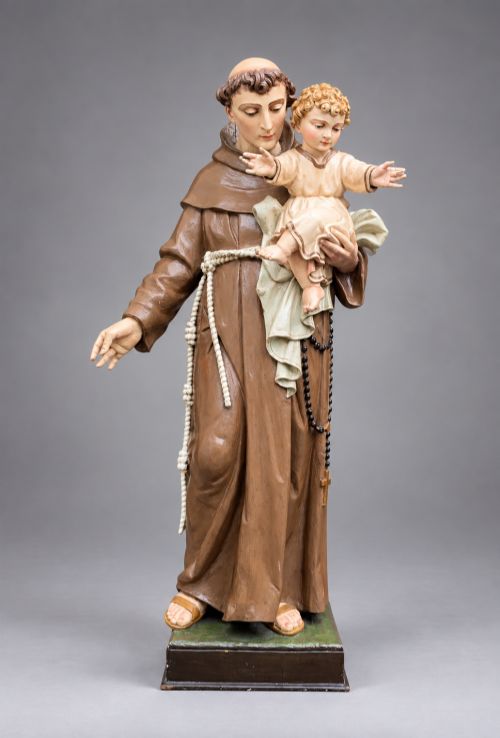
European wood sculpture encompasses religious statues, secular busts and folk art figures originating from workshops across the continent. When exploring european wood sculpture, collectors frequently encounter figures rendered in oak and polychrome paint, ranging from medieval saints to nineteenth-century folk carvings.
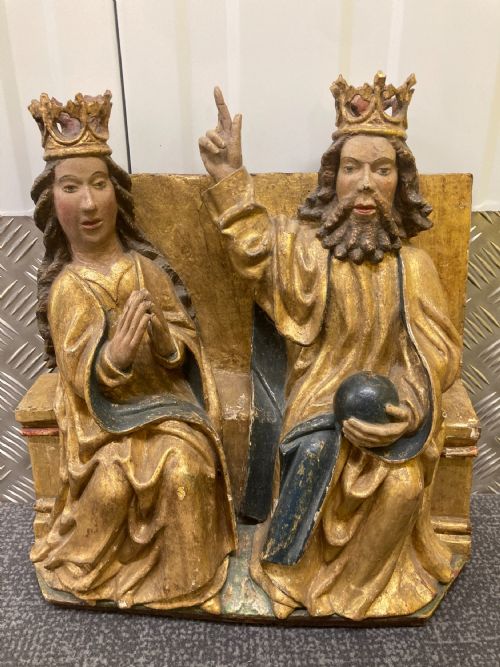
The selection spans numerous eras, including pre-sixteenth century fragments, Renaissance altarpiece groups, Baroque interpretations and twentieth-century whimsical figures. These pieces range from monumental life-size church carvings down to intimate domestic devotional statues and portrait busts.
Regional origins vary widely, touching upon traditions from the Upper Rhine, Croatia, Ukraine, the Czech lands and Mechelen. Each piece reflects the sculptural idioms and cultural priorities of its specific geographic and temporal origin.
Materials and carving techniques
Many historical figures received an initial preparatory ground of gesso before painters applied polychrome pigments, metallic leaf or gilding. This combination of carved wood and surface paint created lifelike dimension and devotional splendour for church interiors and domestic spaces.
European Wood Sculpture Retail Price Guide 2026
Typical asking prices for european wood sculpture among the pieces listed under this phrase on Sellingantiques today, from the lower quarter to the upper quarter. They describe what is for sale here now, not the wider market.
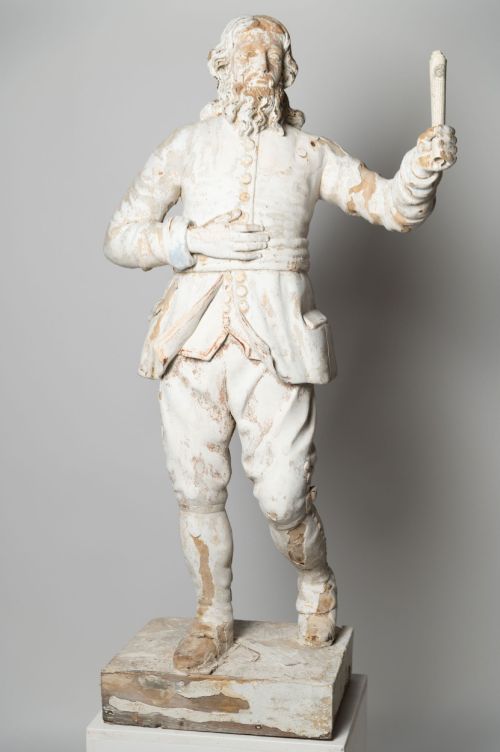
Among the solemn saints and noblemen, an amusing night watchman stands guard with unexpected Ukrainian provenance.
Evaluating sculptural merit
The distinction between ordinary workshop production and exceptional hand carving lies in the anatomical precision of the hands, the fluid fall of fabric folds and the emotional resonance of the face. Superior carvers captured subtle turns of the head and depth in the gaze that lesser artisans missed.
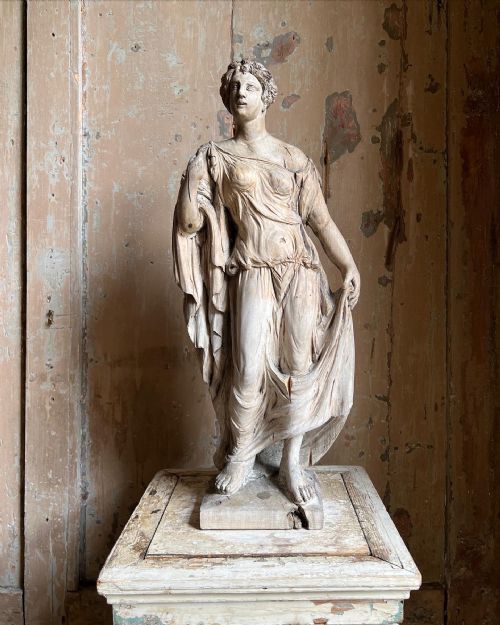
Survival of original surface treatments profoundly influences the integrity of a piece. Carvings retaining early polychrome paint, gilding or untreated aged patination offer a truer witness to their period than those stripped or aggressively refinished by later hands.
Boudewijn Tuerlinckx
The European Wood Sculpture Glossary
- Polychrome paint
- The multi-coloured decoration applied directly to the surface of wood sculpture. It often consists of earth pigments bound in oil or tempera.
- Gesso
- A traditional white paint mixture consisting of a binder mixed with chalk, gypsum or pigment. It served as a smooth foundational base for subsequent gilding and polychrome work.
- Giltwood
- Timber that has been decorated with a very thin layer of gold leaf or powder. This technique brought divine luminescence to religious altarpieces and figures.
- Limewood
- A fine-grained, pale timber favoured by European carvers for its even texture and lack of pronounced grain. It allowed artisans to execute intricate undercut details without splitting.
- Donor figure
- A sculpture depicting the person who commissioned a religious work, typically shown kneeling in prayer. These figures frequently appear alongside saints in medieval and Renaissance altarpieces.
European Wood Sculpture: Frequently Asked Questions
How do I date a wood sculpture?
Dating relies heavily on stylistic cues in the clothing, hair and facial carving, alongside the tool marks left on the reverse of the timber. Analysing the wood species and the ageing pattern of any gesso or pigment layers provides further chronological context.
Examining construction methods, such as pegged joints or hollowed-out backs to prevent splitting, also helps narrow down the period of creation.
Where were these sculptures originally displayed?
Many ecclesiastical figures stood within church niches, altarpieces or rood screens, serving as focal points for communal prayer and veneration. Domestic pieces occupied private homes, shrines or schloss interiors for personal devotion.
Secular figures and folk carvings often decorated living spaces, guildhalls or workshops as expressions of regional culture and daily life.
How should I care for antique wood sculptures?
Keep wooden carvings away from direct sunlight, radiators and dramatic swings in humidity to prevent the timber from drying out, warping or cracking. Dust them gently with a soft, dry brush without applying modern polishes or cleaning agents.
Maintaining a stable indoor climate is the single most effective way to preserve the structural integrity and original surface of old wood.
What is the difference between folk art and church sculpture?
Church sculpture was typically produced within trained guild traditions to meet strict theological and aesthetic standards for liturgical use. These pieces often display refined anatomical understanding and sophisticated iconography.
Folk art sculptures usually arose from rural or independent makers working outside formal guild constraints, prioritising expressive character, local materials and charming simplicity over academic precision.