





Ethnic Wool Carpet
An ethnic wool carpet brings rugged nomadic geometry and rich regional history directly into a modern interior.
Ethnic Wool Carpet
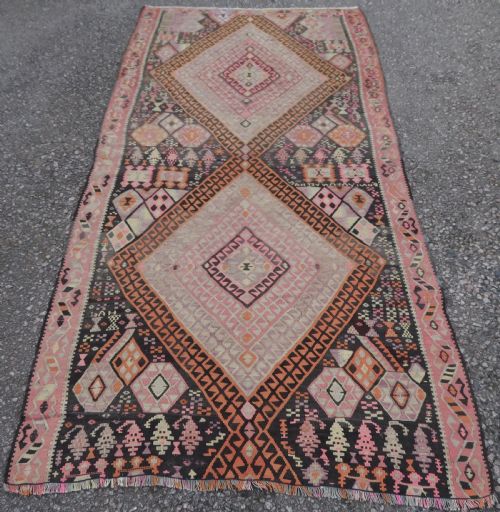
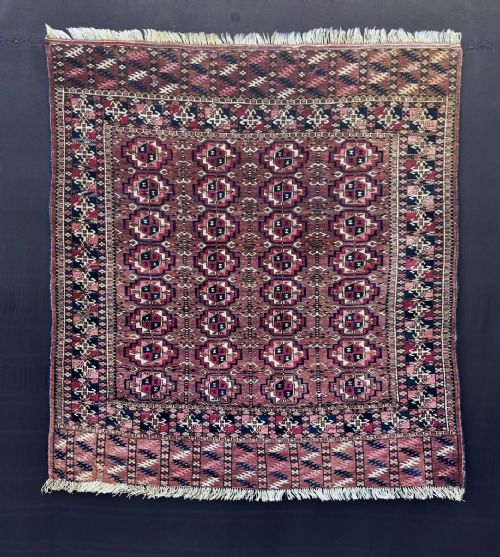
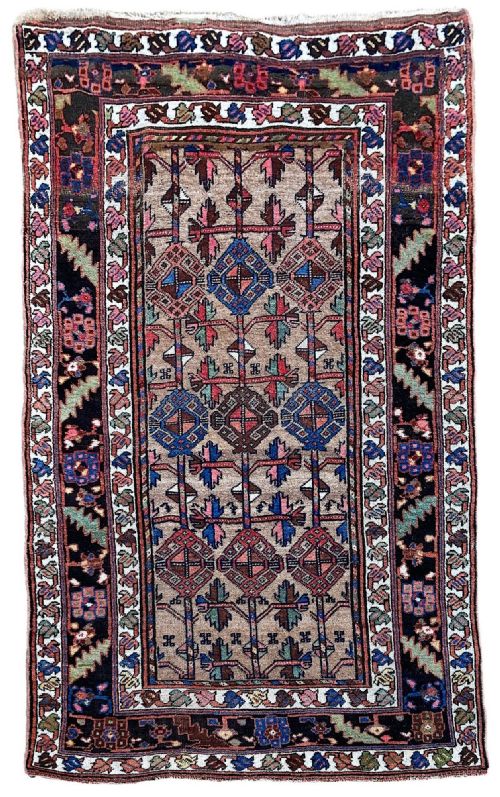
An ethnic wool carpet encompasses tribal rugs, nomadic runners, flatwoven kilims, and dowry textiles produced across Central Asia, Persia, the Caucasus, and Anatolia. When searching for this phrase, buyers encounter Pirot kilims, Kurdish family rugs, and Turkmen wedding weavings originating from the nineteenth and early twentieth centuries. These pieces reflect distinct village traditions rather than urban manufactories, displaying tribal motifs and field patterns handed down through generations.
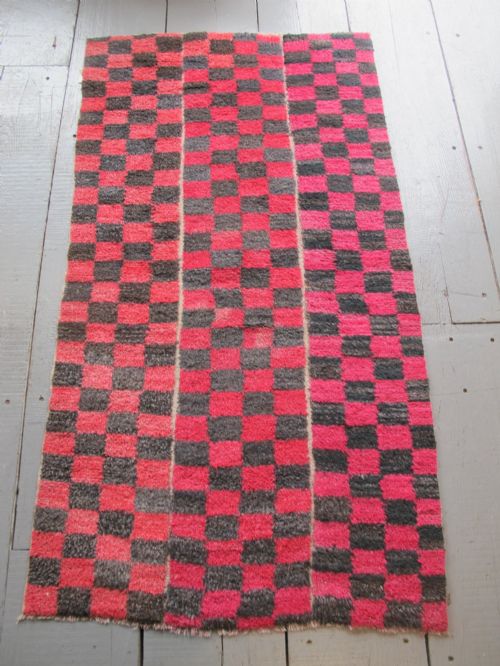
The material form varies from dense pile carpets designed for floor use to flatwoven kilim panels and padded carpet cushions. Pieces span diverse origins including Turkmenistan, Afghanistan, Tibet, and the Caucasus, dating primarily from the eighteen-sixties through the nineteen-thirties. Buyers most frequently meet nomadic tribal rugs and geometric village runners that utilise traditional room formats.
Materials and construction
Weavers utilised natural sheep wool, hand-spun wool, Tibetan wool, cotton foundations, and occasional goat hair for resilience. These animal fibres provided durability for nomadic life, taking natural dye absorption exceptionally well across varied regional workshops.
Production methods rely on traditional hand-knotting or flatweaving techniques such as slit-tapestry weave seen in kilims. Artisans constructed heavy pile rugs and lightweight dowry textiles on vertical or horizontal looms using local materials.
Current listings feature pieces spanning the 1860s to the 1930s, utilising wool, cotton, and goat hair across rug, runner, and kilim formats.
Assessing quality in tribal weaving
Quality rests upon the tightness of the weave, the integrity of the foundation threads, and the crispness of the graphic design. Tighter knotting and sturdier wool selection separate daily utility items from finer ceremonial pieces.
The depth and preservation of natural dyes dictate visual success, alongside the precision of tribal motifs such as gol octagons or cloud band designs. Intact borders and original selvedges elevate the standing of a textile.
The Ethnic Wool Carpet Glossary
- Kilim
- A flatwoven carpet or rug produced without a pile by tightly interweaving warp and weft threads. These textiles often display sharp geometric patterns and serve as floor coverings or wall hangings.
- Kap
- A small tribal storage bag or face piece, traditionally woven by Yomut or other Turkmen groups. They feature characteristic gull patterns and dense wool pile.
- Gol
- A repeating octagonal medallion motif frequently found in Turkmen and Central Asian tribal carpets. Each design identifies specific tribal lineages and weaving groups.
- Warp
- The vertical foundation threads stretched lengthwise on a loom before weaving begins. Weft threads pass horizontally through these structural elements.
- Selvedge
- The reinforced outer edge of a carpet running parallel to the warp threads, preventing fraying. Original finishes indicate careful preservation.
Ethnic Wool Carpet: Frequently Asked Questions
Where were these carpets made?
Production spans nomadic and village regions across Central Asia, the Caucasus, Persia, Anatolia, and Tibet. Tribes such as the Yomut, Teke, and Kurds created these textiles for domestic utility or ceremonial dowries.
Specific weaving centres include the Trans-Caspian steppes, Northwest Persia, and the Pirot region. Each area developed distinct regional colour palettes and symbolic motifs.
How do I clean an old wool carpet?
Gentle surface vacuuming without a rotating brush helps remove embedded dust from the wool pile. Professional specialist cleaning remains essential for addressing deep soiling.
Avoid harsh chemical detergents or excessive water immersion, which can damage natural dyes and weaken fragile cotton or wool foundations.
Are these rugs suitable for high traffic?
Many dense pile wool rugs and sturdy village runners withstand moderate everyday floor use. Thinner flatwoven kilims suit areas with lighter foot traffic or wall display.
Placing a quality underlay beneath the carpet prevents slipping and reduces friction between the wool fibres and hard flooring.