


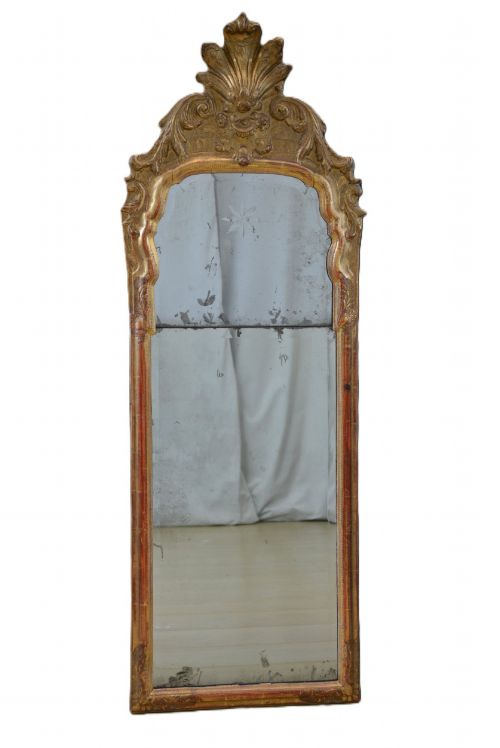


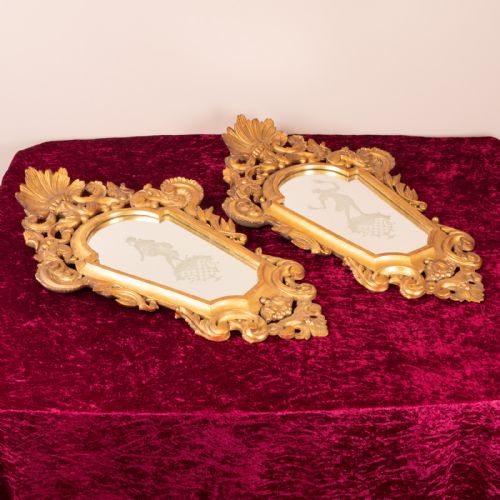


Etched Glass Gilt Mirror
An etched glass gilt mirror brings brightness and intricate surface detail to a room, combining reflective plates with gilded frames.
Etched Glass Gilt Mirror
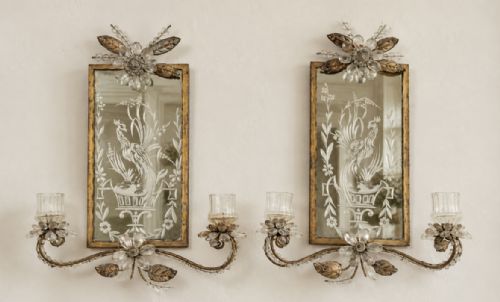
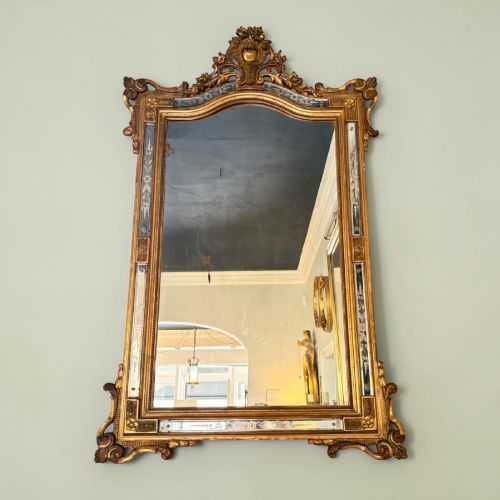
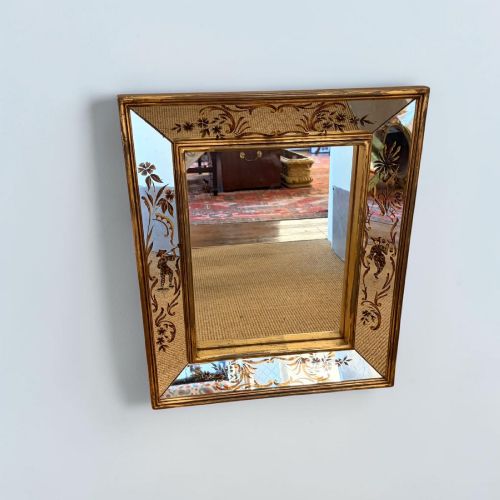
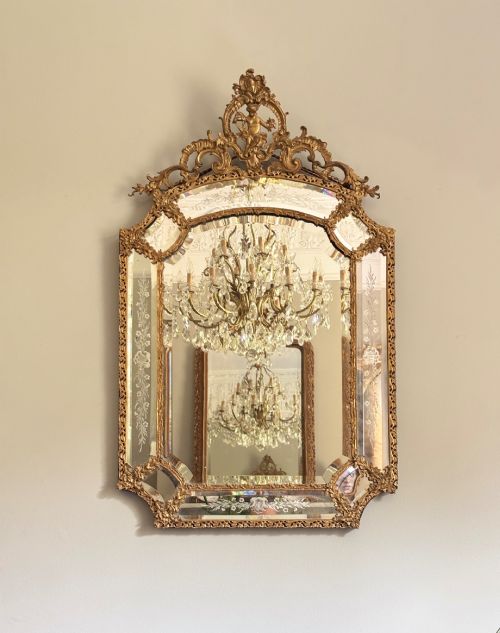
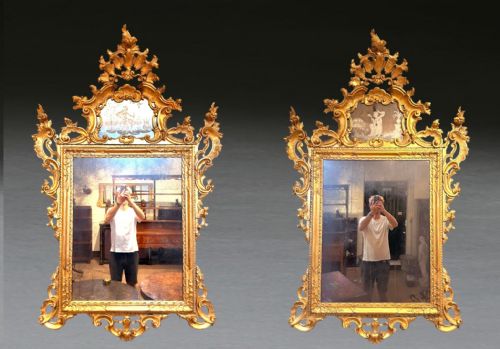
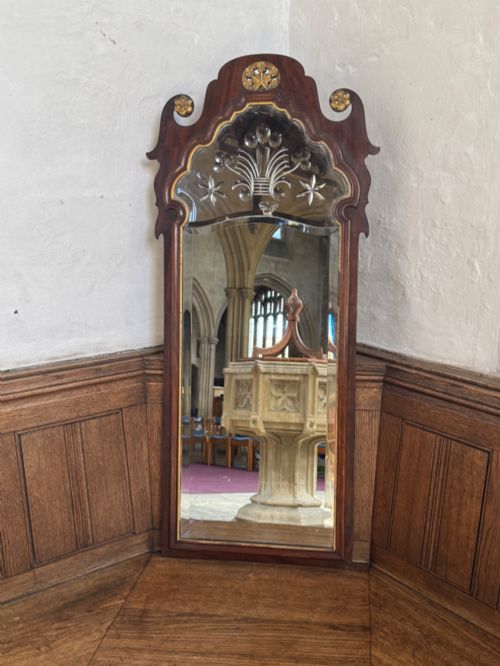
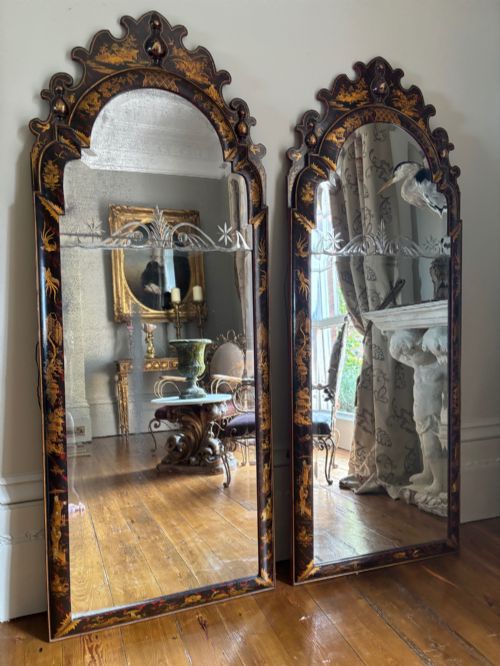
An etched glass gilt mirror combines reflective mirror glass with decorative surface engraving, set inside a carved wooden frame finished in gold leaf or gesso. When searching for an etched glass gilt mirror, buyers encounter various forms including large wall mirrors, pier mirrors, and grand overmantel mirrors designed to sit above a fireplace.
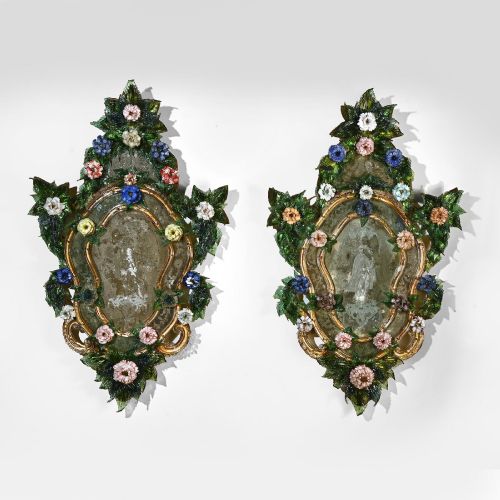
The selection on this page spans several eras, featuring pieces from the eighteenth, nineteenth, and early twentieth centuries alongside revival designs. Makers and artisans historically drew upon classical and ornate idioms, producing styles that range from Italian Venetian rococo to Georgian pier mirrors and French Louis style frames.
Materials and construction methods
Frames are constructed primarily from carved wood or gesso over a wooden base, which receives a layer of giltwood or paint to achieve a gleaming golden surface. Glass plates are hand-cut and frequently decorated using engraving or etching techniques to create delicate patterns directly on the mirror surface.
Techniques varied from traditional Venetian mirror-making methods using Murano glass to British and French giltwood carving traditions. Artisans applied layers of gesso to carved wooden frames before gilding, while glass plates were hand-silvered and embellished with reverse cut or engraved details.
Etched Glass Gilt Mirror Retail Price Guide 2026
Typical asking prices for etched glass gilt mirror among the pieces listed under this phrase on Sellingantiques today, from the lower quarter to the upper quarter. They describe what is for sale here now, not the wider market.
Listings feature items from the eighteenth, nineteenth, and twentieth centuries, utilising materials such as carved wood, gesso, and Murano glass.
Factors that distinguish quality
Quality rests upon the crispness of the wood carving and the depth of the gilding applied to the gesso frame. Finer examples display meticulous hand-carved details in the woodwork, whereas simpler pieces rely on moulded composition ornaments.
The character of the glass plate also dictates worth, as hand-engraved or reverse-cut details demonstrate superior artisan skill compared to plain commercial plates. Original mirror glass with age-appropriate oxidation holds greater appeal for collectors than modern replacement glass.
John Belchier
The Etched Glass Gilt Mirror Glossary
- Giltwood
- Wood that has been coated with gold leaf or a gold-colored finish. This technique provides the characteristic metallic sheen seen on historical frames.
- Gesso
- A plaster-like mixture applied to wooden frames as a smooth base for gilding. It allows artisans to carve intricate relief details before applying gold leaf.
- Pier Mirror
- A tall, narrow mirror traditionally designed to hang on the wall space between two windows. These pieces often feature candle brackets or consoles beneath them.
- Overmantel Mirror
- A wide mirror specifically proportioned to hang on the wall above a fireplace mantel. They typically feature low-slung horizontal designs.
- Reverse Cut Plate
- A glass plate decorated by carving or etching into the rear silvered surface. This technique produces a design that appears with sharp clarity from the front.
Etched Glass Gilt Mirror: Frequently Asked Questions
Where should I hang an overmantel mirror?
An overmantel mirror is traditionally hung directly above a fireplace mantelpiece to reflect light and anchor the room's central focal point.
Ensure the wall fixings safely support the weight of the carved wooden and gesso frame before installation.
How do I clean an antique gilt mirror?
Dust the giltwood frame gently with a soft, dry brush to prevent damaging the delicate gold leaf or gesso surface.
Clean the glass plate using a minimal amount of glass cleaner applied to a cloth rather than sprayed directly onto the mirror.
What is a pier mirror used for?
A pier mirror was historically placed on the narrow wall between two windows to bounce natural daylight back into the interior space.
Today, these tall mirrors work well in hallways or narrow rooms where vertical wall space is available.
How can I tell an older mirror from a reproduction?
Examine the construction of the wooden frame behind the piece, looking for hand-cut joinery and traditional gesso preparation beneath the gilding.
Inspect the glass plate for signs of age such as minor foxing, subtle warping, or hand-engraved details rather than machine-printed patterns.