



Etched Glass Decorative Vase
An etched glass decorative vase brings layered botanical or landscape scenes into a room through precise surface carving.
Etched Glass Decorative Vase
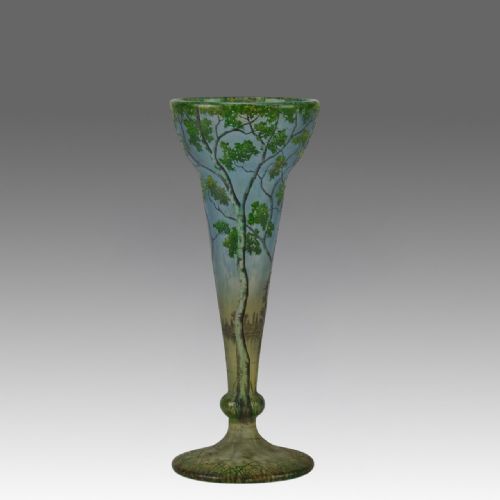
When you search for an etched glass decorative vase, you enter a field dominated by late nineteenth and early twentieth century French and Bohemian production. These vessels range from stout cabinet pieces to tall, slender trumpet forms designed to hold single stems or stand alone.
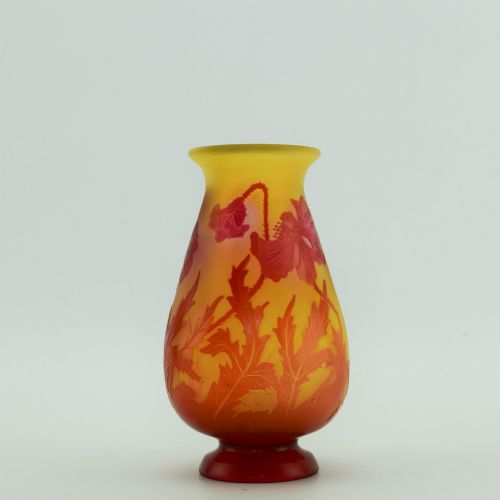
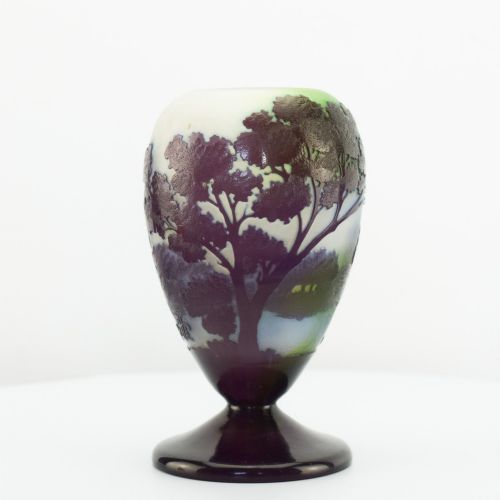
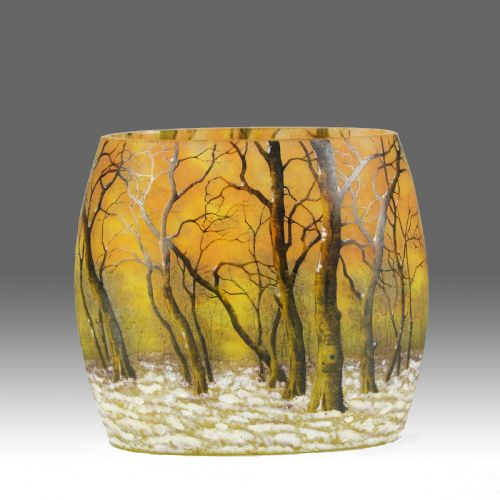
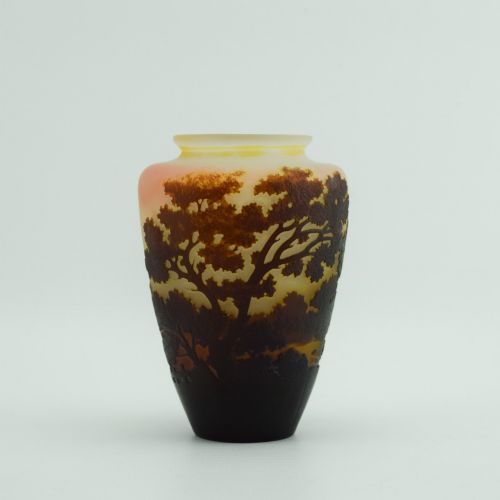
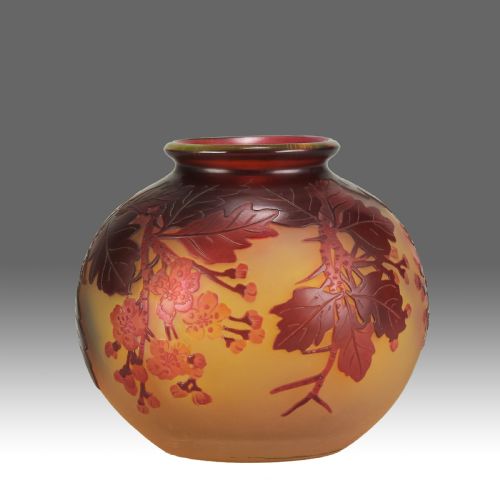
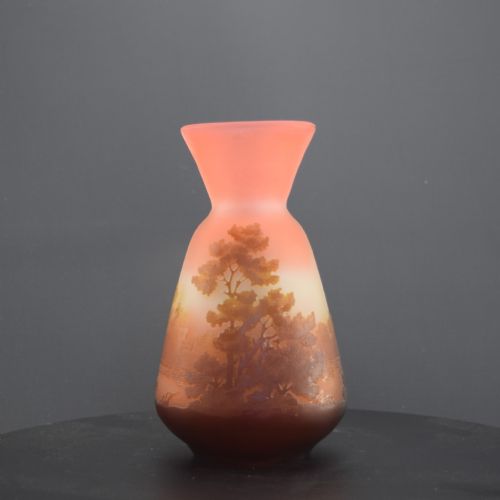
The most common examples encountered on this page belong to the Art Nouveau and Art Deco periods, created by major glasshouses using multi-layered cameo techniques. Collectors typically find botanical motifs like poppies, cornflowers and honeysuckle, alongside atmospheric woodland and winter landscapes.
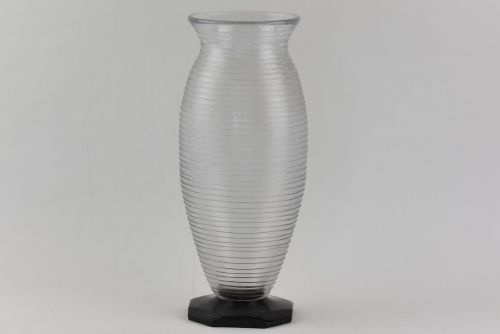
Forms extend beyond standard vessels to include footed chalice shapes, urns and large centrepiece bowls. The underlying silhouettes often utilise frosted, coloured or enameled grounds to enhance the depth of the carved decoration.
How they were made
Maker's workshops built up vessels using blown glass with multiple overlapping coloured layers, which were then subjected to acid-etching or wheel-carving to reveal contrasting tones beneath. Cameo glass requires immense patience, as the artist cuts down through casing layers to form precise floral or scenic reliefs.
Surface detailing was frequently enriched with gold leaf applications, enamelling or fire-polishing to soften the acid-bitten textures. Bohemian pieces often employed deep cut crystal techniques combined with fine surface etching to depict animals and geometric patterns.
Listings feature French and Bohemian production spanning the Victorian era through the Art Deco period, highlighting cameo and frosted glass techniques.
What varies in quality
The distinction between ordinary production and masterwork lies in the depth of the carving and the subtlety of the colour transitions within the glass layers. Superior pieces display multi-layered cameo work where the relief appears sculptural and true to natural forms rather than flat or uniform.
Design complexity also dictates standing, with scenic landscape wraps and intricate floral botanical studies commanding greater artistic regard than repetitive geometric or simple acid-etched bandings. The harmony between the glass body's base colour and the overlying cameo layer determines the visual success of the finished piece.
Daum Frères·Karl Palda·Thomas Webb and Sons·Baccarat·Paul Nicholas·Legras
The Etched Glass Decorative Vase Glossary
- Cameo Glass
- Glass vessels formed with two or more distinct layers of different colours, carved or acid-etched to create a raised design. This technique imitates traditional stone cameo carving.
- Acid-Etched Glass
- Glass treated with hydrofluoric acid to eat away exposed surfaces, creating frosted textures or shallow patterns. It allowed makers to produce intricate designs rapidly.
- Blown Glass
- Glass shaped by inflating molten metal gathered on the end of a blowpipe. Most decorative vases begin with this foundational forming process before decoration.
- Enamel
- Opaque vitreous composition fused to the surface of the glass by firing. It provides vibrant supplementary patches of colour and detail on floral or animal motifs.
- Gold Leaf
- Extremely thin gold beaten into sheets and applied to the glass surface. It highlights specific design elements like framing lines or floral centres.
Etched Glass Decorative Vase: Frequently Asked Questions
How do I clean an etched glass decorative vase?
Wash the vessel gently in lukewarm water using a mild, non-abrasive soap and a soft cloth. Avoid harsh chemical cleaners or submerging pieces with applied gold leaf for extended periods.
Dry the glass immediately with a lint-free towel to prevent water spots from forming on the textured or frosted surfaces.
Can these vases hold water for fresh flowers?
While many of these vessels were originally made to hold stems, antique cameo and enameled glass is often delicate. Using them dry as decorative objects preserves the fragile interior surfaces and applied finishes.
If you do use water, avoid sudden temperature changes that can stress nineteenth or early twentieth-century glass.
How do I tell Art Nouveau from Art Deco pieces?
Art Nouveau examples date from around 1900 and feature flowing, organic lines inspired by nature, such as winding vines, weeping willows and delicate flower stems. The colours tend to mimic natural landscapes and sunsets.
Art Deco items appear from the 1930s onwards, favouring structured, symmetrical geometry, stylised motifs and sharper contrasts in the glass colours and cutting.
Where were most of these glass vases made?
The majority of cameo and etched glass on this page originates from France, particularly the workshops and factories operating in Nancy and Paris. Significant production also came from Bohemian and Czech glasshouses.
Regional styles often reveal themselves through the specific colour palettes used, such as the earthy peach and brown tones of French landscape vases versus the heavier cut crystal of Bohemia.
How do I display a cameo glass vase safely?
Place the vessel on a stable, level surface away from direct sunlight, which can fade certain coloured glass layers over time. Ensure it sits clear of high-traffic edges where accidental knocks might occur.
Because many pieces feature footed bases or slender necks, adequate clearance around the object allows the layered carving to catch ambient light from multiple angles.