

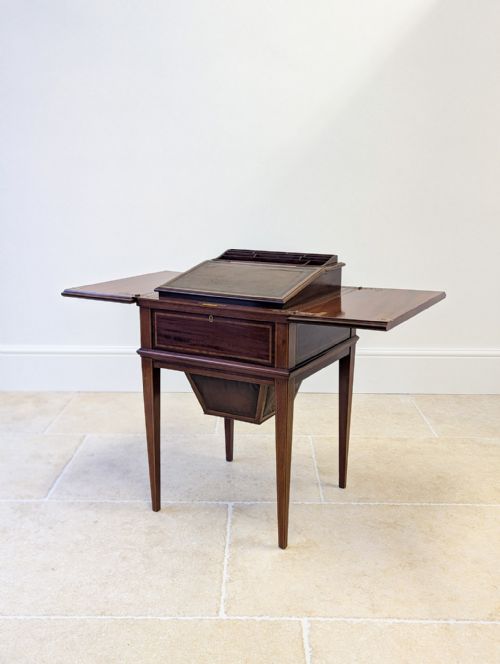
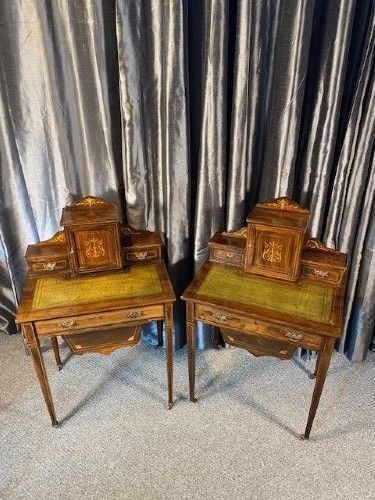
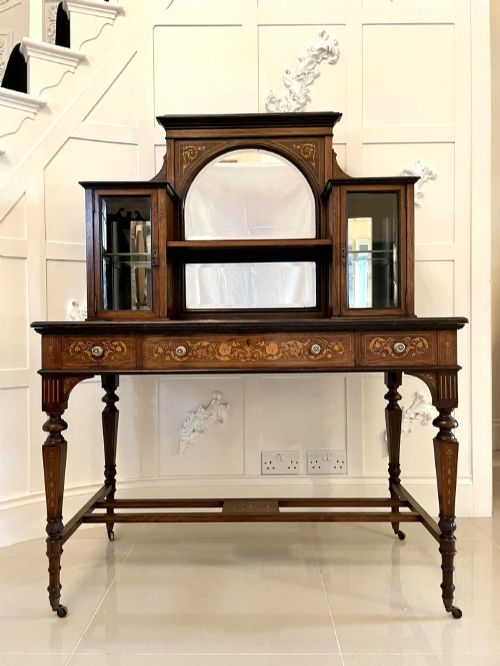
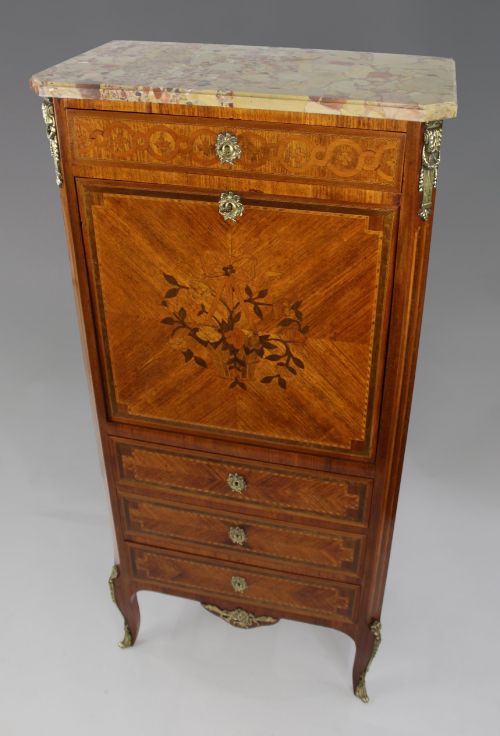
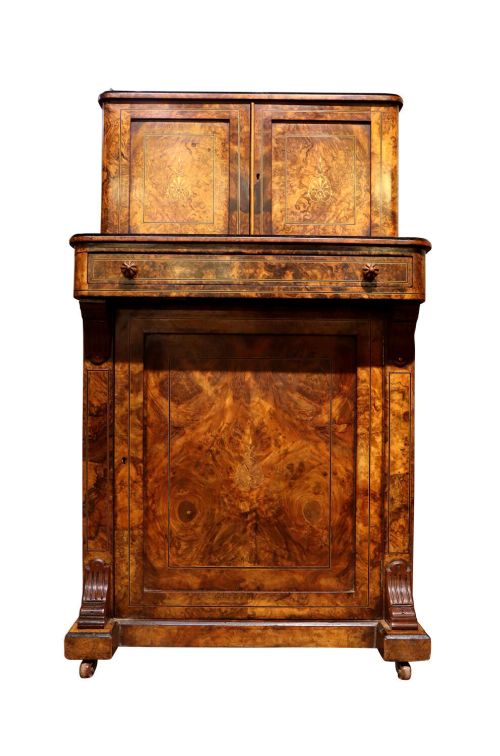
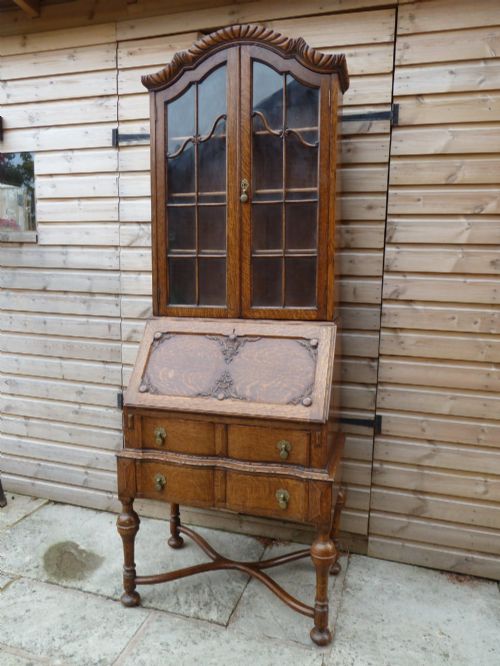
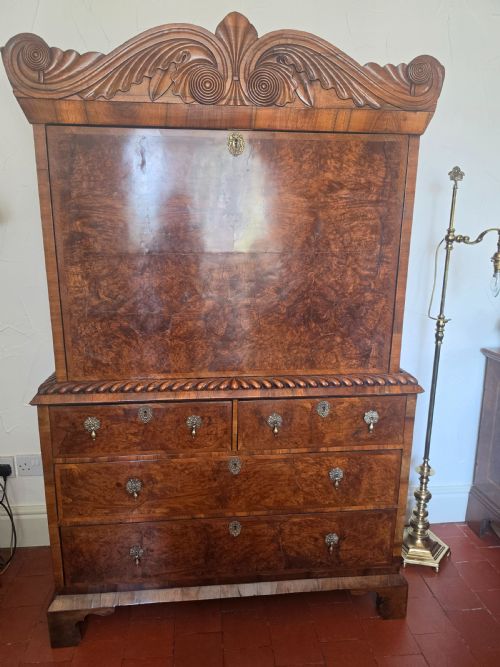
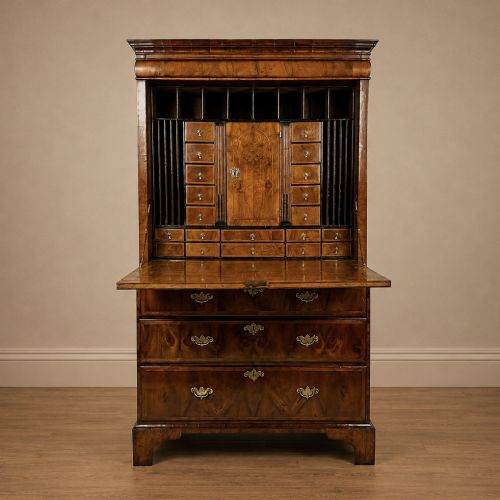
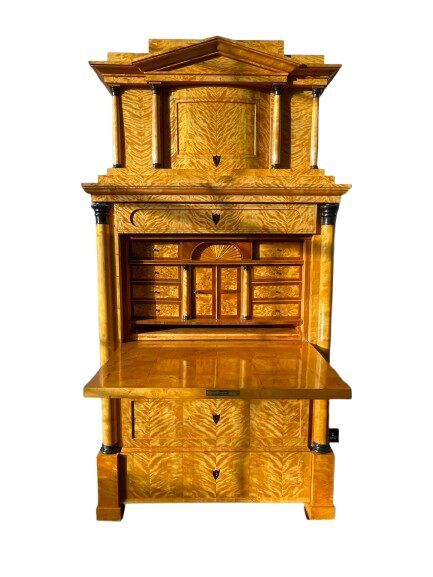
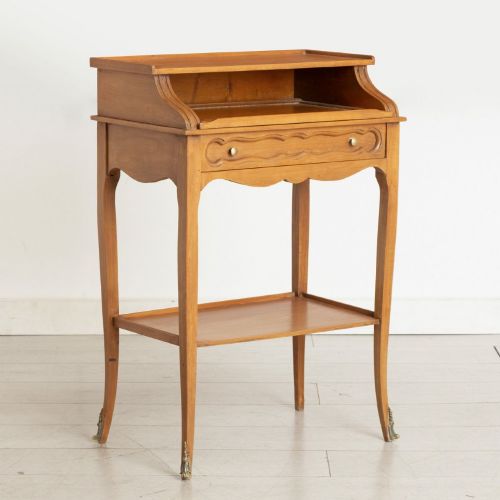

Escritoire Writing Cabinet
An escritoire writing cabinet provides a private drop-front writing surface alongside enclosed storage, offering a sophisticated centrepiece for home correspondence.
Escritoire Writing Cabinet
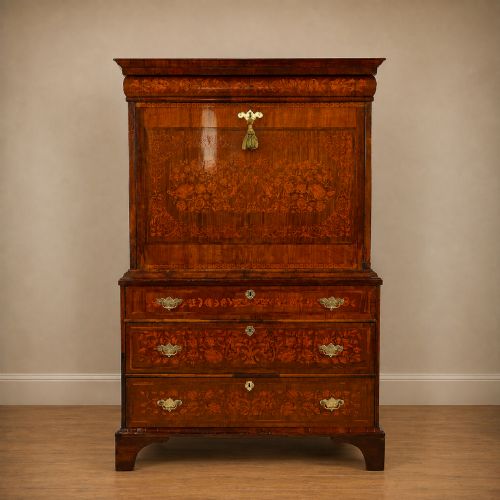
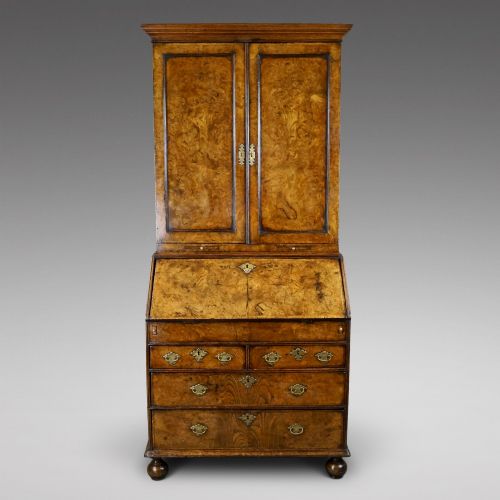
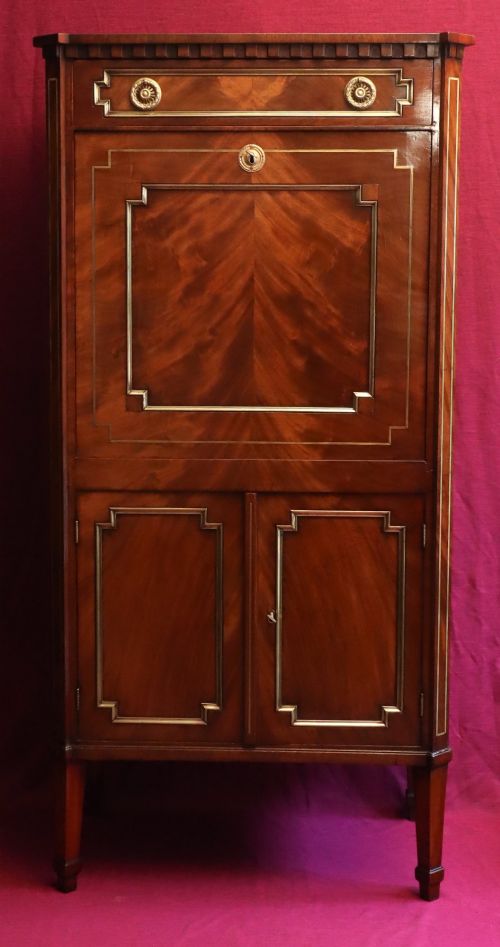
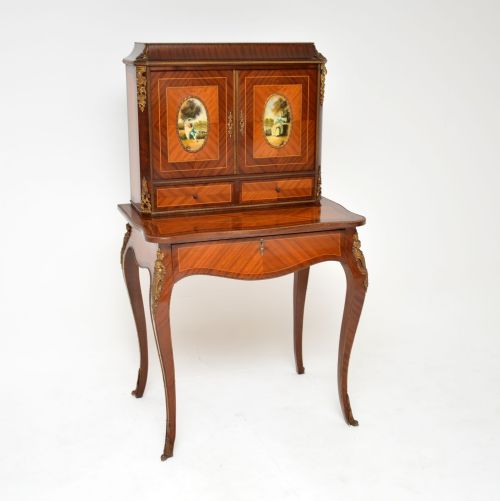
An escritoire writing cabinet functions as a specialised tall storage piece featuring a hinged writing flap that conceals fitted interior compartments. These handsome cabinets originated primarily in walnut during earlier periods before makers adopted mahogany, kingwood and rosewood.
Examples on this page span from William and Mary and Queen Anne periods through Georgian designs up to Victorian and Edwardian interpretations. Continental versions, particularly French and Biedermeier pieces, frequently appear alongside English workshop creations.
What Varies in Quality
The sophistication of internal cabinetry distinguishes superior pieces, where secret compartments, small pigeonholes and intricate small drawers demonstrate exceptional joinery skill. The choice and matching of veneer figures across the entire fall front also indicate the maker's dedication to visual harmony.
Hardware integrity and the precision of marquetry or inlay work separate standard production from master craftsmanship. Original mounts, intact brass stringing and well-preserved timber patination sustain the enduring appeal and historical value of individual cabinets.
Listings feature walnut, mahogany, rosewood and oak cabinets spanning the 17th, 18th and 19th centuries.
Morris & Co·George W Jack
The Escritoire Writing Cabinet Glossary
- Escritoire
- A writing cabinet featuring a fall-front flap that drops down to form a writing surface. This term applies interchangeably with certain bureau and secretaire forms.
- Secretaire à abattant
- A tall cabinet with a vertical drop-front writing surface concealing a fitted interior. This designation typically refers to continental European examples.
- Marquetry
- Decorative veneer patterns assembled from various tinted woods or other materials to form pictorial designs. Skilled artisans cut these elements to fit precisely into the background veneer.
- Ormolu
- Gilt bronze mountings applied as decorative hardware on furniture pieces. This technique gained prominence on French revival and nineteenth-century cabinets.
- Oyster veneer
- Slices cut transversely across small branches or roots to produce circular or oval wood grain patterns. Early walnut pieces frequently display this distinctive figuring.
Escritoire Writing Cabinet: Frequently Asked Questions
What is an escritoire?
An escritoire is a dedicated writing cabinet featuring a fall-front flap that opens to reveal internal drawers and pigeonholes. It combines enclosed vertical storage with a practical fold-down writing surface.
These pieces served historically for managing personal correspondence and keeping private documents secure. Today they function as striking focal points in studies or living spaces.
How do I use an escritoire today?
You can utilise an escritoire as a compact home workstation by dropping the flap for laptop use or letter writing. The internal compartments remain ideal for organising stationery and small household items.
When closed, the cabinet conceals work materials entirely, maintaining a tidy room appearance. Placing the piece in a study, bedroom or hallway allows it to double as a display surface.
How do I tell periods apart?
Early pieces from the seventeenth and early eighteenth centuries often showcase walnut timbers, oyster veneer patterns and simple rectilinear forms. Georgian examples introduce refined mahogany crafting and classical proportions.
Nineteenth-century items frequently display revival influences, including French marquetry, ormolu mounts and exotic wood veneers. Examining the internal secondary timbers and construction methods helps confirm the era of manufacture.
Where were these cabinets made?
Cabinets originate from both English workshops and continental European centres, particularly France and Germany. English pieces frequently utilise walnut, oak and mahogany with understated architectural dignity.
French and Biedermeier examples often incorporate elaborate marquetry, kingwood veneers, marble tops and gilt bronze hardware. These regional stylistic choices make country of origin identifiable through materials and decorative motifs.