

Equestrian Art Painting
An equestrian art painting captures the enduring power of horses through centuries of sporting and portrait traditions.
Equestrian Art Painting
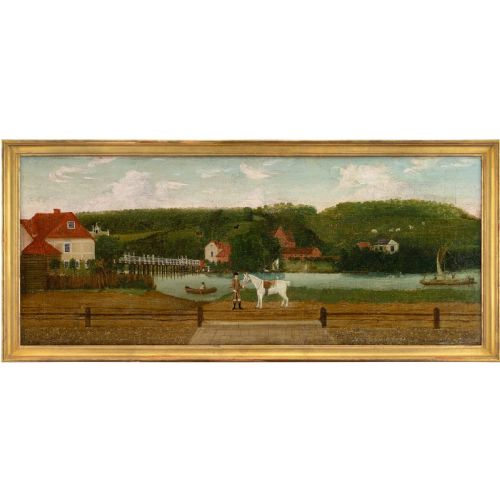
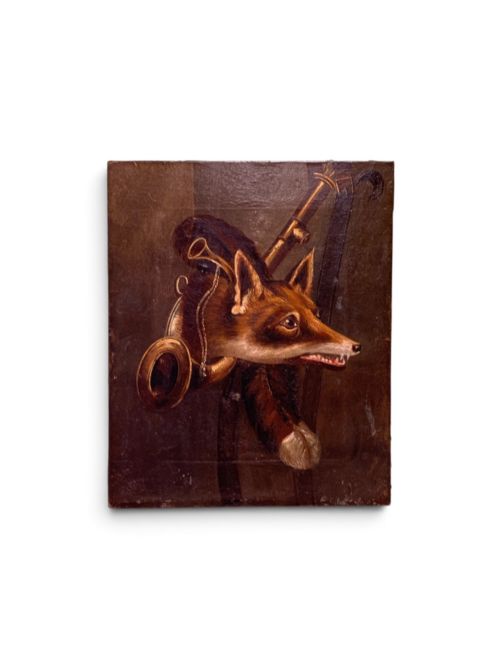
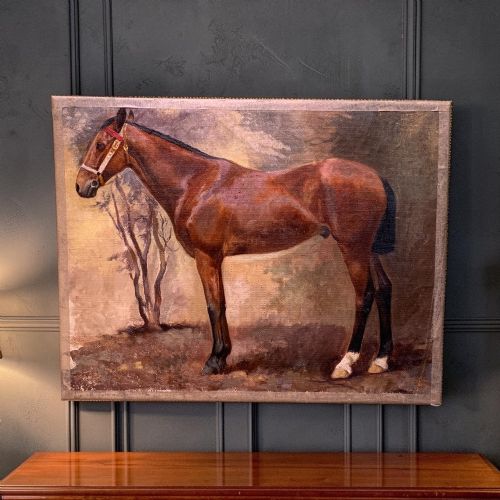
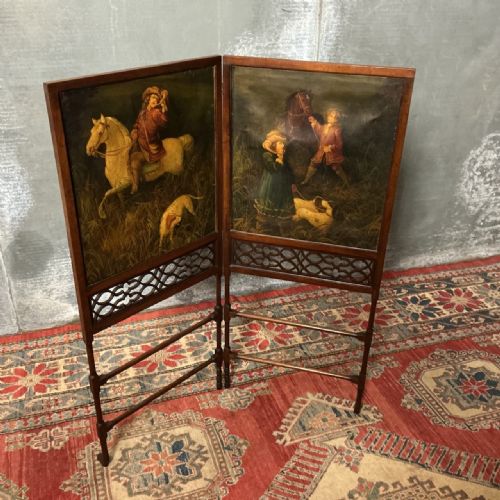
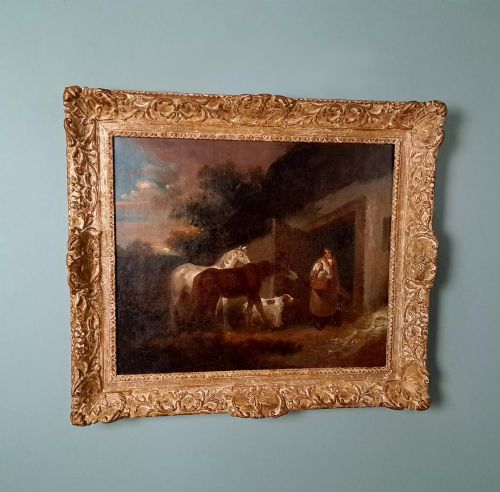
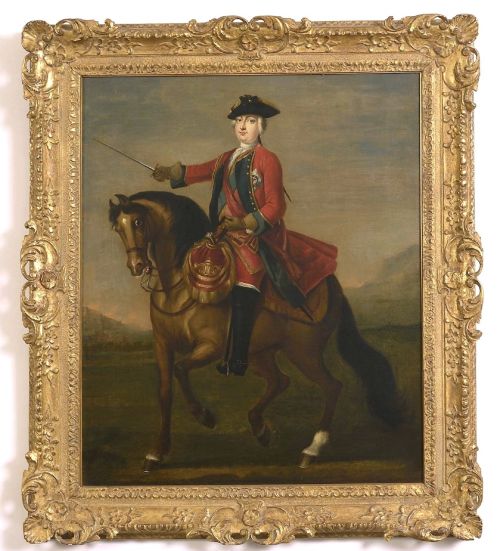
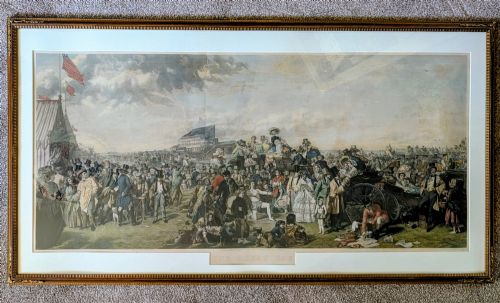
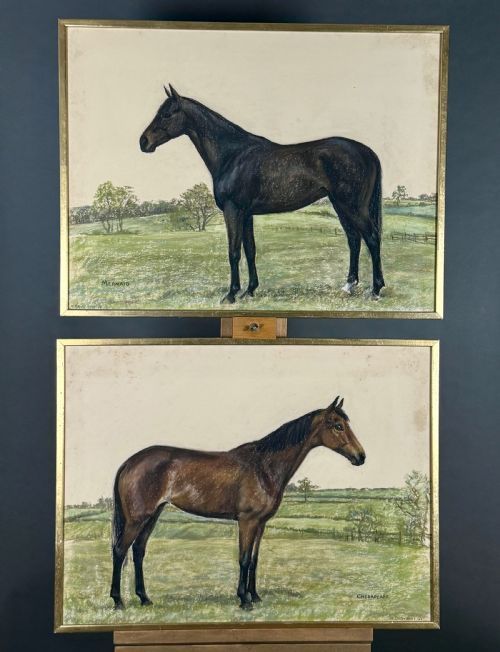
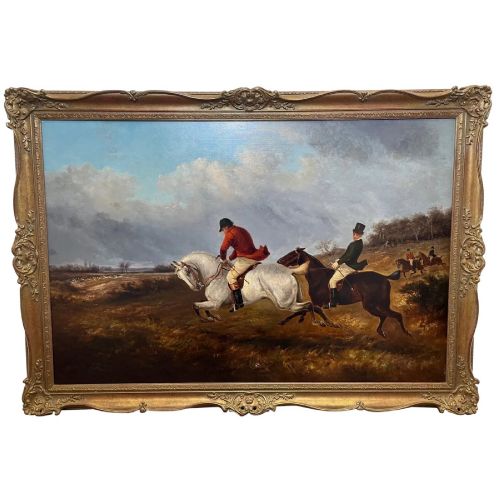
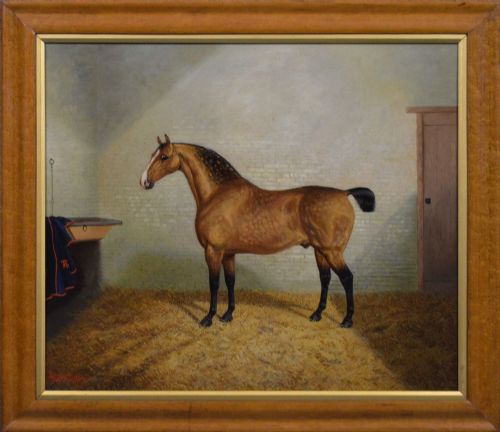
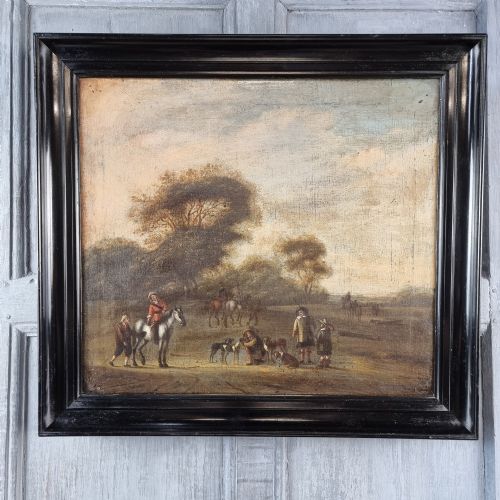
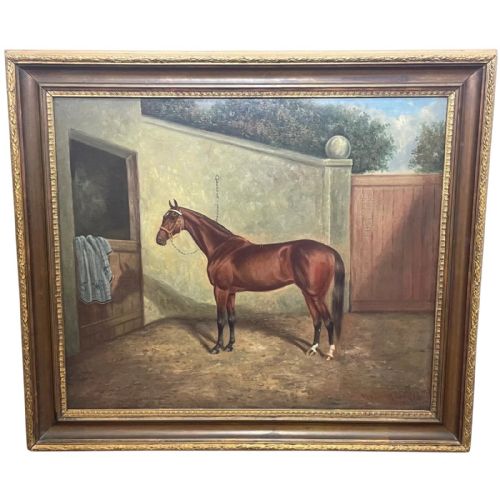
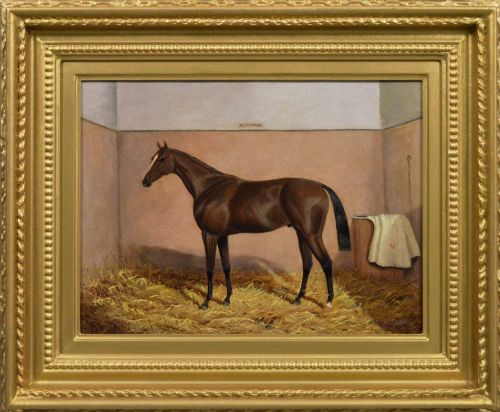
An equestrian art painting captures horses, riders, and rural sporting life through canvas, panel, and paper works created across the eighteenth, nineteenth, and twentieth centuries. When searching for an equestrian art painting, buyers encounter formal racehorse portraits, hunting scenes, and intimate stable studies from Victorian, Edwardian, and mid-century periods. These works range from detailed oils by named animaliers to atmospheric watercolours and pastels depicting named champions, coaching scenes, and rural landscapes.
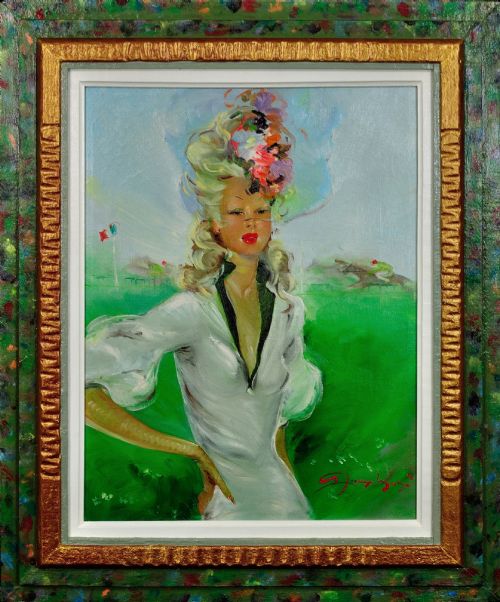
The versions most frequently met on this page include nineteenth-century oil paintings on canvas and panel, alongside early twentieth-century horse portraits housed in period giltwood or oak frames. Victorian sporting art dominates the selection, frequently portraying hunters, grey mares, and famous racehorses within pastoral settings. Later mid-century pastels and watercolours also appear, showing a continued interest in equine studies across British and French schools.
How They Were Made
These works rely primarily on oil paint applied to stretched canvas or wooden panels, a combination chosen for its depth of colour and ability to render the sheen of a horse coat. Painters built up compositions through layered glazes and opaque strokes, capturing light on musculature and landscape backgrounds. Alternative mediums such as pastel on paper and watercolour also occur, offering softer textures suited to intimate animal studies.
Framing is an integral part of the physical object, with many pieces retained in original or period giltwood, gesso, and carved oak frames. These frames often complement the aesthetic of the painting through swept decoration or simple moulded profiles, preserving the historical context of the artwork.
Framing materials recorded in the archive include ornate giltwood, gesso, and solid oak surrounds tailored to the period of the artwork.
What Varies in Quality
The standard of an equestrian art painting rests upon the artist ability to render equine anatomy, proportion, and movement convincingly. Superior examples display precise knowledge of skeletal structure, intelligent handling of light across hide and muscle, and a cohesive spatial relationship between the animal and its landscape. Weaker works often exhibit stiff postures, flat shading, or awkward perspective in the background scenery.
Condition and originality further divide the range, with preference given to works retaining their original stretchers, unlined canvases, and period frames. The clarity of provenance, legible signatures, and contemporary inscriptions naming the horse or location add historical weight to individual pieces.
William Joseph Shayer Senior·Thomas Smythe·Albert Clark·Sir Edwin Henry Landseer·George Wright·Abraham Cooper·Henry Barraud·Fred Fitzpatrick·Ernest Payne·Philip Rideout·John Frederick Herring Snr
The Equestrian Art Painting Glossary
- Oil on canvas
- A painting technique using pigments suspended in a drying oil, applied to a woven fabric support stretched over a wooden frame. This method allows for rich colour saturation and subtle blending.
- Giltwood
- Wood carved and coated with a thin layer of gold leaf or metallic powder. It is commonly found on antique frames designed to enhance the visual impact of the artwork within.
- Equine portrait
- A specialised artwork focused on depicting a specific horse, often commissioned by owners or breeders to record a prized animal racing pedigree or hunting prowess.
- Pastel on paper
- A dry medium composed of powdered pigment and a binder, applied directly to a paper support. It produces velvety textures and delicate tonal gradations.
- Provenance
- The documented history of ownership of an artwork from its creation to the present day. Clear provenance helps verify authenticity and historical significance.
Equestrian Art Painting: Frequently Asked Questions
What subjects appear in these paintings?
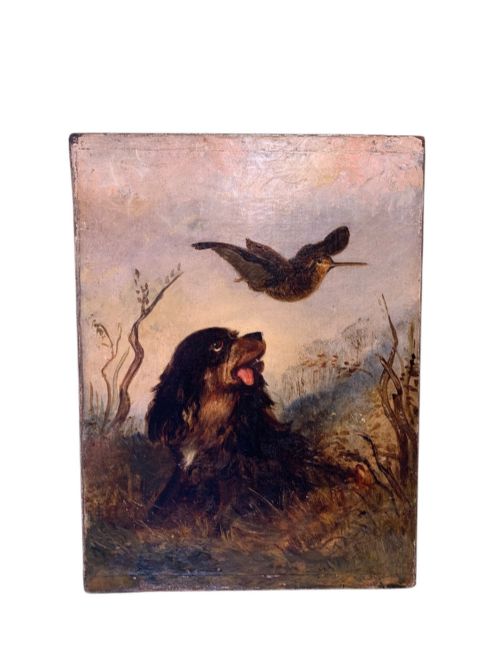
The subjects focus heavily on horses, ranging from named racehorses and hunters in stables to fox hunting scenes and coaching journeys across rural landscapes. Other animals, such as spaniels and woodcocks, occasionally accompany the equine figures.
Compositions also extend to portraits of notable figures alongside their mounts, as well as broader topographical views featuring horses at work or rest.
How do I identify the period of a painting?
Dating relies on stylistic clues, framing materials, and artist signatures recorded within the historical record. Victorian and Georgian works typically employ darker, richer palettes and traditional glazing techniques, while twentieth-century pieces often reflect brighter tones and looser brushwork.
Inscriptions on the reverse of the canvas or stretcher frequently provide the name of the horse, the date, and the artist's details.
Where were these artworks displayed historically?
These paintings were traditionally commissioned for the country houses, hunting lodges, and urban townhouses of the landed gentry and aristocracy. They served as celebrations of personal sporting achievements, prized livestock, and rural property.
Many hung in libraries, dining rooms, and stable offices where guests and owners could appreciate equine lineage and sporting heritage.
How should I care for an antique oil painting?
Preservation requires stable environmental conditions away from direct sunlight, high humidity, and rapid temperature fluctuations. Keeping the canvas out of reach of direct heat sources prevents the paint layers and wooden panels from warping or cracking.
Dusting should be performed gently with a soft, dry brush, avoiding any moisture or chemical cleaning agents on the painted surface.