



Epstein Burr Walnut Cabinet
An epstein burr walnut cabinet delivers supreme Art Deco presence, offering fitted cocktail storage and striking grain patterns.
Epstein Burr Walnut Cabinet
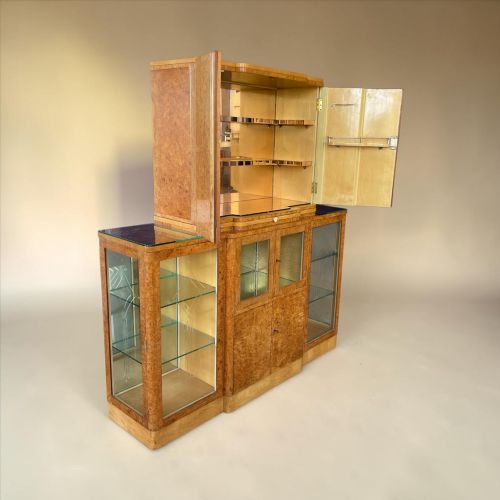
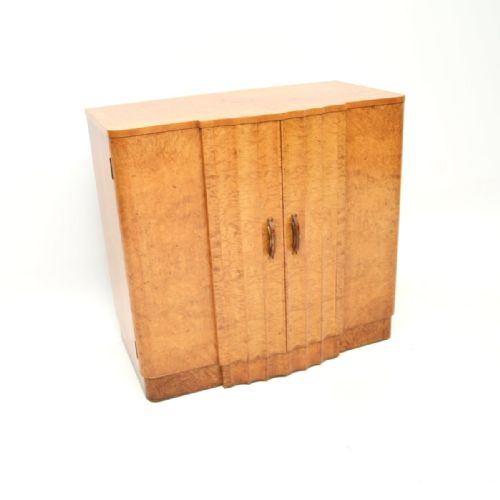
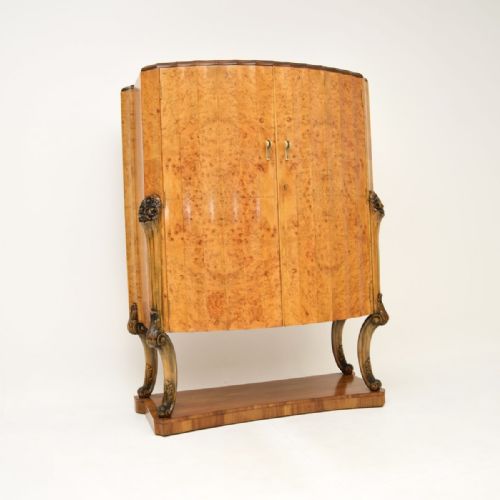
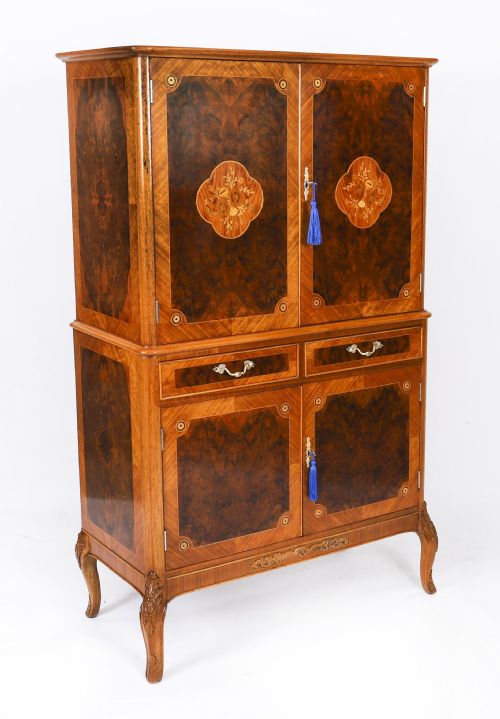
An epstein burr walnut cabinet brings together the distinctive forms of the Art Deco period, typically originating from the nineteen twenties and nineteen thirties. Buyers searching for this phrase encounter cocktail cabinets, sideboards, drinks cabinets, and bookcase cabinets created by the renowned makers.
The version most frequently met on this page is the cocktail or drinks cabinet, often combining drop-down serving surfaces with mirrored interiors and internal lighting. Alongside these, sideboards and bookcase cabinets emerge with similar attention to architectural proportions and curved silhouettes.
How They Were Made
These pieces rely on sophisticated woodworking techniques, applying choice veneers over solid timber carcasses to create dramatic surface patterns. Burr walnut veneer forms the primary visual statement, frequently contrasted with lighter woods such as sycamore or enhanced with marquetry details.
Makers integrated functional hardware made from brass, glass mirrors, and occasionally bakelite fittings to complete the interior compartments. The construction supports complex shapes like cloud forms and semi-circular fluted designs while maintaining structural stability.
Epstein Burr Walnut Cabinet Retail Price Guide 2026
Typical asking prices for epstein burr walnut cabinet among the pieces listed under this phrase on Sellingantiques today, from the lower quarter to the upper quarter. They describe what is for sale here now, not the wider market.
What Varies in Quality
The standard of an epstein burr walnut cabinet depends heavily on the selection and bookmatching of the veneer across the primary surfaces. Superior examples display symmetrical, highly figured grain patterns that wrap seamlessly around curved doors and drawer fronts.
Another differentiator lies in the complexity of the interior fitments and the precision of the joinery within cocktail compartments and shelving units. Finer pieces demonstrate meticulous attention to internal drawer construction and the integration of specialised glass and mirror elements.
Harry and Lou Epstein·Epstein and Co Furniture·H and L Epstein
The Epstein Burr Walnut Cabinet Glossary
- Burr walnut
- A wood veneer harvested from the wart-like growths on walnut trees, prized for its swirling, highly figured grain patterns. It forms the defining visual characteristic of these Art Deco pieces.
- Cocktail cabinet
- A specialised storage piece designed for entertaining, typically featuring a drop-down flap that serves as a mixing shelf, mirrored back panels, and fitted glass holders. These items date predominantly from the nineteen thirties.
- Marquetry
- The art of applying pieces of veneer to a structure to form decorative patterns and pictures. Craftsmen utilised this technique to add geometric and contrasting details to cabinet doors.
- Cloud shape
- An asymmetrical, rounded silhouette popular in Art Deco furniture design, particularly associated with sideboard and cabinet profiles. This form softens the geometric rigidity typical of earlier periods.
- Sycamore
- A pale hardwood often used for secondary veneers or internal contrasting elements within cabinets. Its light tone highlights the deep richness of the surrounding burr walnut.
Epstein Burr Walnut Cabinet: Frequently Asked Questions
How were these cabinets used originally?
These cabinets served primarily for entertaining guests, functioning as drinks chests and home bars to store glassware, bottles, and mixing utensils.
Sideboard variants provided general dining room storage and serving surfaces, while bookcase combinations housed domestic libraries.
How do I identify an Epstein piece?
Identification relies on recognising characteristic Art Deco forms such as cloud shapes, semi-circular fluted fronts, and exceptional bookmatched burr walnut grain.
Many examples feature specific cabinet configurations, internal sycamore accents, and the distinct joinery associated with the Epstein workshops.
How do I care for burr walnut veneer?
Burr walnut requires stable indoor humidity away from direct sunlight and heat sources to prevent the veneer from drying out or splitting.
Regular dusting with a soft, dry cloth maintains the polished wooden surface without the need for heavy chemical treatments.