



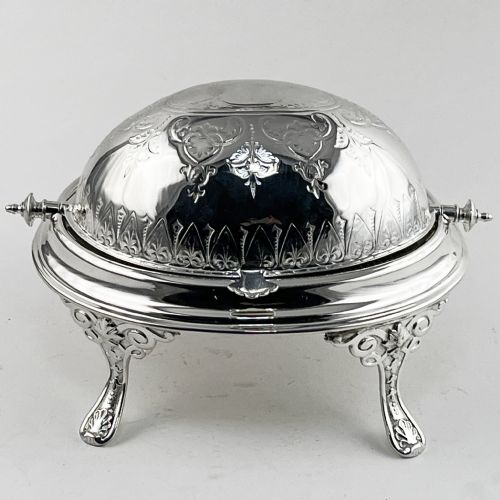


Epns Serving Dishes
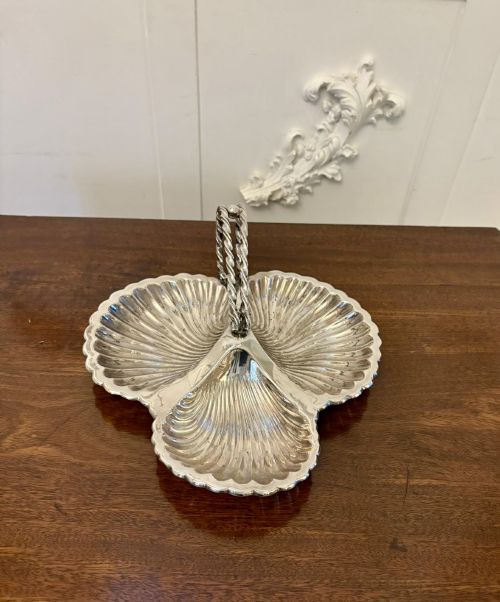
These epns serving dishes bring heavy Victorian and Edwardian dining tables to life with bright silver plate.
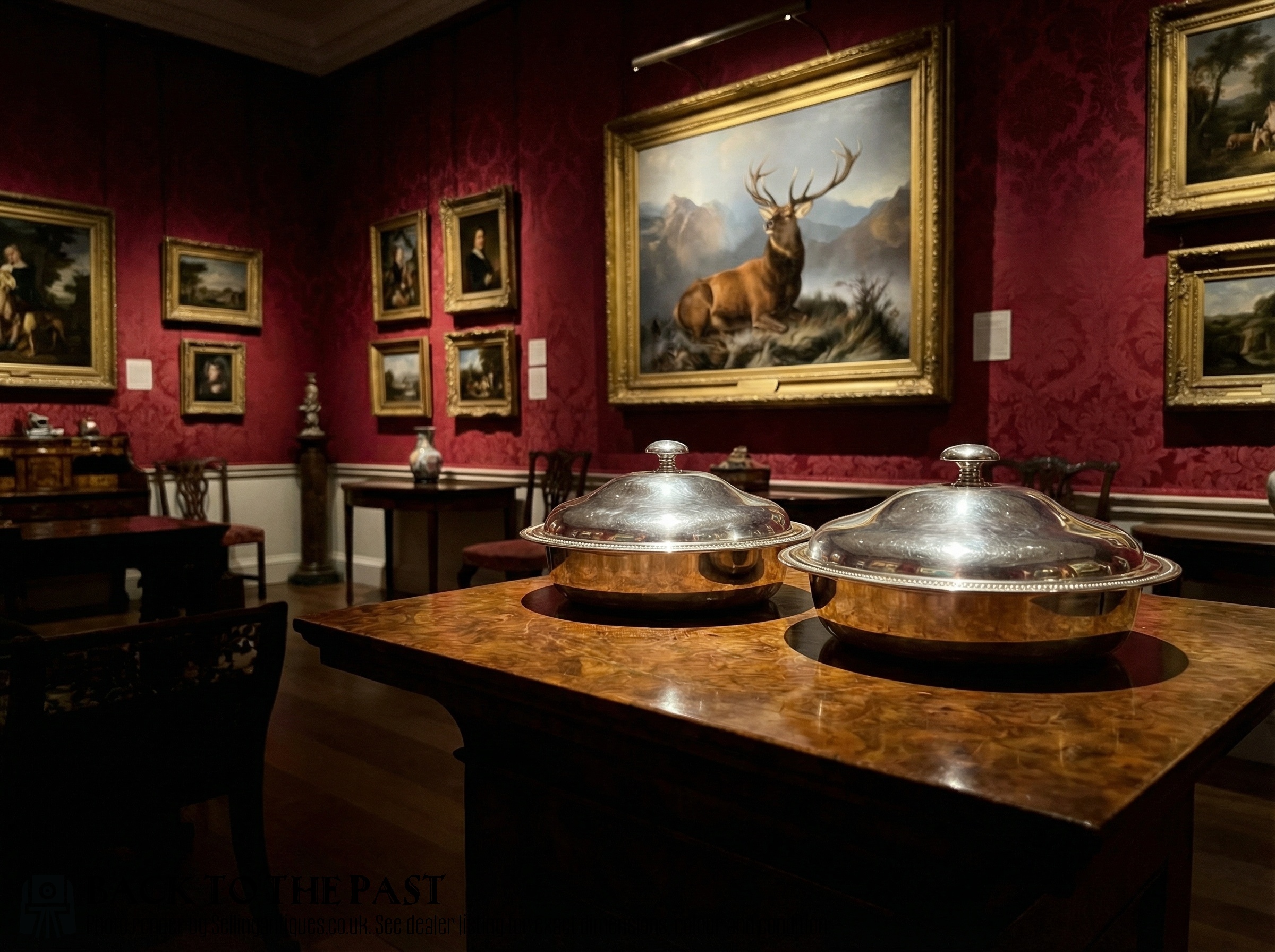
Epns Serving Dishes
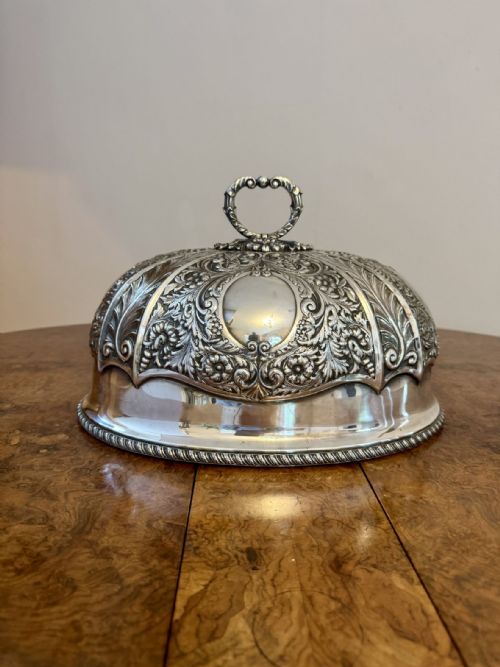
When you search for epns serving dishes, you enter a world of silver plated metal made to grace dining tables from the mid nineteenth century through the art deco period. These pieces span practical forms like entree dishes, fruit baskets, tureens, meat covers, and specialist asparagus dishes.
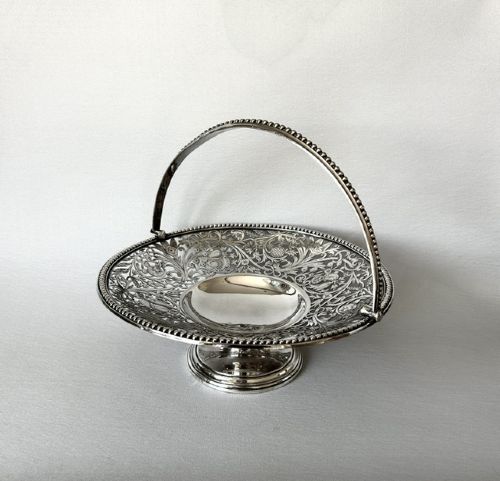
You are most likely to meet Edwardian and Victorian examples on this page, often shaped as rectangular or oval entree dishes, swinging handle fruit baskets, and lidded butter dishes. Makers working in Birmingham and across England produced these items using electroplated nickel silver to give households the look of solid silver at a fraction of the cost.
How they were made
These items rely on a base of nickel silver, a strong alloy of copper, nickel, and zinc, which provides a sturdy foundation for the plating process. Manufacturers applied a thin coating of pure silver to this base using an electrical current, a technique known as electroplating that created a durable and uniform metallic finish.
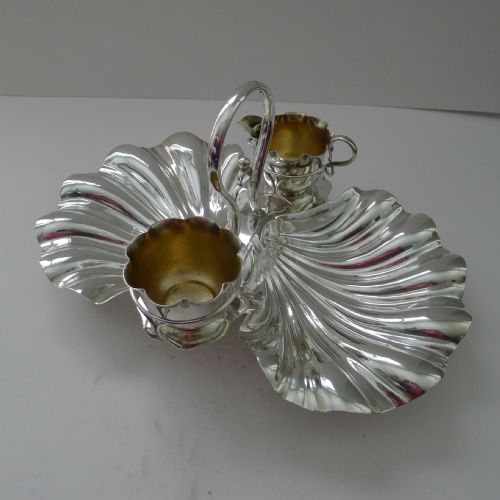
Details like floral engraving, chased borders, and cast handles were applied by hand to elevate plain forms into decorative tableware. Some vessels also feature an internal gold wash to protect the silver plate from acidic foods like fruit or preserves.
Several of these dishes feature ingenious mechanical rollover lids designed to disappear neatly out of sight during dinner service.
What varies in quality
The distinction between standard tableware and the finest output lies in the weight of the metal and the crispness of the applied decoration. Heavier gauge nickel silver provides a more substantial feel in the hand and resists denting far better than thinner metal.
The integrity of the electroplated layer determines longevity, with superior pieces showing even silver coverage that withstands decades of polishing. Maker attribution and the presence of original stands, liners, or serving accessories further separate ordinary utility items from distinguished workshop productions.
Daniel Arter·Elkington·Walker and Hall·Mappin and Webb·Daniel and Arter of Birmingham·John Collyer Birmingham
The Epns Serving Dishes Glossary
- EPNS
- Electroplated Nickel Silver. This denotes a base metal alloy coated with a thin layer of pure silver through an electrolytic process.
- Entree dish
- A lidded serving vessel. These pieces were designed to keep meats and vegetables warm at the table.
- Tureen
- A deep bowl with a lid. They were traditionally used for serving soups, stews, or large portions of vegetables.
- Cloche
- A bell-shaped cover. These items fit over plates or dishes to trap heat and protect food before serving.
- Gold wash
- A thin layer of gold applied to the interior of a silver plated vessel. This coating prevents acidic foods from tarnishing or corroding the underlying metal.
Epns Serving Dishes: Frequently Asked Questions
How do I clean epns serving dishes?
Wash these pieces gently in warm soapy water using a soft cloth, avoiding harsh abrasive cleaners that can wear away the silver plate. Dry them thoroughly immediately after washing to prevent water spots.
Use a specialised silver polish only when necessary, rubbing lightly in straight lines rather than circles. Proper storage in dry conditions helps maintain the bright shine between uses.
Can I use these for food today?
Most of these silver plated vessels remain entirely functional for serving dry foods, breads, fruit, or pastries at modern gatherings. Pieces with an original gold wash inside offer extra protection when serving slightly acidic items.
Avoid leaving highly acidic or salty foods in direct contact with the plating for extended periods. Hand washing is essential, as modern dishwashers will quickly ruin the vintage finish.
How do I date an epns dish?
Examine the overall style and form, as Victorian pieces often feature heavy floral engraving and ornate cast handles. Edwardian items tend toward lighter classical revival motifs, while later pieces from the nineteen twenties embrace geometric art deco lines.
Maker marks and registration numbers stamped into the base can also provide specific clues to the year of manufacture. Comparing the weight and construction methods helps narrow down the production era.
What is the difference between epns and solid silver?
Solid silver objects consist entirely of precious metal throughout their entire structure, bearing traditional hallmarks for purity. Epns items use a base metal like nickel silver covered by a microscopic outer layer of pure silver.
This plating method allowed nineteenth century manufacturers to produce large, decorative serving dishes that looked like solid silver without the prohibitive expense. Over time, heavy polishing on epns can reveal the duller base metal underneath.