



Oval Silver Dish
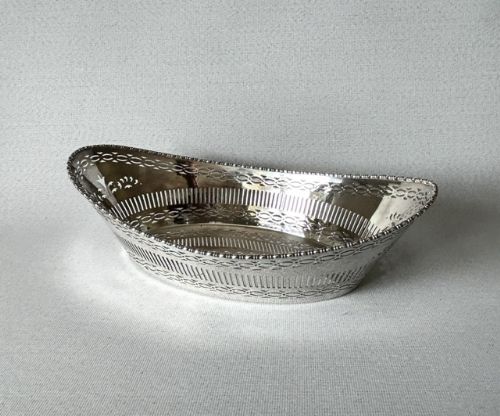
An oval silver dish serves as a refined vessel for the table, bringing period craftsmanship and utility into daily use.
Oval Silver Dish
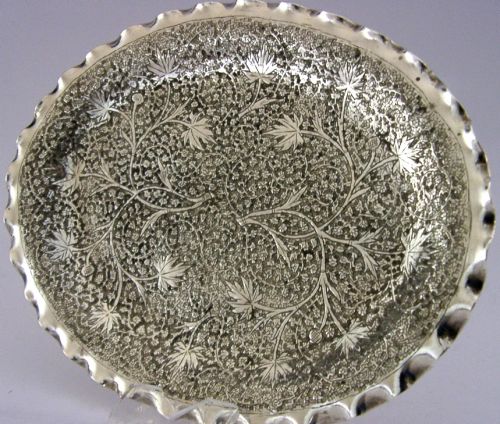
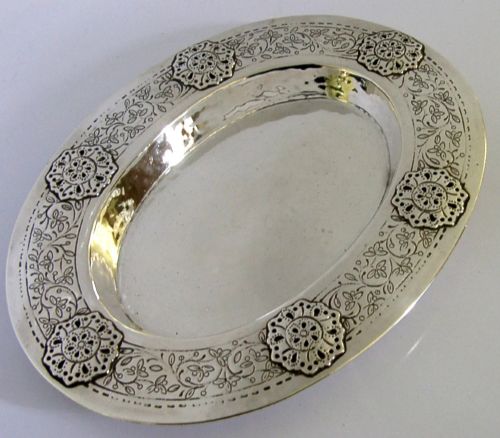
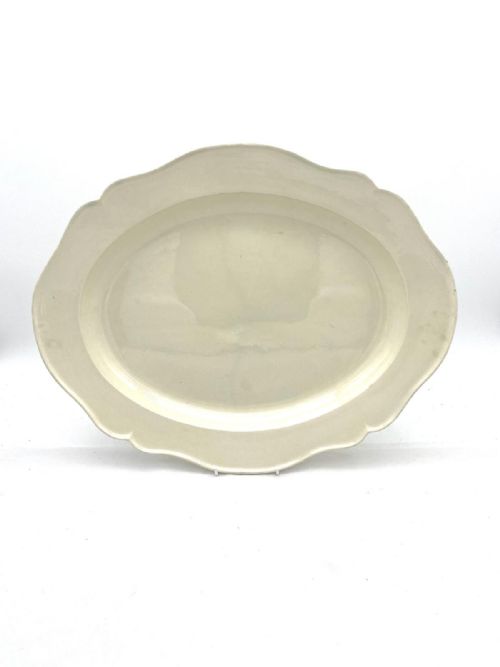
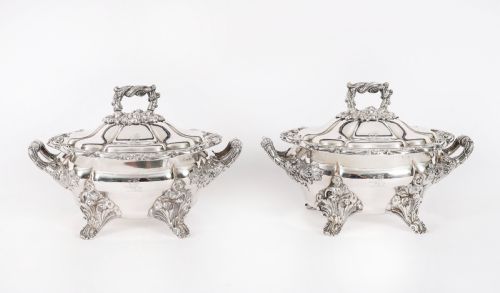
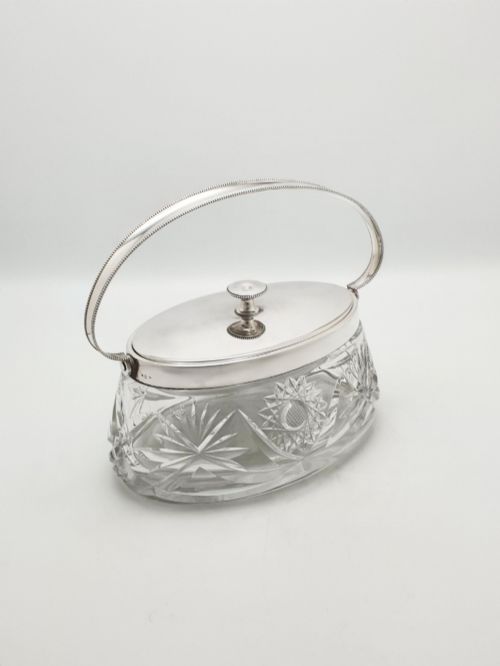
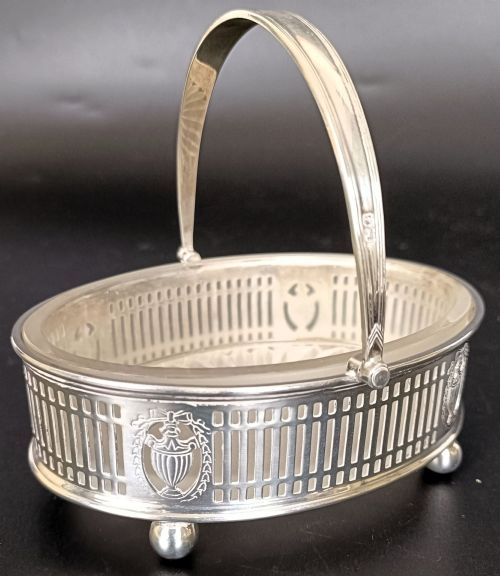
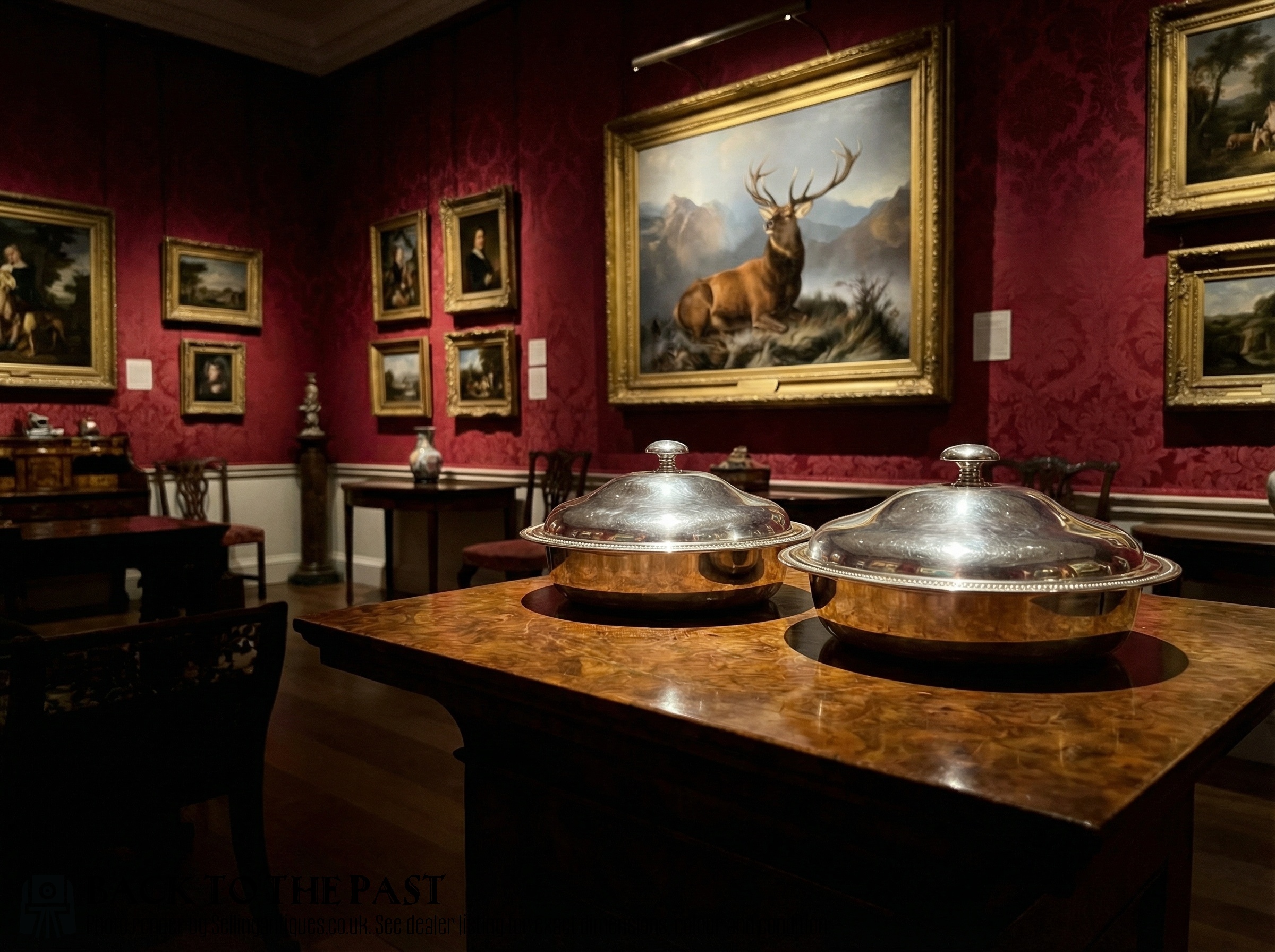
An oval silver dish spans a variety of domestic forms intended for serving, dining, and presentation. The pieces on this page appear most frequently as Edwardian and Victorian silver-plated entree dishes, alongside solid sterling silver baskets, platters, and Georgian serving pieces.
Makers produced these items across the 18th, 19th, and early 20th centuries to meet the demands of formal dining and display. The selection ranges from plain domestic serving vessels to heavily pierced baskets and lidded tureens reflecting Georgian, Victorian, and Edwardian tastes.
How they were made
Silversmiths formed solid sterling silver items by hammering and shaping sheets of precious metal, frequently employing piercing techniques to create decorative openwork borders. Makers also utilised casting methods for handles, rims, and applied relief details.
Plated items often relied on Old Sheffield Plate or silver plating over copper and base metals, while later pieces utilised electroplated nickel silver. Manufacturers achieved decorative finishes through floral engraving, chased motifs, and applied borders.
Butter dishes often feature whimsical animal finials like leaping cats or resting lambs atop their lids.
What varies in quality
The weight and gauge of the metal set the foundation for a dish's durability and physical presence on the table. Heavier specimens demonstrate a more substantial use of material, whereas lighter plated wares rely entirely on the integrity of the surface coating over the base metal.
The precision of the workmanship dictates the aesthetic success of the piece. Crispness in pierced fretwork, neatness in hand-engraved floral patterns, and balance in cast handles distinguish standard commercial output from superior workshops.
Liberty & Co·Mappin & Webb·Henry Wilkinson·Robert Breading·Peter and Anne Bateman·William Comyns·Martin Hall·James Dixon & Son·Atkin Brothers·Walker & Hall·Hawksworth Eyre & Co·Tiffany & Co
The Oval Silver Dish Glossary
- Old Sheffield Plate
- A fused composite material made by melting a thin sheet of silver onto a thicker copper ingot. This method predates modern electroplating and leaves a characteristic copper seam visible along cut edges.
- Entree dish
- A covered serving vessel designed for the second course of a formal meal. These often feature removable handles to allow the base and lid to function as separate serving dishes.
- Pierced
- Workmanship involving the cutting or piercing of holes through the silver to form geometric, scroll, or floral patterns. This technique lightens the visual weight of baskets and decorative dishes.
- EPNS
- An abbreviation for electroplated nickel silver, a common base metal alloy used as a foundation for silver plating from the mid-19th century onwards. It provided a durable alternative to solid silver.
- Mazarine
- A decorative pierced insert or draining tray placed inside a platter or dish to keep meat elevated above its juices. These are frequently found in larger 19th-century serving pieces.
Oval Silver Dish: Frequently Asked Questions
How were oval silver dishes used?
These vessels functioned primarily during formal meals to present meat, vegetables, butter, or baked goods at the dining table. Lidded entree dishes kept food warm between the kitchen and the dining room.
Smaller examples served specialised roles on the sideboard or tea table, holding sweets, bonbons, or condiments. Their decorative forms meant they frequently remained on display when not in active use.
How can I tell sterling silver from silver plate?
Hallmarks stamped directly into the metal provide the definitive guide to identification, indicating the standard of silver, the assay office, and the date letter. Sterling silver bears specific marks such as a lion passant for British manufacture.
Silver-plated items usually carry maker's marks that denote plating techniques rather than precious metal standards, sometimes showing traces of copper where the plating has worn thin.
How do I clean antique silver dishes?
Maintenance requires a gentle approach using a specialist non-abrasive silver polish and a soft cloth to remove tarnish. Avoid harsh chemical dips, which can strip the desirable patination accumulated over decades.
Plated wares demand particular care to prevent wearing through the thin silver layer down to the base metal during polishing. Washing by hand in warm soapy water immediately after use prevents food residues from damaging the surface.
What periods do these dishes come from?
The available selection spans from the Georgian era through the Victorian and Edwardian periods into the early 20th century. Georgian pieces exhibit neoclassical restraint or robust Rococo shaping, while Victorian items often display heavier ornamentation.
Edwardian and later pieces frequently incorporate Arts and Crafts simplicity or Art Nouveau organic lines. Each era brings distinct manufacturing marks and stylistic preferences that help date the object.