
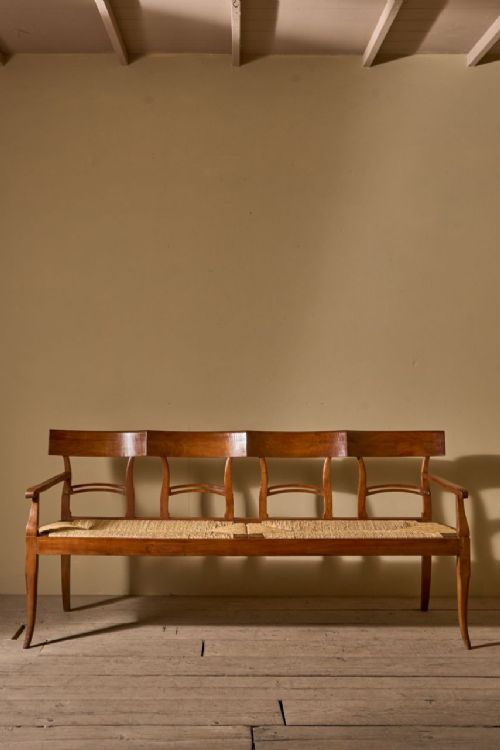
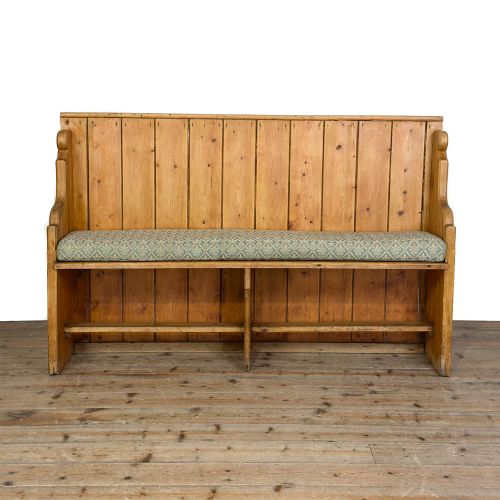
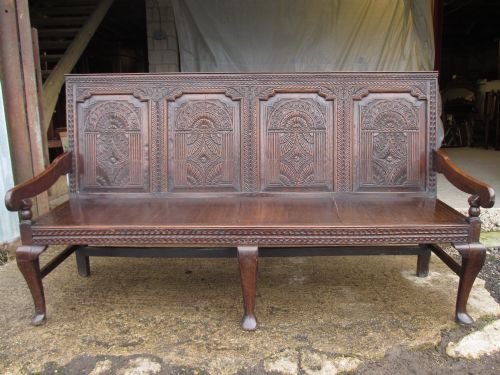
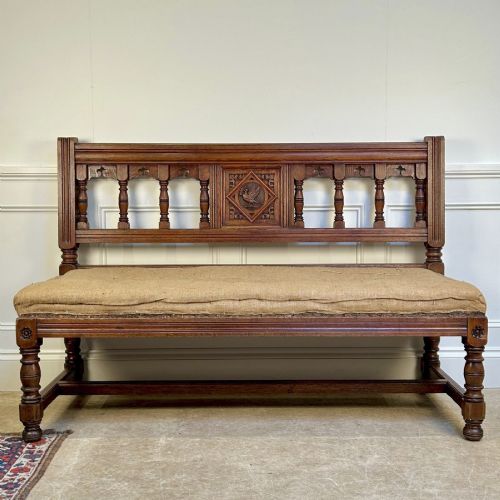
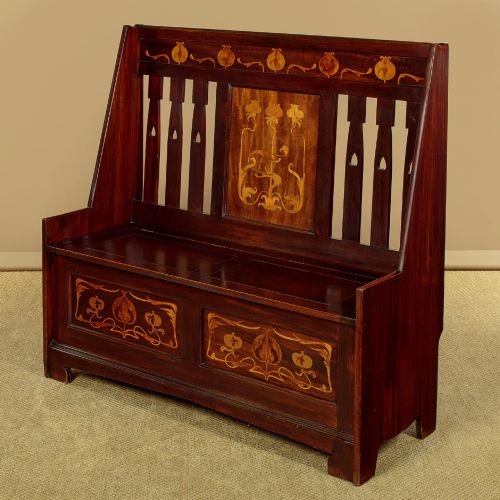
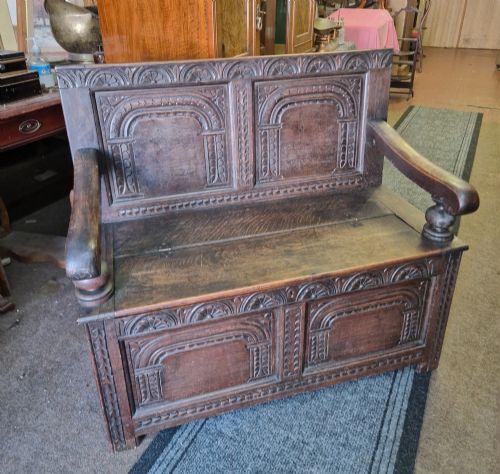
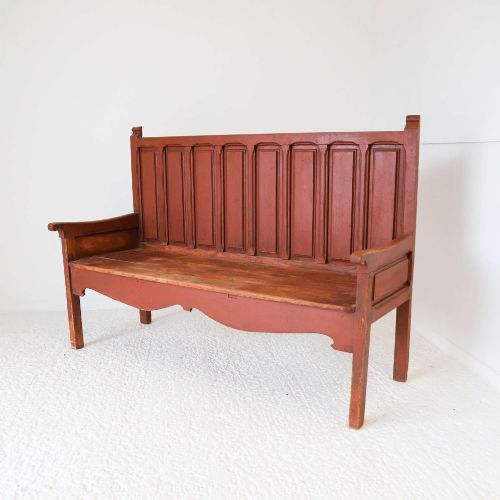
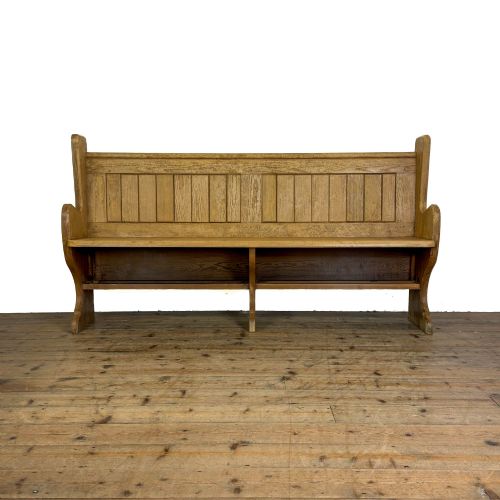
Entryway Wooden Settle
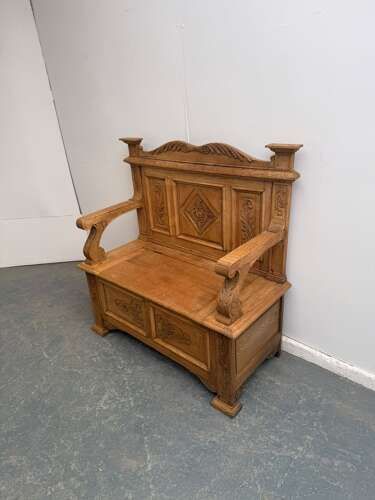
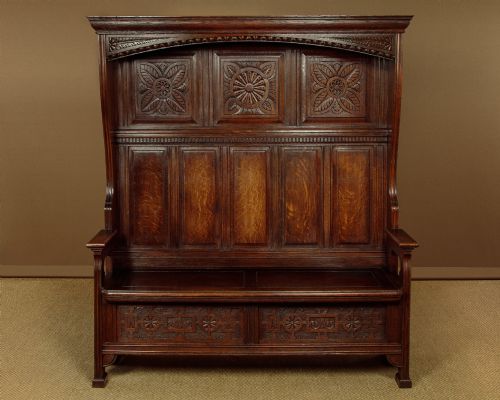
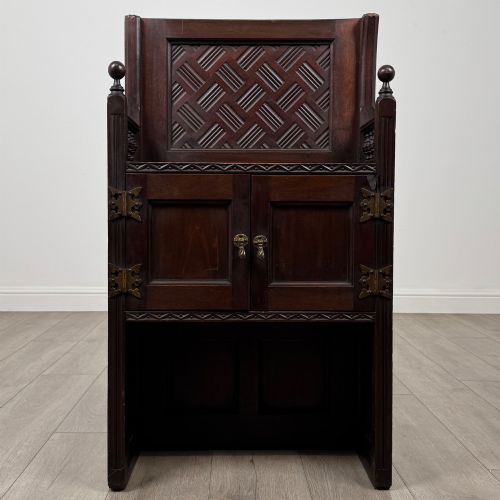
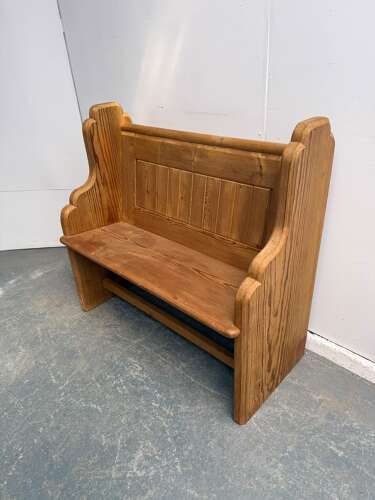
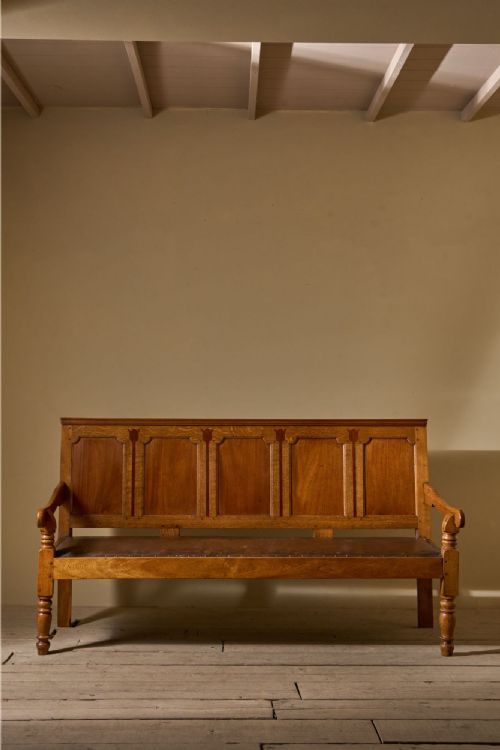
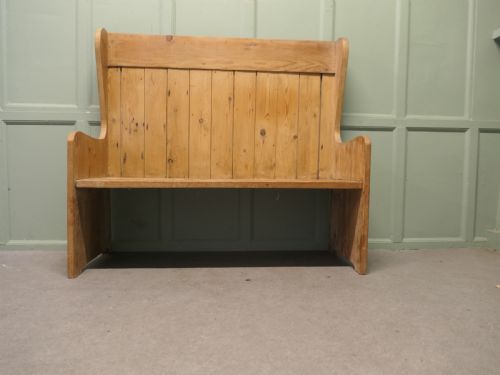
An entryway wooden settle greets visitors with high-backed architectural presence and sturdy timber construction, offering a practical seat and storage for boots.
Entryway Wooden Settle
When you search for an entryway wooden settle, you encounter substantial seating designed to block draughts in hallways and provide communal seating. The pieces appearing here span centuries of craftsmanship, from Georgian and Victorian periods to Edwardian examples and 1920s creations.
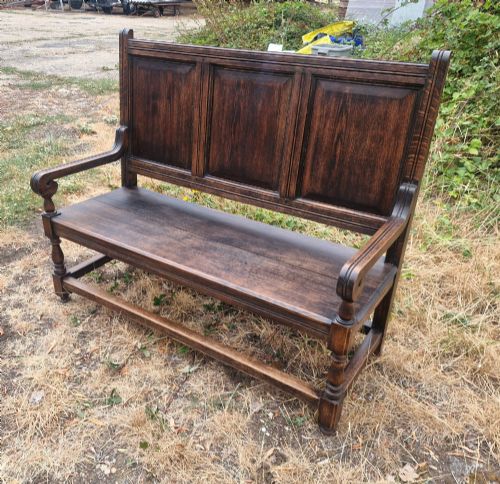
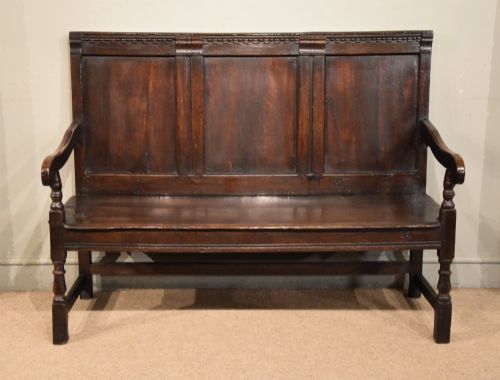
Most entries on this page take the form of oak, pine, or mahogany benches and box settles featuring high panelled backs, sometimes incorporating storage compartments beneath the seat or canopy tops. You will also find country pews, chapel benches, and hall seats originating from English, Irish, Spanish, and Hungarian traditions.
Makers and workshops utilised regional vernacular styles, ranging from Gothic and Jacobean Revival to rustic country forms. These seating items served both domestic halls and communal spaces, evolving from utilitarian draught excluders into decorative entryway furniture.
How they were made
Cabinet makers constructed these settles primarily using solid oak, pine, and mahogany, relying on traditional joinery techniques such as mortise and tenon joints to ensure rigidity across the high backs and box bases. Selected pieces incorporate burr elm veneers, cherrywood, or applied brass and iron hardware.
Surface treatments recorded in the evidence include wax polishes, limed finishes, and original paint, which highlight the natural grain of the timber. Carved details, panelled construction, and turned elements define the decorative execution across both Georgian country pieces and Victorian revival works.
Periods represented range from the 17th century through Georgian, Victorian, and Edwardian eras up to the 1920s.
What varies in quality
The distinction between standard examples and superior pieces rests on the depth of hand-carving, the complexity of architectural elements like canopies or box storage compartments, and the integrity of the timber. Heavily figured oak and original painted surfaces command greater attention than plain utility pieces.
Proportion and structural retention also dictate the hierarchy, where tight joinery, intact original panels, and untouched waxed surfaces represent the higher tier of surviving hall seating.
GIllows·James Shoolbred & Co·Liberty
The Entryway Wooden Settle Glossary
- Settle
- A wooden bench with high back, solid arms, and often a closed box base beneath the seat. This form protected sitters from cold draughts in historical hallways and kitchens.
- Box Settle
- A variant featuring a hinged seat lifting to reveal a storage compartment. It combined seating with utility for blankets, boots, or general household items.
- Church Pew
- A long wooden bench designed for ecclesiastical interiors, adapted over time for domestic hallways and country properties. These pieces often feature simplified plank construction.
- Gothic Revival
- A nineteenth-century design style drawing on medieval architectural motifs. Settles in this manner display pointed arches, tracery, and formal panel work.
- Jacobean Revival
- A style reviving seventeenth-century ornamentation, characterised by geometric panelling and deep relief carving. It appears frequently on nineteenth-century oak hall benches.
Entryway Wooden Settle: Frequently Asked Questions
What is an entryway wooden settle?
An entryway wooden settle is a high-backed wooden bench designed to provide seating and shelter from draughts in hallways. Many incorporate storage beneath the seat or feature panelled backs.
Historically placed in entrance halls, these pieces functioned as both practical seating for changing footwear and architectural statements for visitors entering a home.
How were wooden settles used historically?
Settles were placed near entrances or firesides to block cold air from sweeping across open rooms. The high back and solid wooden sides trapped body heat and kept sitters warm.
Box variants also served to store boots, cloaks, and household textiles, making them versatile furniture items in country houses and public buildings alike.
How do I style a settle in a hallway?
Position the settle against a main hallway wall where its high back can act as an anchor for the space. Add simple cushions or sheepskins to soften the wooden seat.
Utilise the storage beneath the seat for everyday items like shoes and umbrellas, keeping the entryway uncluttered and organised.
How can I tell the period of a settle?
Examine the construction methods, wood types, and decorative motifs present on the frame. Georgian and 18th-century pieces often display simpler pegged oak construction or painted pine finishes.
Victorian and later examples frequently incorporate Revival styles such as Gothic or Jacobean carving, alongside machine-sawn elements and different hardware fixings.