

Entry Hall Light
An entry hall light sets the tone for a home, combining practical illumination with strong decorative presence in a narrow space.
Entry Hall Light
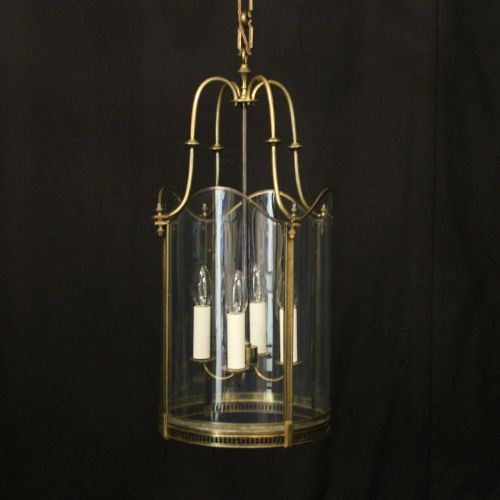
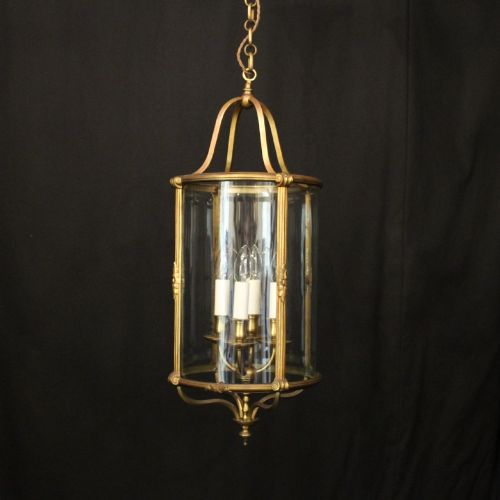
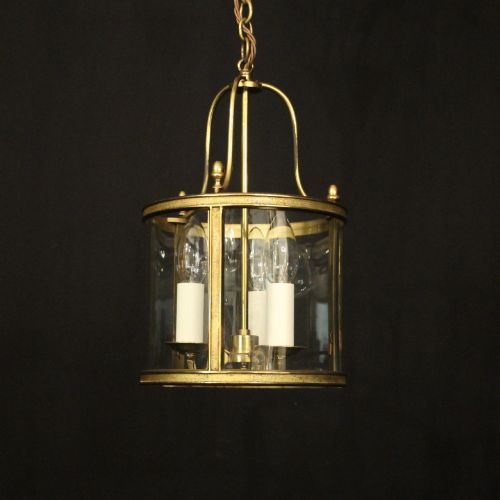
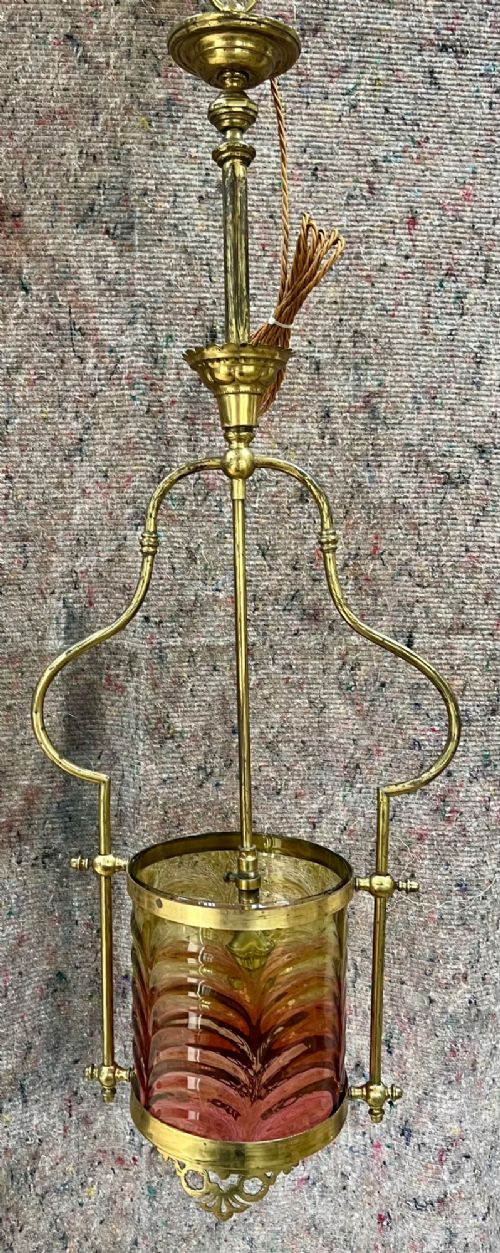
An entry hall light provides functional illumination while greeting visitors in the primary transition space of a home. Buyers searching for an entry hall light encounter a distinct concentration of hanging lanterns, ceiling lights, and pendant lights designed specifically for high-ceilinged vestibules and corridors.
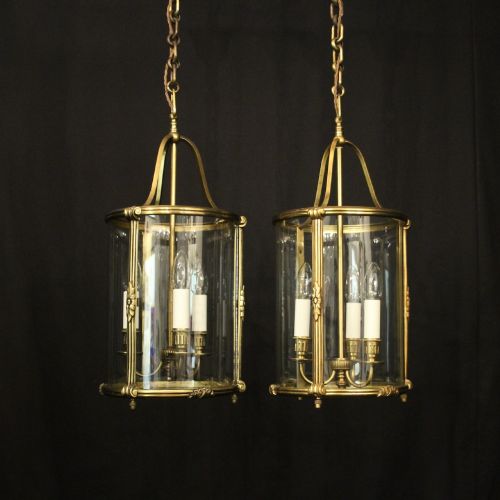
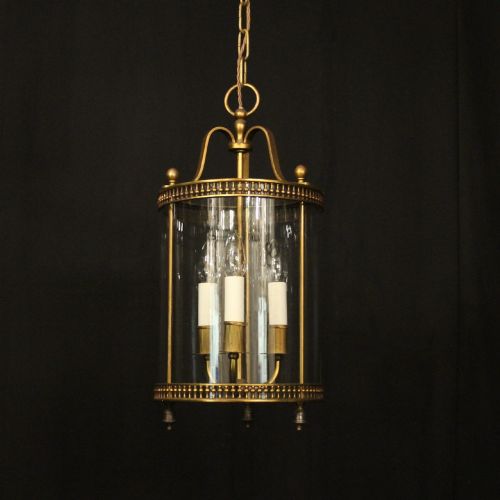
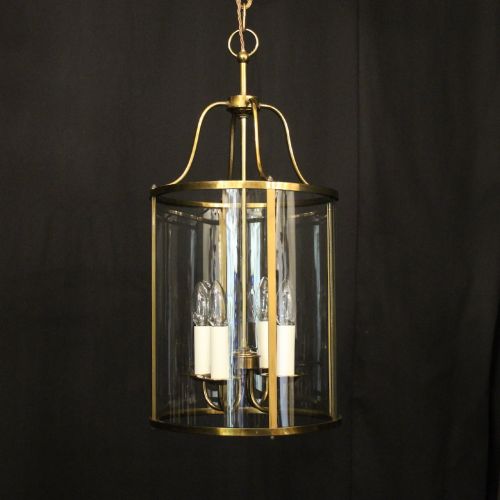
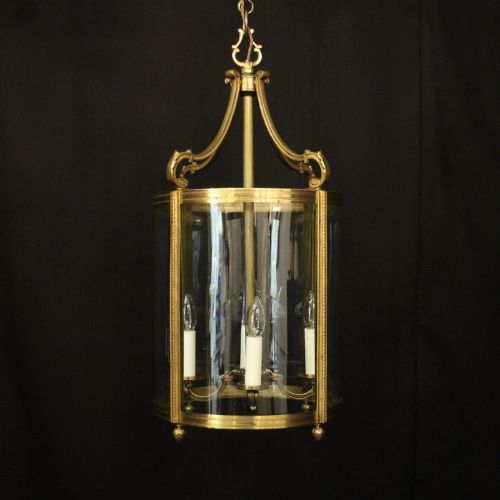
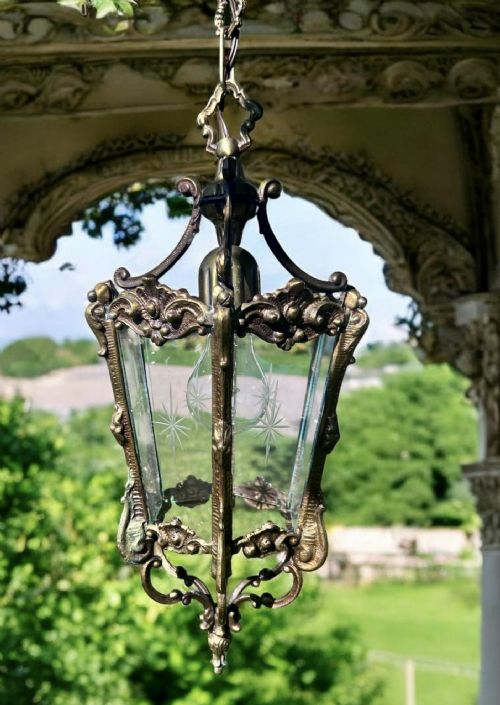
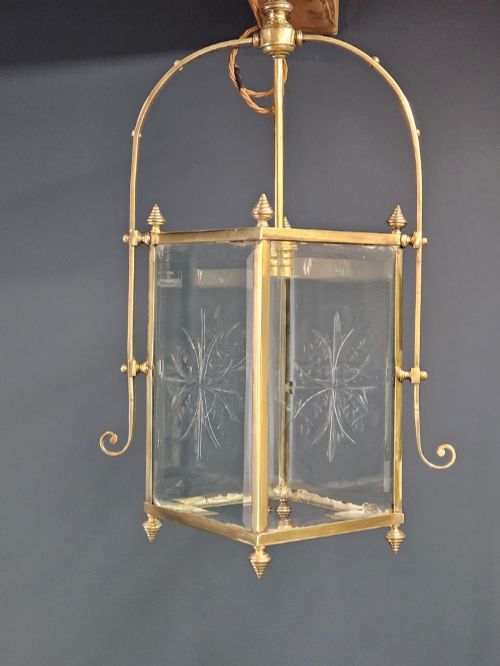
The selection on this page leans heavily toward French models, particularly gilded bronze and brass hall lanterns featuring convex or bevelled glass panels. These pieces span periods from the nineteenth century through the Edwardian era and the nineteen-twenties, often incorporating multiple internal lights to brighten narrow spaces.
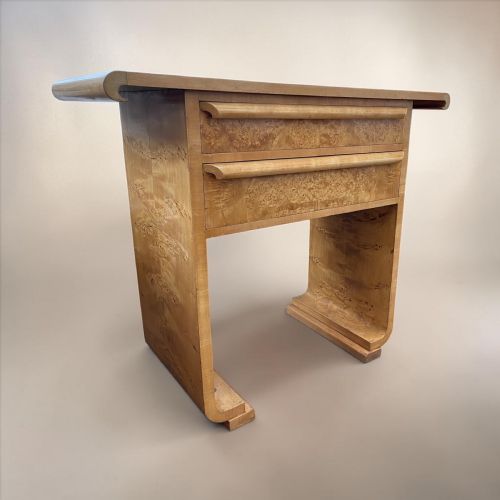
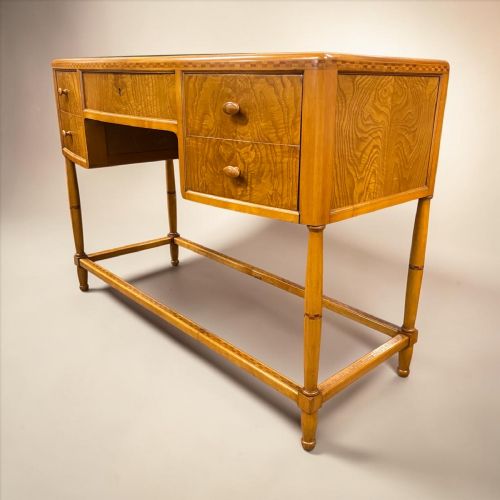
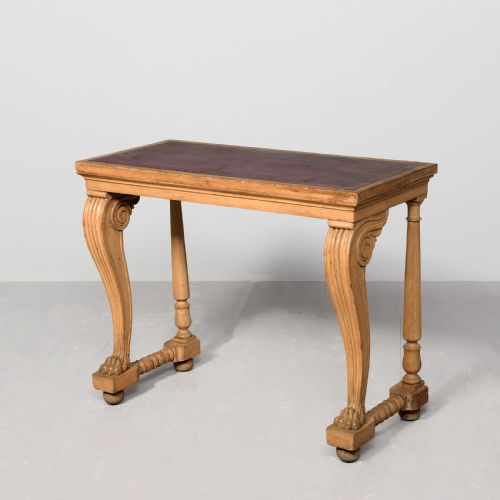
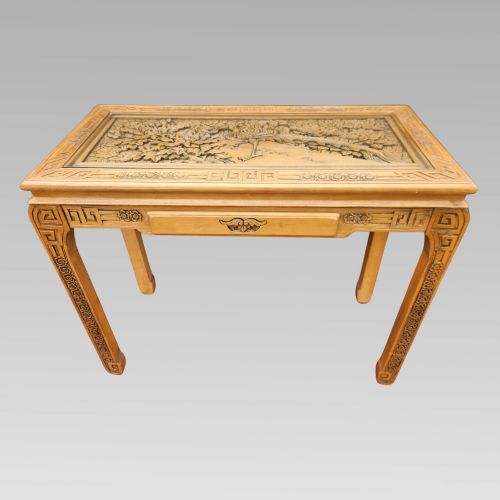
Alongside dedicated hanging lanterns, the listings include occasional console tables and centre tables that share the same historical periods. However, the core of the category remains lighting fixtures built to hang centrally from the ceiling of an entrance area.
Materials and Construction Methods
Metalwork forms the structural backbone of these fixtures, with makers utilising brass, bronze, and gilded bronze to shape sturdy frames. Gilding techniques apply a thin layer of gold to base metals, creating a rich surface sheen that catches and reflects the internal light.
Glass panels are integral to the design, frequently featuring convex curves or bevelled edges to refract the bulb or candle light in decorative patterns. Lead framing or metal channels hold these glass sections securely within the hanging cages.
Assembly relies on traditional metal joining, casting, and mounting techniques suited to heavy bronze and brass components. These methods ensure the fixtures can safely support the weight of multi-light configurations and glass enclosures over decades of use.
Several nineteen-twenties hall lanterns still retain their original convex glass panes designed to make visitors look slightly wider.
Distinctions in Quality and Execution
The fineness of the metal casting and the depth of the gilding set superior examples apart from standard production. Heavier bronze frames with crisp, detailed ornamentation indicate a higher tier of original manufacture compared to simpler stamped brass alternatives.
The complexity of the glass work also marks a difference in grade, with bevelled or heavy convex panes requiring greater skill to cut and fit than flat sheet glass. The integration of multiple light fittings within a balanced, well-proportioned frame completes the distinction of a top-tier piece.
Fortnum and Mason·James Mein of Kelso
The Entry Hall Light Glossary
- Convex glass
- Glass formed with an outward curve. This shape helps disperse light more widely across a hallway.
- Gilded bronze
- Bronze metal coated with a thin layer of gold. It provides a durable, lustrous finish that resists tarnishing.
- Hall lantern
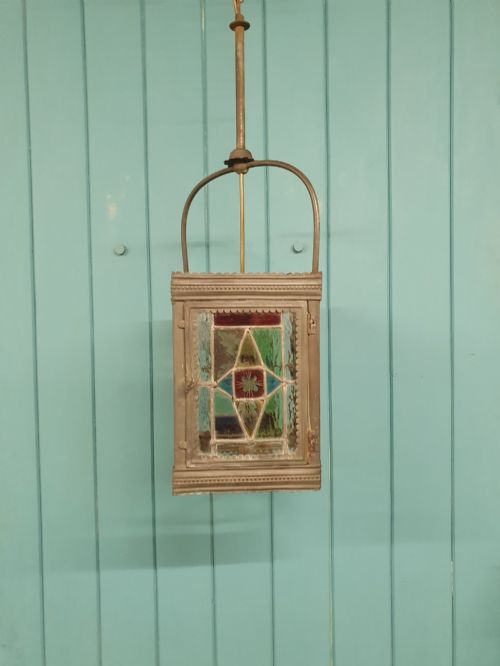
- An enclosed hanging light fixture designed for corridors and entrance spaces. These fixtures typically feature glass sides held within a metal framework.
- Bevelled glass
- Glass with edges cut at an angled slant. This treatment creates prismatic light effects when illumination passes through.
Entry Hall Light: Frequently Asked Questions
How do I choose the right size entry hall light?
Consider the height of your ceiling and the floor area of your vestibule before selecting a hanging lantern. Tighter spaces benefit from single-light fixtures, while larger halls accommodate multi-light bronze frames.
Ensure there is adequate clearance beneath the lowest point of the hanging fixture for people to pass under comfortably. Proportion remains key to balancing the light within the entryway.
Are these lights suitable for modern electrical wiring?
Most antique hanging fixtures accommodate standard modern wiring and bulbs with minor adaptations by a qualified electrician. Internal components can be updated while preserving the historic exterior frame.
Consult a professional to check the load-bearing capacity of your ceiling hook before hanging heavier bronze or glass lanterns.
How do I clean a gilded brass lantern?
Dust the metal framework regularly with a soft, dry cloth to prevent grime accumulation. Avoid harsh chemical cleaners that might strip the historic gilt surface.
Glass panels can be removed carefully or wiped in place using a mild glass cleaner applied to a cloth rather than sprayed directly onto the metal.