




Engraved Silver Plated Cup
An engraved silver plated cup brings substantial Victorian or Georgian presence to a sideboard, offering the brightness of silver over copper.
Engraved Silver Plated Cup
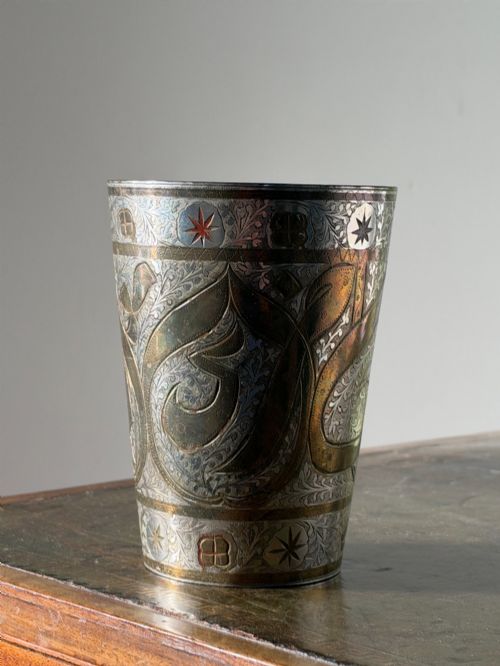
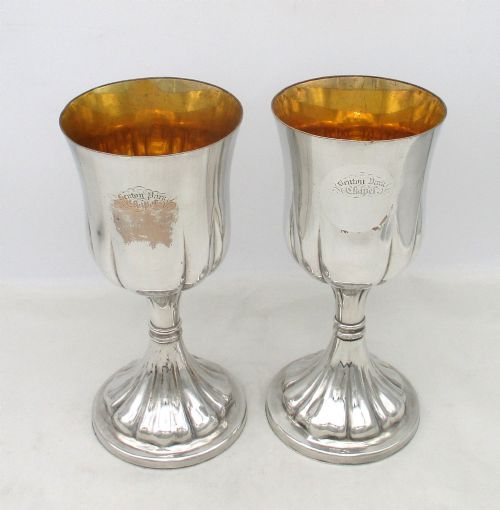
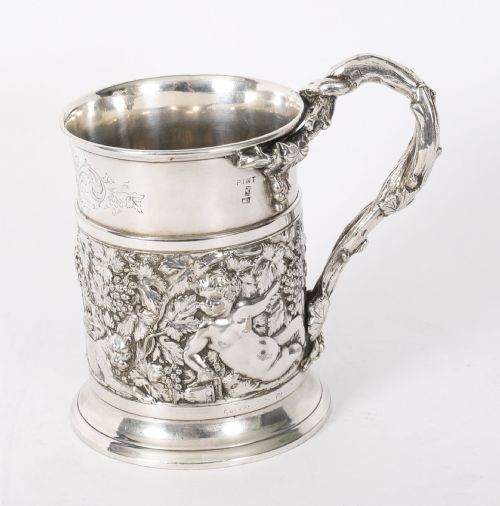
When you search for an engraved silver plated cup, you encounter drinking vessels and ceremonial items spanning from the eighteenth century through the art deco period. The selection includes loving cups, church chalices, communion goblets, tankards, and mugs, reflecting both domestic use and ecclesiastical or military origins.
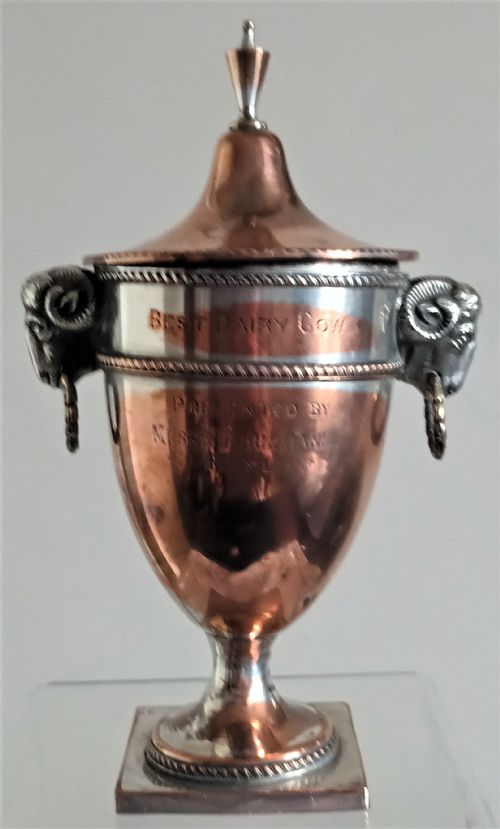
The nineteenth century provides the highest concentration of examples, particularly Victorian loving cups and Old Sheffield plate communion chalices. You also meet miniature chestnut urns, cocktail sets, and flasks with matching cups housed in leather cases.
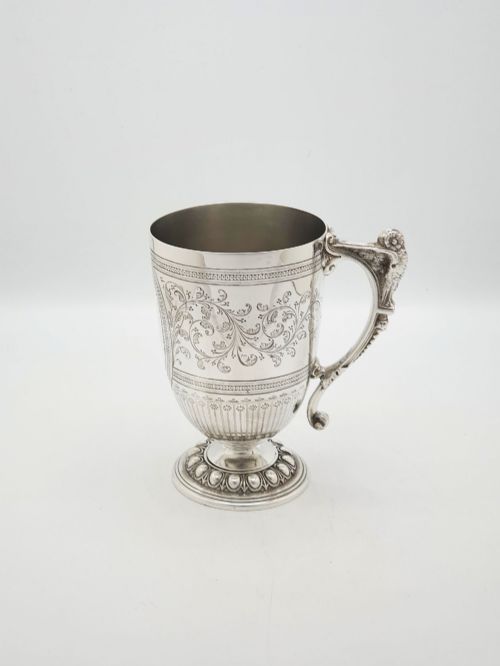
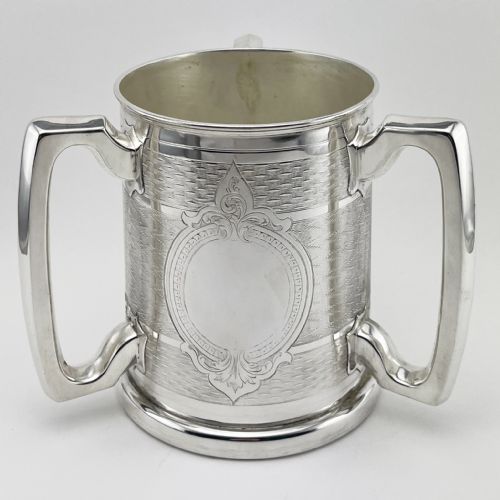
Forms range from simple tapered mugs with crisp surface engraving to large twin-handled loving cups and towering church chalices. Pieces originate from Georgian, Victorian, Edwardian, and later twentieth-century workshops.
How they were made
Makers utilised base metals such as copper, nickel silver, and electroplated nickel silver as a foundation before applying silver plating or Old Sheffield plating techniques. Early pieces often rely on the fusion of silver to copper sheets, while later Victorian and twentieth-century items employ electroplating.
Surface decoration is achieved through hand engraving, embossing, and occasionally gold gilding or interior wash. Handle attachments, such as the owl handle seen on Edwardian tankards, demonstrate specialised casting soldered securely to the main body.
Engraved Silver Plated Cup Retail Price Guide 2026
Typical asking prices for engraved silver plated cup among the pieces listed under this phrase on Sellingantiques today, from the lower quarter to the upper quarter. They describe what is for sale here now, not the wider market.
Listings span from the eighteenth century to the twentieth century, incorporating materials like copper, silver, and gold gilding alongside standard silver plate.
What varies in quality
The depth and clarity of the hand engraving distinguish finer pieces from simpler production items, as crisp lines and well-balanced floral or heraldic motifs require considerable skill. The underlying method of plating also matters, with Old Sheffield plate showing a distinct warmth compared to later electroplate.
Proportion and weight dictate the presence of a piece, particularly in loving cups and communion chalices where substantial metal gauge ensures durability and balance. Details such as applied cast handles, gilt interiors, and distinct hallmarks or maker stamps elevate the standing of an object.
G R Collis
The Engraved Silver Plated Cup Glossary
- Old Sheffield plate
- An early method of fusing a thin sheet of silver to a thicker copper base before rolling them together into sheets for smithing. This technique often reveals faint traces of copper along cut edges.
- Electroplated nickel silver
- A twentieth-century process where an electrical current bonds a layer of pure silver onto a nickel silver alloy core. It provides a bright and uniform finish.
- Loving cup
- A large drinking vessel featuring two or three handles designed for passing among guests at banquets or celebrations. These often carry detailed presentation engravings.
- Chalice
- A stemmed sacramental cup used in church services for communion wine. Many examples in this category date from the nineteenth century and exhibit restrained ecclesiastical forms.
- Gilt
- A thin application of gold applied to the interior or specific details of a silver plated vessel. This prevented the metallic taste of silver when consuming acidic liquids.
Engraved Silver Plated Cup: Frequently Asked Questions
What is an Old Sheffield plated cup?
An Old Sheffield plated cup is created by fusing silver and copper together mechanically rather than using electricity. This method produces a rich tone that ages gracefully over the centuries.
Such pieces often date from the Georgian and early Victorian eras. They display a characteristic warmth where the underlying copper subtly shows through high points.
How do I clean a silver plated cup?
Cleaning requires a soft cloth and a gentle, non-abrasive silver polish formulated for plated items. Vigorous rubbing must be avoided to protect the thin silver layer.
For pieces with Old Sheffield plate or delicate hand engraving, extra care prevents wearing away the historic surface. Rinsing with warm water removes residual polish from engraved grooves.
Were all these cups used for drinking?
Many large loving cups and chalices served decorative or presentation purposes rather than daily refreshment. They commemorated events, military service, or church milestones.
Smaller tankards and mugs saw practical use in homes and mess halls. Flask sets with matching cups were designed for travel and outdoor pursuits.
How can I tell a Georgian cup from a Victorian one?
Georgian and early nineteenth-century pieces frequently utilise Old Sheffield plate construction with understated classical proportions. Their engraving tends to be restrained and geometric or softly floral.
Victorian examples often employ electroplating and feature heavier, more ornate embossing and figurative motifs. Makers during this later period also introduced specialised drinking vessels like novelty tankards with animal handles.