







19th Century Loving Cup
These 19th century loving cup examples bring tangible history to the table, offering a glimpse into communal drinking traditions of the past.
19th Century Loving Cup
A 19th century loving cup is a traditional drinking vessel designed with multiple handles to facilitate passing around a table. The pieces found here span earthenware, ceramic, and silver plate, reflecting both humble country pottery and refined parlor wares.
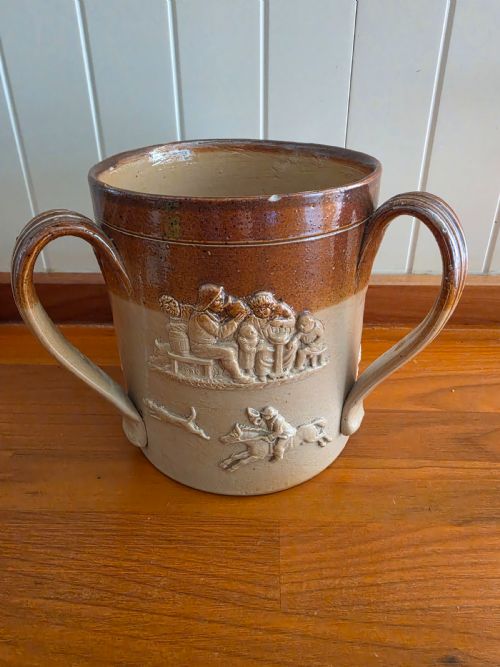
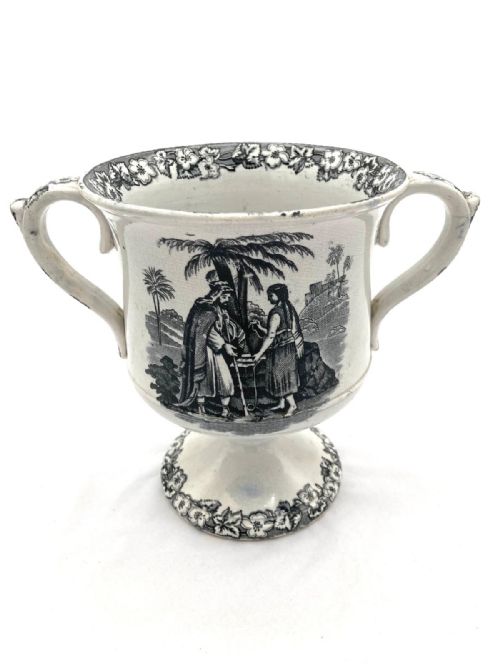
You will frequently encounter ceramic examples featuring transfer-printed hunting scenes or playful hidden frogs inside the base. Metal versions in silver and silver plate also appear, alongside distinct regional pieces such as pearlware and maritime folk art chalices.
Materials and construction
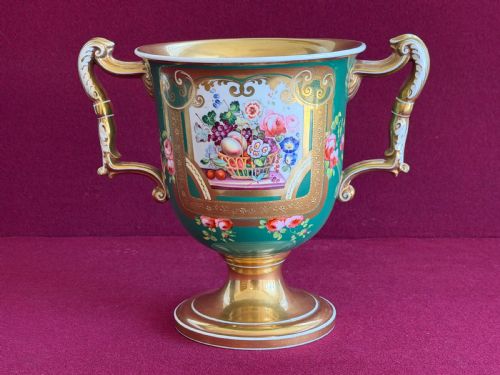
Pottery vessels rely on earthenware, stoneware, and pearlware bodies, often shaped with two or three handles and finished with detailed glazes or black and white transfer printing. Makers applied polychrome decoration and gold leaf to elevate the appearance of finer ceramic examples.
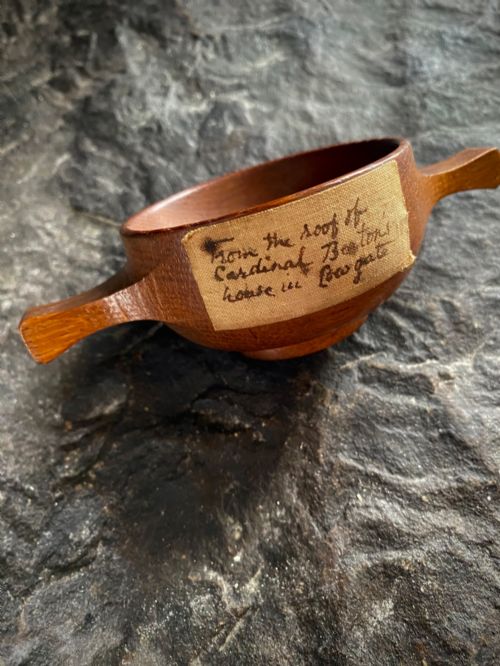
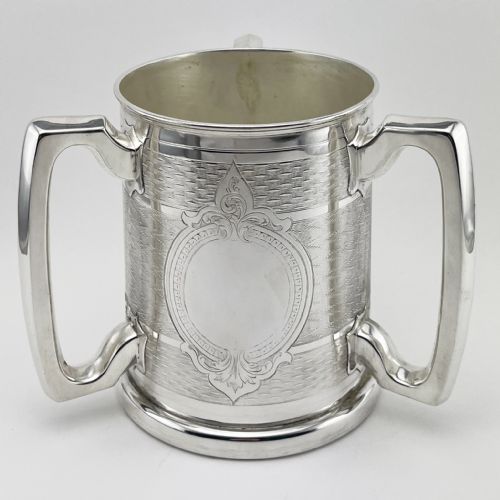
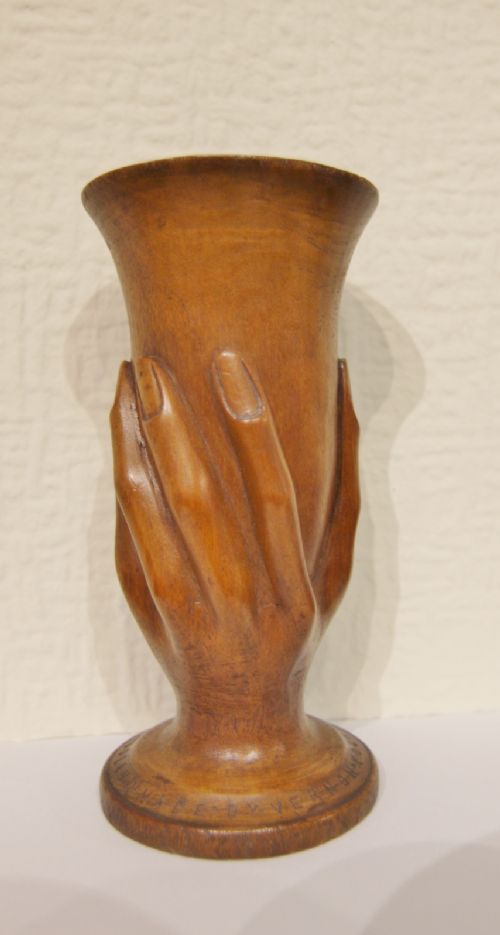
Metal versions utilise silver, Old Sheffield plate, and silver plate over base metals, sometimes incorporating applied silver rims. Artisans also worked in specialised organic materials, as seen in items like the Pitcairn Island loving chalice.
19th Century Loving Cup Retail Price Guide 2026
Typical asking prices for 19th century loving cup among the pieces listed under this phrase on Sellingantiques today, from the lower quarter to the upper quarter. They describe what is for sale here now, not the wider market.
Listings feature periods spanning Georgian, Regency, and Victorian eras, alongside styles like maritime folk art and English country pottery.
Judging quality and character
The division between standard utility pieces and finer examples rests on the crispness of the transfer printing or the precision of the hand-painted polychrome decoration. Superior ceramic vessels display clean glazes and well-modelled handles, while metal versions show careful plating and balanced proportions.
The presence of internal surprises, such as modeled frogs and newts, adds notable character and complexity to ceramic variants. Regional attribution, distinct material use, and historical provenance further elevate the standing of individual pieces.
H & R Daniel
The 19th Century Loving Cup Glossary
- Loving cup
- A large communal drinking vessel typically fitted with two or more handles. These vessels were passed among guests at banquets and celebrations.
- Tyg
- A traditional English drinking vessel featuring three or more handles. This design allowed multiple people to hold the cup securely during communal toasts.
- Transfer printing
- A decoration technique utilising engraved copper plates to transfer ink designs onto ceramics. It allowed for intricate scenes like hunting motifs to be reproduced consistently.
- Old Sheffield plate
- An early composite metal made by fusing a thin layer of silver to a copper base. This method produced durable tableware with a rich metallic lustre.
19th Century Loving Cup: Frequently Asked Questions
What is a 19th century loving cup?
A 19th century loving cup is a communal vessel with multiple handles created for shared toasts at gatherings and celebrations.
These vessels take many forms, ranging from earthenware pottery with transfer-printed hunting scenes to formal silver-plated chalices.
Why do some loving cups have frogs inside?
Potters placed small ceramic frogs and newts inside the bottom of the vessel as a playful surprise for the drinker.
As guests finished their drink, the hidden creature would suddenly appear, often prompting laughter or a forfeit during drinking games.
How were multi-handled loving cups used?
They were passed around a group of people, with each person holding a different handle to drink in turn.
This shared method of drinking symbolized friendship, trust, and community bonds at feasts and family gatherings.
What materials are these cups made from?
The selection includes various ceramics such as earthenware, pearlware, and stoneware alongside silver and silver plate.
Some unusual examples also incorporate regional materials, reflecting local crafts from maritime or overseas locations.