


Engraved Silver Plate Service
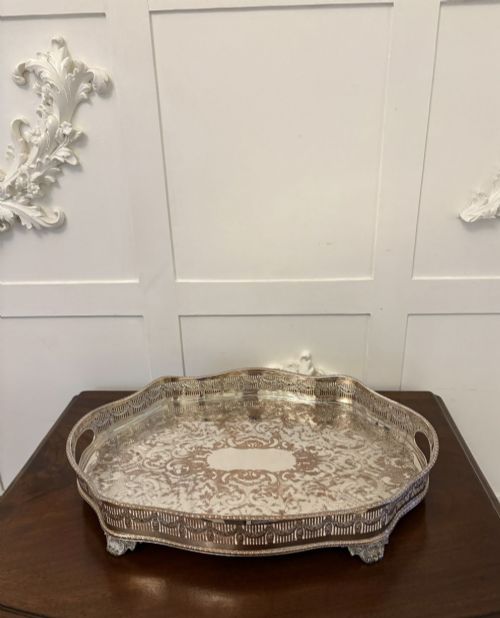
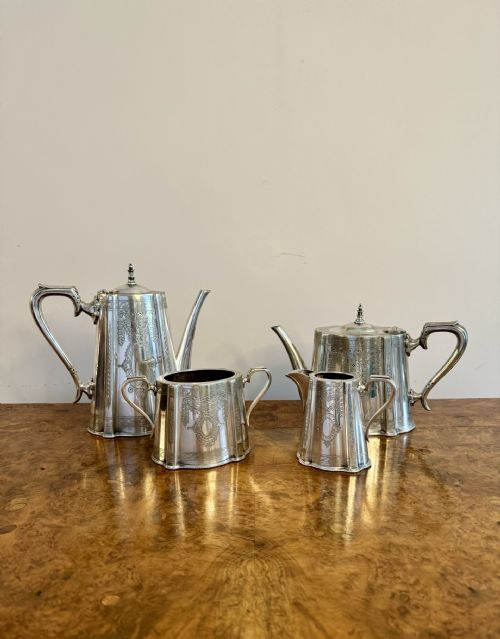
An engraved silver plate service brings nineteenth and twentieth-century elegance to the table through patterned tea sets, trays, and dining utensils.
Engraved Silver Plate Service
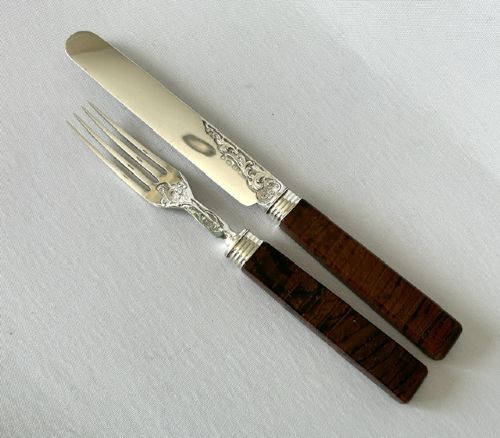
When you search for an engraved silver plate service, you meet a range of domestic metalwork from the Victorian, Edwardian, and Art Deco periods. These listings comprise tea sets, salver trays, spirit kettles, cutlery, and specialised dining pieces designed for formal presentation.
The Edwardian and Victorian tea sets and trays dominate the selection, often featuring detailed surface engraving across the metal. Alongside these, smaller serving items such as butter dishes with glass liners and communion sets appear from the nineteenth century onward.
How they were made
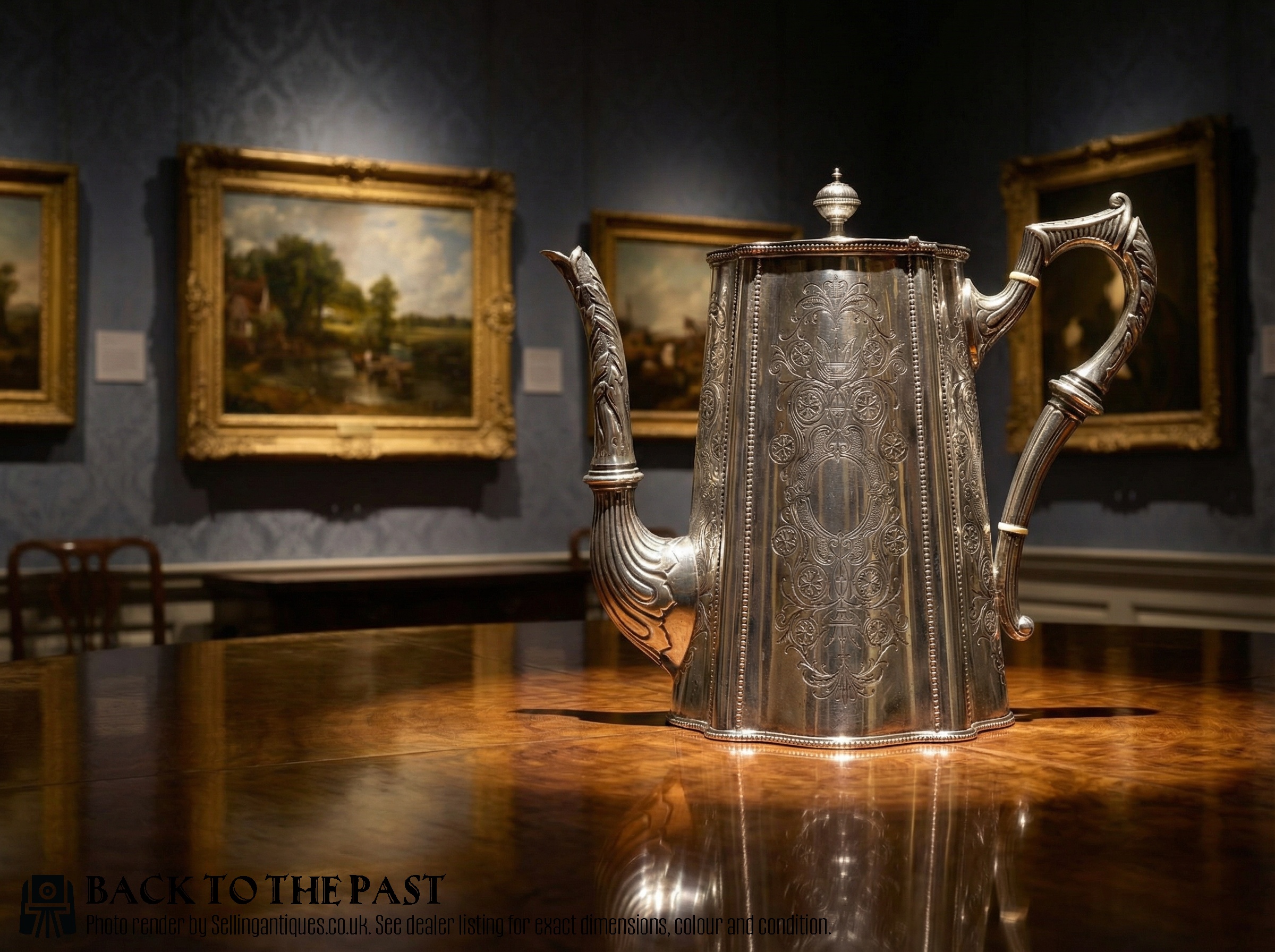
Makers utilised electroplated nickel silver or standard silver plate as a base, applying a layer of silver over underlying base metals. Workshops employed hand-engraving techniques to cut decorative foliage, scrolls, and borders directly into the metal surface.
Many items incorporate auxiliary materials such as bone, glass, agate, ivory, and mother of pearl for handles, liners, and cutlery inserts. Stands, burners, and fitted wooden boxes accompany specific kettles and dessert canteens.
Listings span the Victorian, Edwardian, and Art Deco periods, incorporating base materials like copper, nickel silver, and glass.
What varies in quality
The depth, crispness, and complexity of the surface engraving distinguish standard production from superior examples. Hand-cut lines that retain their sharpness across heavily patterned tea trays and salvers indicate skilled craftsmanship.
The structural integrity of the base metal, the retention of the original silver plating, and the integration of secondary materials like bone or glass liners also define the tier of a service.
Walker and Hall·Elkington Mason·Frederik Ellis Tim and Co
The Engraved Silver Plate Service Glossary
- Silver Plate
- A base metal coated with a thin layer of silver through chemical or electrical processes. This technique allowed domestic tableware to mimic solid silver at a lower cost.
- Electroplated Nickel Silver
- A copper, nickel, and zinc alloy coated with silver via electrolysis. It served as the primary foundation for high-quality domestic metalwork from the mid-nineteenth century onward.
- Salver
- A flat round tray used for serving food or drinks. These pieces often feature raised rims and extensive surface engraving.
- Spirit Kettle
- A water kettle mounted on a metal stand above a small burner. They were used at the tea table to keep water hot throughout service.
- Dessert Service
- A matched set of cutlery and serving utensils intended for the final course of a meal. They frequently feature decorative handles made of bone, ivory, or mother of pearl.
Engraved Silver Plate Service: Frequently Asked Questions
How do I clean engraved silver plate?
Use a soft cloth and a gentle silver polish formulated for plated items. Avoid harsh scrubbing that can wear through the thin silver layer into the base metal.
Take care around hand-engraved grooves where polish residue can accumulate. Rinse with warm water and dry thoroughly with a soft cloth.
Can I use these tea sets daily?
These items function well for occasional dining and tea service if handled with care. Hand washing preserves the delicate plating and organic handles.
Avoid dishwashers and harsh detergents, which damage both the silver surface and materials like bone or mother of pearl.
How do I date an engraved service?
Examine the style of the engraving, the shape of the handles, and any maker marks stamped on the underside. Victorian pieces often display ornate, heavy floral motifs.
Edwardian designs tend toward lighter, neoclassical patterns, while later twentieth-century items show simpler geometric forms.
What is a spirit kettle used for?
A spirit kettle boils or maintains the temperature of water at the tea table using an under-mounted burner. The stand holds the vessel securely above the flame.
They formed part of larger afternoon tea services in wealthier nineteenth and early twentieth-century households.