

Engraved Silver Napkin Ring
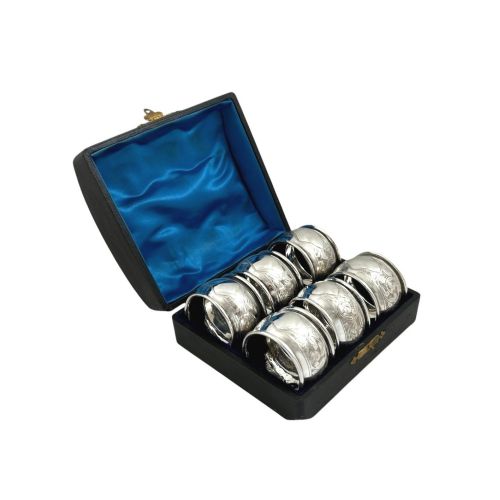
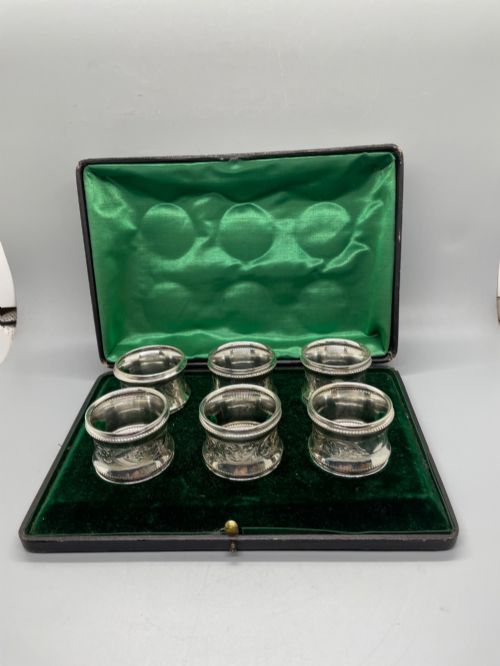
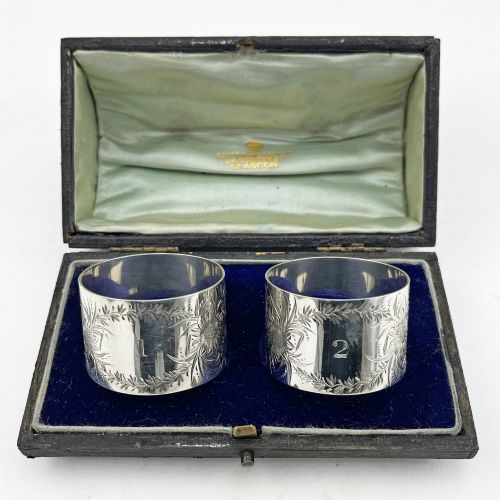
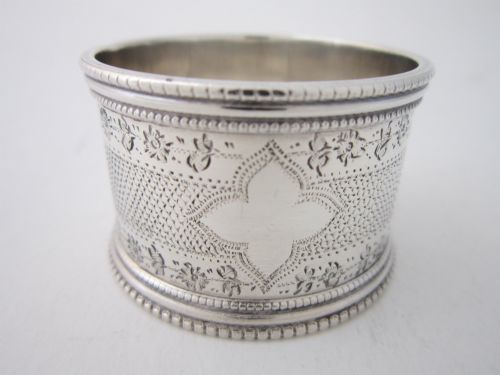
An engraved silver napkin ring carries personal initials, names, or delicate botanical scrolls, making it a tactile piece of family history for the dining table.
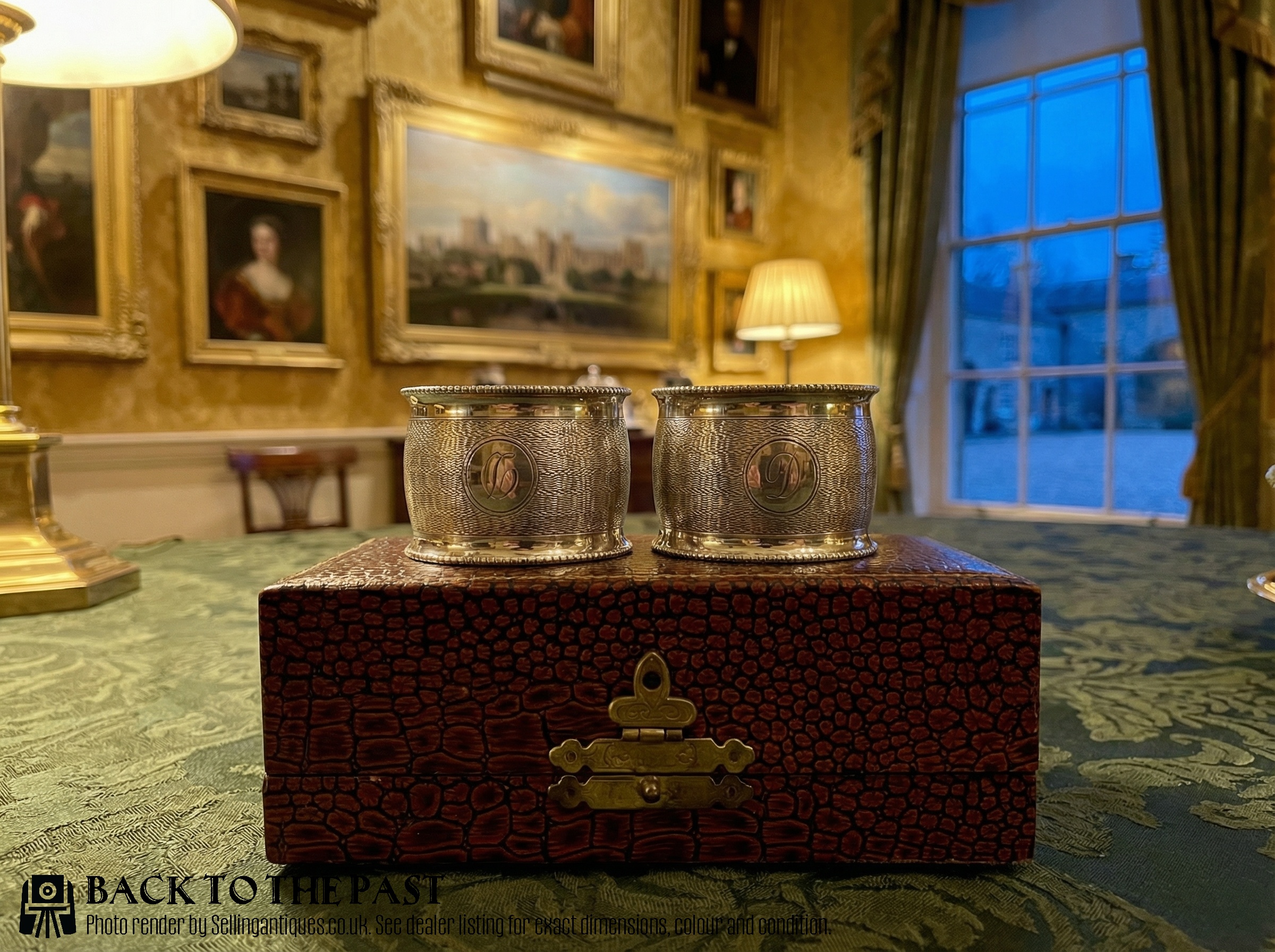
Engraved Silver Napkin Ring
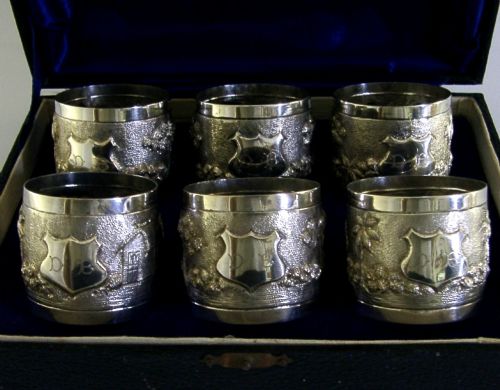
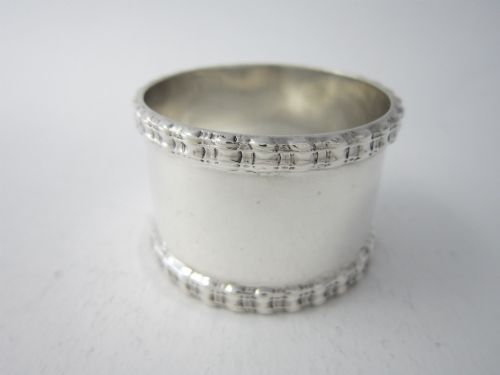
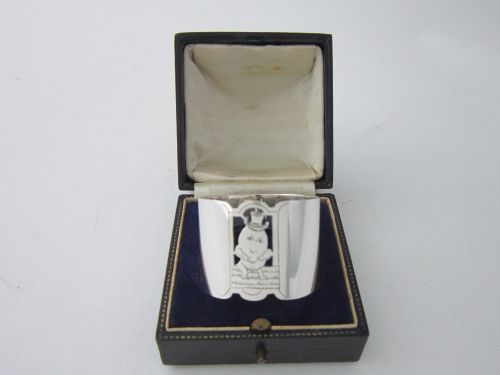
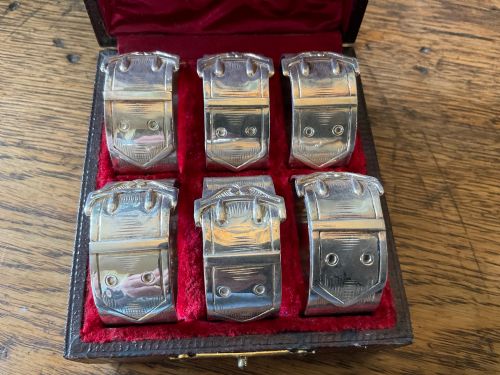
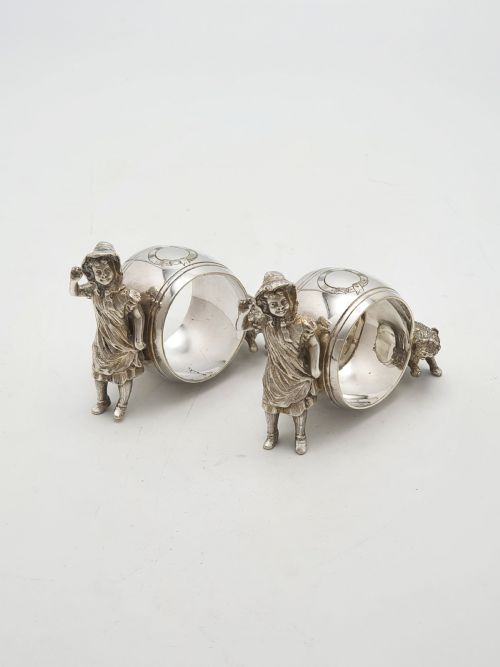
Victorian and Edwardian versions dominate the selection, alongside George V and later mid-century examples. Alongside standard cylindrical bands, forms extend to novelty shapes such as belt buckles, ducks, bees, and butterflies, as well as figural designs and christening sets.

Materials and Technique
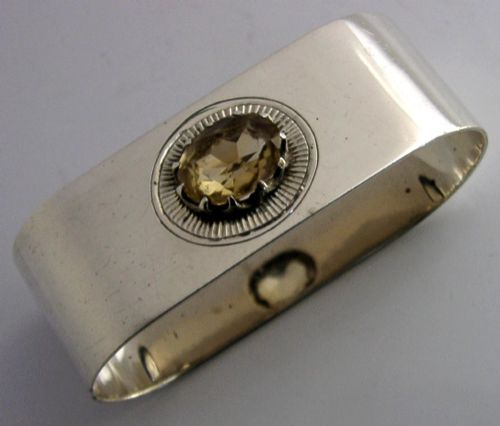
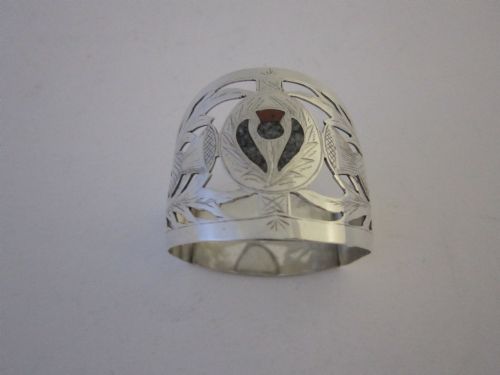
Silversmiths formed these objects primarily from solid sterling silver or silver plate, utilising sheet metal rolled into a cylinder and joined at the seam. Many pieces incorporate decorative stones such as citrine or agate, adding colour to the metallic surface.
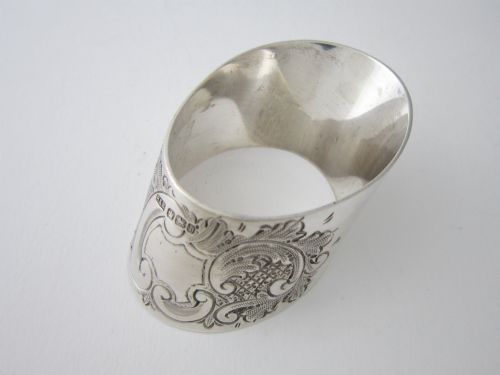
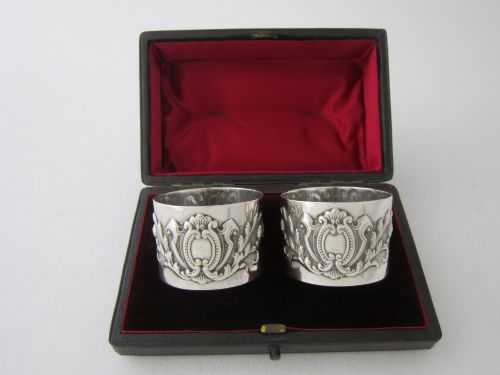
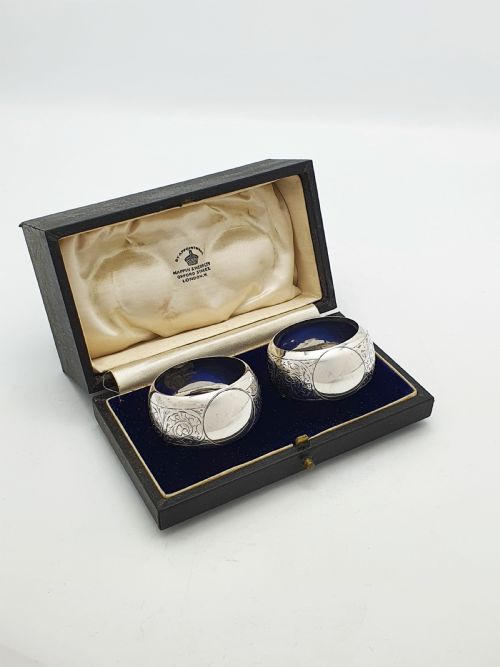
The ornamentation relies on manual technique, with artisans employing hand-engraving to cut ferns, scrolls, floral motifs, or names directly into the metal. Piercing, embossing, and cast figural elements further supplement the engraved surface work.
Engraved Silver Napkin Ring Retail Price Guide 2026
Typical asking prices for engraved silver napkin ring among the pieces listed under this phrase on Sellingantiques today, from the lower quarter to the upper quarter. They describe what is for sale here now, not the wider market.
Listings include solid sterling silver and silver plate, spanning the Victorian, Edwardian, George V, Art Deco, and Mid-Century British periods.
The Standard of Workmanship
The distinction between standard output and finer examples rests upon the depth and clarity of the hand-engraving. Crisp, deeply incised fern fronds or scrollwork demonstrate superior artisan control compared to shallow, machine-pressed imitations.
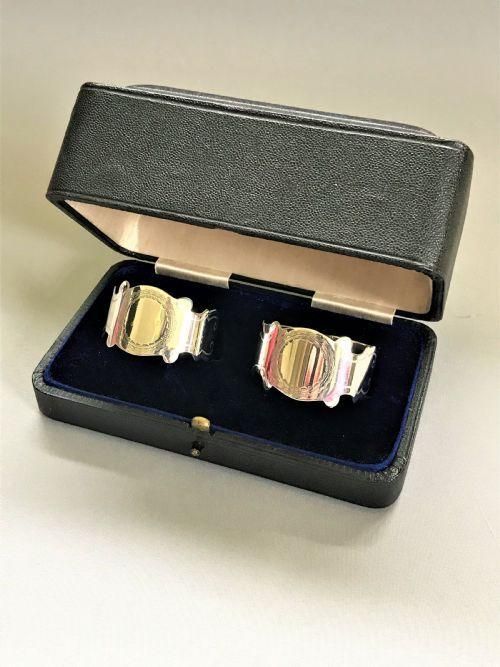
Weight and structural gauge differentiate the pieces, with heavier sterling silver examples retaining their circular integrity without distortion. Furthermore, the presence of fitted presentation boxes lined in silk or velvet elevates the standing of a matched pair or set.

Mappin and Webb·Henry Wilkinson·Rolason Brothers·William Henry Sparrow
The Engraved Silver Napkin Ring Glossary
- Sterling silver
- A silver alloy containing 92.5 percent pure silver by mass, with the remainder composed of copper. This standard alloy provides the durability required for everyday dining accessories.
- Silver plate
- A base metal object coated with a thin layer of pure silver. This technique offered a more accessible option for larger table sets.
- Hallmark
- An official stamp applied to precious metals indicating the standard of purity, the assay office, and the year of manufacture. These small marks allow precise dating of British pieces.
- Citrine
- A yellow quartz variety occasionally set into the body of a napkin ring. It provides a warm, contrasting accent against the polished silver.
- Christening set
- A matched grouping typically comprising a napkin ring, spoon, and fork, presented to an infant to mark a naming ceremony.
Engraved Silver Napkin Ring: Frequently Asked Questions
How do I clean tarnished silver?
Clean silver gently using a specialised microfibre cloth formulated for precious metals to remove oxidation without damaging the delicate hand-engraved lines.
Avoid abrasive pastes or harsh chemical dips that strip away the subtle dark highlights within the engraved recesses.
Were these used daily?
Families utilised engraved silver napkin rings at every meal to identify individual household members' linen between washings. Personalized engravings with names or initials ensured proper allocation around the dining table.
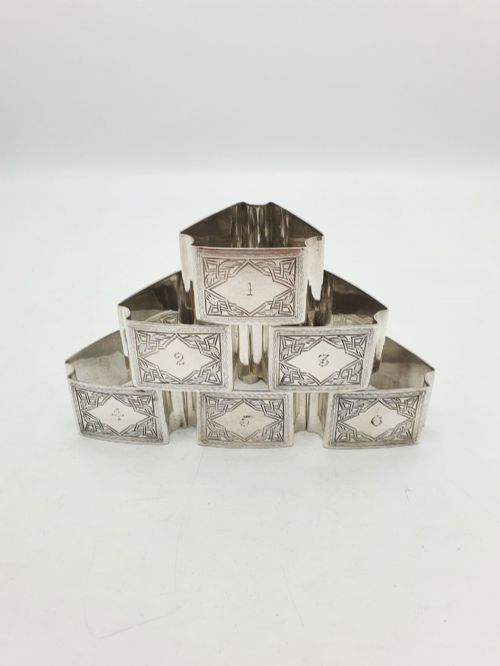
Matching sets of six or twelve often remained stored in velvet-lined cases for formal dinner parties and Sunday gatherings.
How do I date my piece?
Locate the small stamped hallmarks on the exterior or interior rim of the band to determine the exact assay office and year letter. Stylistic clues such as fern motifs point to the Victorian era, while geometric lines indicate the Art Deco period of the 1930s.
Can I use them today?
These rings accommodate modern cloth napkins just as they did a century ago, bringing a sense of heritage to contemporary dining tables. They also serve as decorative desk accessories or display items when not holding table linen.