


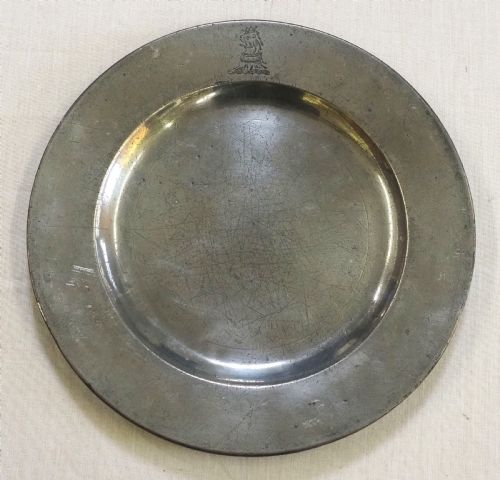

Engraved Silver Dish
An engraved silver dish brings intricate linear detail to the table, combining utility with decorative hand-work.
What these pieces are
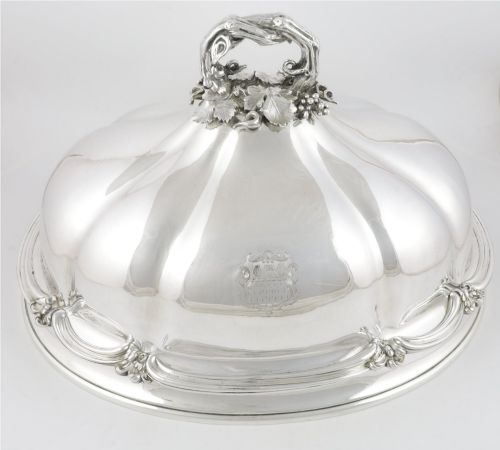
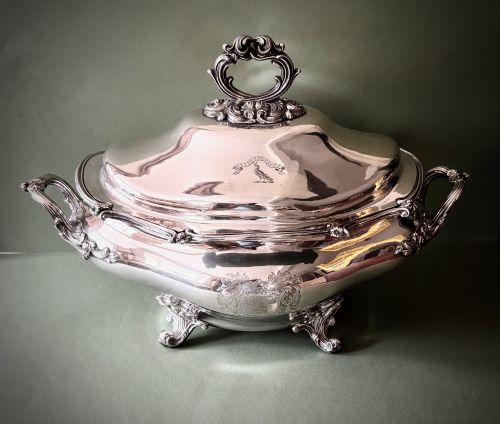
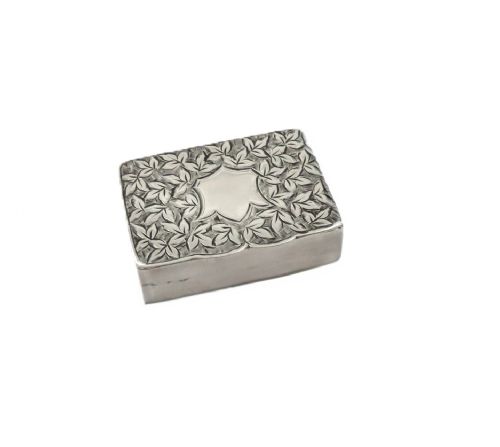
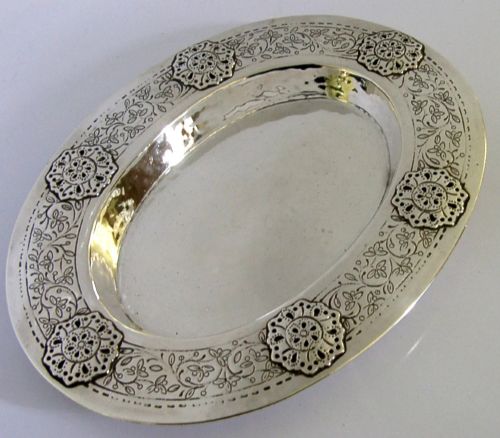
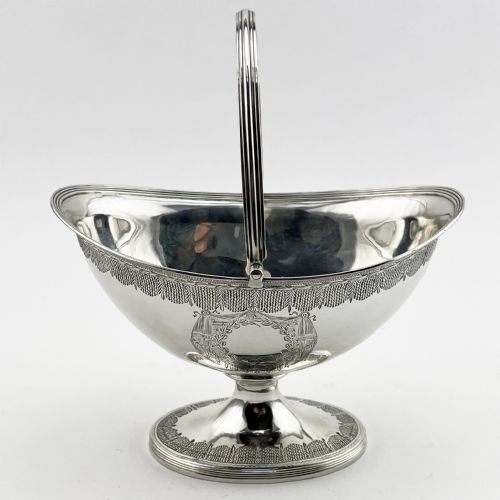
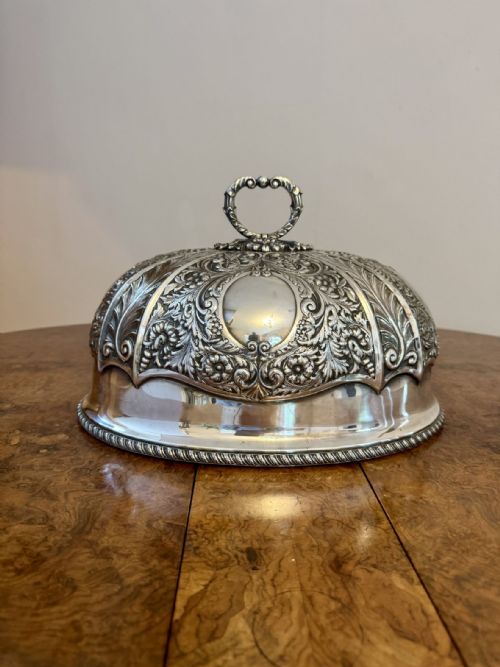
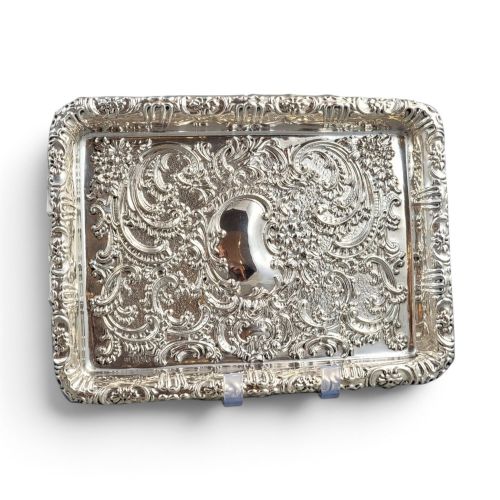
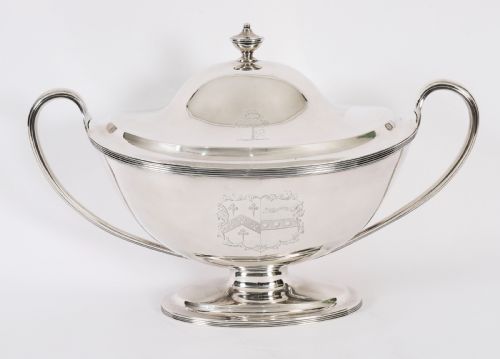
When you search for an engraved silver dish, you encounter a varied selection of domestic vessels spanning several centuries. The inventory encompasses small pin dishes and trinket dishes alongside larger sweet bowls, butter dishes, and substantial soup tureens.
The objects originate from British workshops, the Georgian period, and colonial regions, reflecting diverse functional needs from formal dining to personal vanity. George III examples stand alongside Victorian, Edwardian, and mid-century items, showing shifts in domestic habits over time.
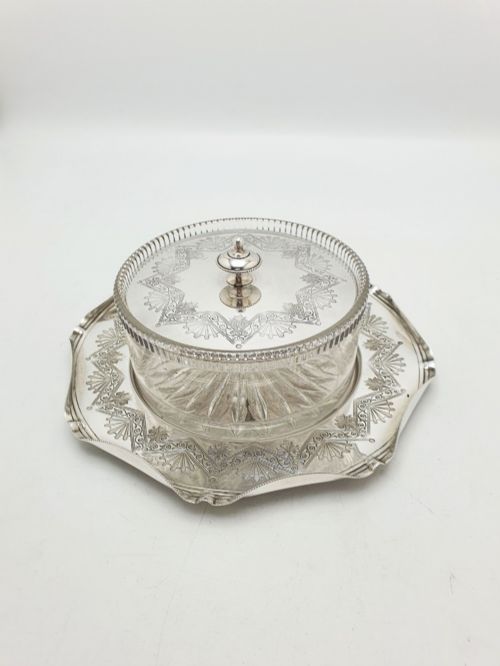
The forms range from simple round pin trays to handled sweetmeat baskets and lidded revolving breakfast dishes. Most items serve to hold small items, sweets, or specific food items at the table.
How they were made
The pieces utilise sterling silver, solid silver, silver plate, and older copper bases, occasionally enhanced with a gold wash. Makers formed the vessels through hammering, casting, or shaping Sheffield plate over a copper core.
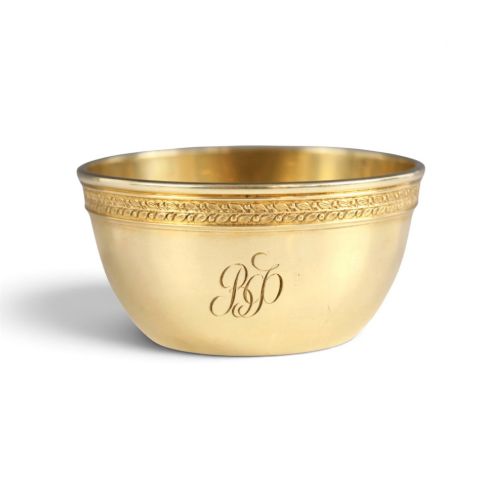
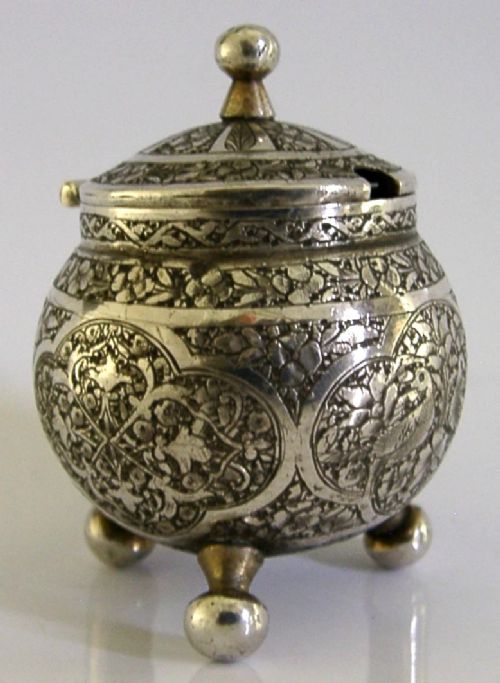
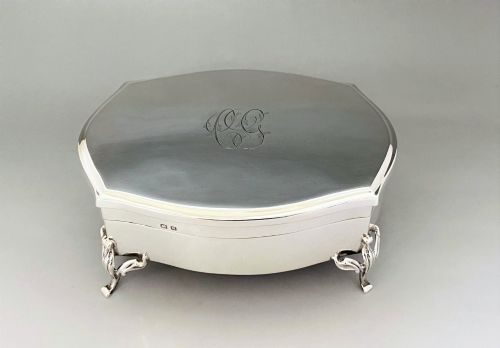
Decoration relies on hand engraving, cutting through metal to create linear patterns, monograms, crests, and floral motifs like ferns or sailing ships. Some designs incorporate cut crystal inserts or applied cast borders.
Retail Price Guide 2026
Typical UK retail prices for engraved silver dish, calculated from the Sellingantiques database of over a million retail prices indexed since 2003. This retail price guide relies exclusively on Sellingantiques data; no external sources or auction records are used, so the figures do not describe the wider market.
Listings feature sterling silver, silver plate, copper, and gold wash across periods from the eighteenth century to the mid-twentieth century.
What varies in quality
Quality rests on the crispness of the hand engraving and the weight of the metal utilised in the body. Crisp, deep lines in a fern or crest indicate a skilled hand, whereas worn or shallow incisions suggest hurried work or excessive polishing.
The reputation of the maker and the integrity of the original construction dictate the standing of the piece. Substantial gauge silver and balanced proportions separate utilitarian vessels from finer cabinet examples.
William Bennett·S Kirk And Son Company·Walker and Hall
The Engraved Silver Dish Glossary
- Sterling silver
- An alloy comprising ninety-two point five percent silver and seven point five percent other metals, usually copper. This standard ensures durability while maintaining precious metal purity.
- Old Sheffield plate
- An early form of plated metal produced by fusing a thin sheet of silver to a thicker copper base under heat. Items made this way often reveal the underlying copper where the silver layer thins.
- Sweetmeat basket
- A small decorative container designed for holding sweets, nuts, or small confections during dessert courses. These pieces frequently feature pierced work and swing handles.
- Gold wash
- A thin layer of gold applied to the interior surface of a silver vessel, often used on bowls and tureens to protect the silver from acidic foods.
- Pin dish
- A small, shallow tray intended for holding pins, coins, or small trinkets on a dressing table or desk.
Frequently Asked Questions
How do I clean an engraved silver dish?
Use a soft cloth and a gentle silver polish formulated to avoid abrasive damage to the incised lines. Wash the piece in warm soapy water afterwards and dry thoroughly with a lint-free cloth.
Avoid harsh chemical dips that strip the natural dark patina from the engraved grooves, as this contrast defines the pattern.
Can I use these dishes for food daily?
Solid sterling silver and silver-plated vessels function well for serving dry foods, sweets, or butter at the table. Take care with items featuring a gold wash or delicate crystal inserts.
Acidic foods should not remain in contact with silver for extended periods to prevent surface pitting or tarnishing.
How do I identify the date of a piece?
Look for hallmarks stamped into the metal, which include maker marks, standard marks, and date letters indicating the assay office and year. Stylistic clues such as George III neoclassical borders or Victorian fern engraving also help narrow the era.
Unmarked pieces rely on construction techniques, material composition, and prevailing design trends of the period for dating.
What is Old Sheffield plate?
Old Sheffield plate is an early fusion material where silver and copper are heated and rolled together into sheets before fabrication. This technique predates modern electroplating and produces items with a warm, distinctive weight.
Examining the edges often reveals a thin line of copper where the fused metals meet.