





Engraved Silver Card Case
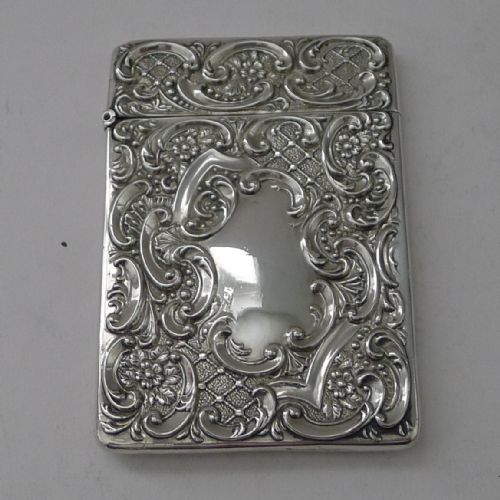
An engraved silver card case is a portable pocket accessory designed for social calls, and collectors prize them for their intricate surface decoration and crisp nineteenth-century craftsmanship.
Engraved Silver Card Case
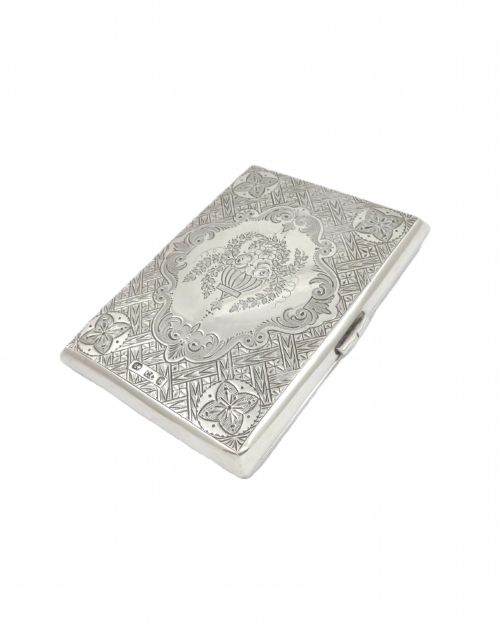
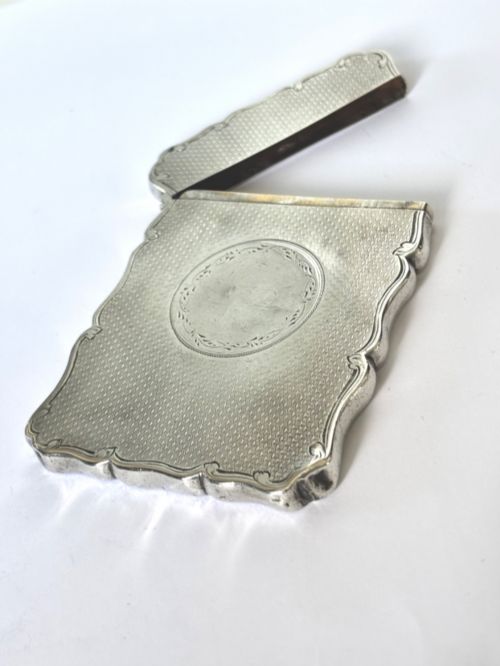
When searching for an engraved silver card case, a buyer is looking at flat pocket containers specifically engineered to hold visiting cards during formal social calls. These items appear most frequently from the Victorian and Edwardian eras, spanning from the mid-nineteenth century through to the early decades of the twentieth century. The forms range from rigid rectangular boxes with hinged lids to concertina silk card holders and flexible purses.
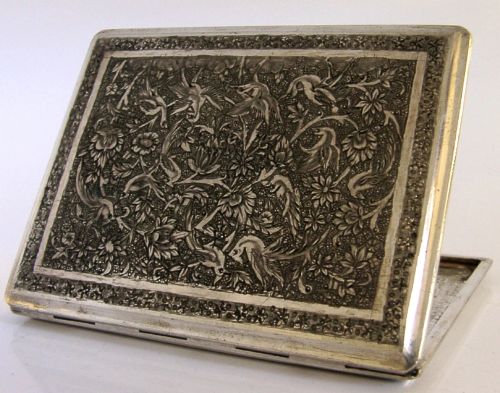
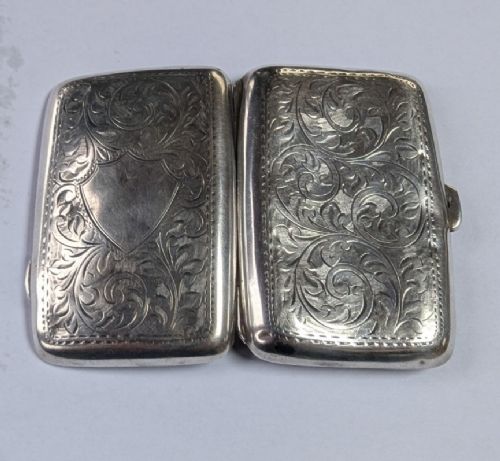
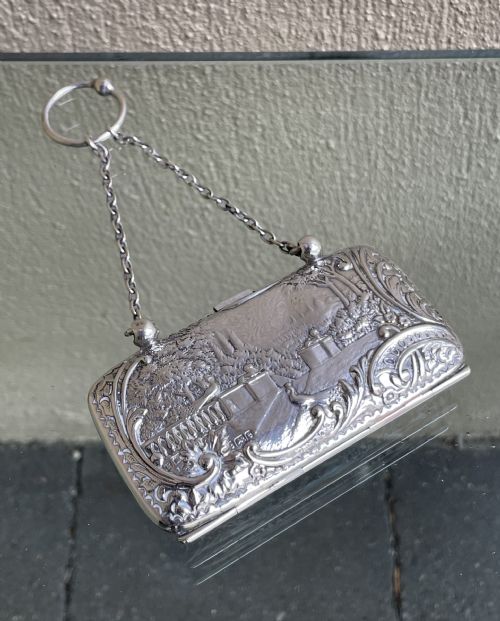
The most common examples met on this page are Victorian sterling silver calling card cases featuring intricate foliate scrolls or architectural motifs. Alongside these standard calling card containers, related pieces such as cigarette cases, aide-memoires, and silver purses frequently appear in the listings. Origins stretch from English assay offices in Birmingham and London to international pieces originating in Ottoman regions, Russia, and Siam.
Silver and Surface Work
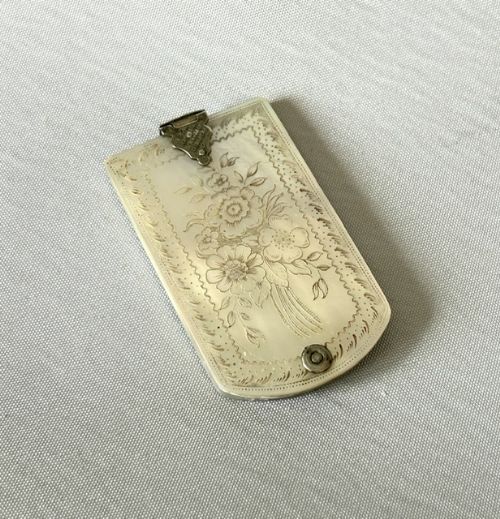
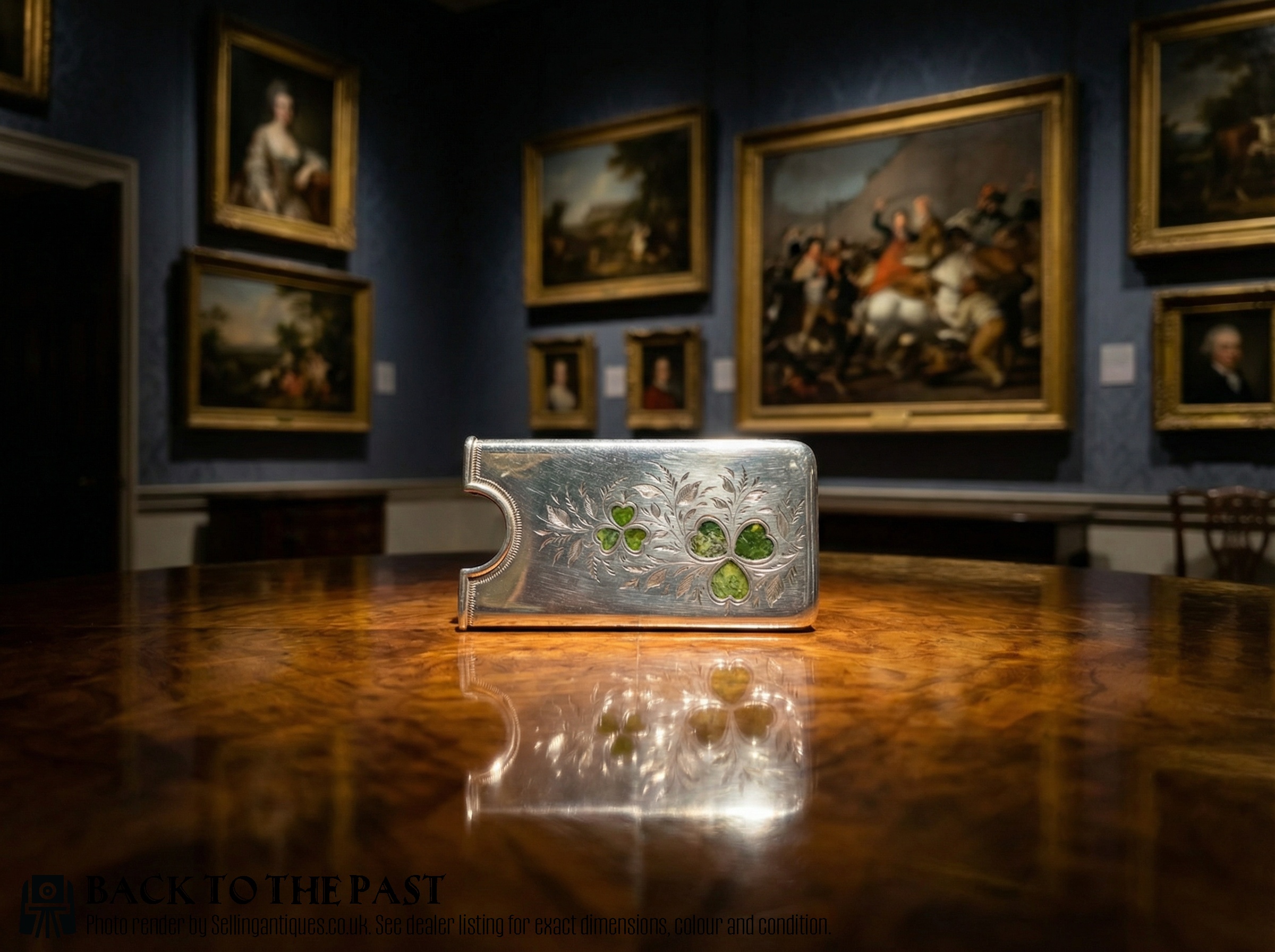
The foundation of these pieces relies on solid sterling silver, worked into rigid panels or combined with supportive internal elements like silk concertina pockets. Many incorporate contrasting materials embedded into the metal framework, notably mother-of-pearl, bone, abalone, and Connemara marble. Certain examples utilise silver gilt linings or niello inlay to provide striking colour contrast against the polished exterior.
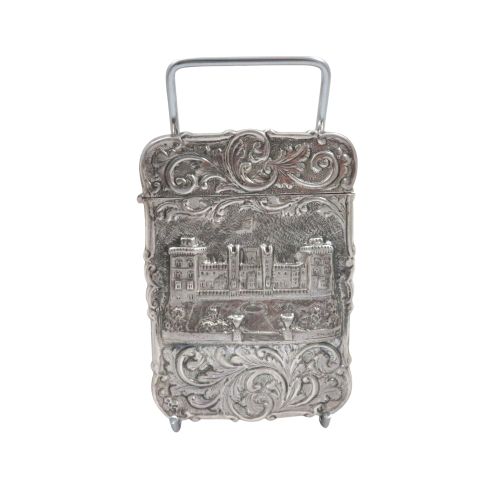
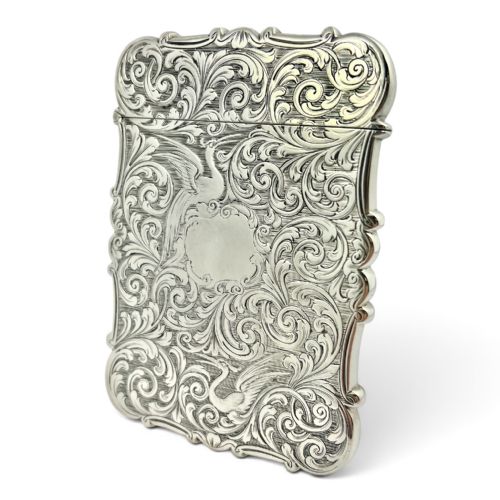
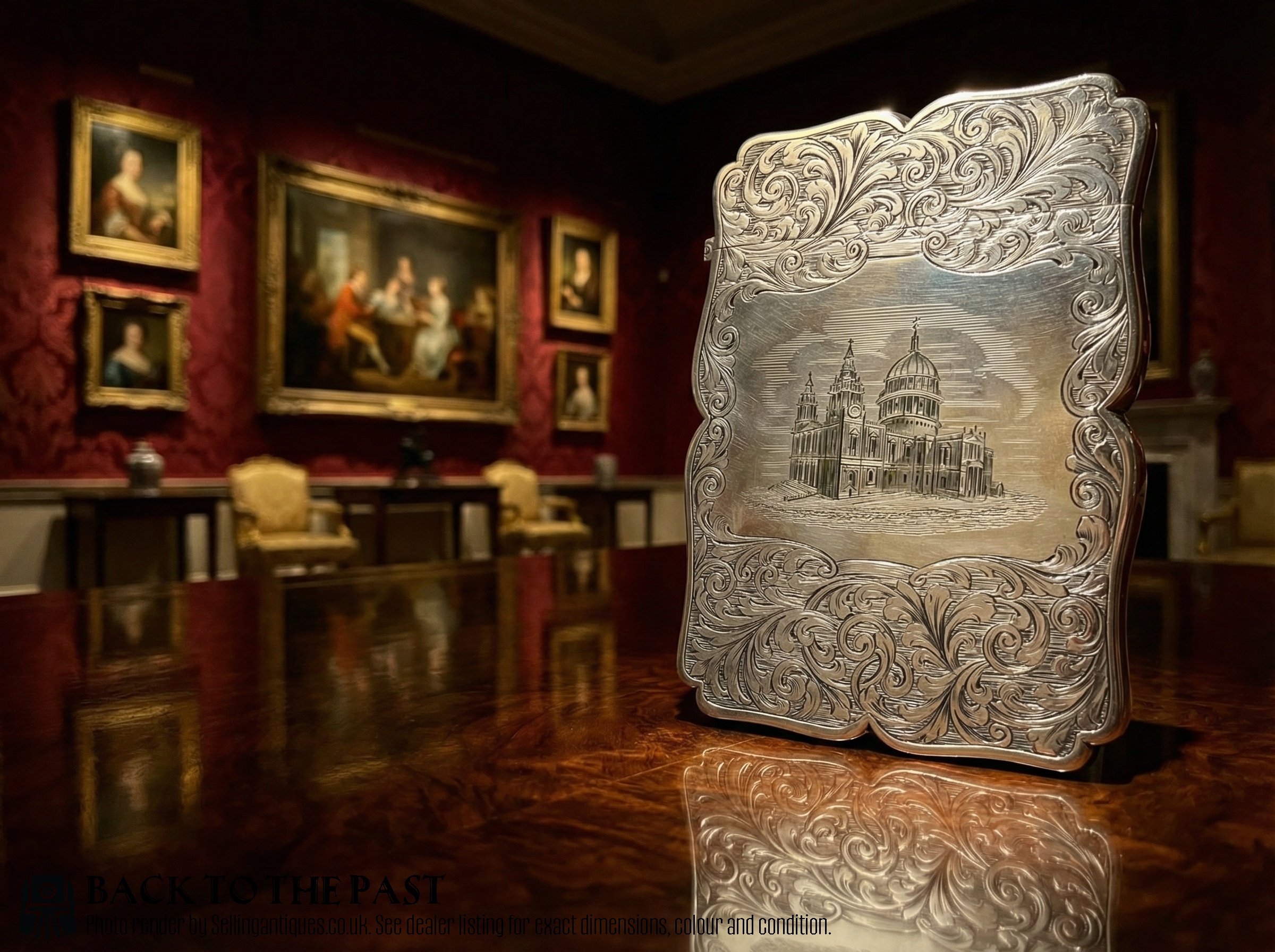
Surface decoration is achieved through intensive manual techniques including bright-cut engraving, hand-chased acanthus motifs, and engine-turning. Master silversmiths utilised crisp punch work and sharp gravers to depict elaborate coastal scenes, floral sprays, and detailed topographical castle top views directly onto the metal sheet.
Engraved Silver Card Case Retail Price Guide 2026
Typical asking prices for engraved silver card case among the pieces listed under this phrase on Sellingantiques today, from the lower quarter to the upper quarter. They describe what is for sale here now, not the wider market.
Listings demonstrate a strong presence of mid-Victorian sterling silver examples featuring detailed architectural castle top panels from Birmingham makers.
Depth of Ornament and Maker
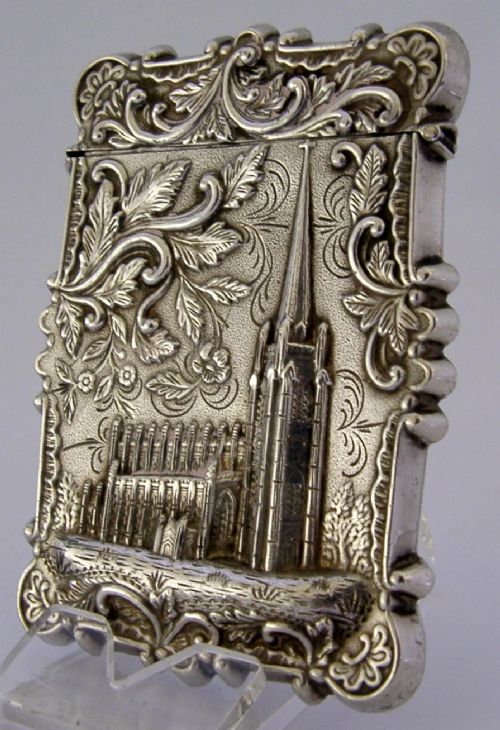
The distinction between standard examples and the finest pieces rests upon the depth, clarity, and ambition of the engraving. Superior cases display deeply chased, three-dimensional architectural landmarks like Windsor Castle or St Paul's Cathedral, whereas lesser items rely on shallow, repetitive machine stamping. The crispness of the acanthus scrollwork and the precision of the background hatching reveal the artisan's skill.
Attribution to documented master silversmiths elevates a piece considerably above anonymous manufacture. Cases bearing clear hallmarks from notable makers command greater interest due to superior gauge silver, robust hinge construction, and balanced proportions that sit comfortably in the hand.
Nathaniel Mills·George Unite·Wright and Davies·Edward Smith·Edward Edwards
The Engraved Silver Card Case Glossary
- Castle top
- A specialised card case style featuring a detailed architectural relief of a famous building or landmark on the lid. These are highly sought after by collectors.
- Bright-cut engraving
- A faceted surface decoration technique cut with angled gravers to catch and reflect the light. This method creates brilliant, shimmering geometric and floral patterns.
- Aide-memoire
- A small pocket notebook or memorandum pad combined with a card case, often fitted with ivory leaves or silk panels. They were utilised for recording social engagements.
- Niello
- A black metallic alloy used as an inlay on engraved silver surfaces to highlight dark decorative motifs against bright metal. It produces a striking contrast common in Eastern and continental pieces.
- Engine-turned
- A precise mechanical method of engraving repetitive geometric patterns into metal using a specialised lathe. This finish provides a tactile, textured surface resistant to minor scratches.
Engraved Silver Card Case: Frequently Asked Questions
How do I care for silver card cases?
Silver card cases require gentle maintenance to preserve the fine hand-engraved details and dark highlights within the recesses. Use a soft, non-abrasive cloth to remove dust and tarnish without applying harsh chemical dips that strip away desirable patination.
Store the case in a dry environment away from direct sunlight, particularly if the piece incorporates delicate organic elements like mother-of-pearl, silk, or bone panels. Handling the silver with clean hands prevents body oils from accelerating surface oxidation.
How are Victorian and Edwardian cases different?
Victorian card cases frequently display exuberant, densely packed floral scrolls, architectural castle tops, and elaborate figural scenes executed with deep hand-chasing. The silver gauge is often substantial, paired with shaped outlines and specialised opening mechanisms.
Edwardian pieces tend toward lighter constructions with cleaner lines, occasionally reflecting emerging Art Deco geometric influences or simpler foliate borders. The overall aesthetic shifts from heavy Victorian ornamentation toward more restrained, elegant pocket profiles.
Were these cases only used for calling cards?
While primarily designed to hold delicate paper visiting cards for nineteenth-century social etiquette, many similar small silver containers served alternative domestic purposes. Dimensions and internal fittings often allowed them to double as dance card holders, stamp cases, or cigarette holders.
Some surviving examples incorporate silk concertina linings or internal dividers specifically adapted to keep dance programmes, paper notes, or calling cards crisp and organised during evening events.