

Engraved Pocket Vesta
An engraved pocket vesta is a small metal container for matches, carrying the marks of Victorian and Edwardian smoking habits.
Engraved Pocket Vesta
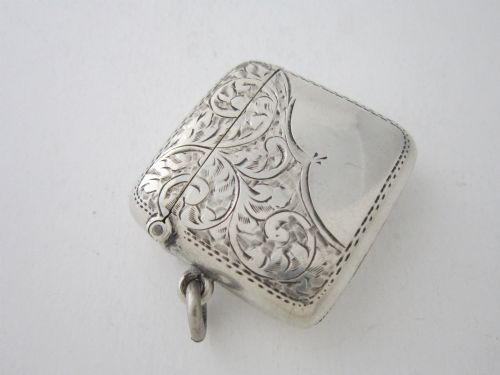
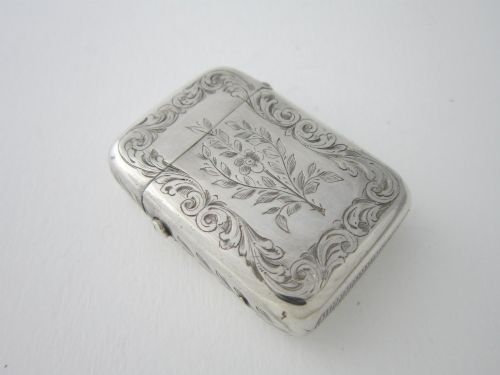
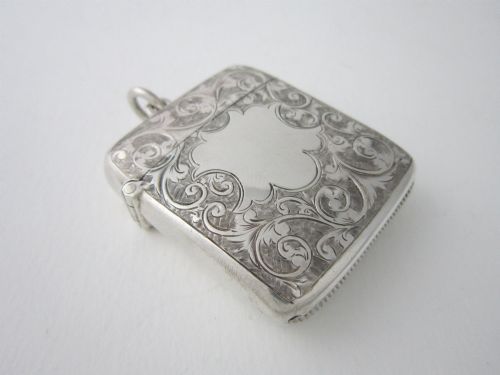
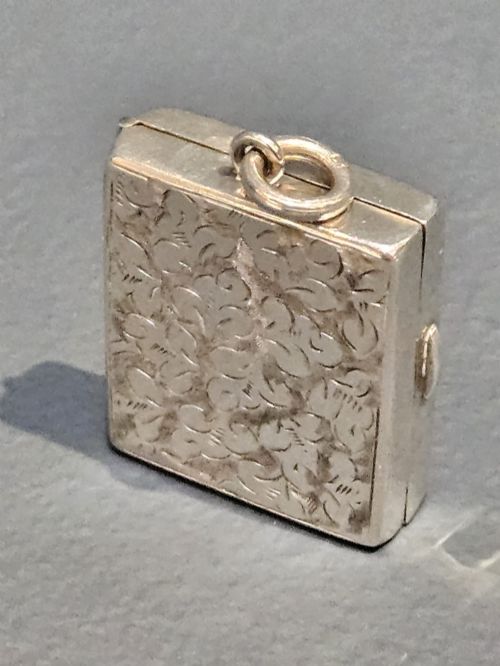
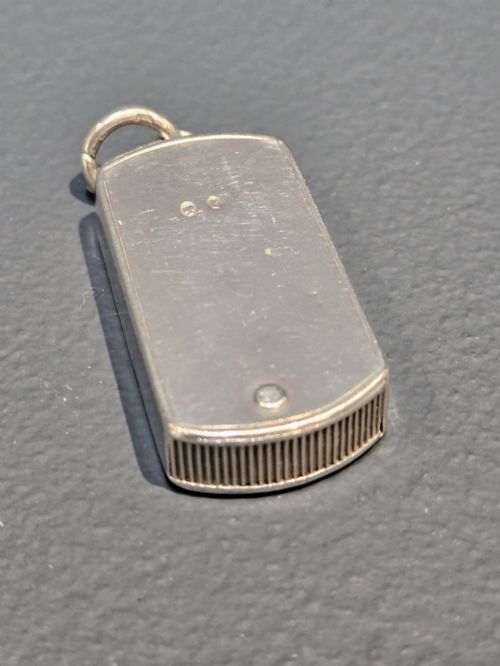
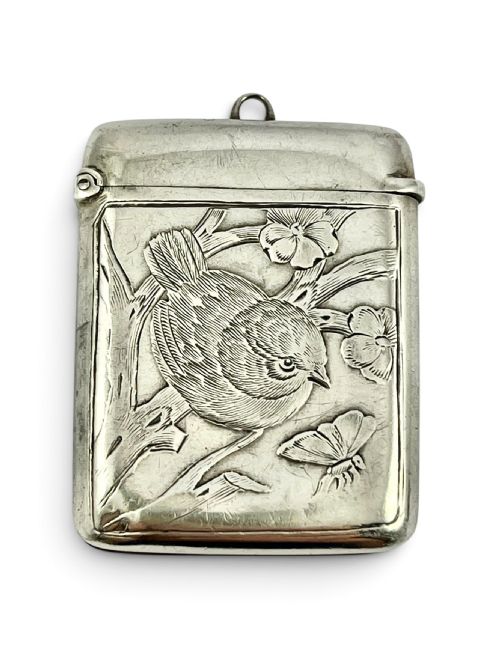
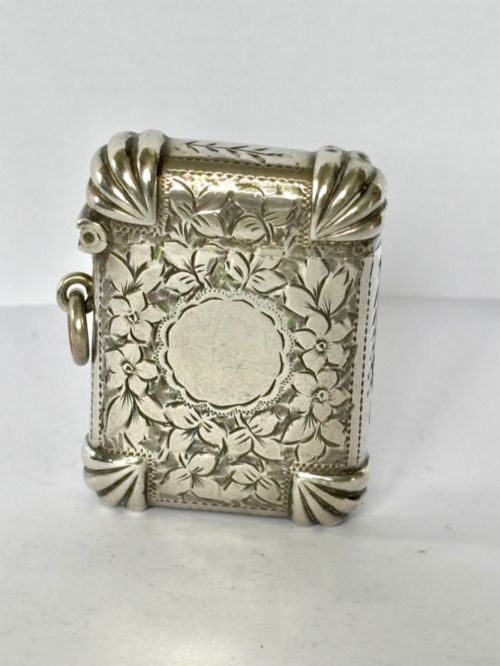
An engraved pocket vesta is a small metal container designed to hold safety matches securely in a waistcoat pocket. The pieces on this page span the Victorian, Edwardian, Georgian, and George V periods, showing forms shaped for daily use. Most examples take the form of pocket-sized rectangular or shaped cases intended to keep matches dry.
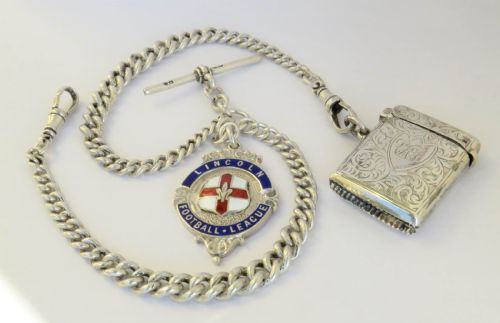
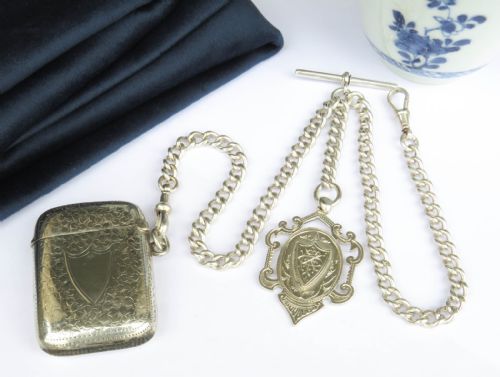
Beyond standard match holders, the selection includes combination pieces that serve dual purposes, such as coin holders, stamp cases, and pocket watch chains. Makers adapted the vesta to hold sovereigns, bank notes, or photographs alongside matches. These multi-functional designs reflect the practical demands of nineteenth and early twentieth-century life.
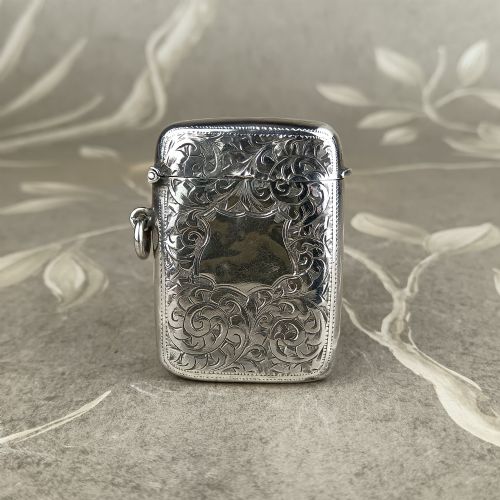
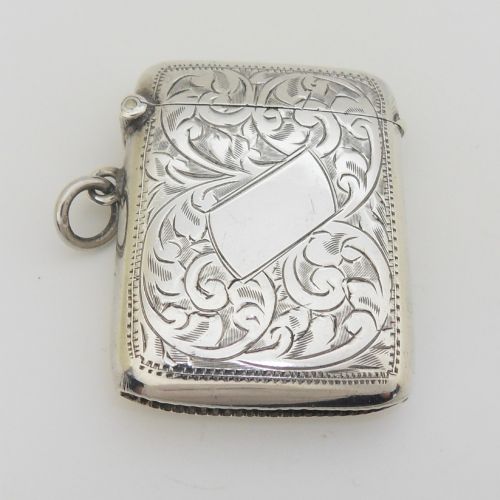
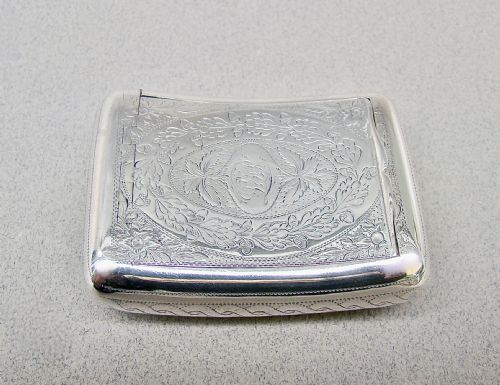
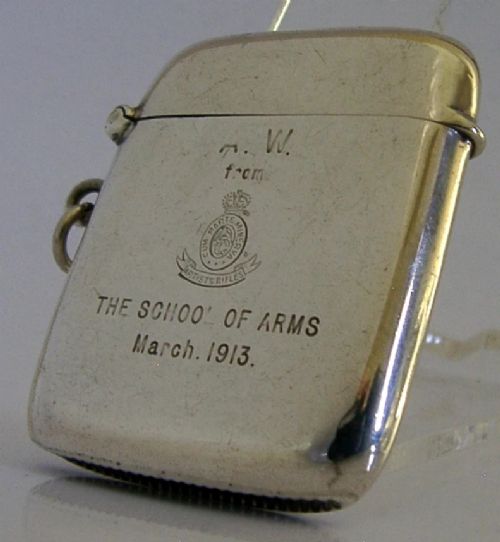
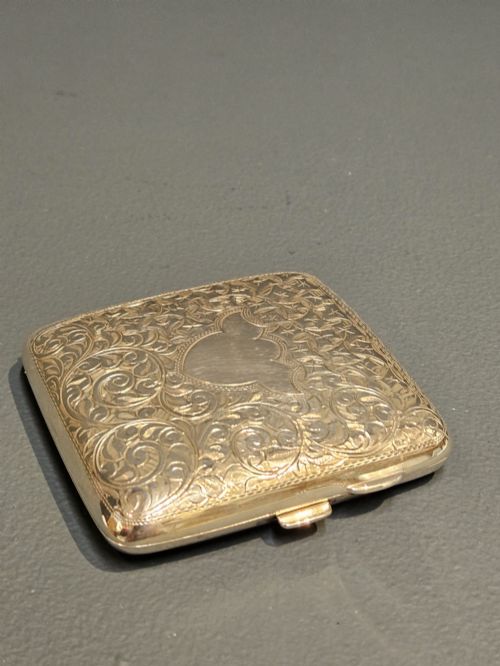
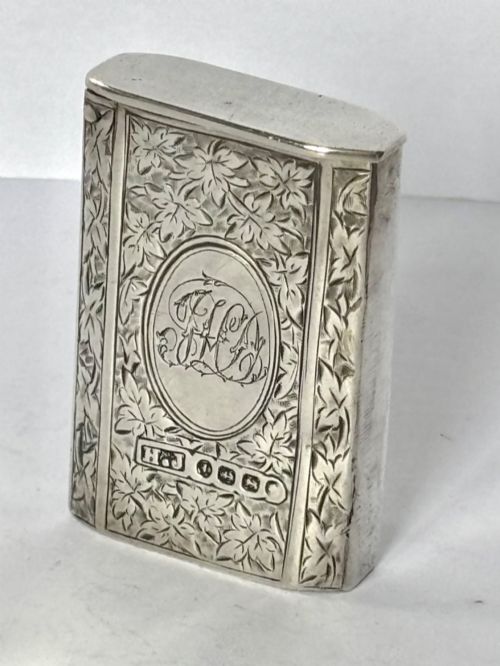
The surface decoration defines the character of an engraved pocket vesta, featuring chased patterns, foliate engraving, or military insignia. While simple polished boxes exist, engraved versions dominate the selection across Birmingham and Chester hallmarks. Collectors encounter everything from standard hinged flip-top boxes to standing models and trick openings.
Materials and technique
Sterling silver forms the primary material for the pieces, accompanied by occasional gold accents, enamel, and related base metals. Silversmiths shaped these metals into robust housings capable of withstanding the friction of daily match striking. Hallmarks stamped into the body record the assay office, city, and year of manufacture.
Hand engraving and chasing transform the plain metal surface into detailed patterns of leaves, scrolls, or geometric motifs. Artisans used sharp gravers to cut lines directly into the silver, often pairing this technique with raised repoussé work. Hinges, spring-loaded lids, and striker serrations on the base required precise metalworking skills.
Engraved Pocket Vesta Retail Price Guide 2026
Typical asking prices for engraved pocket vesta among the pieces listed under this phrase on Sellingantiques today, from the lower quarter to the upper quarter. They describe what is for sale here now, not the wider market.
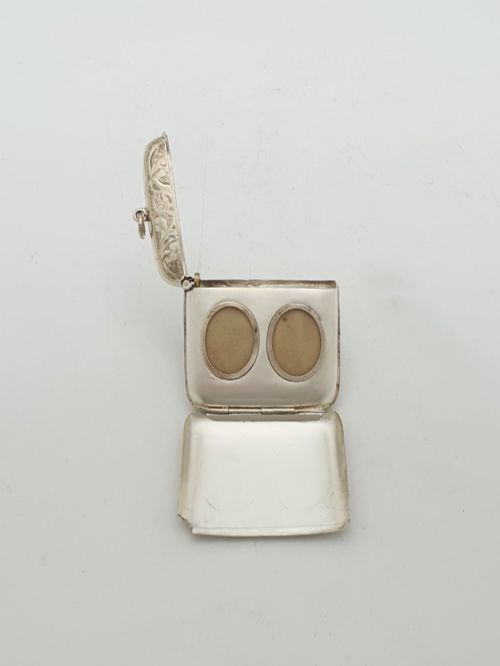
Several examples incorporate hidden trick openings or double photo frames, allowing a gentleman to carry secret portraits alongside his matches.
What varies in quality
The crispness of the hand engraving and the weight of the silver distinguish finer examples from standard production pieces. Deeply cut foliate patterns retain their sharpness over decades of pocket wear, whereas shallow etching wears down quickly. Heavier gauge silver provides a more solid feel in the hand and prevents unwanted denting.
Mechanical precision in the hinge and lid closure dictates the overall integrity of the piece. A superior vesta snaps shut securely with a flush fit, keeping matches protected and aligned. Maker marks from established silversmiths also influence desirability and demonstrate higher standards of workshop execution.
Joseph Gloster Ltd·William Adams·Joseph Willmore·Howard James Birmingham·EV Pledge and Son·Sampson Mordan·William Hair Haseler
The Engraved Pocket Vesta Glossary
- Vesta case
- A small portable container designed to hold wax matches, known as vestas, equipped with a striking surface. They gained popularity in the mid-nineteenth century with the invention of safety matches.
- Chasing
- A metalworking technique where the artisan pushes metal from the front using hammers and punches to create a raised design. It differs from engraving, which removes metal to form lines.
- Sovereign case
- A compact circular container engineered to hold gold sovereign coins securely in the pocket. Many examples on this page combine this function with a matching vesta compartment.
- Striker
- A roughened area, often cross-hatched or ridged, located on the exterior of a vesta case for igniting matches. It is frequently built into the base of the piece.
Engraved Pocket Vesta: Frequently Asked Questions
What is the difference between a vesta and a snuff box?
A vesta case is designed specifically to hold matches and includes an exterior striking surface. They tend to be narrow and fitted with tight spring lids to keep air out.
Snuff boxes store powdered tobacco and require wide, shallow compartments with tightly fitted friction or hinge lids. They lack any provision for striking a match.
How do I read silver hallmarks?
British silver hallmarks consist of a series of small stamped symbols indicating specific details about the object. Look for the lion passants indicating sterling silver purity alongside assay office town marks like the anchor for Birmingham.
A trailing letter stamp usually corresponds to a specific date year table. Maker initials show the specific silversmith or firm responsible for entering the mark.
How should I clean antique silver?
Antique silver requires gentle cleaning with a soft cloth and specialised silver polish to preserve the original engraved details. Avoid harsh abrasive cleaners that wear down raised decoration and fine lines.
Leaving light patina in the recessed areas of the engraving enhances the contrast of the pattern. Wash the piece gently in warm soapy water and dry thoroughly after polishing.