






Engraved Glass Vessel
An engraved glass vessel brings tactile weight and narrative detail to a room, ranging from robust Georgian rummers to delicate Victorian decanters.
Engraved Glass Vessel
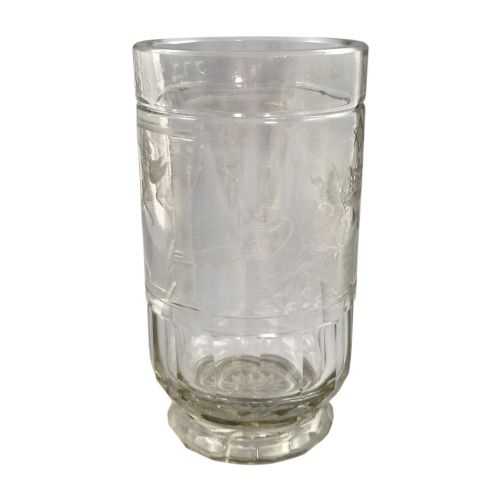
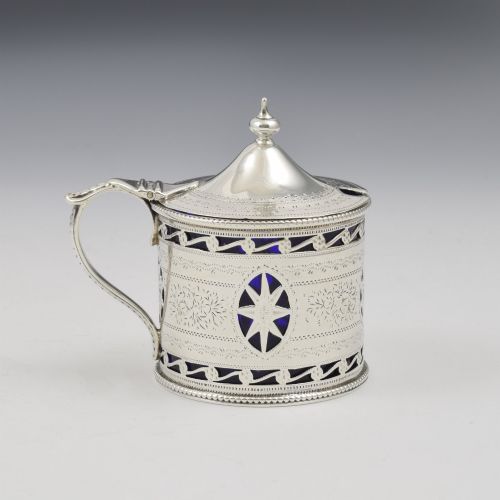
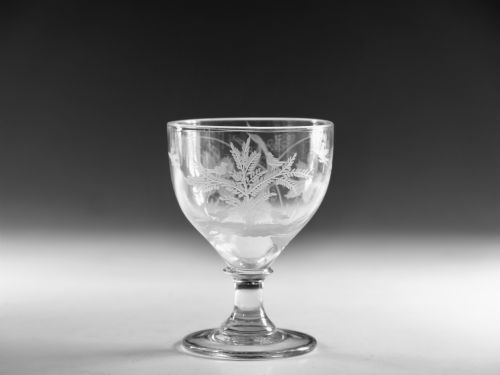
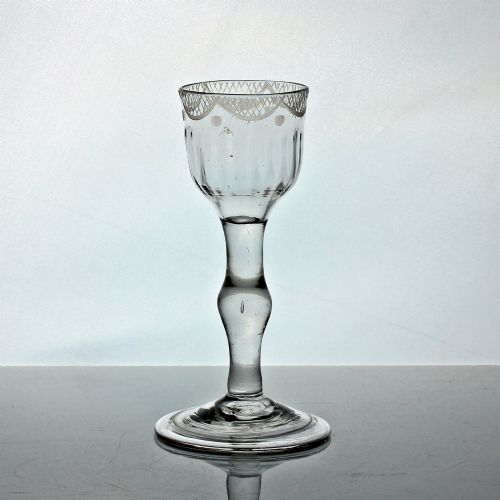
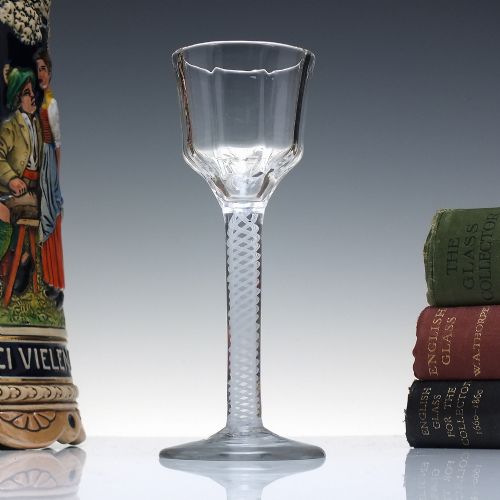
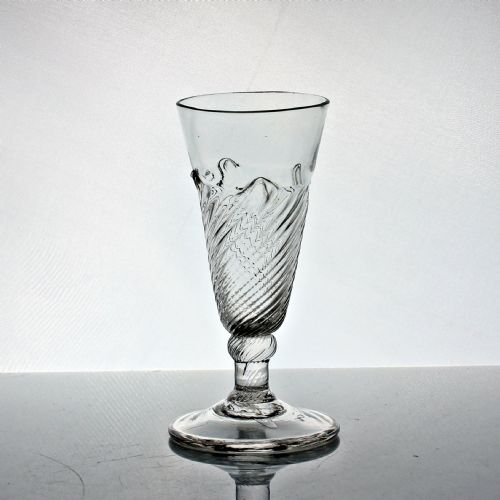
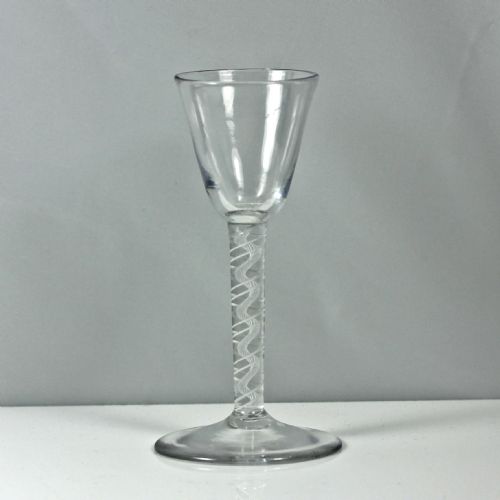
When you search for an engraved glass vessel, you encounter a diverse range of functional and decorative items spanning multiple centuries. The selection encompasses rummers, beakers, wine glasses, vases, decanters, and mustard pots.
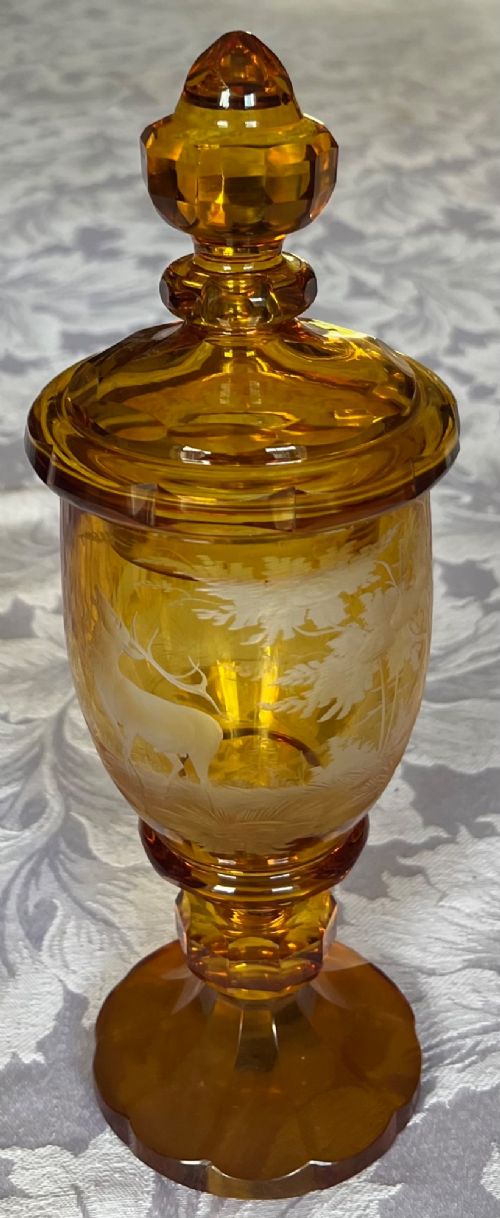
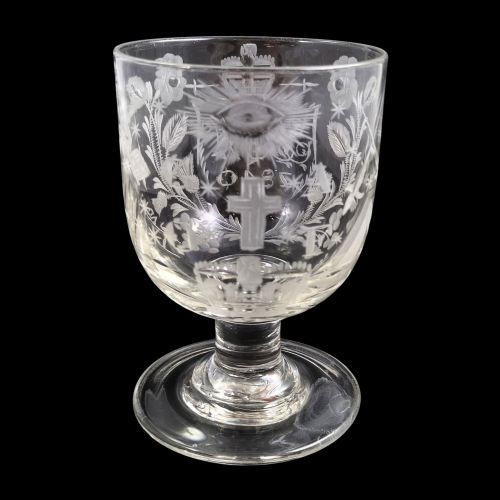
The objects originate from English, Bohemian, and continental workshops across the Georgian, Victorian, Regency, and Biedermeier periods. Pieces often feature specific motifs such as hop and barley, fruiting vines, or masonic emblems.
You are most likely to meet Georgian drinking glasses and Victorian jugs or decanters on this page. These items reflect the domestic and ceremonial habits of their respective eras.
Materials and Techniques
The pieces are formed from lead glass, clear glass, lead crystal, flint glass, and red crystal, occasionally paired with sterling silver or silver plating. Artisans shaped these materials into robust table rummers and delicate wine glasses.
Decoration relies on wheel engraving, intaglio cutting, and gilding to apply detailed imagery directly to the surface. Certain vessels also incorporate applied sterling silver mounts or pierced silver frames.
Listings feature items spanning the 17th, 18th, 19th, and 20th centuries, utilising lead crystal, clear glass, cobalt glass, and sterling silver.
Evaluating the Range
Quality separates simple utility wares from ambitious decorative pieces through the depth and clarity of the wheel engraving. Crisp detailing in motifs like fruiting vines or portrait work indicates higher craftsmanship.
The choice of material, such as heavy lead crystal versus standard clear glass, alters the resonance and weight of the vessel. Furthermore, the presence of hallmarked sterling silver mounts elevates the overall status of a piece.
Nathan and Hayes·Charles Stuart Harris
The Engraved Glass Vessel Glossary
- Rummer
- A large, sturdy drinking glass popular in the Georgian and Victorian periods, often featuring engraved agricultural or Masonic motifs. These vessels were designed for ale, beer, or wine.
- Lead crystal
- A heavy glass variety containing lead oxide, which increases brilliance and makes the material softer for detailed wheel engraving. This composition provides the characteristic ring when struck.
- Intaglio
- A technique where the design is carved into the surface of the glass rather than raised above it. This method creates a sunken relief effect.
- Lemon squeezer base
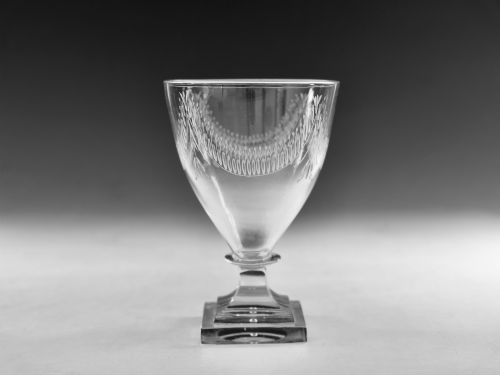
- A square, moulded glass foot found on certain Georgian and Regency rummers, resembling the shape of a kitchen lemon squeezer. It adds stability to heavy drinking vessels.
- Balustroid stem
- A drinking glass stem shaped to resemble an architectural baluster, typical of mid-eighteenth-century English forms. It offers a solid grip on formal wine glasses.
Engraved Glass Vessel: Frequently Asked Questions
What is an engraved glass vessel?
An engraved glass vessel is a functional or decorative item adorned with wheel-cut or intaglio designs. These pieces include rummers, decanters, vases, and wine glasses.
They reflect the domestic tastes and manufacturing techniques of periods ranging from the seventeenth century to the early twentieth century.
How were old glass vessels used?
Many of these items served practical daily functions at the table, holding wine, ale, water, or condiments. Others fulfilled ceremonial roles, such as Masonic beakers and commemorative goblets.
Over time, items like medicine glasses and decanters adapted to specific household routines.
How do I date an engraved glass piece?
Dating relies on observing the form of the object, the style of the engraving, and the composition of the glass. Georgian pieces often display plain or twist stems and square bases.
Victorian items frequently include silver mounts with legible hallmarks that provide exact years of manufacture.
Can I use antique glassware today?
These pieces are delicate historical artefacts that benefit from careful handling and hand washing rather than daily rough usage. Decanters and rummers can still hold liquids for special occasions.
Displaying them away from direct heat protects both the glass and any accompanying silver components.