

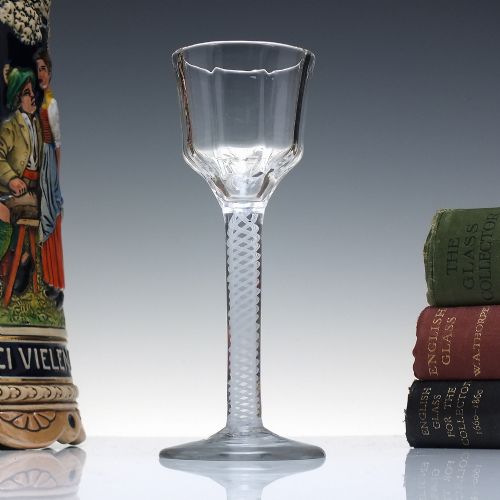
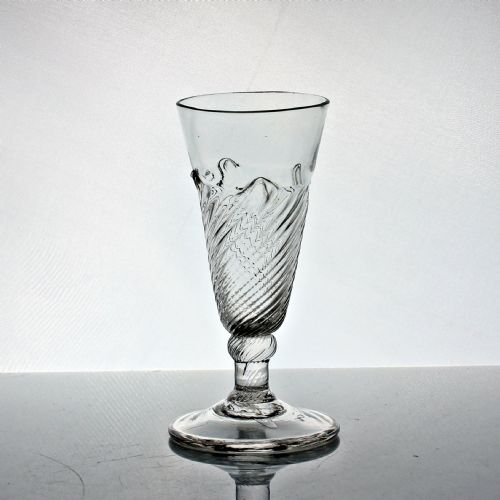

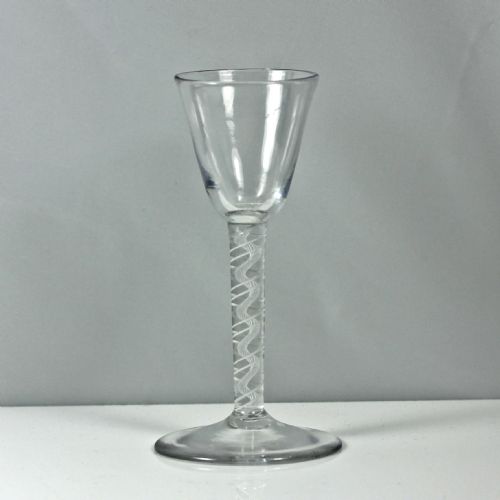


Engraved Glass Drinking Vessel
An engraved glass drinking vessel brings tactile history to the table, offering centuries of artistry in clear lead glass and flint glass.
Engraved Glass Drinking Vessel
When searching for an engraved glass drinking vessel, collectors encounter historic glassware spanning the seventeenth, eighteenth, and nineteenth centuries. These pieces encompass functional drinkware designed for wine, ale, and spirits, showcasing the domestic habits of past eras.
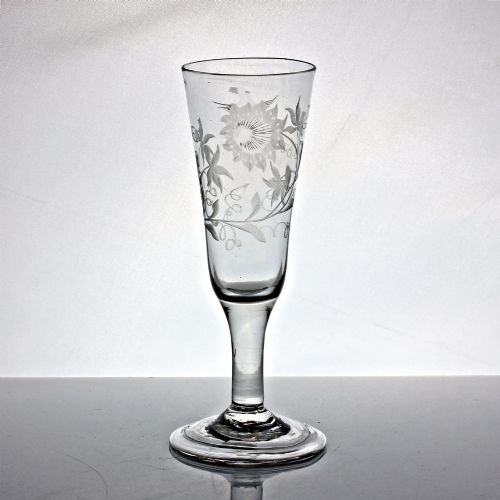
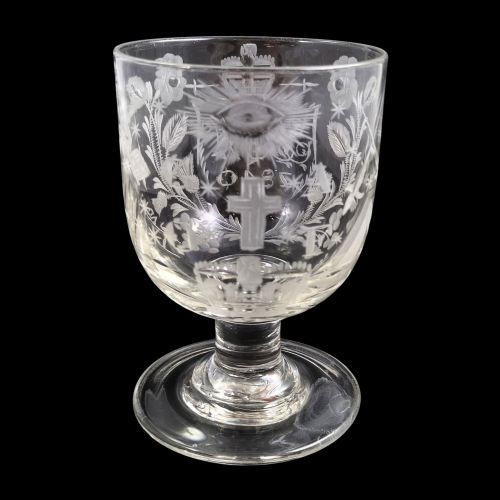
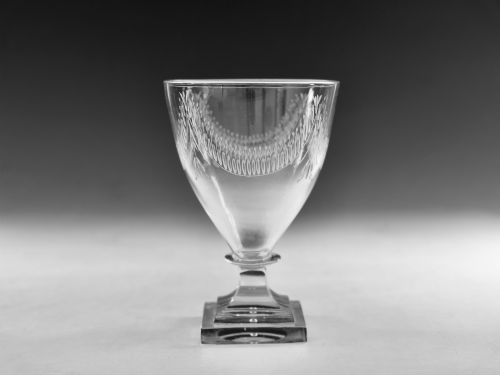
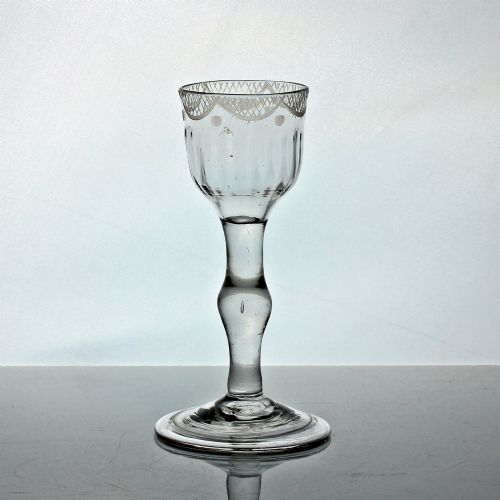
The selection on this page is dominated by Georgian rummers, ale glasses, and wine glasses featuring engraved or etched decoration. Examples range from plain stem and balustroid forms to sturdy pieces with lemon squeezer bases and square bases.
Originating largely from English workshops alongside seventeenth-century Bohemian items, these vessels combine utility with decorative surface work. Buyers find both individual drinking glasses and matched sets suited for display or practical use.
What varies in quality
The clarity and weight of the metal set the foundation, with dense lead crystal and flint glass offering superior brilliance compared to standard clear glass. Heavier metal provides a more resonant ring and greater stability in the hand.
The crispness and depth of the engraving separate standard production from superior craftsmanship. Fine wheel engraving displays sharp detail and careful shading, whereas hurried work appears shallow and indistinct.
The inventory bridges seventeenth-century Bohemian craftsmanship with Victorian etched dessert wine glasses and heavy Regency table rummers.
The Engraved Glass Drinking Vessel Glossary
- Rummer
- A large heavy drinking glass popular in the eighteenth and nineteenth centuries, typically used for ale, wine, or punch. These vessels often feature ovoid or pan-shaped bowls set on short stems.
- Balustroid stem
- A stem form intermediate between a true baluster and a plain stem, often found on eighteenth-century wine glasses. It echoes the swelling contours of architectural balusters.
- Opaque twist
- A decorative stem type containing white or coloured enamel threads twisted within the clear glass. This technique was a hallmark of mid-eighteenth-century English glassmaking.
- Lemon squeezer base
- A square, moulded glass foot with indented corners resembling a citrus juicer. It provides a stable base for heavy nineteenth-century rummers.
- Intaglio
- A method of engraving where the design is carved into the surface of the glass rather than left in relief. It produces a sunken, highly detailed picture when viewed from the front.
Engraved Glass Drinking Vessel: Frequently Asked Questions
Can I use antique drinking glasses daily?
Many sturdy rummers and goblets remain robust enough for careful daily use, provided they are washed by hand in lukewarm water.
Fine eighteenth-century wine glasses with delicate stems demand more caution and are better reserved for special occasions or display.
How do I identify a Georgian rummer?
Georgian rummers typically feature thick lead glass bodies, often with ovoid or bucket bowls supported by short stems and sturdy feet.
Look for period characteristics such as square bases, lemon squeezer feet, and hand-engraved motifs like hops and barley.
What is an opaque twist stem?
An opaque twist stem contains fine threads of white or coloured enamel encased within the clear glass of the stem.
Glassmakers created these patterns by manipulating canes of coloured glass while pulling and twisting the hot metal during formation.