
English Walnut Table
An english walnut table brings warmth and grain to a room, appearing in forms from 17th-century gatelegs to 1930s art deco coffee tables.
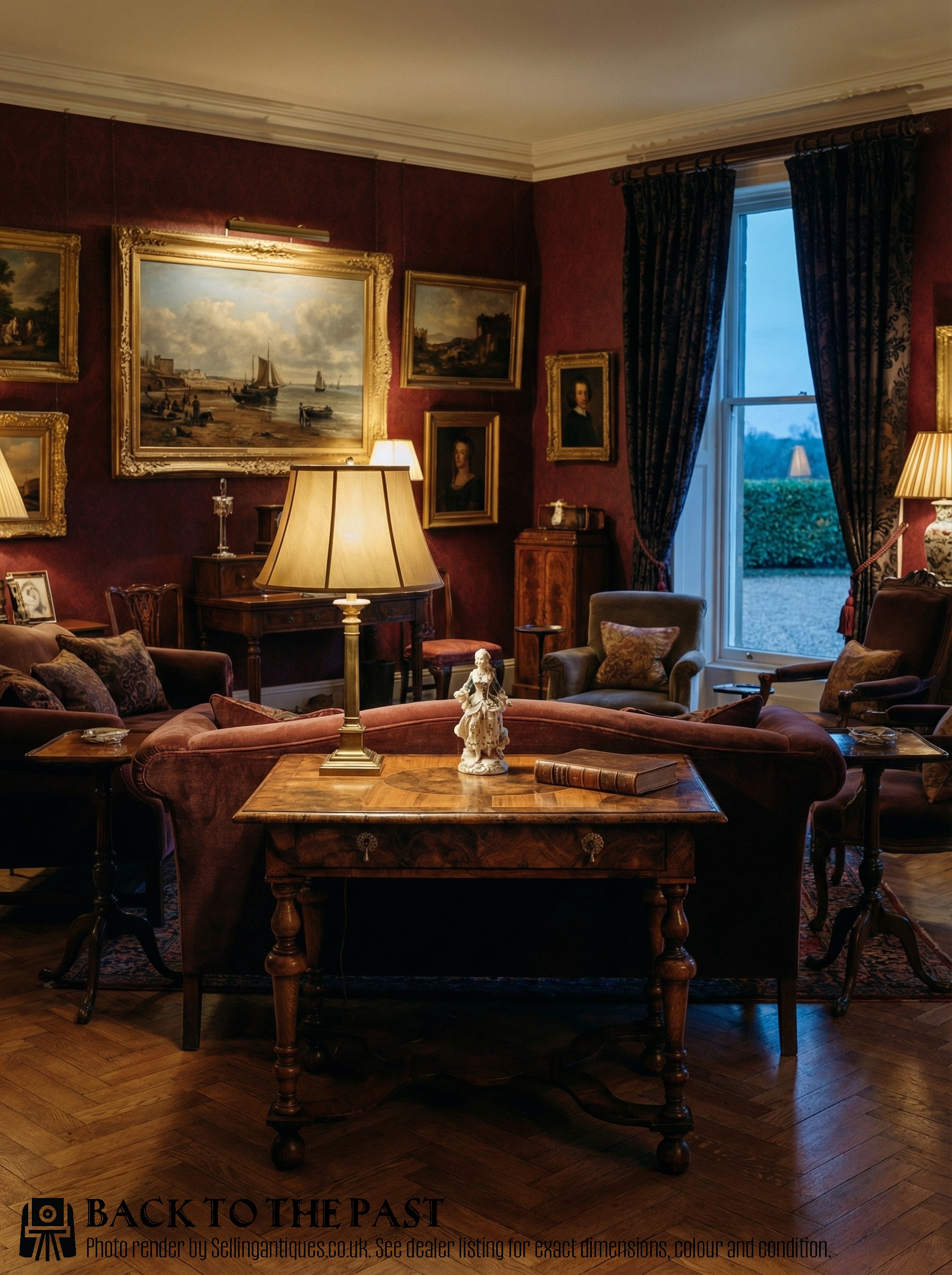
English Walnut Table
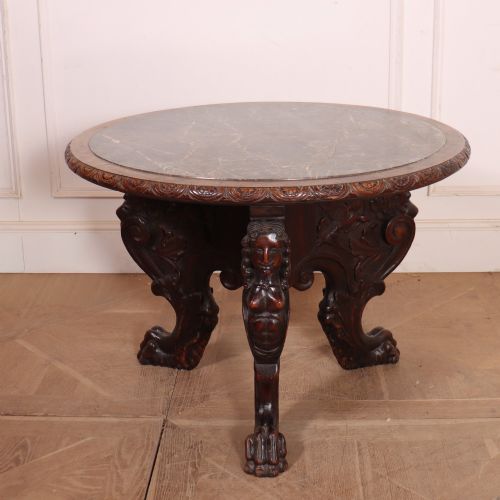
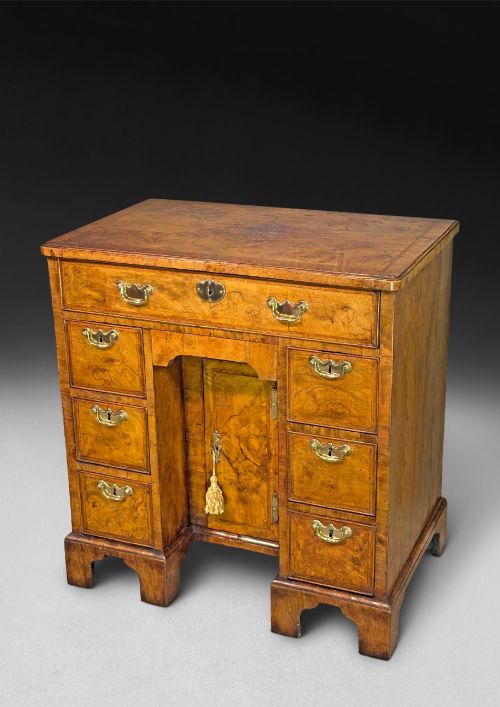
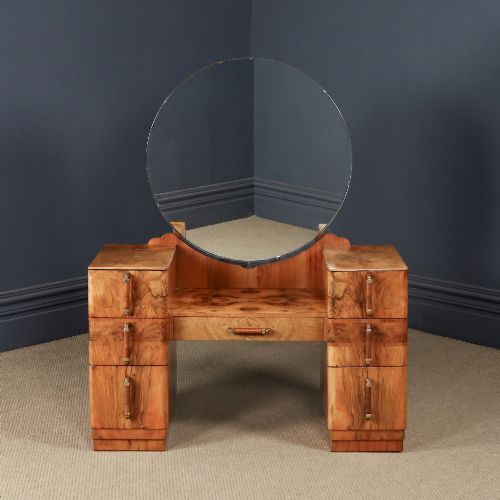
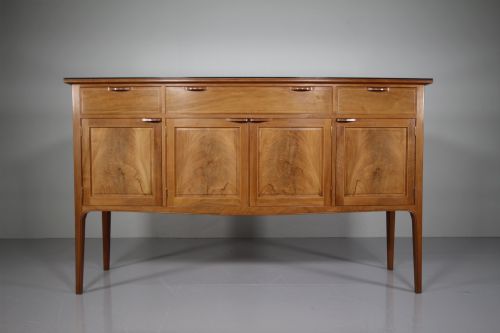
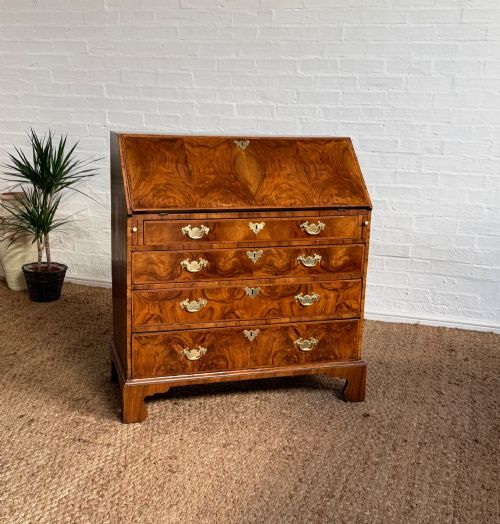
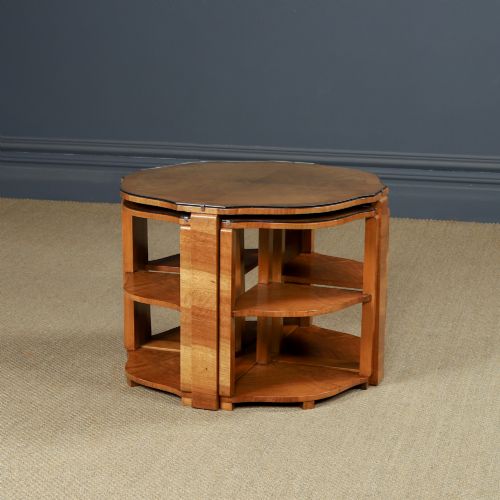
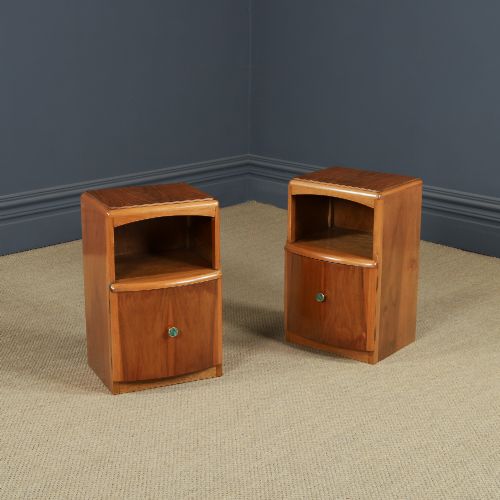
An english walnut table spans centuries of domestic design, encompassing formal bureau desks, lowboys, dining furniture, and occasional lamp tables. When exploring this selection, buyers encounter everything from early 18th-century side pieces to streamlined 1930s art deco coffee tables and nests.
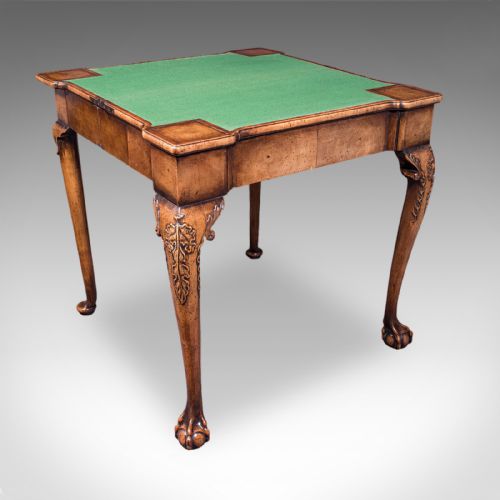
The variety of forms reflects changing social habits across the Georgian, Victorian, and Edwardian periods. Side tables, card tables, and wine tables dominate the antique categories, whilst pedestals and low tiers define the later 20th-century iterations.
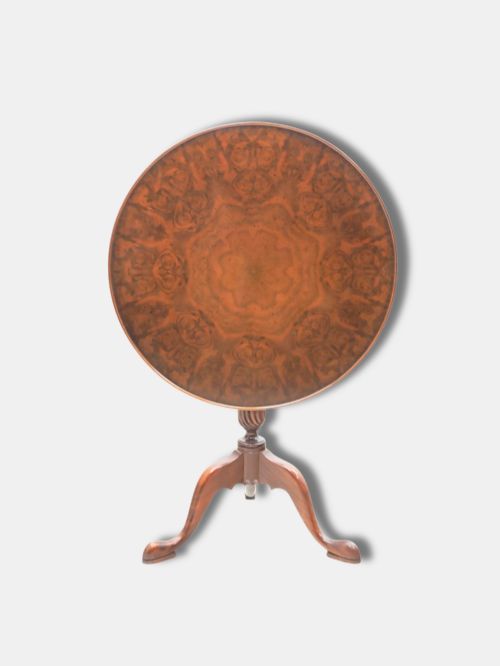
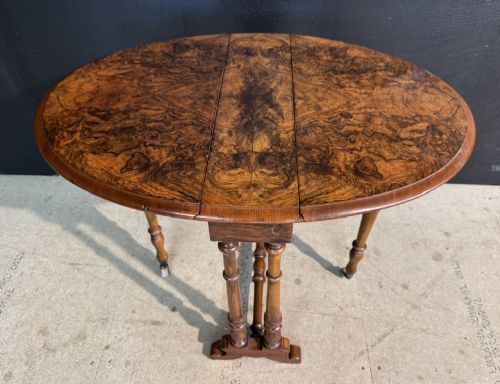
Makers utilised native and imported timber to construct surfaces meant for daily use, display, or writing. Buyers frequently meet drop-leaf gateleg formats alongside tilt-top pie crust occasional pieces.
How they were made
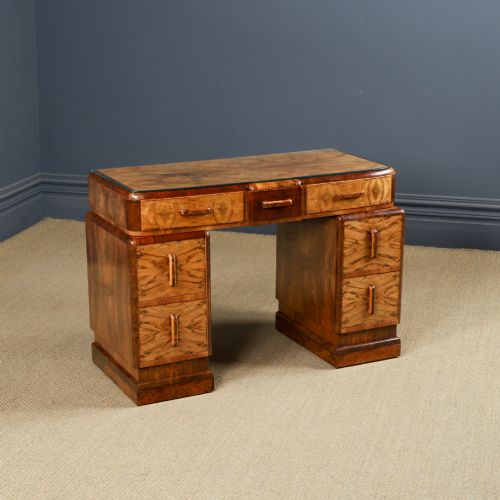
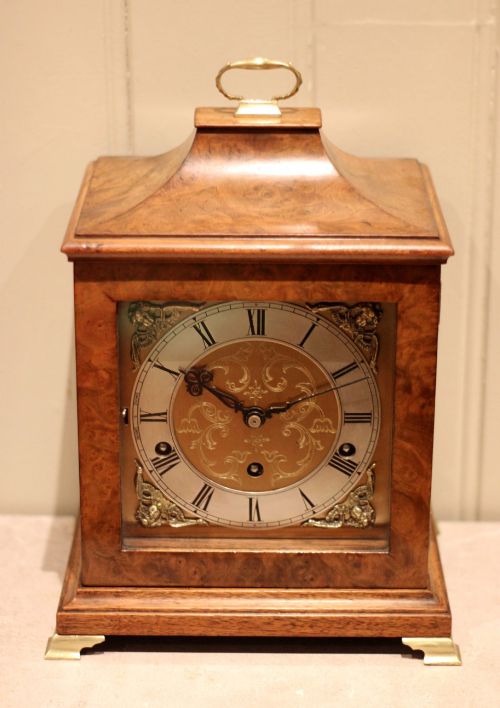
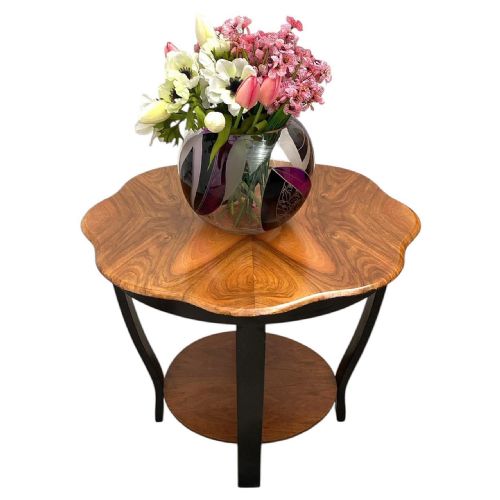
Joiners and cabinet makers built these pieces using solid walnut or applied veneers of burr and figured walnut over secondary woods like oak. Grain matching became an art form, particularly during the Queen Anne and Art Deco periods, where symmetrical patterns adorned table tops.
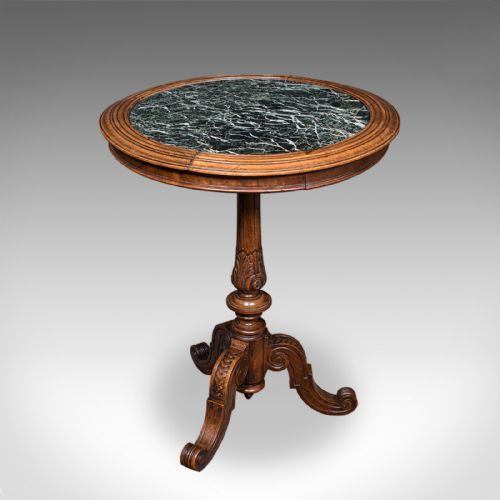
Secondary materials such as brass handles, leather writing surfaces, marble inserts, and chrome detailing appeared depending on the era. Construction methods evolved from pegged mortise and tenon joints in 17th-century gatelegs to complex pedestal bases and glass integrations in 1930s designs.
English Walnut Table Retail Price Guide 2026
Typical asking prices for english walnut table among the pieces listed under this phrase on Sellingantiques today, from the lower quarter to the upper quarter. They describe what is for sale here now, not the wider market.
Some tables double as cocktail bars, hiding spirit decanters and glassware beneath unassuming folding tops.
What varies in quality
The depth of the grain and the choice of burr or figured walnut timber set standard examples apart from exceptional ones. Master craftsmen selected cuts that created dramatic patterns across broad surfaces, whereas lesser pieces relied on plain, uniform boards.
Construction integrity and original hardware determine value across all periods. Dovetailed drawer linings, untouched patination, and firm structural joinery separate items that retain historical integrity from those altered over time.
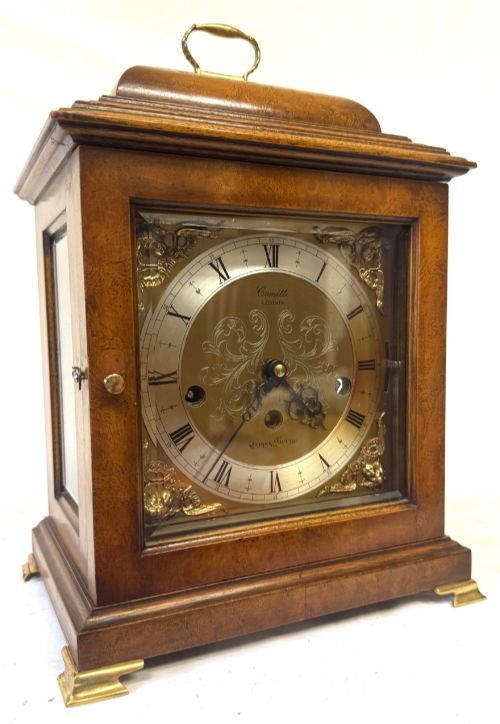
Comitti Of London·Edward Barnsley·Mappin & Webb·Epstein
The English Walnut Table Glossary
- Burr Walnut
- A timber harvested from the wart-like growths on walnut trees, yielding highly swirled and mottled grain patterns. Cabinet makers prized this for veneering prominent table tops and drawer fronts.
- Lowboy
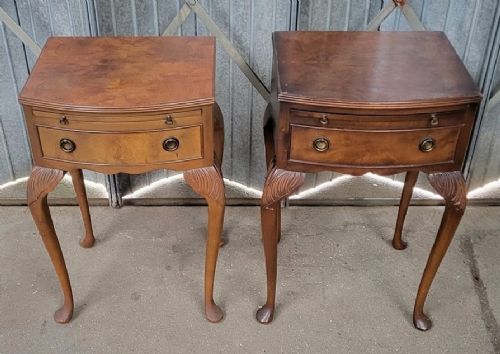
- A small table with one or more drawers, standing on relatively tall legs, typically dating from the 18th century. These served variously as dressing tables, side tables, or writing desks.
- Gateleg Table
- A table with hinged drop leaves supported by swing-out legs that resemble a gate. This form allowed flexible placement and easy expansion in smaller domestic spaces.
- Pie Crust Table
- An occasional or wine table featuring a raised, carved, and scalloped rim resembling pastry crust. The edge work required skilled hand-carving from solid timber.
- Tilt-Top Table
- A pedestal table mechanism featuring a catch that allows the top to pivot vertically for storage against a wall when not in use. This practical Georgian innovation saved valuable floor space.
English Walnut Table: Frequently Asked Questions
How do I date an english walnut table?
Dating relies on observing structural characteristics, leg styles, and timber preparation methods specific to each era. Seventeenth-century examples feature joined frames and turned supports, whilst Georgian pieces often display pad feet or bracket toes.
Later Victorian and Art Deco iterations introduce pedestal columns, chrome accents, and distinct geometric veneering. Comparing these physical traits to known period styles clarifies the manufacturing timeframe.
What is burr walnut?
Burr walnut is a specialised wood veneer taken from the knotted growths on a walnut tree. This section of timber produces intricate, swirling patterns that cabinet makers utilised for decorative impact on table surfaces.
Because of its wild figuring, makers typically applied it as a veneer over stable secondary woods like oak or plain walnut to prevent warping while displaying the striking grain.
Where should I place a side table?
A side table suits hallways, living rooms, and bedrooms as a functional surface for lamps, books, or decorative objects. Their compact footprint allows them to sit beside seating or against empty wall spaces without obstructing movement.
Drop-leaf or gateleg versions offer adaptability, expanding when extra surface area is required and folding down for tighter clearances.
How do I care for antique walnut wood?
Maintaining walnut furniture involves keeping pieces away from direct heat sources and strong sunlight, which can dry out the timber and fade the finish. Regular dusting with a soft, dry cloth preserves the surface patination.
Occasional application of appropriate wax feeds the wood and protects the historical polish without building up heavy chemical residues.