
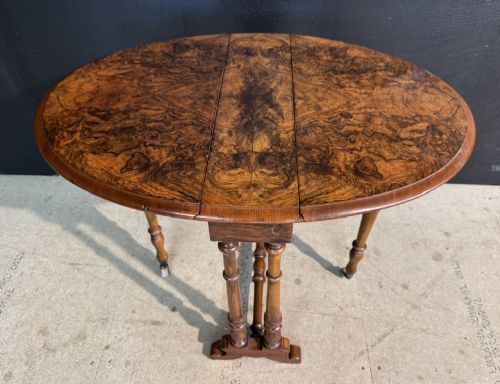


English Walnut Sofa
An english walnut sofa brings rich grain and understated warmth to a room, offering both a comfortable seat and a grounding focal point.
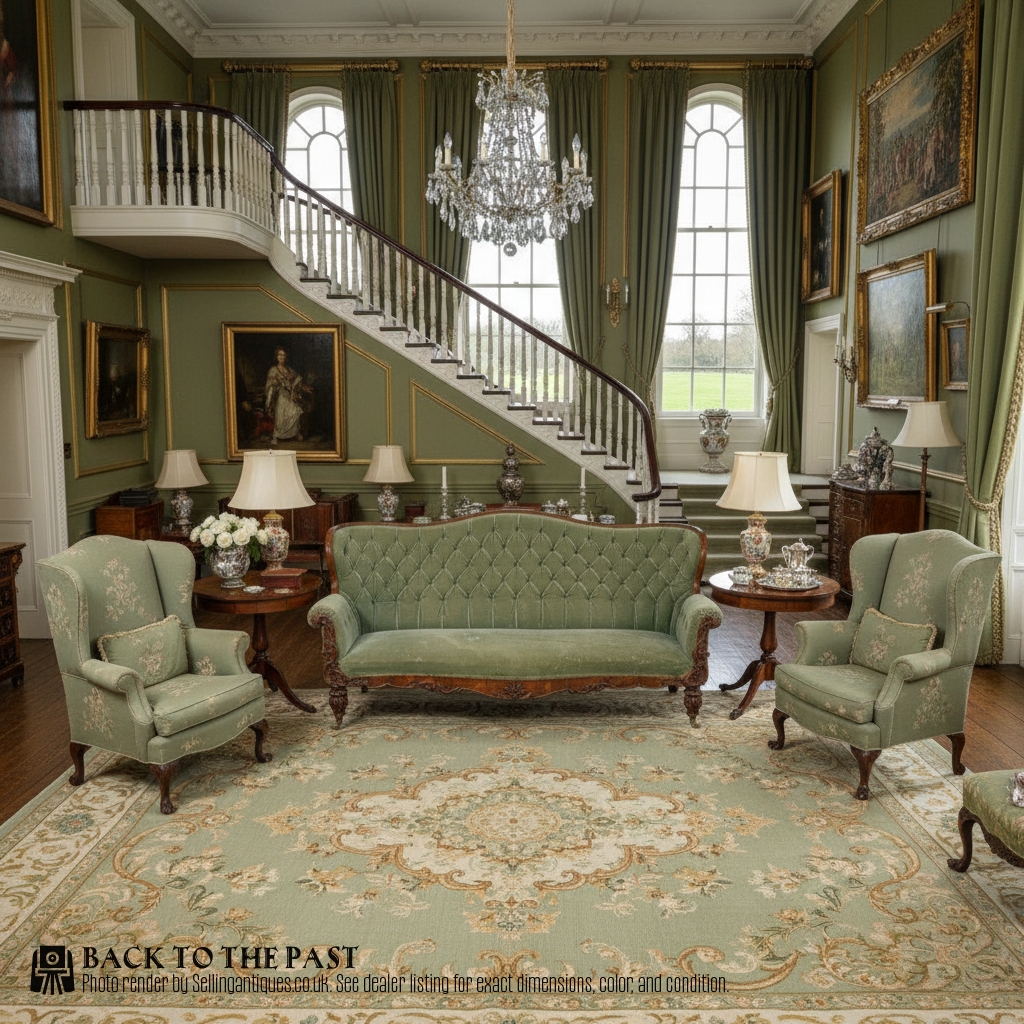
English Walnut Sofa
An english walnut sofa encompasses a variety of seating forms shaped by centuries of changing tastes and domestic habits. The examples seen here range from early eighteenth century settee designs to nineteenth century spoon back and button back settees, alongside twentieth century lounge suites.
Buyers will encounter multiple styles on this page, including Queen Anne, Victorian, Regency, Edwardian, and Art Deco interpretations. The woodwork incorporates walnut timber, often enriched by burr walnut veneers, paired with various upholstery fabrics and leather.
Alongside traditional settees and sofas, the historical record shows related forms like lounge suites and chaise longues sharing the walnut material. These pieces suit formal reception rooms and country house interiors alike.
How they were made
Cabinetmakers utilised solid walnut and decorative burr walnut veneers to construct the frames, selecting timber for its deep colour and pronounced figuring. Brass fittings and leather appear alongside traditional upholstery fabrics and feather down fillings to complete the construction.
Listings demonstrate that walnut and burr walnut are paired with brass, leather, and fabric across nineteenth and twentieth century forms.
What varies in quality
The distinction between tiers rests upon the choice of timber and the fidelity of the maker's hand. Superior examples display carefully matched burr walnut veneers and refined carving on the wooden frames rather than simple mass-produced mouldings.
Proportion and structural integrity separate the finest pieces from lesser works. Well-balanced forms with original frames and thoughtful upholstery detailing command greater appreciation than altered or heavy-handed restorations.
Howard and sons
The English Walnut Sofa Glossary
- Burr walnut
- A figured timber veneer obtained from the growth excrescences of walnut trees. It yields intricate, swirling patterns prized for decorative cabinet work.
- Settee
- An upholstered bench with a back and arms designed for multiple sitters. This form predates the modern sofa and appears across several historical periods.
- Spoon back
- A padded chair or sofa back shaped in the contour of a spoon. This silhouette became prominent during the Victorian era.
- Bergere
- An enclosed upholstered armchair or sofa with wooden frames and cane panelling. It gained popularity in Edwardian and Art Deco seating designs.
- Cabriole leg
- A furniture leg that curves out and then in, resembling an animal's leg. It is characteristic of Queen Anne and related revival styles.
English Walnut Sofa: Frequently Asked Questions
Are these sofas comfortable for daily use?
Many of these pieces offer supportive seating, though older frames utilise traditional materials like horsehair, springs, and feather down rather than modern foam. Their comfort depends on the condition of the internal stuffing and webbing.
Buyers often assess whether the upholstery padding has been restored while retaining its period character. Careful seating choices allow these items to function well in modern sitting rooms.
What is the difference between a settee and a sofa?
Historically, the term settee often referred to a wooden or upholstered seat for two or more people, while sofa traditionally denoted a fully upholstered couch designed for reclining. Over time, the terms have frequently been used interchangeably in listings.
Examining the physical proportions and arm construction reveals whether a piece leans toward formal upright seating or relaxed lounging.
How do I care for walnut furniture?
Walnut timber benefits from protection against direct sunlight and excessive humidity to prevent the wood from drying or the veneer from lifting. Gentle dusting with a soft cloth maintains the finish without stripping the polish.
Applying specialised wax occasionally helps nourish the burr walnut surfaces. Avoiding harsh chemical cleaners preserves the historic patina of the wood.