


English Victorian Box
An English Victorian box brings functional nineteenth-century craftsmanship into daily use, holding everything from tea and trinkets to legal wigs and correspondence.
English Victorian Box
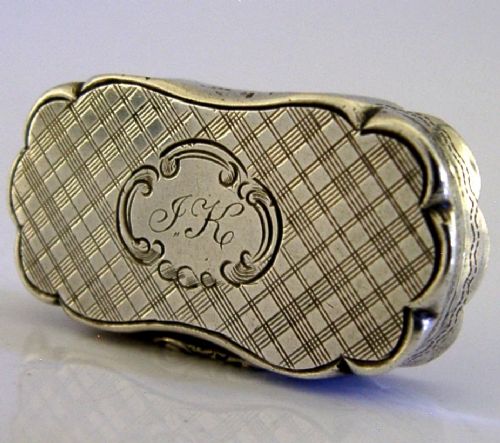
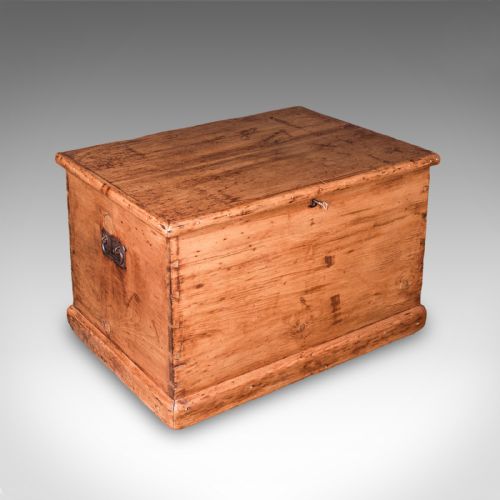
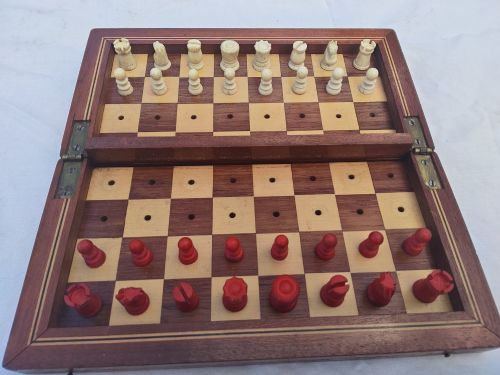
The English Victorian box encompasses a remarkably broad spectrum of nineteenth-century domestic containers, spanning small pocket snuff boxes to substantial campaign chests and writing slopes.
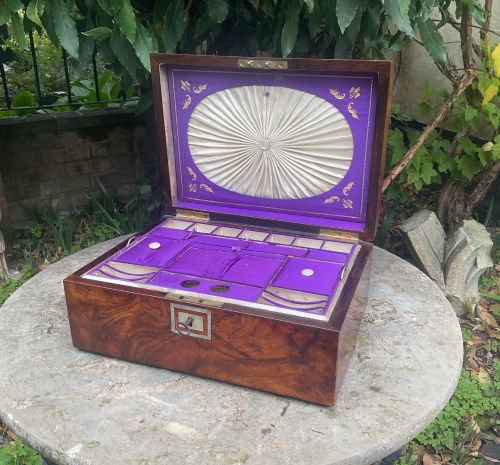
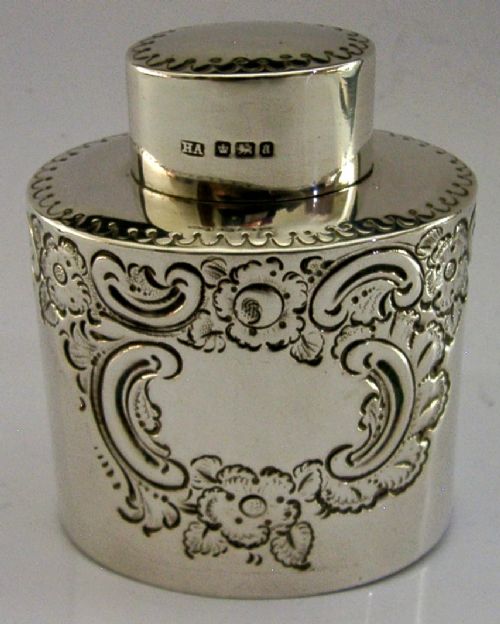
Tea caddies, sewing caskets, and jewellery boxes dominate the selection, frequently constructed from figured timbers like walnut and mahogany or finished with decorative Tunbridge ware marquetry.
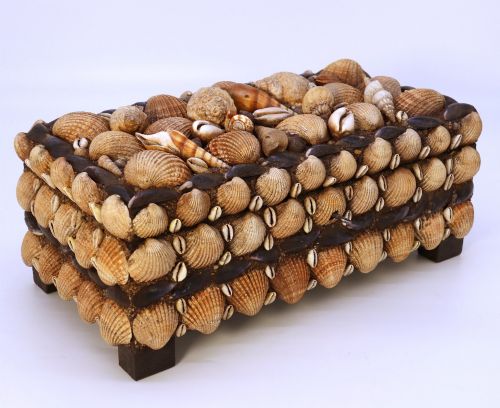
While strictly Victorian pieces form the core of the category, related examples stretch from William IV predecessors into Edwardian variations and quirky folk art creations.
Materials and Technique
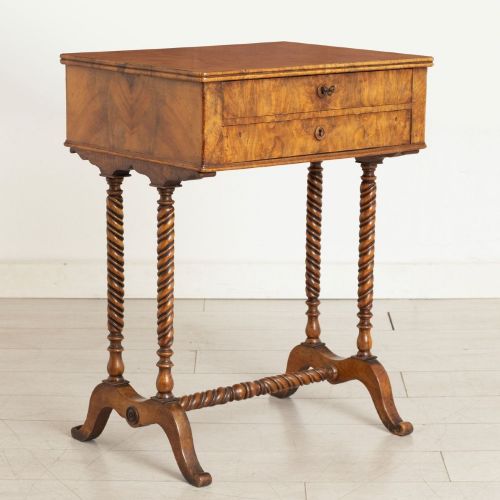
Cabinet makers utilised dense hardwoods such as walnut, mahogany, and oak, often applying burr walnut veneers or intricate geometric Tunbridge ware inlay to create striking surface patterns.
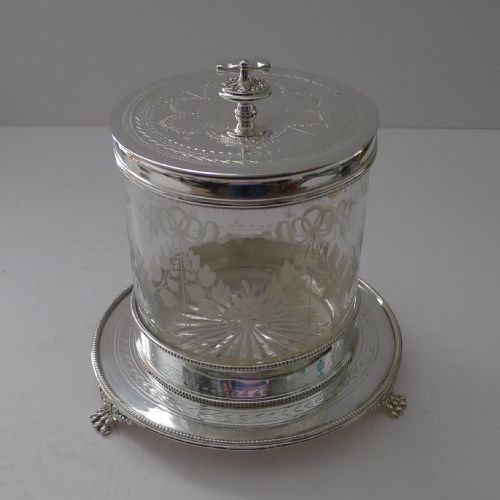
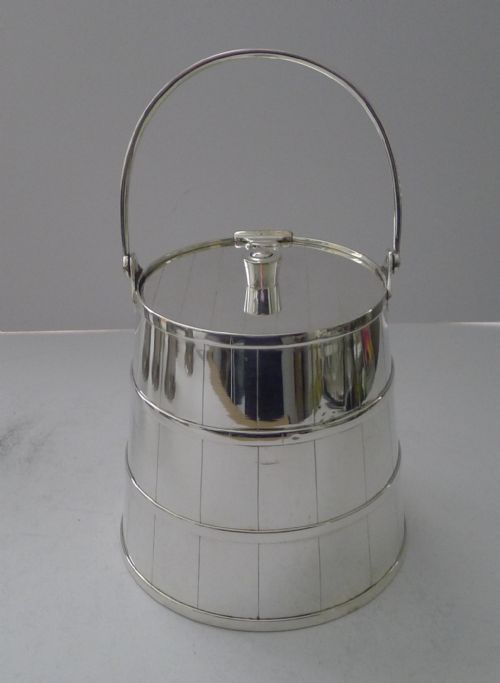
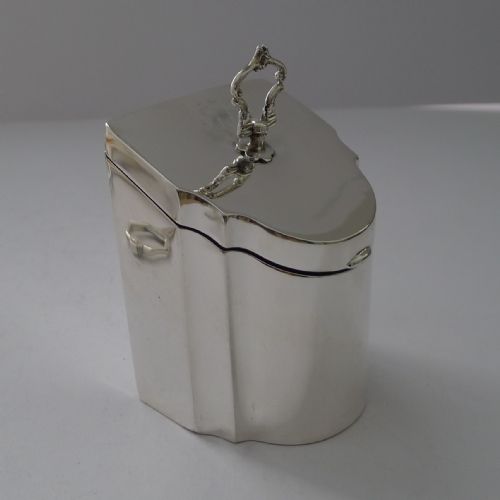
Metalwork played a defining structural and decorative role, with sterling silver, silver plate, and brass used for hinges, locking mechanisms, mounts, and dedicated biscuit barrels.
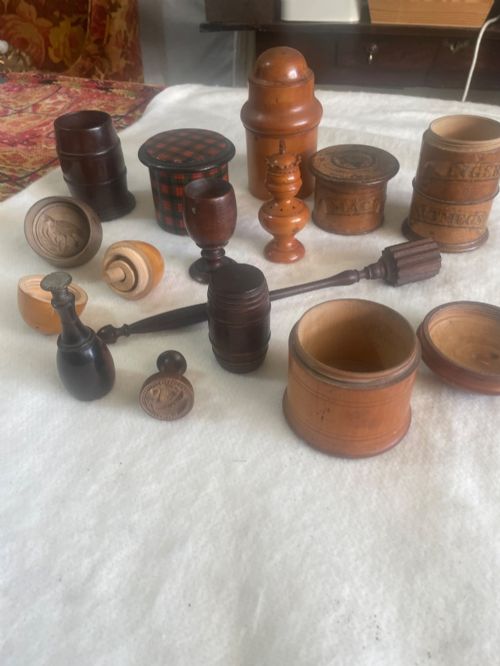
Alternative organic materials like tortoiseshell, mother-of-pearl, bone, leather, and papier-mâché appear across smaller personal items like card cases, vinaigrettes, and needlework caskets.
English Victorian Box Retail Price Guide 2026
Typical asking prices for english victorian box among the pieces listed under this phrase on Sellingantiques today, from the lower quarter to the upper quarter. They describe what is for sale here now, not the wider market.
Several boxes double as legal storage, including sturdy tins designed specifically to transport a British barrister's horsehair wig.
Distinctions in Quality
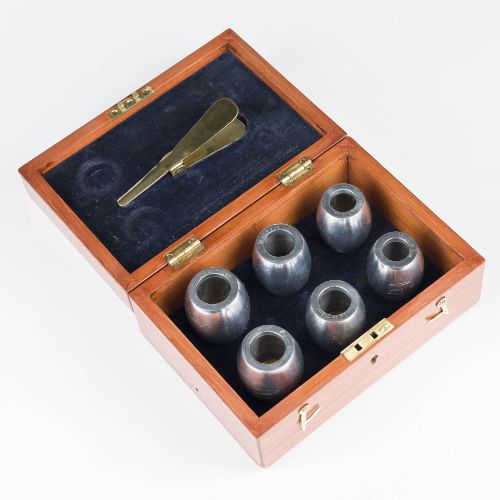
Superior examples reveal themselves through the precision of their internal fittings, such as fully appointed velvet-lined jewellery trays, fitted tea canisters, and working original locks by recognised makers.
The refinement of the exterior decoration marks the tier of a piece, separating straightforward timber construction from elaborate marquetry, intricate silver embossing, or carefully pierced tortoiseshell.
Henry Matthews·De Grave Short and Co·Mappin and Webb·Edmund Nye·Henry Hollamby·William Comyns
The English Victorian Box Glossary
- Tunbridge Ware
- A form of decorative woodwork produced in Kent, featuring tiny mosaic tiles assembled from different coloured woods to create pictorial or geometric designs. It transformed simple tea caddies and sewing boxes into miniature canvases.
- Vinaigrette
- A small ornamental box housing a perforated internal grille, designed to hold a sponge soaked in aromatic vinegar. These silver accessories were carried during the nineteenth century to mask unpleasant odours.
- Tea Caddy
- A container originally built to store precious loose tea leaves securely under lock and key. Victorian iterations frequently featured internal compartment lids and glass mixing bowls.
- Papier-mâché
- A composite material made from paper pulp or layers of paper bound with glue, pressed and dried to form rigid shapes. It provided a smooth black surface ideal for mother-of-pearl inlay and painting.
- Writing Slope
- A portable desk that folds open to reveal an angled writing surface, pen trays, and secret compartments for stationery. They allowed travellers to maintain correspondence on the move.
English Victorian Box: Frequently Asked Questions
How do I secure an antique wooden box?
Most quality nineteenth-century boxes relied on small brass lever locks operated by fitted keys. Many surviving examples retain their original working mechanisms, though replacements require specialist care.
Keeping the timber conditioned and avoiding excessive humidity protects the delicate internal alignment required for these mechanisms to function properly.
What was a Tunbridge ware box used for?
Tunbridge ware boxes served primarily as luxury receptacles for stationery, sewing implements, stamps, and jewellery. Their intricate mosaic exteriors made them prized parlour ornaments.
Owners displayed them prominently on writing tables and sideboards as demonstrations of refined nineteenth-century taste.
Were tea caddies locked?
Tea was an expensive commodity in the nineteenth century, making security essential. Caddies featured integral locks to prevent domestic servants from accessing the leaves.
Double tea caddies often included two internal lidded canisters flanking a central recess for blending.