





English Tall Case Clock
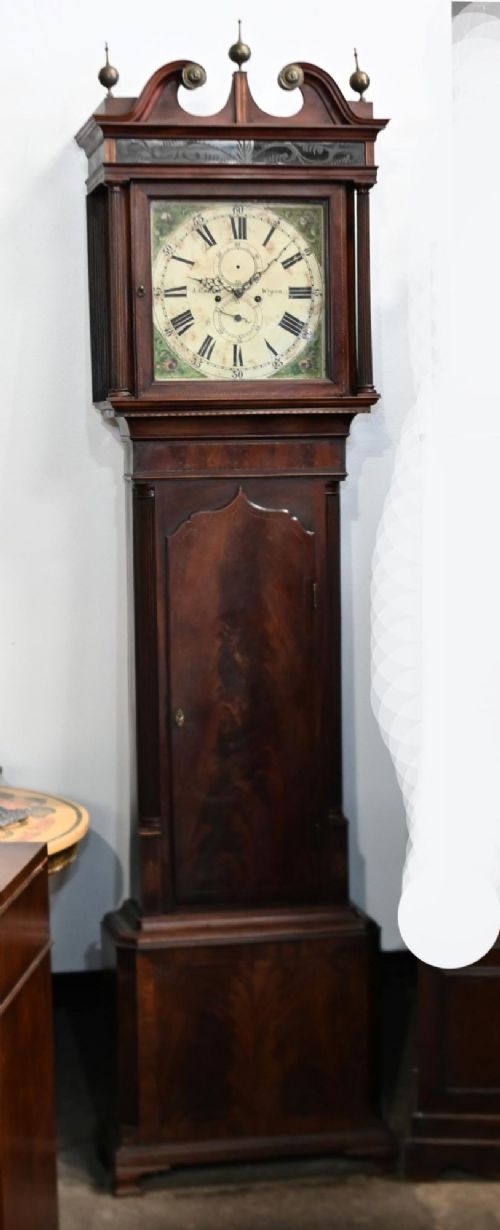
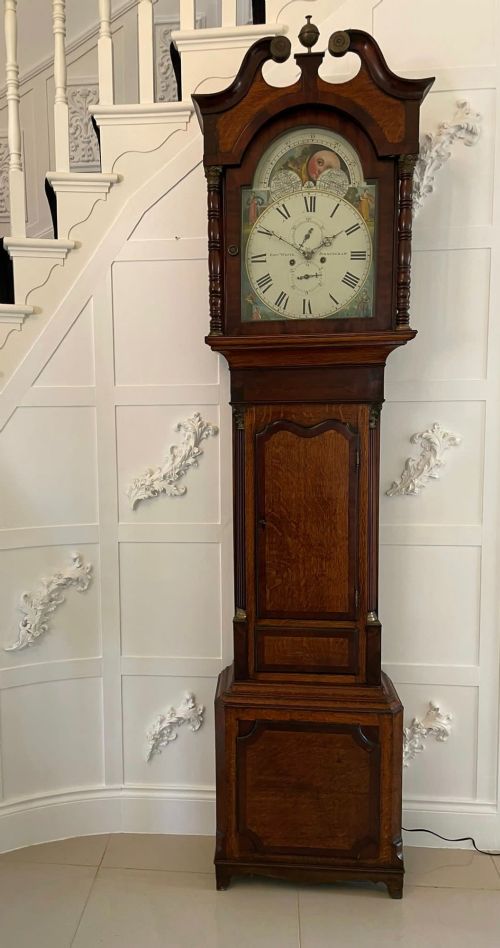
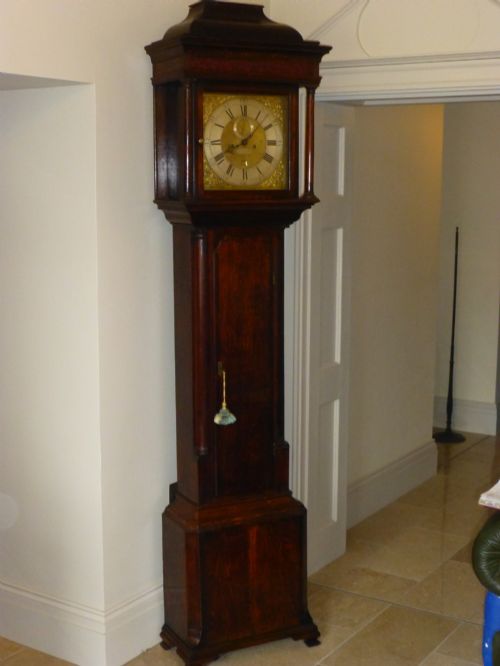
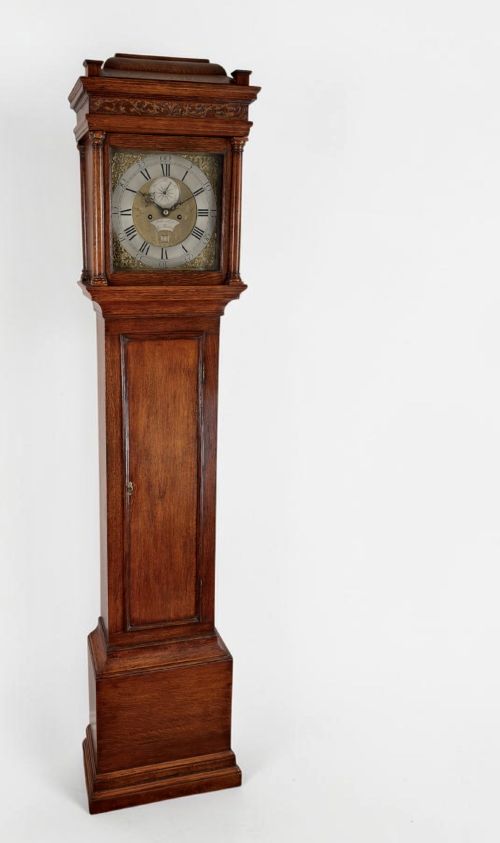
An english tall case clock brings centuries of mechanical mastery and presence into a room, housing precise weights and pendulums in stately timber housings.
English Tall Case Clock
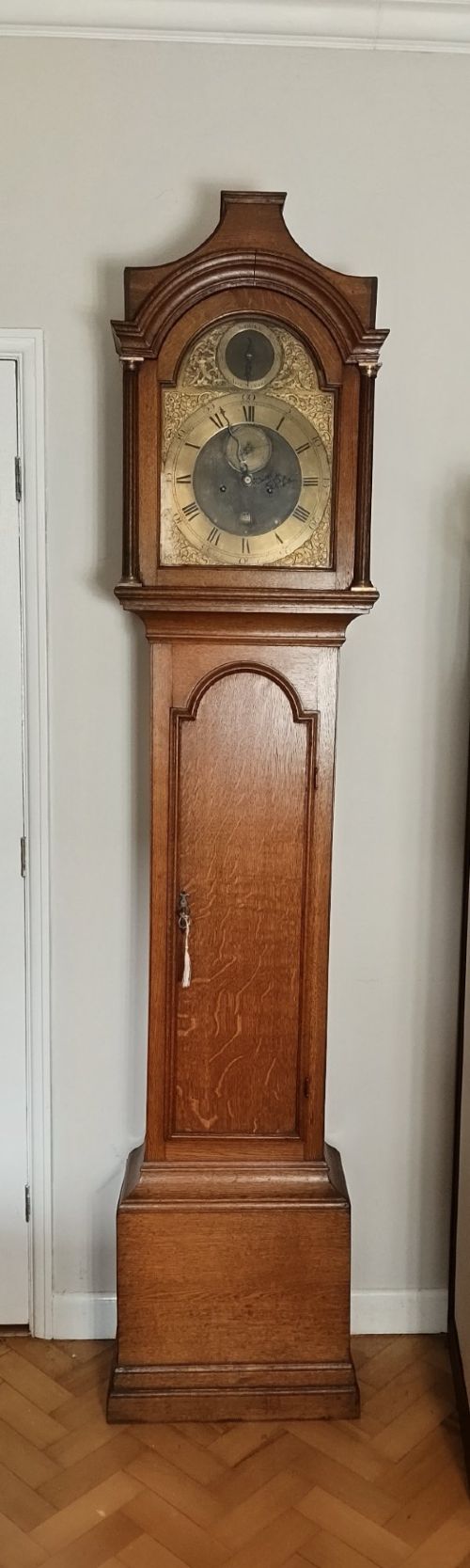
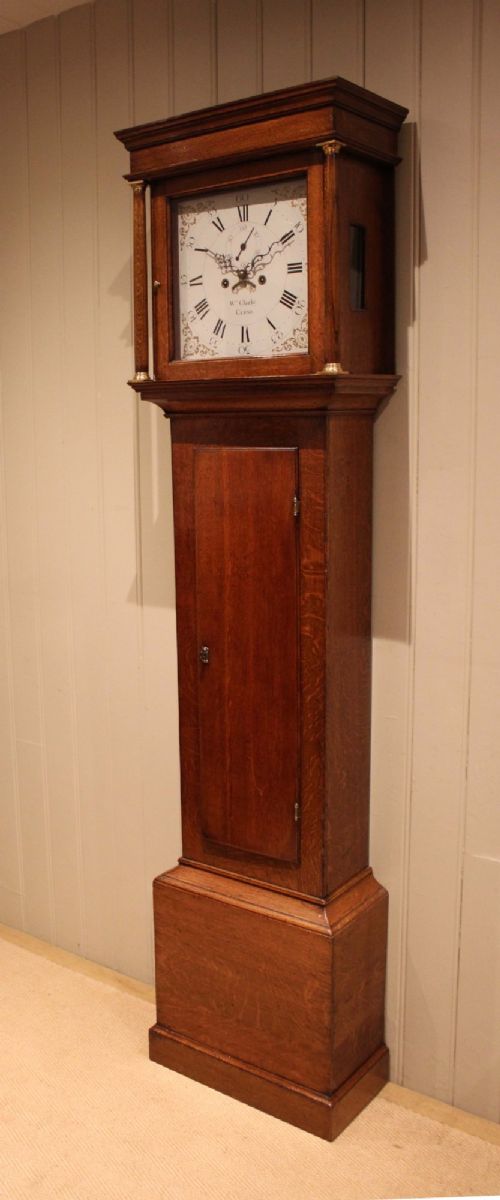
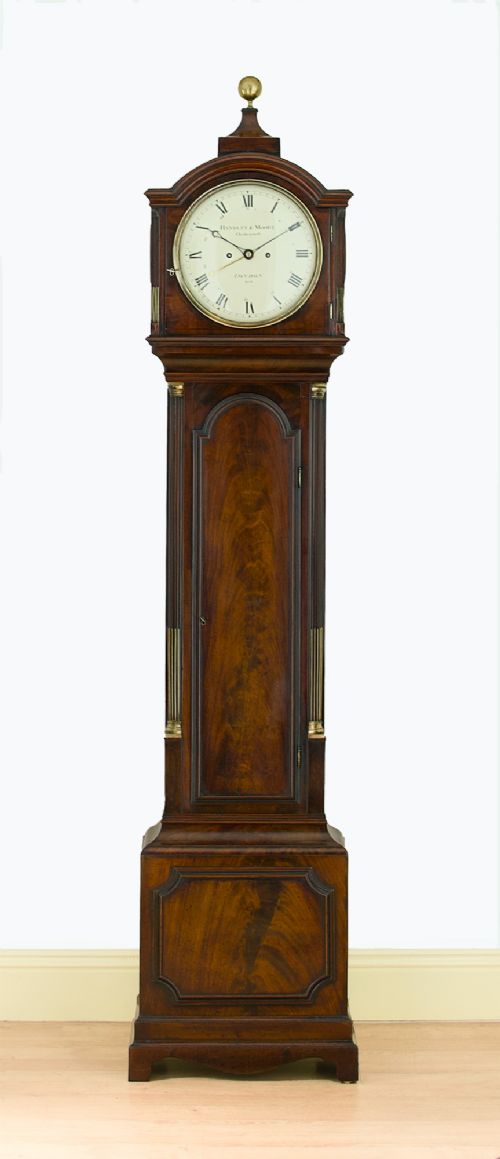
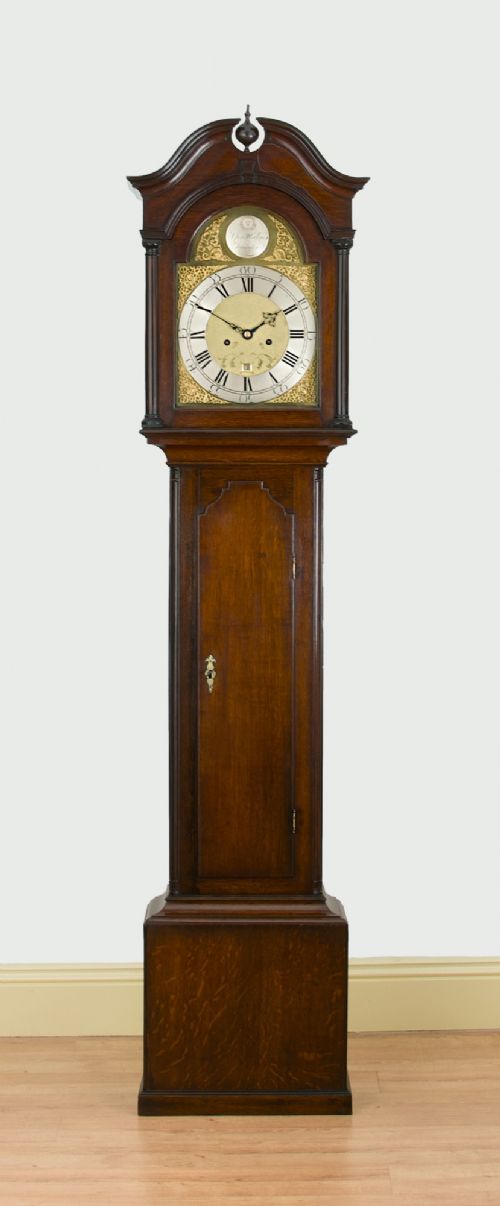
When searching for an english tall case clock, a buyer encounters substantial floor-standing timepieces spanning from the late seventeenth century through the Edwardian period, often referred to as longcase or grandfather clocks. The examples most frequently met on this page are robustly constructed from oak and mahogany, hailing from the Georgian era with regional or London signatures.
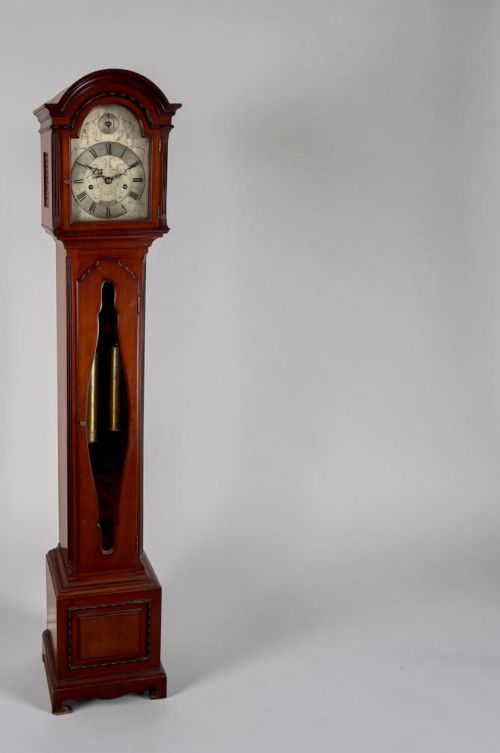
Beyond the standard grand proportions, regional variations such as smaller grandmother clocks appear alongside specialised forms like the 1920s musical chiming editions. Cases range from plain provincial timber to elaborate marquetry and japanned finishes, reflecting the local cabinet-making traditions of their origin.
The dial remains the visual anchor of these pieces, varying from simple brass faces with single hands to complex moon phase and quarter-striking mechanisms. Provincial makers across Chester, Stockport, and Doncaster contributed distinctive regional clock faces that sit alongside sophisticated London craftsmanship.
Materials and construction
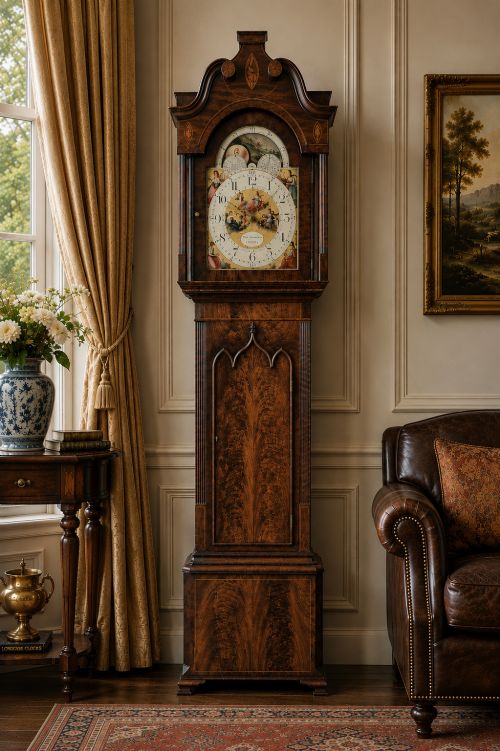
Cabinet makers built the tall cases primarily using native oak, walnut, and imported mahogany, often applying intricate veneers, crossbanding, and marquetry to the primary surfaces. These timbers were joined with traditional cabinetry methods to house the heavy brass and steel movements securely over centuries.
Clockmakers constructed the internal gear trains from brass and steel, pairing them with lead or iron weights suspended by cords or lines, and regulated the beat using wood-rod or metal pendulums. Dials combined engraved brass plates, silvered chapter rings, and sometimes painted iron scenes to display the time.
Glass protected the delicate dial faces within hinged hood doors, while specialised regional workshops utilised hand-brassed details, cast spandrels, and hand-painted moons to finish the upper works.
English Tall Case Clock Retail Price Guide 2026
Typical asking prices for english tall case clock among the pieces listed under this phrase on Sellingantiques today, from the lower quarter to the upper quarter. They describe what is for sale here now, not the wider market.
Certain provincial makers incorporated rocking Father Time figures above the dial that swung in rhythm with the pendulum beat.
Distinctions in quality
The sophistication of the movement largely dictates the tier of the piece, separating standard single-hand or eight-day timekeepers from complex quarter-striking, musical, or moon-phase mechanisms. Superior examples feature signed movements by notable makers whose mechanical execution remains crisp and reliable.
Cabinetwork quality separates mass-produced or heavily altered cases from those retaining their original timber patination, crisp inlay work, and unblemished proportions. The integration between the original dial, movement, and case is critical, as matched components elevate the integrity of the whole object.
Edward White Birmingham·Gillett and Johnston·Lee of Great Marlow·Richard Corless of Stockport·Handley and Moore London·Samuel Kellett of Bredbury·George Hallifax Of Doncaster·John Denbigh Merton Park·William Moon London·Thomas Vernon London·Nathaniel Pyne·Edin Burgis of London·William Allam·John Rainsford Leicester Square·Thomas May Of Witney·Thomas Utting of Yarmouth·John Wylde Nottingham·Wightman Of London·James Coster Of Henley·Edward East·Joseph Knibb·John Salmon Nantwich·Hay Wolverhampton·Stanyer Nantwich
The English Tall Case Clock Glossary
- Longcase clock
- A tall, weight-driven pendulum clock housed in a protective wooden case standing directly on the floor. These instruments are commonly known by collectors as grandfather clocks.
- Moon phase
- A mechanical complication on the dial that tracks the lunar cycle via a rotating disc showing the phases of the moon. This feature required careful gearing alongside the standard timekeeping train.
- Marquetry
- The art of applying pieces of veneer to a structure to form decorative patterns and pictures. Seventeenth-century examples frequently employed floral and geometric marquetry.
- Japanned
- A European imitation of East Asian lacquerwork using resin-based varnishes and raised decorations. This decorative technique appears on select eighteenth-century clock cases.
- Spandrel
- The ornamental corner piece filling the space between a circular dial and the rectangular frame. These brass castings evolved in style from delicate floral scrolls to rococo masks.
English Tall Case Clock: Frequently Asked Questions
How do tall case clocks work?
These timepieces operate through a system of weights suspended by lines or chains, which descend slowly inside the trunk to power the gear train. An anchor or deadbeat escapement controls the release of this power, regulated by the steady swing of a pendulum.
Driving the hands and any additional complications like striking trains requires precise calibration of the brass wheels and pinions. Winding the clock involves pulling the lines or using a crank to draw the weights back up to the top of the case.
Where were tall case clocks placed?
Historical interiors positioned these tall floor-standing clocks in prominent domestic circulation areas such as hallways, landings, and formal reception rooms. Their loud ticking and striking chimes served as the primary acoustic timekeeper for the entire household.
The height of the case demanded placement in rooms with standard or high ceilings, away from damp external walls and direct heat sources to protect the wood and internal movement.
How do you wind a tall case clock?
Winding requires inserting a key into the winding holes on the dial face to raise the internal weights gently. Care must be taken not to overwind the mechanism, stopping as soon as resistance is felt.
Eight-day movements require this maintenance roughly once a week, while thirty-hour variants need daily attention. Keeping a consistent winding schedule helps maintain the accuracy of the pendulum.
What is the difference between longcase and grandfather clocks?
Longcase clock is the traditional horological term used by makers and collectors to describe tall floor-standing timepieces. Grandfather clock is a colloquial term that gained popularity later, largely inspired by Henry Clay's 1876 song.
Both terms refer to the exact same architectural form of clock housing. Smaller iterations of the same design are traditionally termed grandmother clocks.