



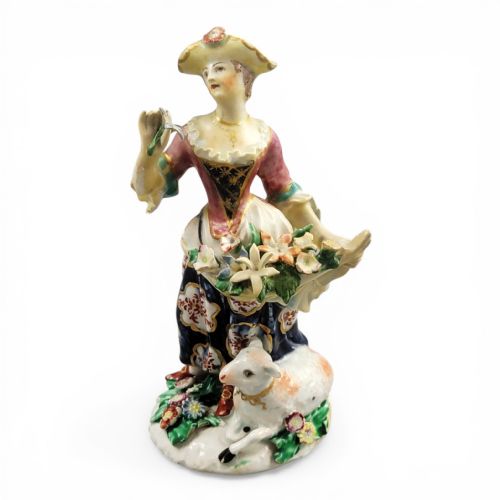


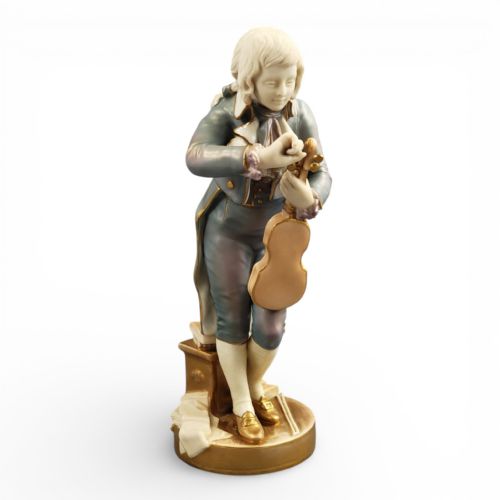


English Soft Paste Figure
An english soft paste figure brings the warmth of eighteenth-century kilns to a cabinet, portraying shepherds, allegories and musicians in early ceramic.
English Soft Paste Figure
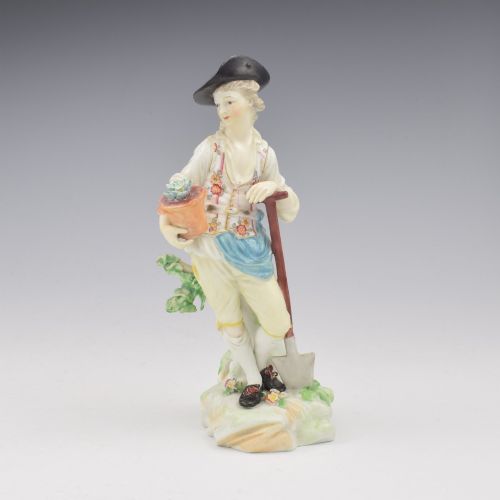
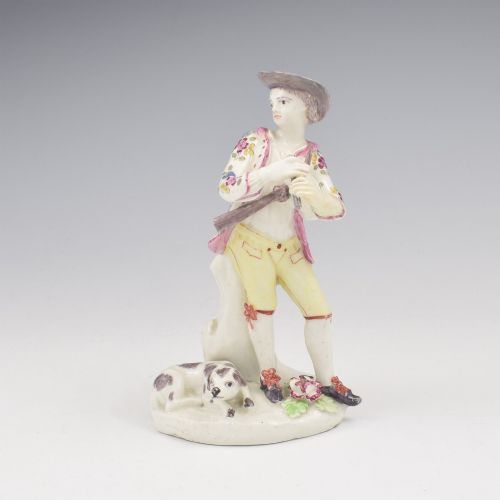
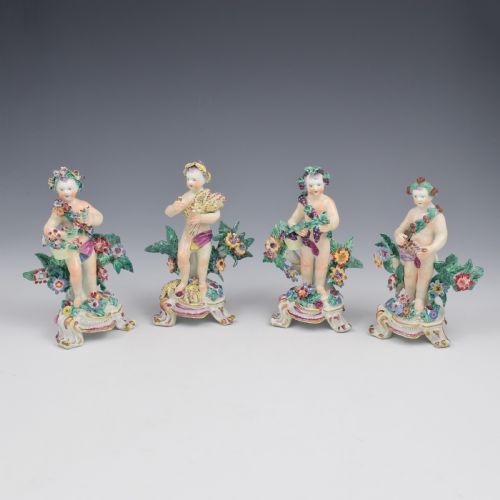
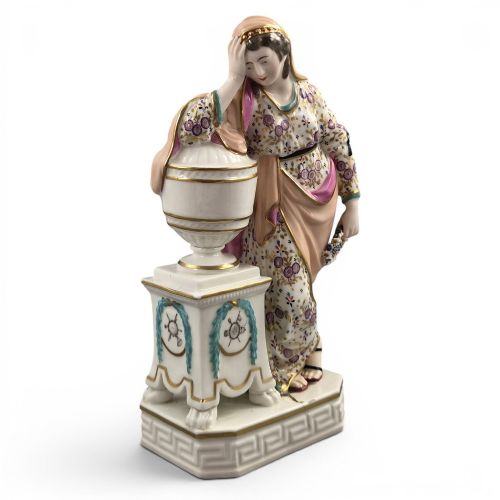
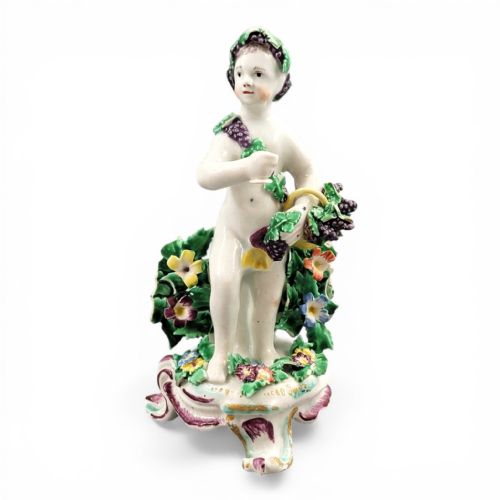
An english soft paste figure typically takes the form of a shepherd, putto, musician or allegorical subject modelled during the eighteenth century. Buyers encounter eighteenth-century subjects such as the four seasons, mythological figures like Diana, and pastoral groups produced by early English potteries.
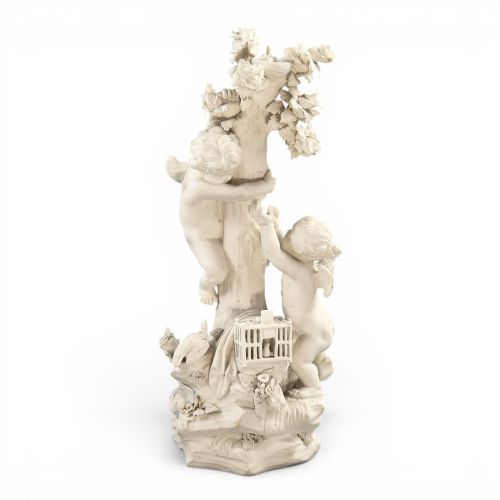
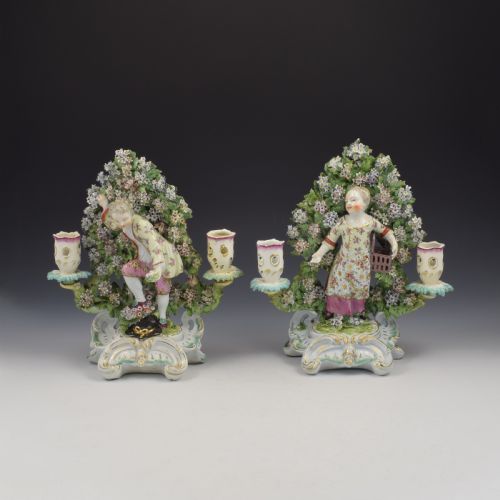
The selections on this page concentrate heavily on porcelain figures and candlestick groups from factories operating in the Georgian era. These ceramic sculptures range from single standing children to large sculptural figure groups complete with bocage foliage backgrounds.
Materials and production
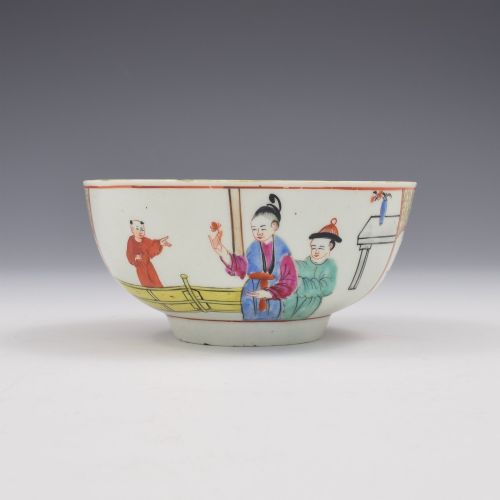
Makers shaped these soft-paste porcelain bodies from ground glass, white clays and frit before firing them at lower temperatures than hard-paste porcelain. Artisans then applied enamels by hand, often adding gilding, gold leaf or gilt highlights before a final kiln fixation.
Many elaborate pieces incorporated bocage, which is applied modelled foliage built up around the main figures to create a rustic arbour effect. Base marks such as patch marks or anchor symbols indicate the specific workshop practices of the period.
English Soft Paste Figure Retail Price Guide 2026
Typical asking prices for english soft paste figure among the pieces listed under this phrase on Sellingantiques today, from the lower quarter to the upper quarter. They describe what is for sale here now, not the wider market.
Listings feature works spanning the eighteenth century through the Edwardian era, predominantly utilising soft-paste porcelain, enamel, and gold leaf.
Assessing quality
The complexity of the composition also elevates a piece, particularly when multiple figures or intricate bocage backgrounds remain intact. Richly enamelled palettes and careful application of gold leaf further separate standard factory output from masterworks.
Bow Porcelain·Derby Porcelain·Chelsea Porcelain·Longton Hall·Royal Worcester
The English Soft Paste Figure Glossary
- Soft-paste porcelain
- An early ceramic composition made from glass-frit and white clay rather than natural china stone and kaolin. This body absorbs glaze differently and creates a warmer feel in the hand.
- Bocage
- Applied ceramic foliage and floral background work often seen behind eighteenth-century figures. It mimics natural arbours and requires meticulous hand assembly.
- Patch mark
- Small unglazed blemishes on the underside of figures left by the small clay supports used inside the kiln. These marks help identify specific eighteenth-century factory origins.
- Enamel
- Coloured metallic oxide paints fused to the glazed surface during a secondary low-temperature kiln firing. These pigments provide the pastel hues found on early figures.
English Soft Paste Figure: Frequently Asked Questions
What is an english soft paste figure?
These pieces are early ceramic sculptures produced by eighteenth-century English factories using a vitreous soft-paste porcelain body. They depict human figures, allegorical themes, and pastoral scenes.
Craftsmen hand-modelled and hand-painted each example, creating decorative works that reflect the rococo and neoclassical tastes of the period.
How were these figures used originally?
Wealthy patrons displayed these ceramics on dining tables as part of elaborate dessert services or arranged them on mantelpieces and cabinets. Candlestick variants also provided functional illumination framed by decorative porcelain figures.
They served as conversational ornaments that demonstrated the owner's cultural interests and appreciation for contemporary porcelain art.
How do I care for soft paste porcelain?
Keep these fragile ceramics away from direct sunlight and areas subject to sudden temperature shifts to protect the historic glaze and enamel paints. Dust them gently with a soft, dry brush rather than using water or chemical cleaners.
Display them securely inside enclosed cabinets where vibrations or accidental knocks cannot damage delicate elements like bocage leaves or fingers.
How do I identify the factory?
Look for factory marks on the base, such as patch marks, anchor symbols, or painted numerals that correspond to specific historical workshops. The modelling style, clay weight, and enamel palette also offer strong clues to the place of origin.
Comparing pieces to museum-referenced examples helps confirm whether a work originated from Bow, Derby, Chelsea or another eighteenth-century pottery.