
English Silver Tableware
English silver tableware covers everything from eighteenth-century ladles to cased napkin rings, offering functional historic metalwork for the dining table.
English Silver Tableware
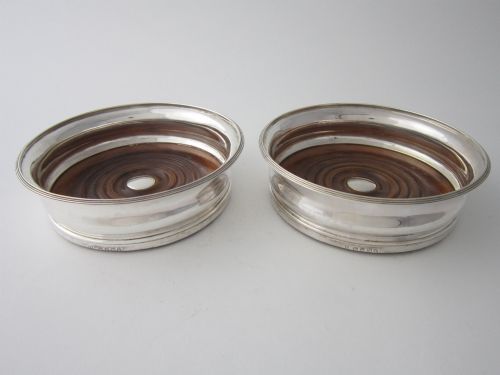
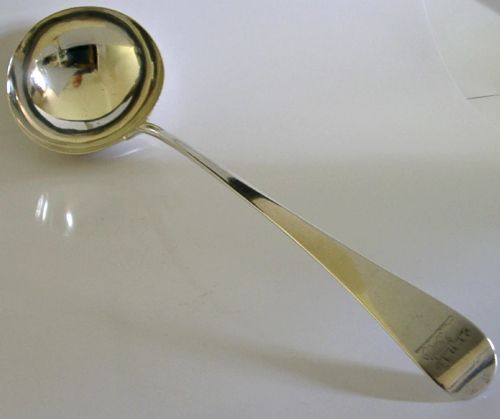
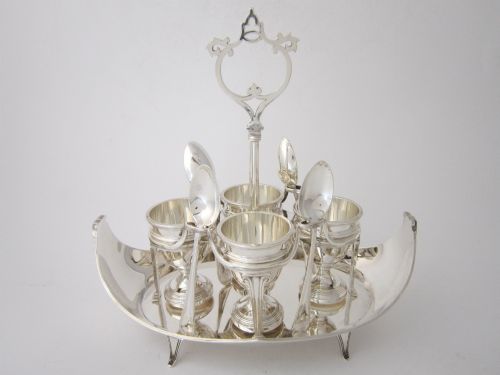
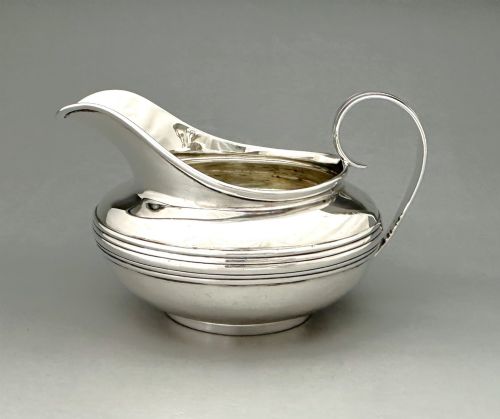
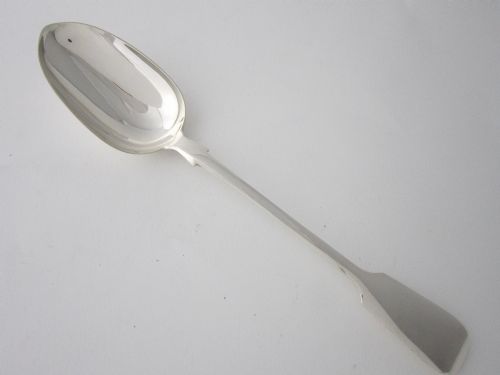
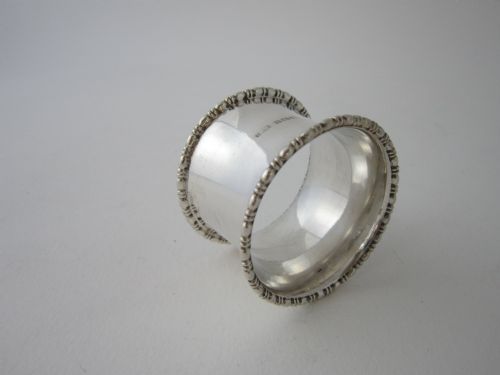
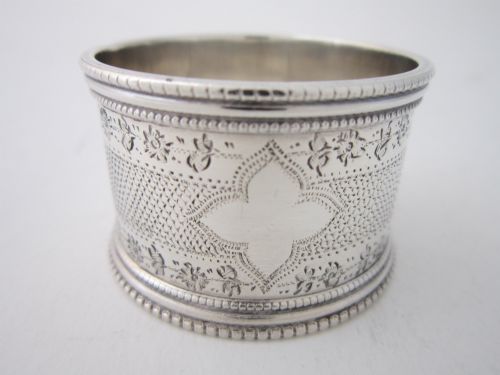
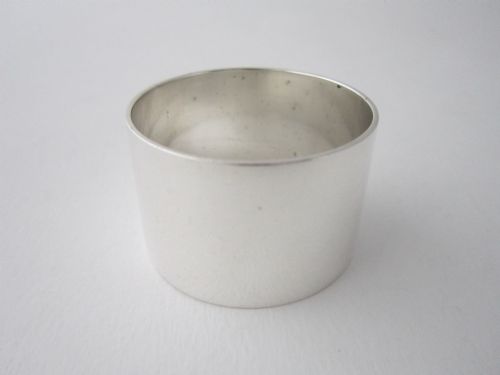
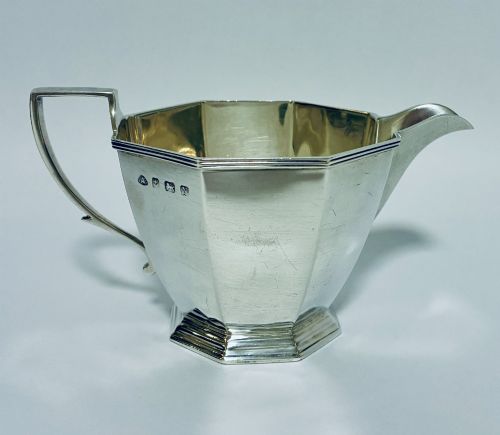
English silver tableware spans domestic dining items produced across the Georgian, Victorian, Edwardian, and twentieth-century periods. These pieces include serving spoons, sauce boats, cream jugs, mustard pots, toast racks, and napkin rings.
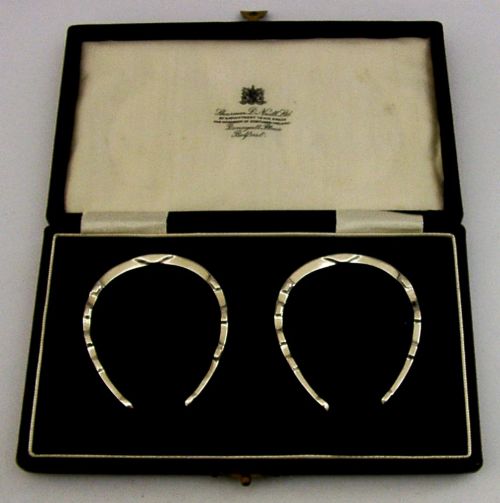
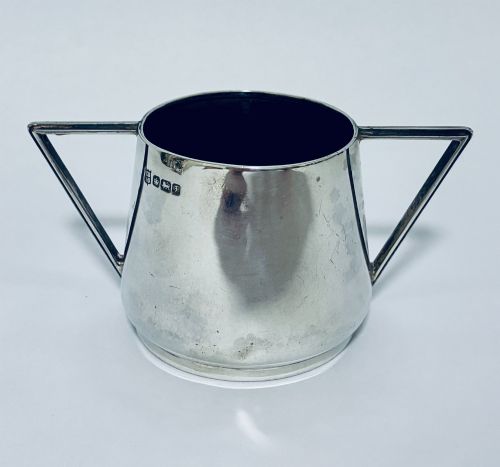
The selection here draws heavily from Georgian elegance and George V production, alongside Art Deco forms and Victorian cased sets. Buyers meet both functional utility pieces and decorative novelty items like menu holders shaped as owls or foxes.
How they were made
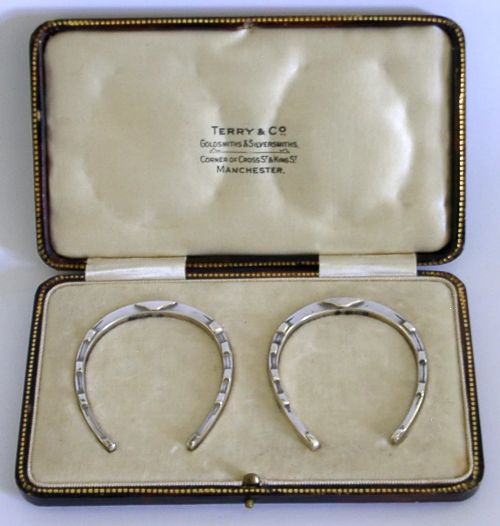
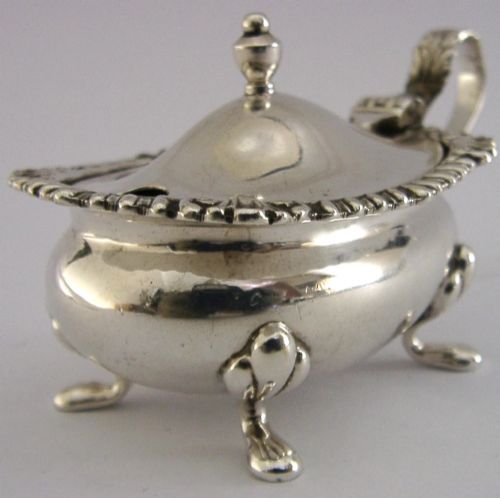
Makers utilised sterling silver and silver plate, frequently combining the metal with blue or cranberry glass liners for mustard pots and salt cellars. Cased sets also incorporate linings of velvet, silk, leatherette, and satin to protect the items.
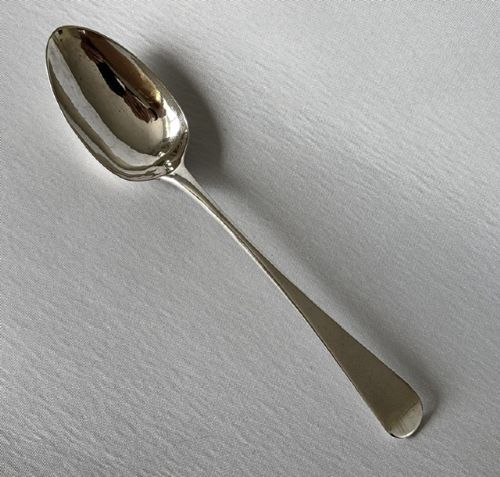
Construction methods range from hand-raised and hammered eighteenth-century tablespoons to twentieth-century stamped and cast napkin rings and condiment sets. Hallmarks stamped directly into the silver record the assay office, date letter, and maker's mark.
Dinners past involved monkeys and birds joining the table via silver harlequin monkey sugar tongs and delicate owl menu holders.
What varies in quality
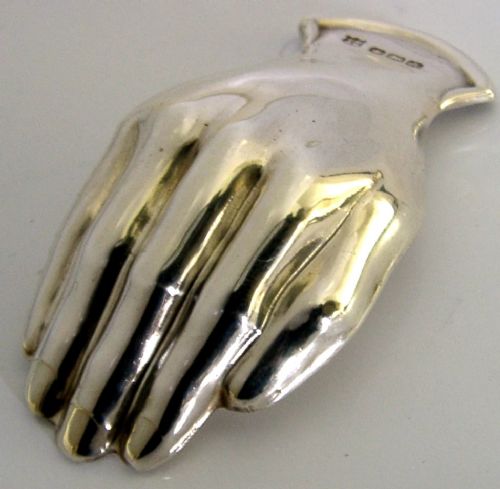
Quality rests upon the crispness of the original chasing, engraving, and casting details, particularly on novelty items like sugar tongs or menu holders. Heavy gauge metal provides a substantial weight in the hand, distinguishing robust dining utensils from lighter domestic wares.
The clarity and completeness of hallmarks contribute significantly to a piece's standing among collectors. Preservation of original components, such as matching glass liners in mustard pots or complete cased sets of napkin rings, elevates the standing of the work.
Peter and Jonathan Bateman·Hester Bateman·Charles Fox II·Mappin and Webb·Dee and Fargus·Daniel Arter·William Penstone
The English Silver Tableware Glossary
- Hallmark
- Official stamps struck into precious metals to guarantee fineness and origin. These marks typically include the maker's mark, standard mark, assay office mark, and date letter.
- Sterling silver
- An alloy containing 92.5 percent silver and 7.5 percent other metals, usually copper. This standard has been used for centuries to ensure durability in tableware.
- Trefid
- An early form of flatware handle widening into a three-lobed shape, common in the late seventeenth century. Pieces from this era often feature strong rattail attachment beneath the bowl.
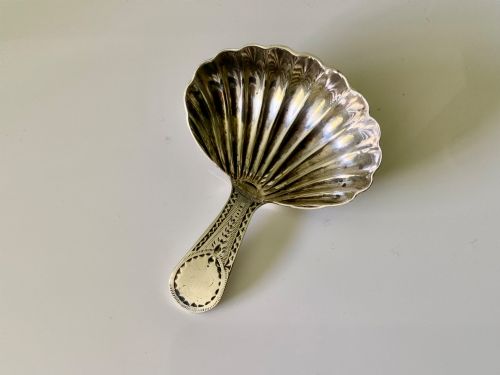
- Caddy spoon
- A short spoon specifically designed for measuring loose tea leaves from a caddy. They frequently exhibit imaginative and decorative handle designs in silver.
- Marrow scoop
- A long, narrow double-ended utensil used for extracting marrow from bones during formal dining. One end is usually trough-shaped and the other spoon-shaped.
English Silver Tableware: Frequently Asked Questions
How do I date English silver tableware?
English silver is dated primarily through the stamped hallmarks, which include a specific date letter corresponding to the year and assay office of testing. Stylistic clues such as Georgian bright-cut engraving or Art Deco geometric lines also help assign a piece to a broader era.
Comparing the maker's mark against historical records narrows down the active working period of the silversmith who produced the item.
What is the difference between sterling silver and silver plate?
Sterling silver is a solid precious metal alloy composed of 92.5 percent pure silver, ensuring the material remains consistent throughout the entire object. Silver plate involves a thin layer of silver bonded to a base metal core, such as copper or nickel brass.
Solid silver items bear a lion passant or standard mark indicating silver content, whereas plated items generally use manufacturer marks that do not denote precious metal purity.
How were mustard pots and salt cellars used?
Mustard pots held prepared table mustard and were typically supplied with a small spoon for serving. Glass liners protected the interior silver from the corrosive properties of mustard and salt.
Salt cellars sat open on the dining table before salt shakers became common, requiring diners to pinch salt using small spoons or their fingers.
How do I care for antique silver tableware?
Antique silver benefits from gentle washing in warm water with a mild soap after use, followed by immediate drying with a soft cloth. Regular handling often prevents tarnish from accumulating in recessed details.
Harsh abrasive dips should be avoided to preserve the natural patina and the crispness of the original maker's hallmarks and engraving.